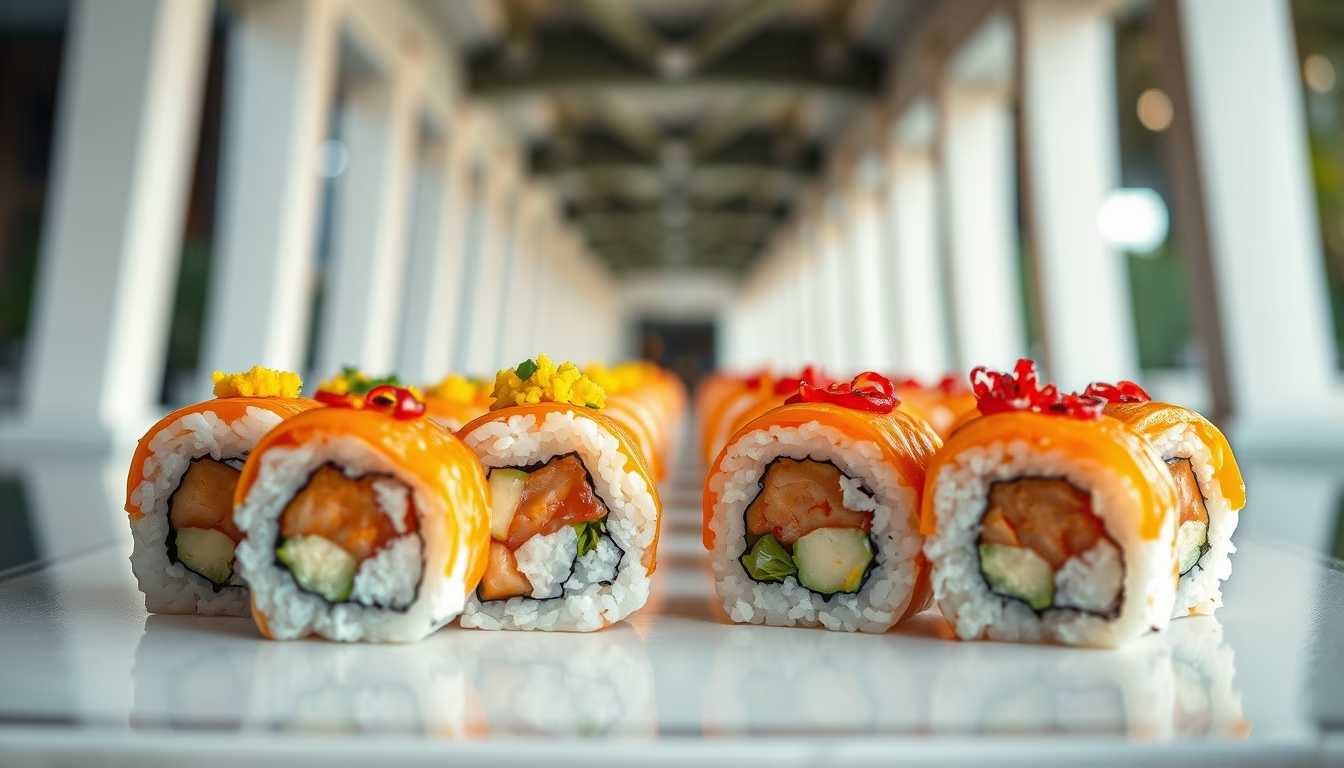
Maki rolls colorful
1344×768 · AVIF · CC BY 4.0
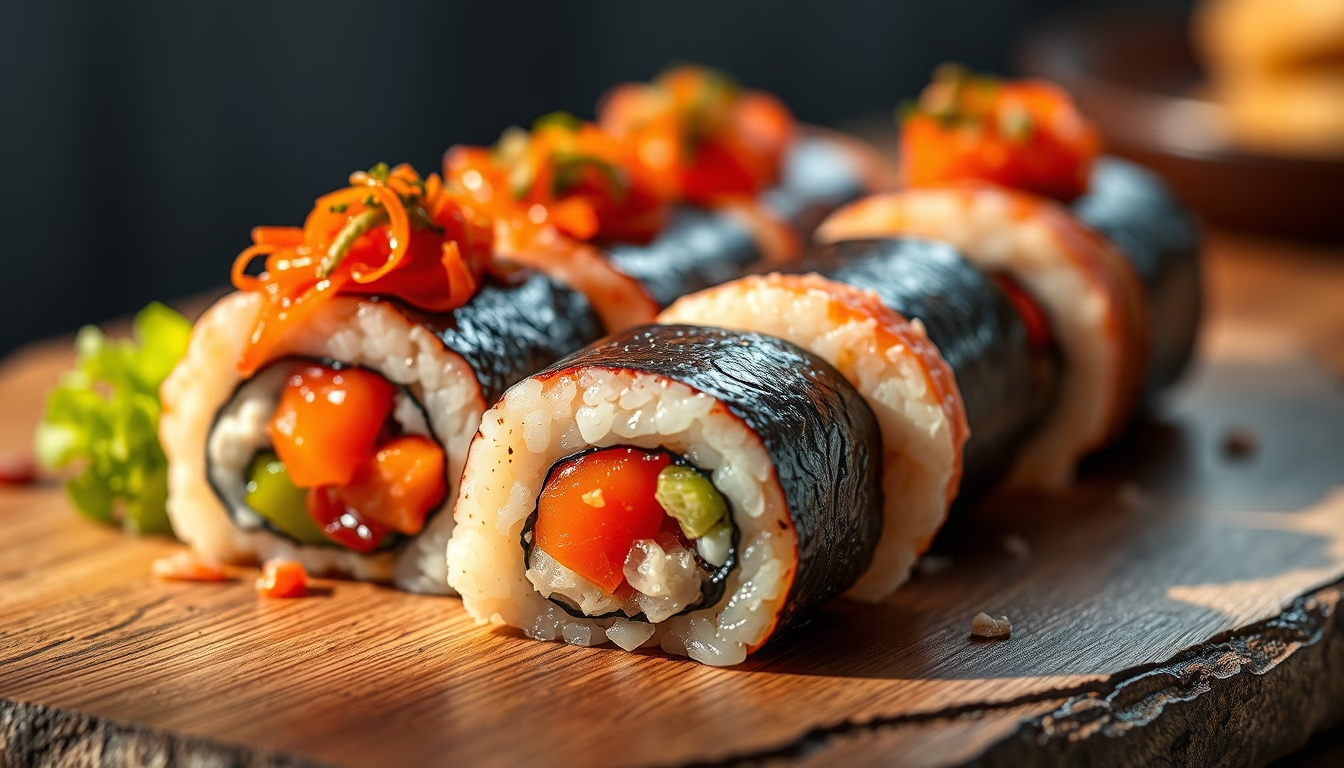
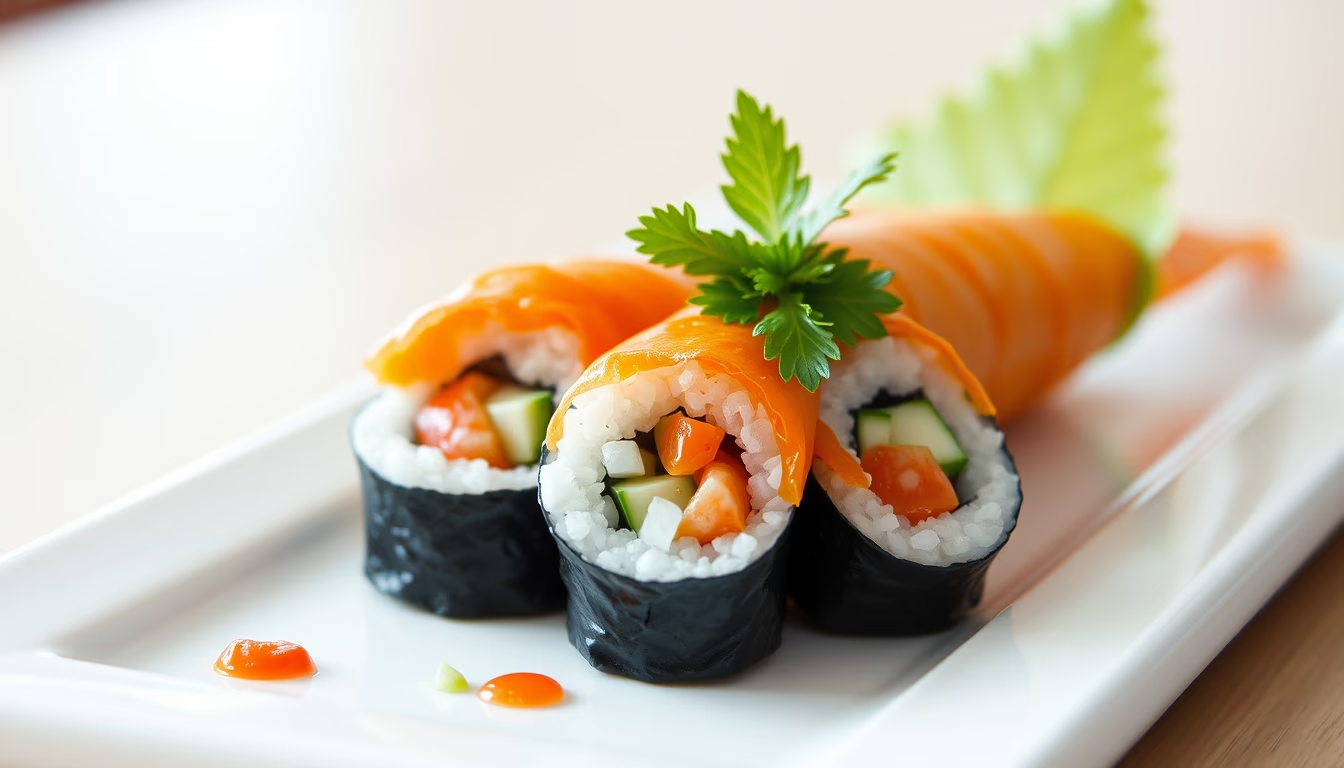
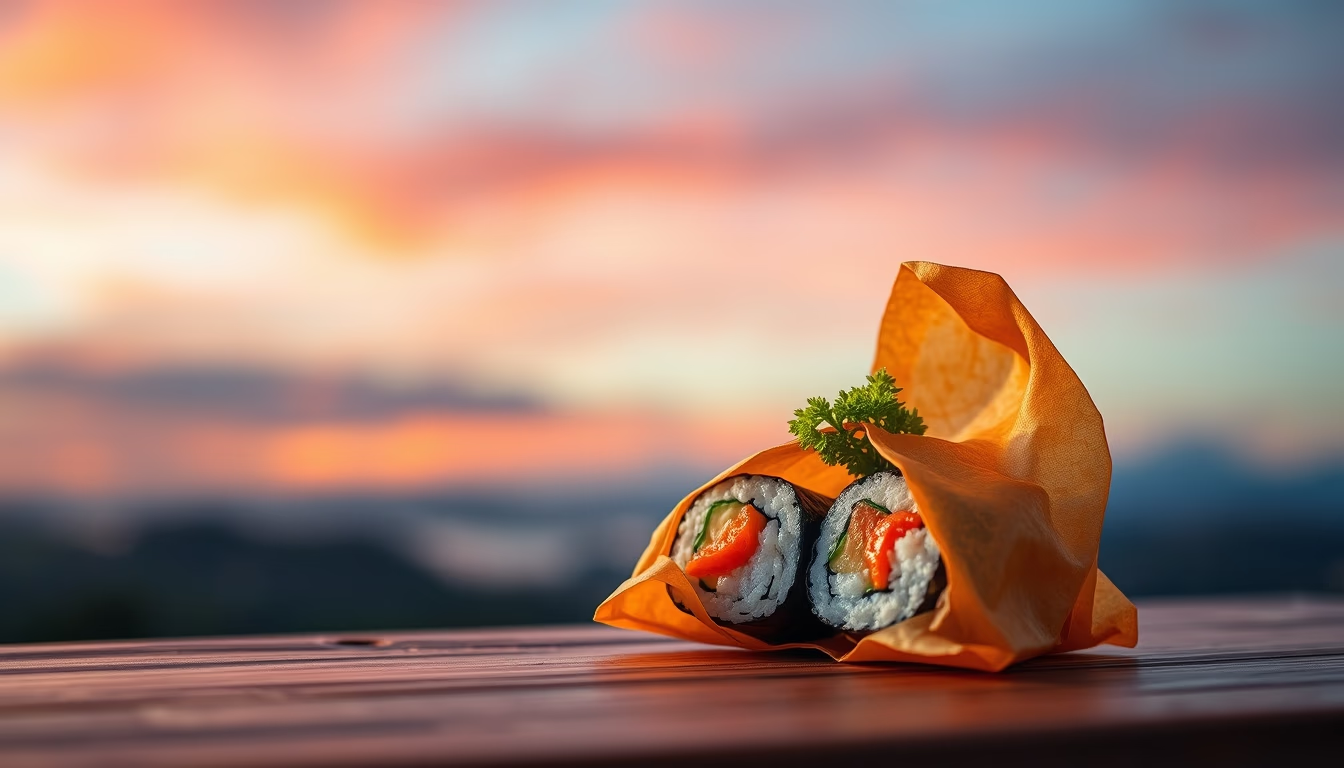
Maki rolls are one of the most popular types of sushi, characterized by nori seaweed sheets rolled with rice and various fillings, originating from Japan and enjoyed globally.
About this subject
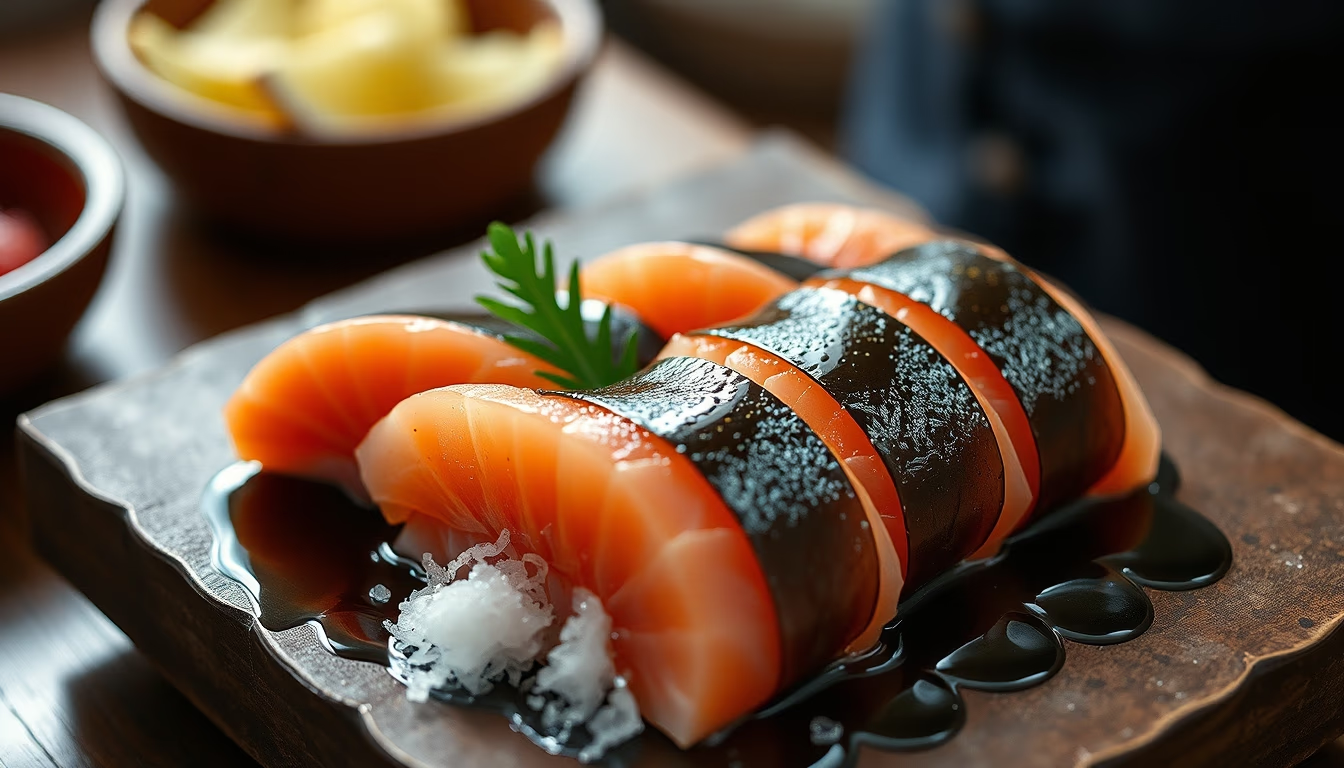
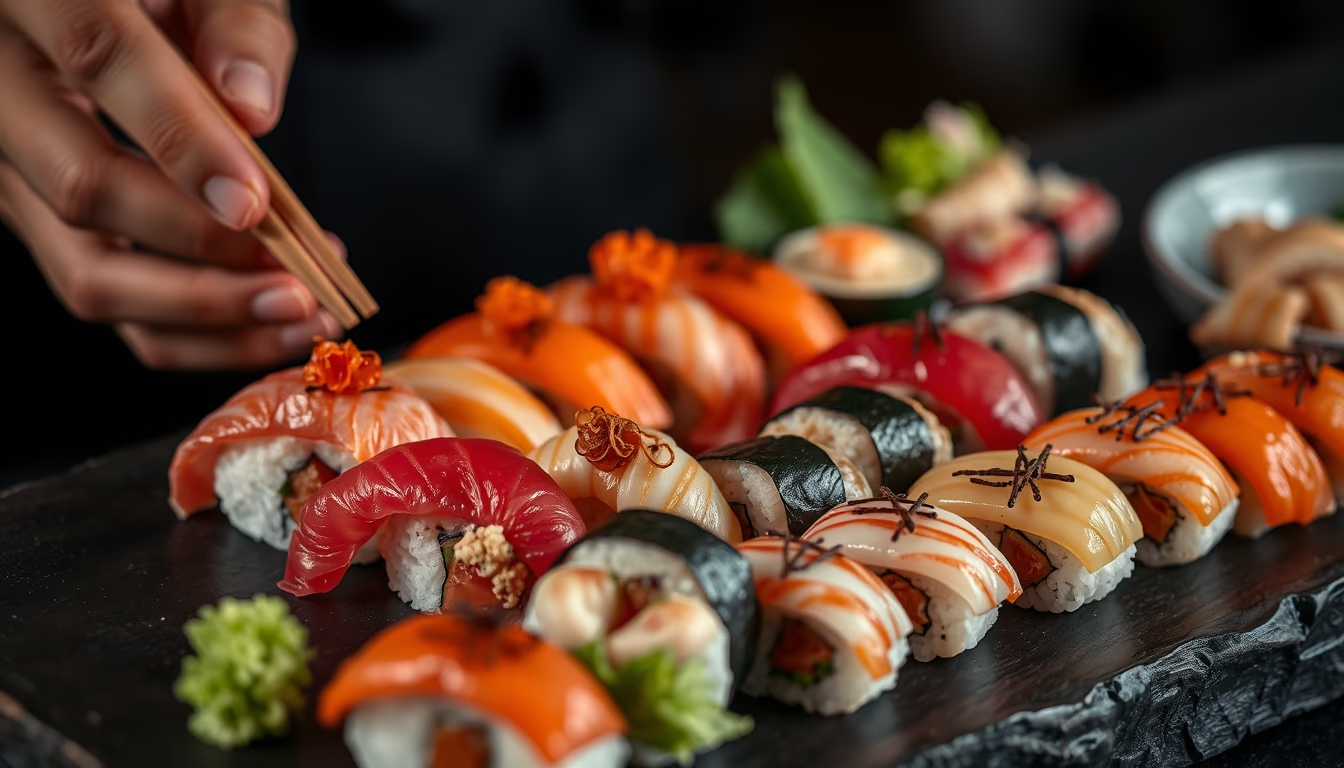
Maki rolls are a style of sushi consisting of vinegared rice and various fillings rolled inside a sheet of nori seaweed. The word 'maki' means 'roll' in Japanese, and this preparation method allows for countless ingredient combinations, from raw fish and seafood to vegetables and eggs. Maki originated historically during the Edo period (1603-1868), when sushi became popular as street food in Tokyo, then called Edo. Unlike nigiri (hand-pressed rice topped with fish), maki is cut into cylindrical slices and often served with soy sauce, wasabi, and pickled ginger. Besides the traditional seaweed-on-the-outside maki (maki-zushi), there are variations such as uramaki (rice on the outside) and temaki (seaweed cone). Colorful maki gained prominence in the West, especially in the United States, with creations like the California roll and Philadelphia roll, which adapted sushi to local tastes. In Brazil, maki is one of the most ordered items in Japanese cuisine restaurants, often combining tropical ingredients like mango and cream cheese. The versatility of maki makes it a democratic dish, catering both to purists and those who prefer less traditional flavors. The technique of rolling maki requires precision: the rice must be at the right temperature, the seaweed lightly toasted, and the fillings evenly distributed to ensure a perfect shape. Maki is not just food but an expression of Japanese aesthetics of balance and harmony, where colors and textures complement each other.
Frequently Asked Questions
What are the main types of maki?
The main types include maki-zushi (seaweed on the outside), uramaki (rice on the outside), and temaki (seaweed cone). There are also variations like futomaki (thick rolls) and hosomaki (thin rolls).
Is maki healthy?
Yes, maki can be a healthy option as it contains rice, omega-3-rich fish, vegetables, and seaweed. However, calorie content can increase with cream cheese, sauces, and tempura.
What is the origin of maki?
Maki originated in Japan during the Edo period as a practical way to eat sushi. It was initially sold from street stalls and became popular due to its ease of preparation and transport.
Direct URL
https://pub-c7d6a6ea828543ac903a74a341ccb2e1.r2.dev/imagens/maki-rolls-colorful-magazine-editorial-fresh13.avifHow to credit
Include a visible link back to UtilizAí. Copy one of the snippets below:
<a href="https://xn--utiliza-eza.com/en/midia/imagens/maki-rolls-colorful-magazine-editorial-fresh13">Maki rolls colorful</a> by <a href="https://xn--utiliza-eza.com">UtilizAí</a>, licensed under <a href="https://creativecommons.org/licenses/by/4.0/">CC BY 4.0</a>.
[Maki rolls colorful](https://xn--utiliza-eza.com/en/midia/imagens/maki-rolls-colorful-magazine-editorial-fresh13) by [UtilizAí](https://xn--utiliza-eza.com), CC BY 4.0
License: CC-BY-4.0