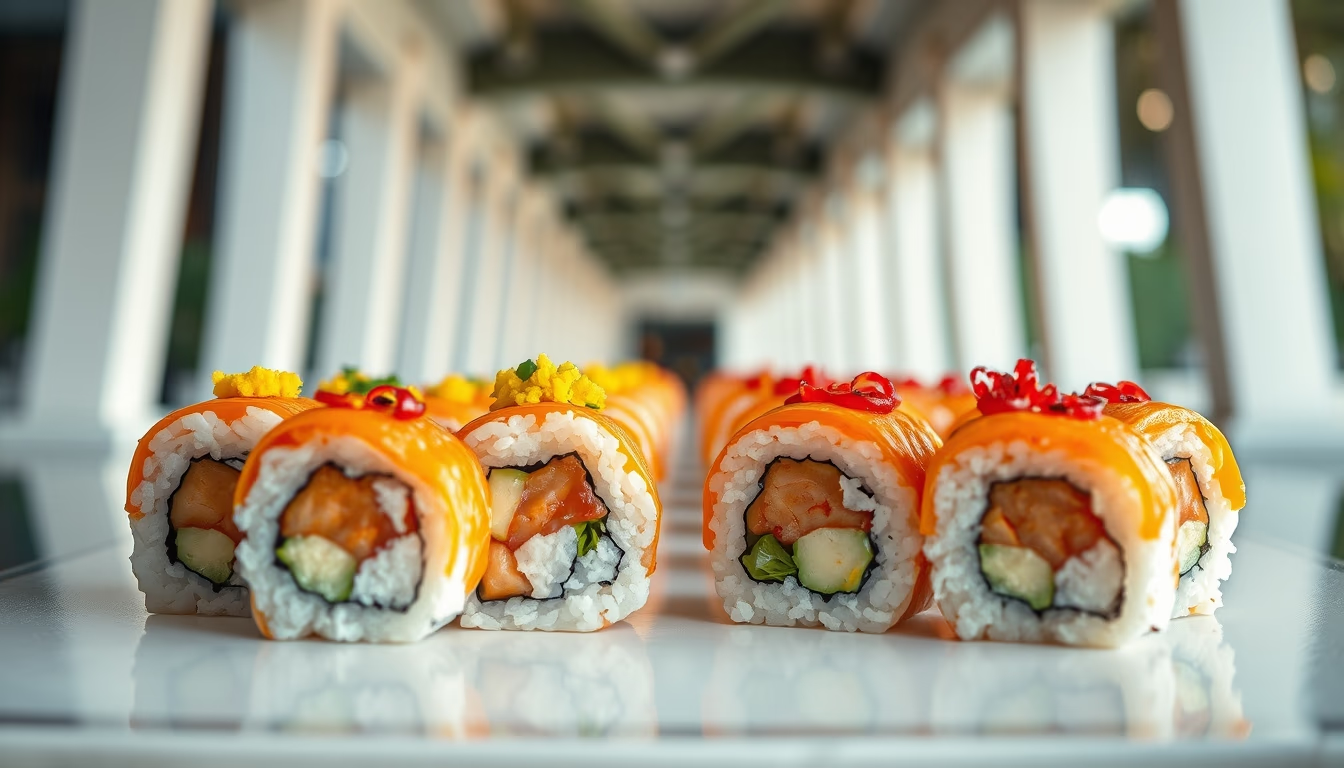
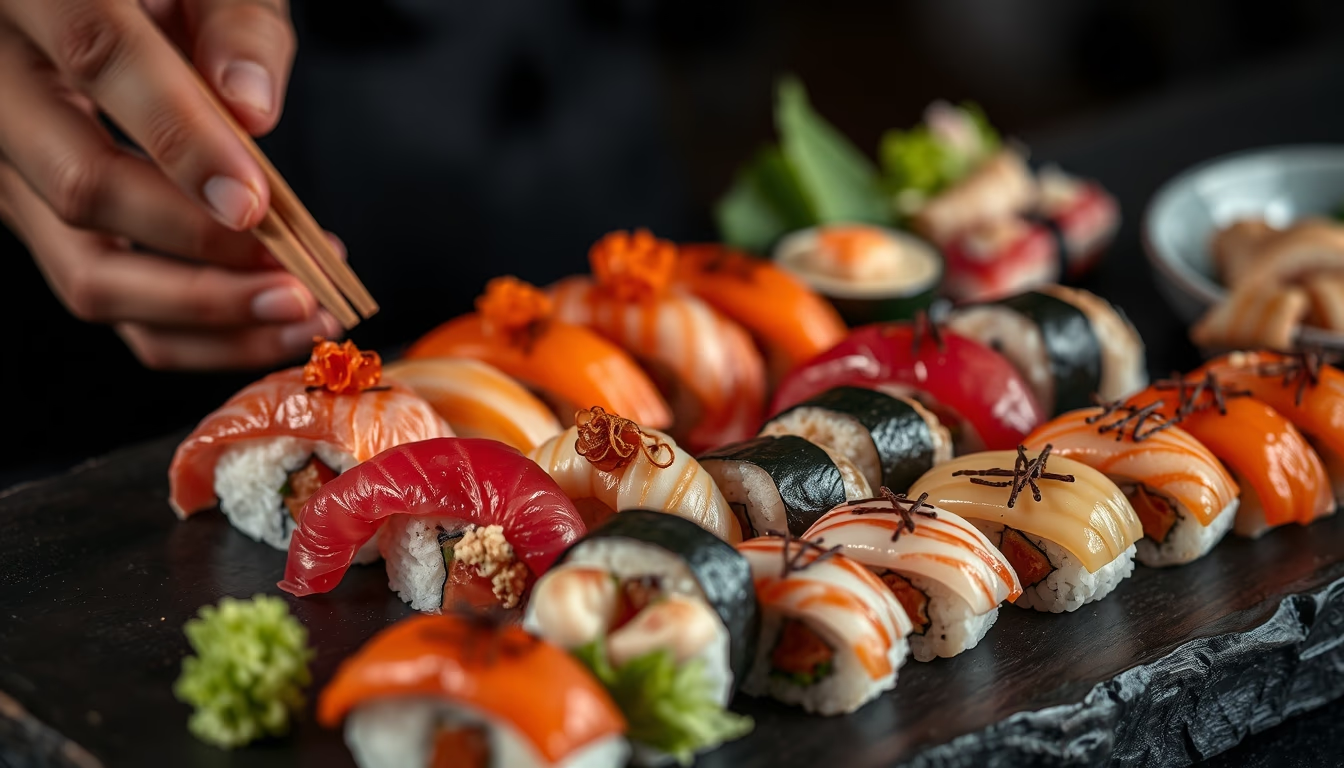
Maki rolls colorful
1344×768 · AVIF · CC BY 4.0
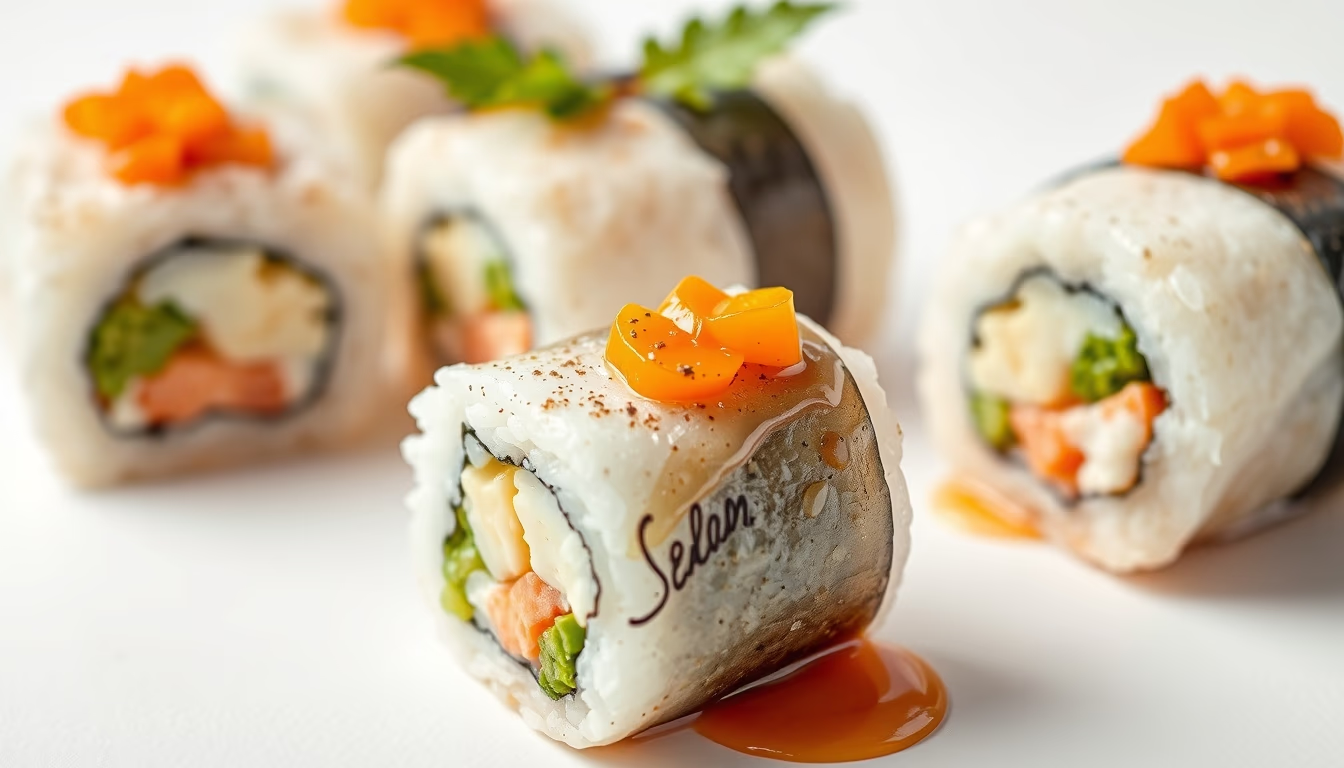
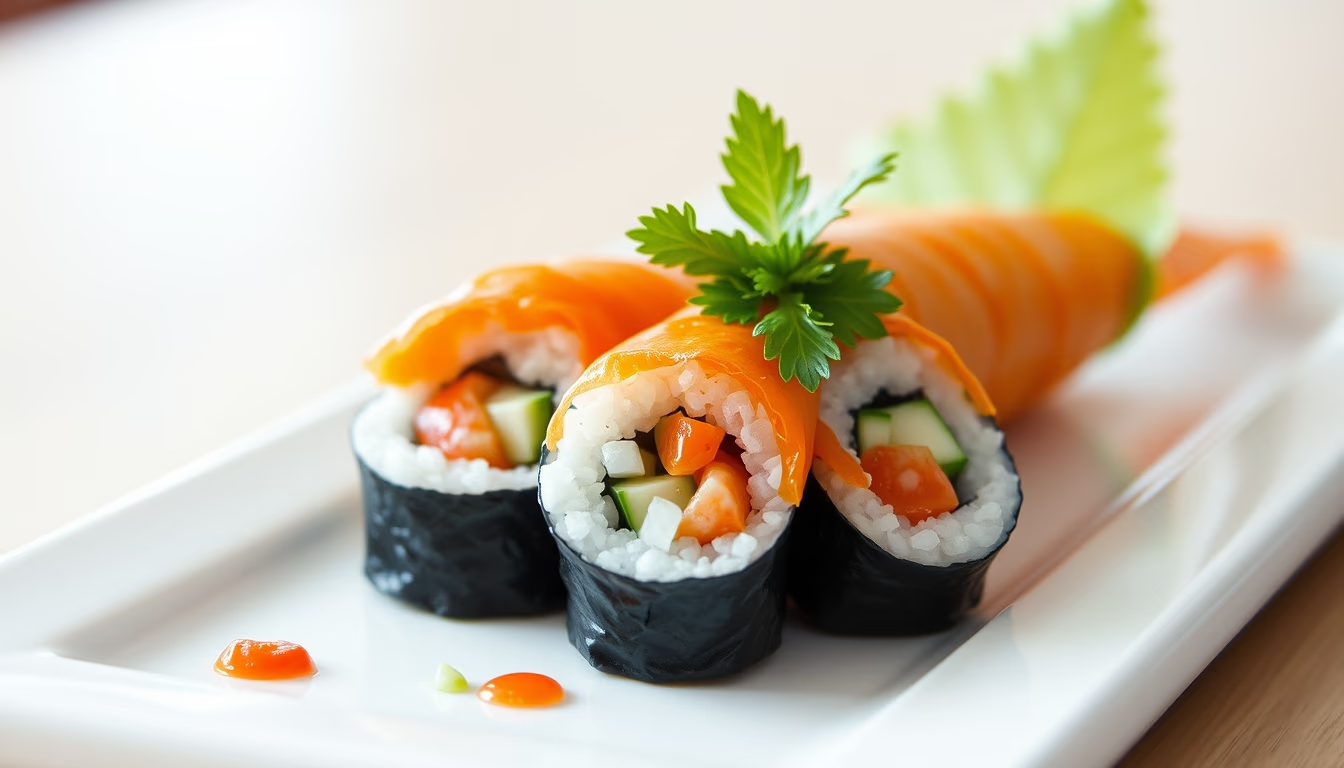
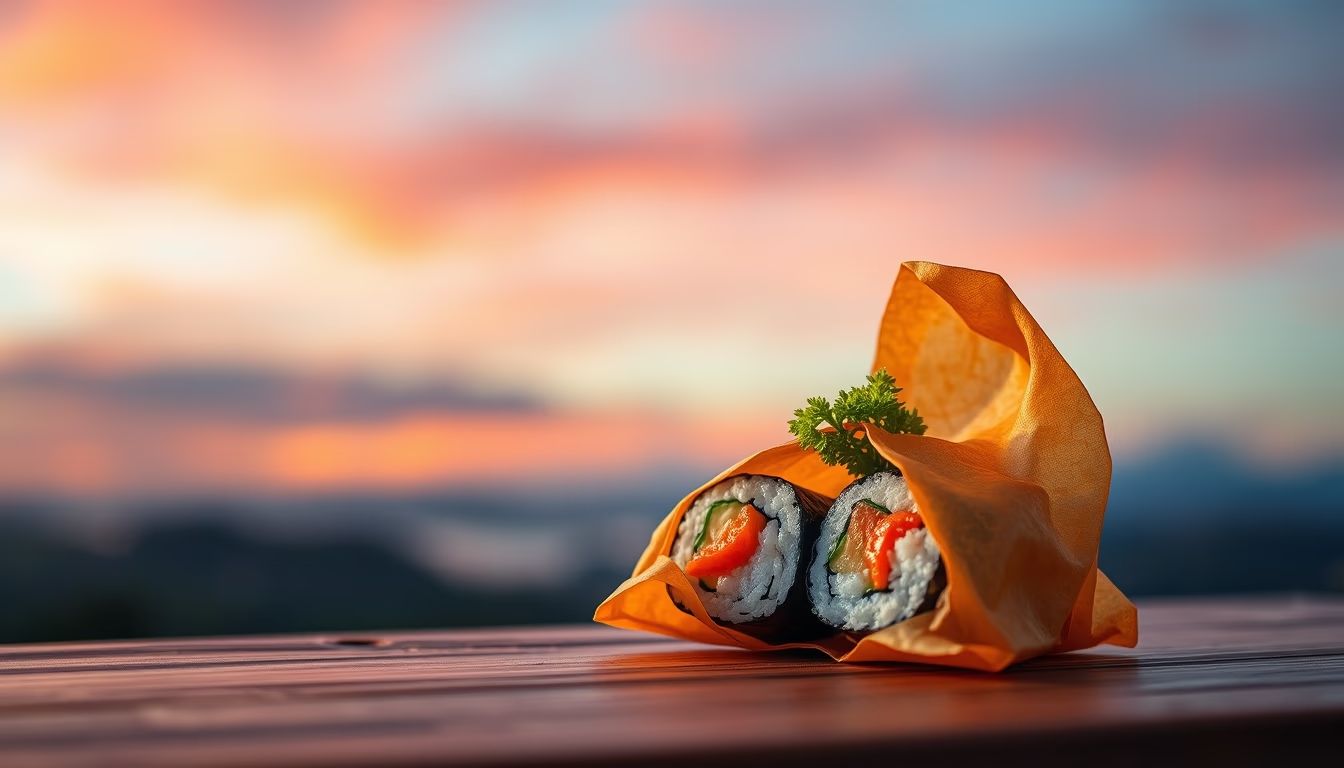
Maki rolls are sushi rolls made with rice and various fillings wrapped in nori seaweed, known for their vibrant colors and balanced flavors.
About this subject
Maki rolls are one of the most popular types of sushi, characterized by being rolled in a layer of nori seaweed with seasoned rice and fillings that can include raw fish, vegetables, cream cheese, and other ingredients. The word "maki" means "rolled" in Japanese, and these rolls are traditionally cut into bite-sized pieces, served with soy sauce, wasabi, and pickled ginger.
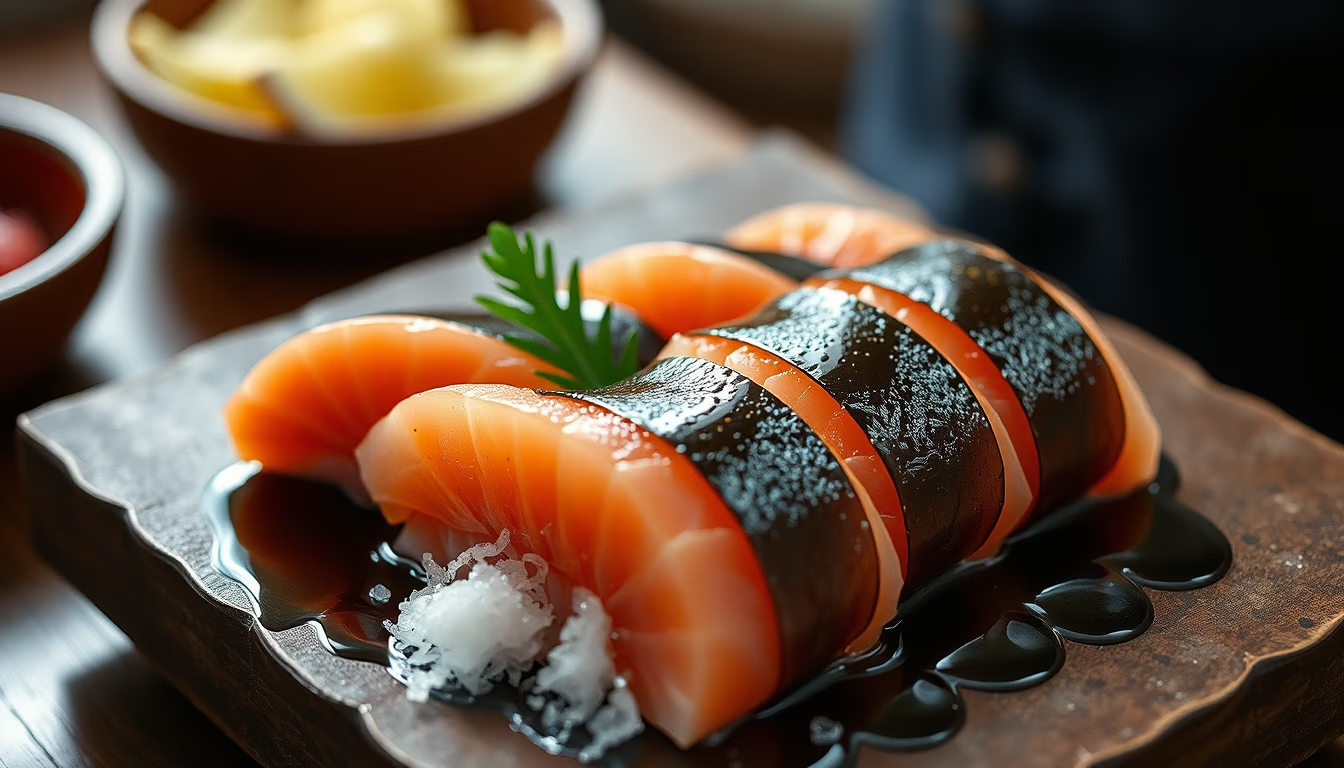
The varied coloring of maki rolls comes from the diversity of fillings and toppings. Ingredients like salmon (orange), tuna (red), avocado (green), cucumber (light green), and fish roe (orange or red) create an appetizing and attractive visual. Besides the traditional maki with seaweed on the outside, there are variations such as uramaki (rice on the outside) and temaki (seaweed cone). The global popularity of sushi, especially in the United States and Brazil, has led to adaptations like the California roll, which uses imitation crab, avocado, and cucumber.
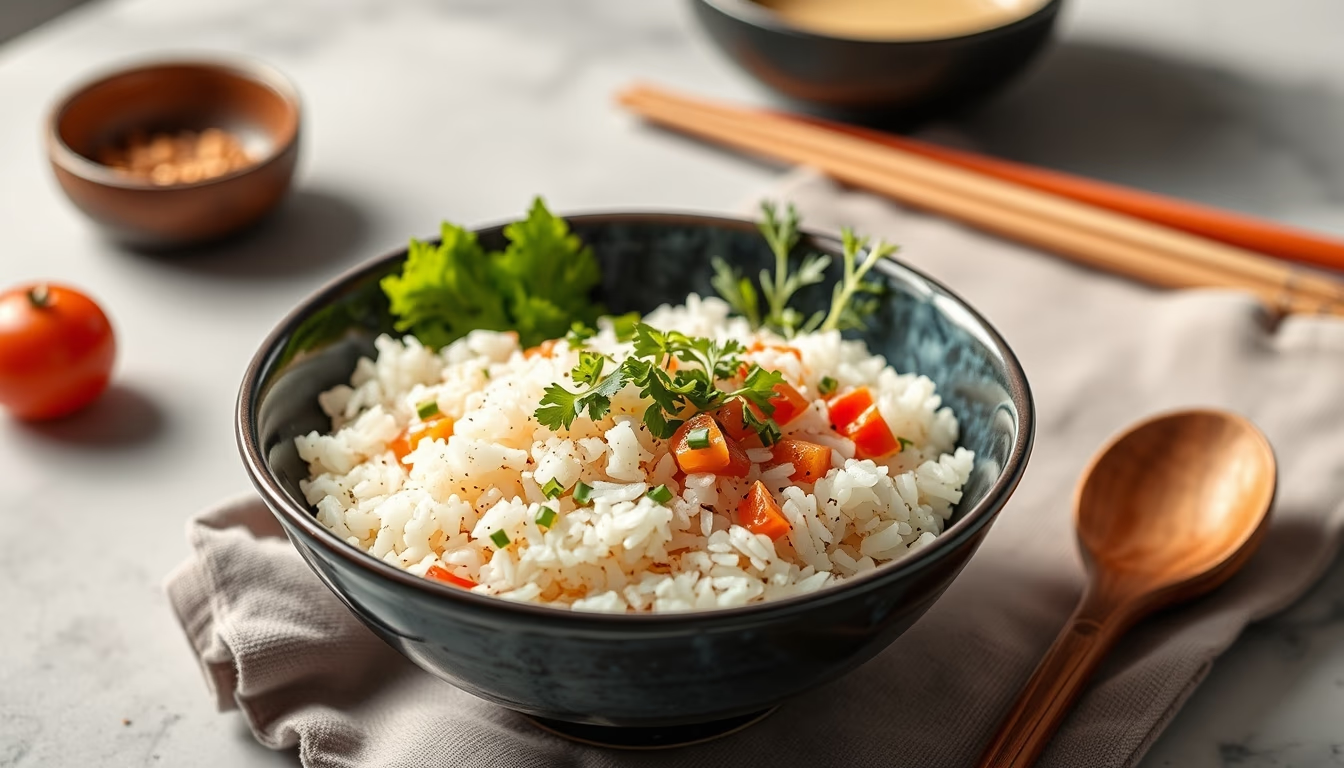
Preparing maki rolls requires skill: the rice must be cooked to the right consistency and seasoned with rice vinegar, sugar, and salt. The nori seaweed is lightly toasted for crispness. The fillings are arranged on the rice and the roll is tightened using a bamboo mat (makisu). Cutting must be done with a sharp, wet knife to prevent sticking. Interestingly, the modern maki roll was popularized in Japan in the 18th century, but the colorful version with many ingredients is a more recent innovation driven by fusion cuisine.
Frequently Asked Questions
What is the difference between maki, uramaki, and temaki?
Maki is the traditional roll with seaweed on the outside. Uramaki has rice on the outside and seaweed inside, like the California roll. Temaki is a seaweed cone filled with rice and ingredients, eaten by hand.
Are maki rolls healthy?
Yes, they are generally considered healthy because they contain fish rich in omega-3, vegetables, and rice. However, calorie content can increase with cream cheese, mayonnaise, or tempura.
Why are maki rolls so colorful?
The bright colors come from natural ingredients: salmon (orange), avocado (green), cucumber (light green), mango (yellow), and roe (orange/red). This makes the dish visually appealing and appetizing.
Direct URL
https://pub-c7d6a6ea828543ac903a74a341ccb2e1.r2.dev/imagens/maki-rolls-colorful-commercial-product-photography-fresh14.avifHow to credit
Include a visible link back to UtilizAí. Copy one of the snippets below:
<a href="https://xn--utiliza-eza.com/en/midia/imagens/maki-rolls-colorful-commercial-product-photography-fresh14">Maki rolls colorful</a> by <a href="https://xn--utiliza-eza.com">UtilizAí</a>, licensed under <a href="https://creativecommons.org/licenses/by/4.0/">CC BY 4.0</a>.
[Maki rolls colorful](https://xn--utiliza-eza.com/en/midia/imagens/maki-rolls-colorful-commercial-product-photography-fresh14) by [UtilizAí](https://xn--utiliza-eza.com), CC BY 4.0
License: CC-BY-4.0