Lock and key digital concept
1344×768 · AVIF · CC BY 4.0
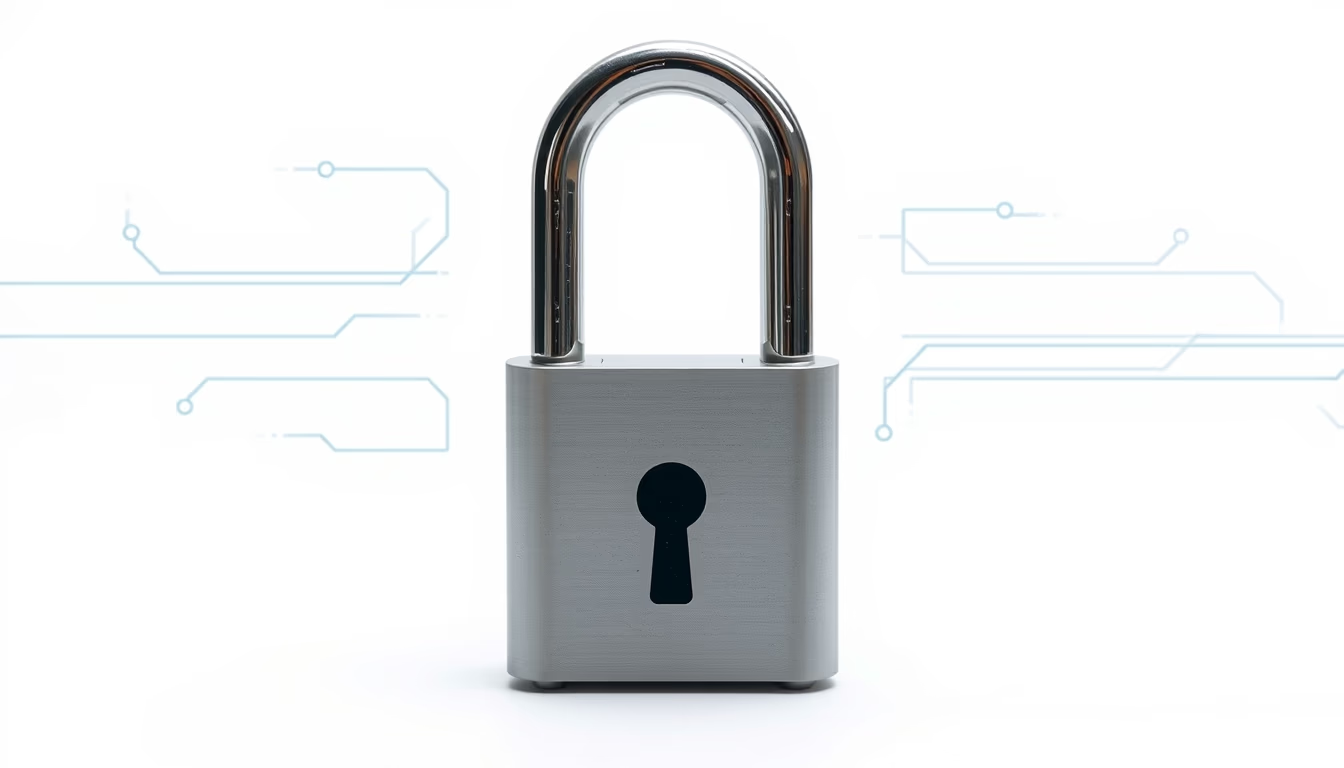
The digital lock concept combines encryption and cybersecurity to protect data and systems from unauthorized access.
About this subject
Modern cybersecurity is built on the principle of the digital lock, representing the application of cryptographic techniques to ensure data confidentiality and integrity. From early password systems to current public-key algorithms, the evolution of digital locking mechanisms keeps pace with emerging cyber threats. The most well-known model is the SSL/TLS protocol, which uses asymmetric keys to establish secure internet connections, visible in browsers via the padlock icon in the address bar.
In Brazil, the adoption of encryption solutions is regulated by the General Data Protection Law (LGPD), which requires technical measures to protect personal data. Companies across all sectors implement digital locks in their IT infrastructures, from firewalls to multi-factor authentication systems. The global cybersecurity market is projected to exceed $300 billion by 2026, driven by trends such as cloud computing and the Internet of Things.
A little-known fact: the concept of the "digital key" dates back to the 1970s, when Whitfield Diffie and Martin Hellman proposed public-key cryptography. This innovation solved the secure key exchange problem between parties who have never met, forming the basis for online banking transactions and end-to-end encrypted communications. Today, algorithms like RSA and ECC (Elliptic Curve Cryptography) are global standards.
The digital lock imagery also highlights the need for strong passwords and key management. Tools such as password managers and biometric authentication are practical extensions of this concept. For the average user, the digital lock represents trust when shopping online or accessing banking services, but requires awareness of phishing and social engineering, which can bypass technological barriers.
Frequently Asked Questions
What does the digital lock in browsers mean?
It indicates that the connection to the site is encrypted via HTTPS, protecting transmitted data from interception.
What is the difference between symmetric and asymmetric keys?
Symmetric key uses the same key for encryption and decryption; asymmetric uses a public and private key pair.
How can I create a strong digital lock for my data?
Use long and complex passwords, enable two-factor authentication, and manage credentials with a password manager.
Direct URL
https://pub-c7d6a6ea828543ac903a74a341ccb2e1.r2.dev/imagens/lock-and-key-digital-concept-commercial-product-photography-p0.avifHow to credit
Include a visible link back to UtilizAí. Copy one of the snippets below:
<a href="https://xn--utiliza-eza.com/en/midia/imagens/lock-and-key-digital-concept-commercial-product-photography-p0">Lock and key digital concept</a> by <a href="https://xn--utiliza-eza.com">UtilizAí</a>, licensed under <a href="https://creativecommons.org/licenses/by/4.0/">CC BY 4.0</a>.
[Lock and key digital concept](https://xn--utiliza-eza.com/en/midia/imagens/lock-and-key-digital-concept-commercial-product-photography-p0) by [UtilizAí](https://xn--utiliza-eza.com), CC BY 4.0
License: CC-BY-4.0