Live edge dining table
1344×768 · AVIF · CC BY 4.0
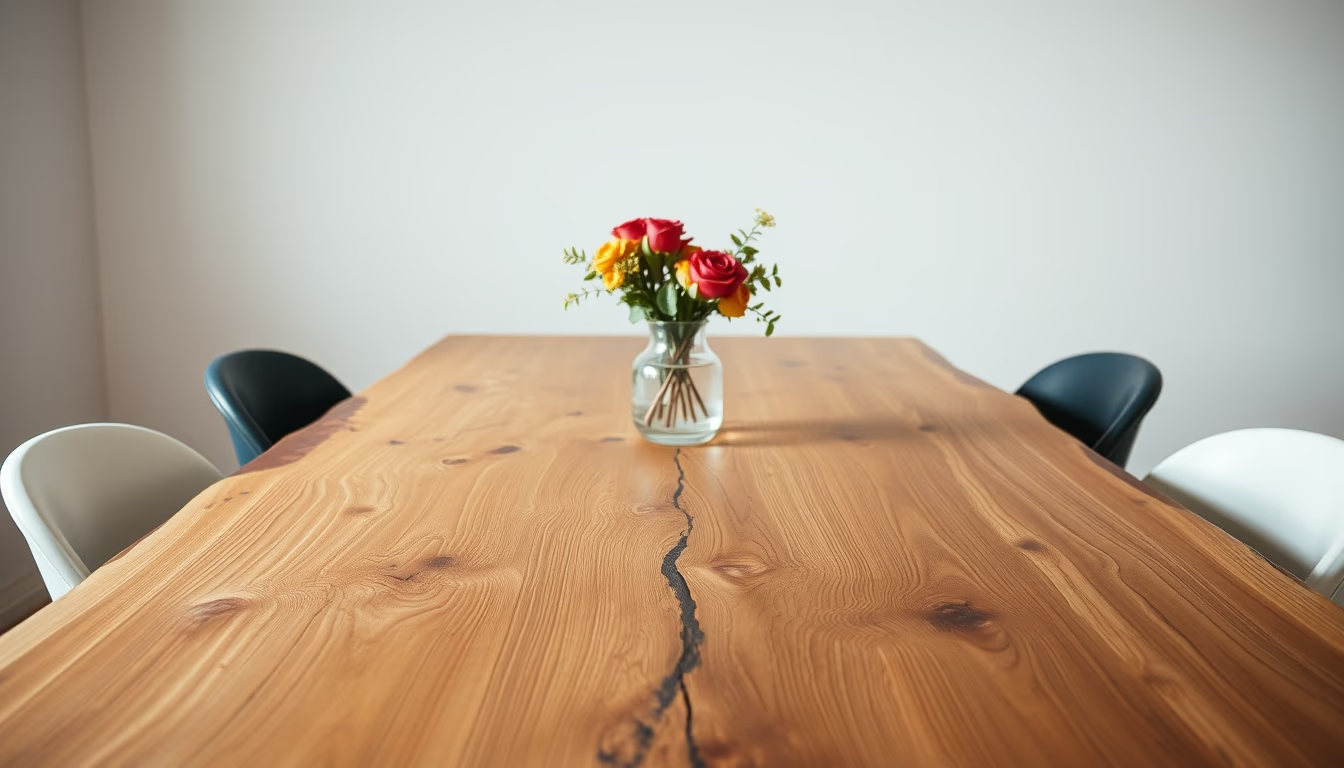
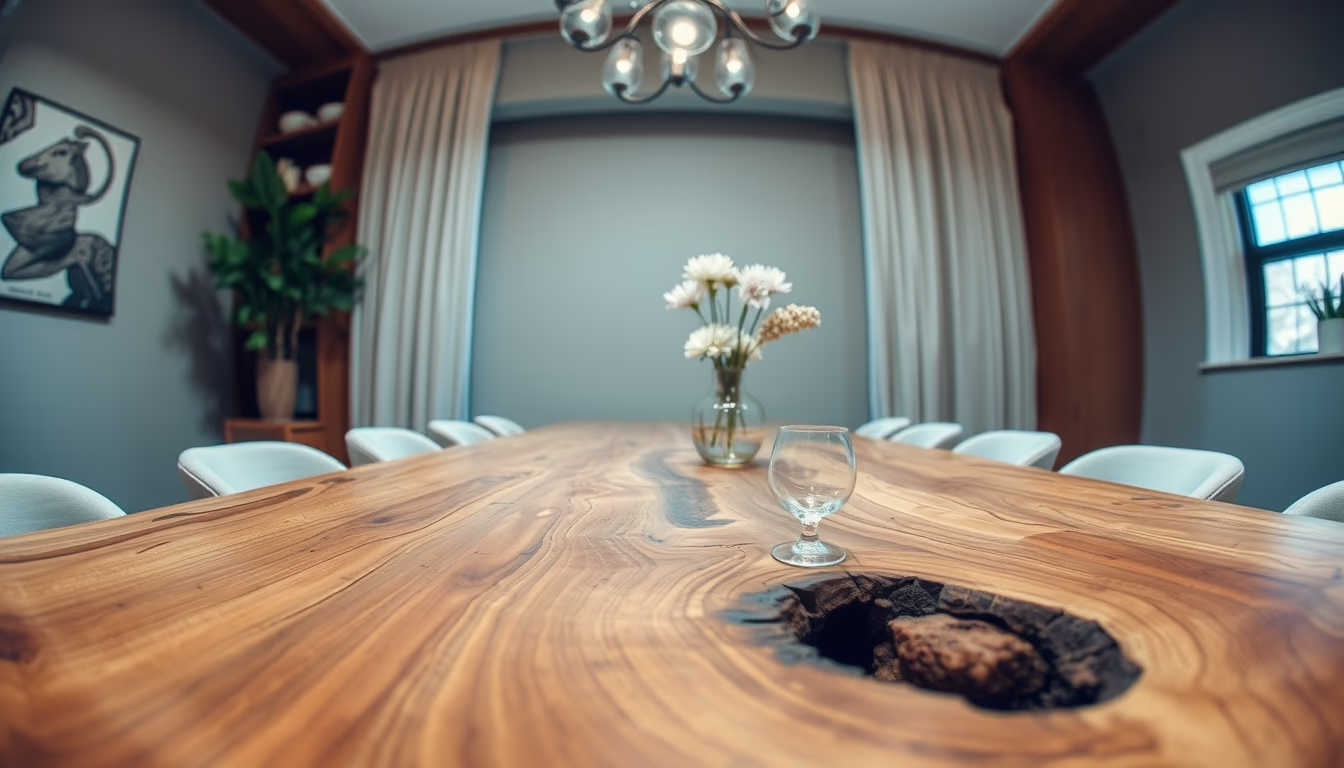
A live edge dining table showcases the natural contour of wood, blending rustic charm with contemporary design in one-of-a-kind pieces.
About this subject
A live edge dining table is a piece of furniture that retains the natural curves and irregularities of the tree trunk, avoiding straight cuts on the sides. This technique honors the tree’s original silhouette, highlighting branches, knots, and textures unique to each species. Originating from the Scandinavian and American modernist movements of the 1950s, the live edge gained traction along with organic design, which aimed to bring nature into domestic spaces. Today, it is one of the most sought-after styles in handmade furniture, especially in North America and Brazil, where species like black walnut, jatobá, freijó, and oak are commonly used.
Creating a live edge table requires careful selection of the log, typically over 2 inches thick, to ensure stability while preserving the natural edge. After cutting, the wood undergoes slow drying (six months to two years) to prevent cracking. Finishing involves oils, varnishes, or epoxy resins, which fill cracks and preserve the bark. The top can be supported by metal legs, wooden bases, or log-shaped pedestals. Every table is unique, as the edge pattern varies depending on the tree.
Fun fact: the term “live edge” emerged in the late 20th century with the handmade furniture movement, but the practice of using the natural wood edge dates back to rustic furniture from the 18th century. Today, these tables symbolize sustainability, since they utilize parts of the tree that would otherwise be discarded. The value of a live edge depends on the species, thickness, length, and complexity of the edge. Pieces with prominent knots or forks can cost between $5,000 and $30,000 in the Brazilian market, while imported American black walnut models can reach $15,000.
Frequently Asked Questions
What is a live edge dining table?
It is a table whose top retains the natural edges of the tree trunk, without straight cuts. This results in an organic and unique shape, highlighting the wood's original silhouette.
Which woods are most commonly used for live edge tables?
In Brazil, species like jatobá, freijó, cumaru, and walnut are common. Abroad, black walnut, oak, and mahogany stand out. The choice depends on color, hardness, and grain pattern.
How to maintain a live edge table?
Avoid direct sunlight and moisture. Clean with a dry or slightly damp cloth. Reapply oil or wax every six months to preserve shine and protect the wood. Do not use abrasive cleaners.
Direct URL
https://pub-c7d6a6ea828543ac903a74a341ccb2e1.r2.dev/imagens/live-edge-dining-table-studio-still-life-fresh14.avifHow to credit
Include a visible link back to UtilizAí. Copy one of the snippets below:
<a href="https://xn--utiliza-eza.com/en/midia/imagens/live-edge-dining-table-studio-still-life-fresh14">Live edge dining table</a> by <a href="https://xn--utiliza-eza.com">UtilizAí</a>, licensed under <a href="https://creativecommons.org/licenses/by/4.0/">CC BY 4.0</a>.
[Live edge dining table](https://xn--utiliza-eza.com/en/midia/imagens/live-edge-dining-table-studio-still-life-fresh14) by [UtilizAí](https://xn--utiliza-eza.com), CC BY 4.0
License: CC-BY-4.0