Live edge dining table
1344×768 · AVIF · CC BY 4.0
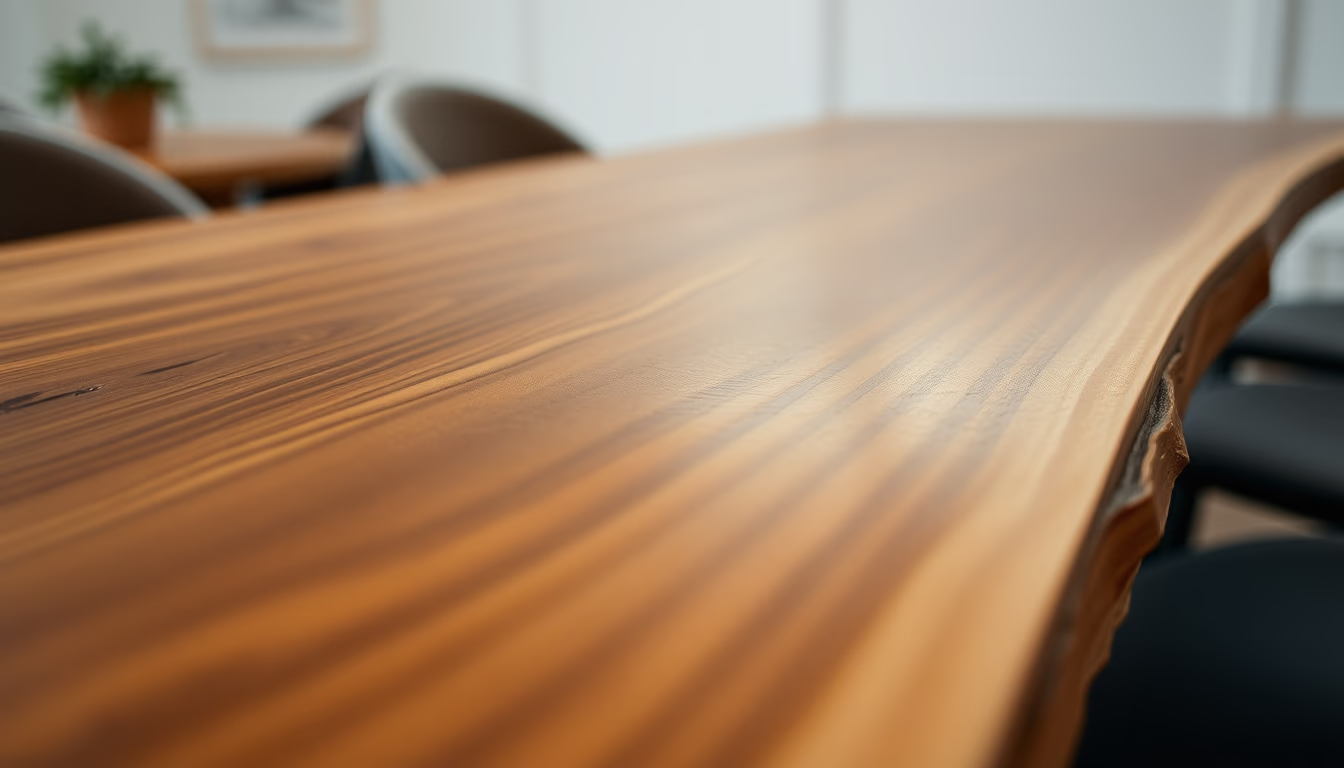
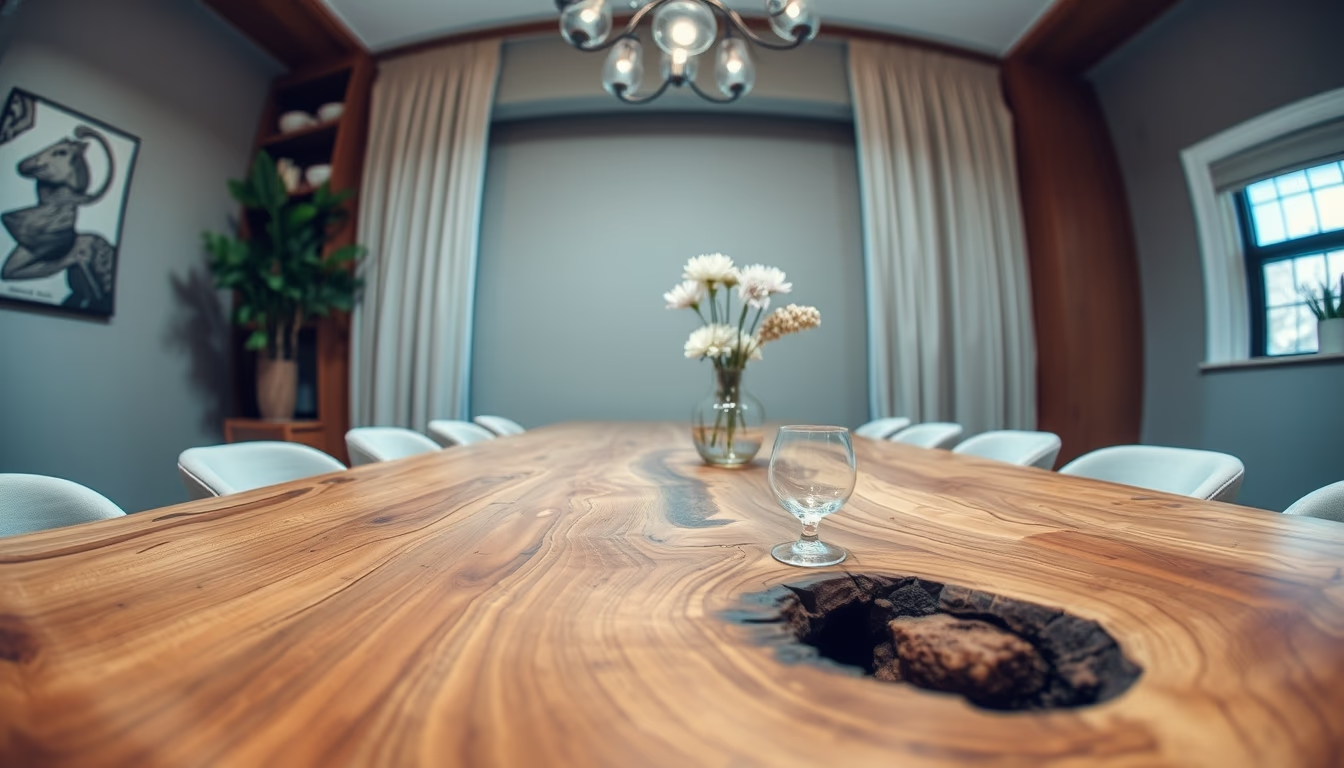
Live edge dining table: a striking piece of organic design that celebrates the natural form of wood, originating from the Arts & Crafts movement.
About this subject
The live edge dining table is a piece of furniture that preserves the natural contour of the log, keeping the bark or raw edge of the tree. This style emerged in the late 19th century, driven by the Arts and Crafts movement, which valued manual work and the beauty of natural materials against industrial production. Artisans like Gustav Stickley and later the Scandinavian design school popularized the aesthetic, which gained strength in contemporary design as a symbol of sustainability and connection to nature.
Traditionally, the most used woods are walnut, oak, mahogany, teak, and freijó, chosen for their durability and striking grain. The creation process requires skill to stabilize the wood, avoiding cracks and warping, and often includes filling fissures with colored epoxy resin, a technique that enhances rusticity without losing functionality. In Brazil, the use of species like ipê and cedar brings a tropical identity to the piece.
Beyond aesthetic appeal, the live edge table represents more conscious consumption: it uses parts of the tree that would be discarded, such as the sides of the trunk. Each piece is unique, as the shape depends on the tree of origin, how it was cut, and the finish applied. In decor, it pairs well with minimalist, industrial, or rustic interiors, serving as a focal point in the dining room. Care includes periodic application of oil or wax to protect the wood and prevent drying.
Frequently Asked Questions
What does 'live edge' mean in furniture?
Live edge is a style that keeps the natural, irregular shape of the wood, including the bark or side of the log, without squaring off the edges. This highlights the tree's unique design.
Which woods are most used for live edge tables?
The most common are walnut, oak, mahogany, teak, and in Brazil, ipê and cedar. The choice depends on durability, color, and grain pattern.
How to care for a live edge table?
Avoid direct sunlight and excessive humidity. Apply wood-specific oil or wax every six months to moisturize and protect. Use trivets for hot dishes and avoid liquid spills.
Direct URL
https://pub-c7d6a6ea828543ac903a74a341ccb2e1.r2.dev/imagens/live-edge-dining-table-macro-closeup-fresh4.avifHow to credit
Include a visible link back to UtilizAí. Copy one of the snippets below:
<a href="https://xn--utiliza-eza.com/en/midia/imagens/live-edge-dining-table-macro-closeup-fresh4">Live edge dining table</a> by <a href="https://xn--utiliza-eza.com">UtilizAí</a>, licensed under <a href="https://creativecommons.org/licenses/by/4.0/">CC BY 4.0</a>.
[Live edge dining table](https://xn--utiliza-eza.com/en/midia/imagens/live-edge-dining-table-macro-closeup-fresh4) by [UtilizAí](https://xn--utiliza-eza.com), CC BY 4.0
License: CC-BY-4.0