Lightbox tracing
1344×768 · AVIF · CC BY 4.0

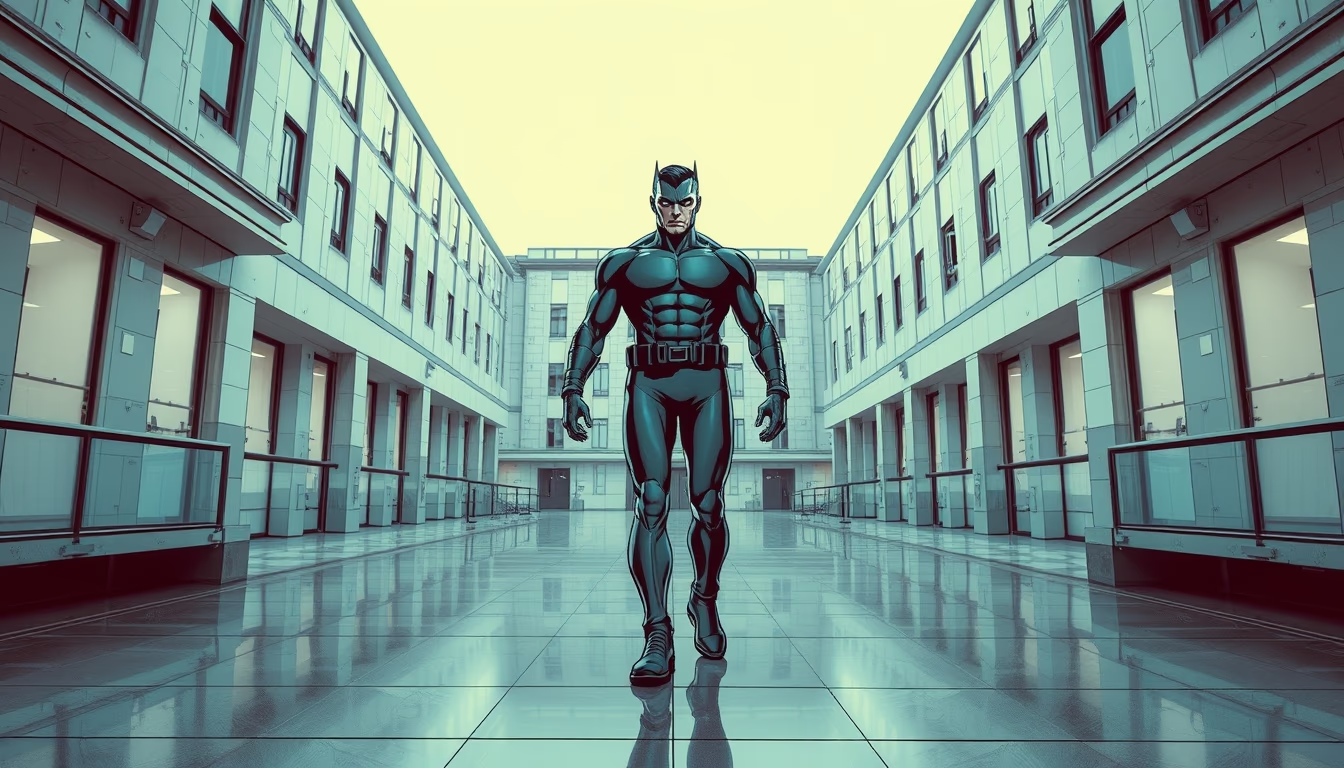
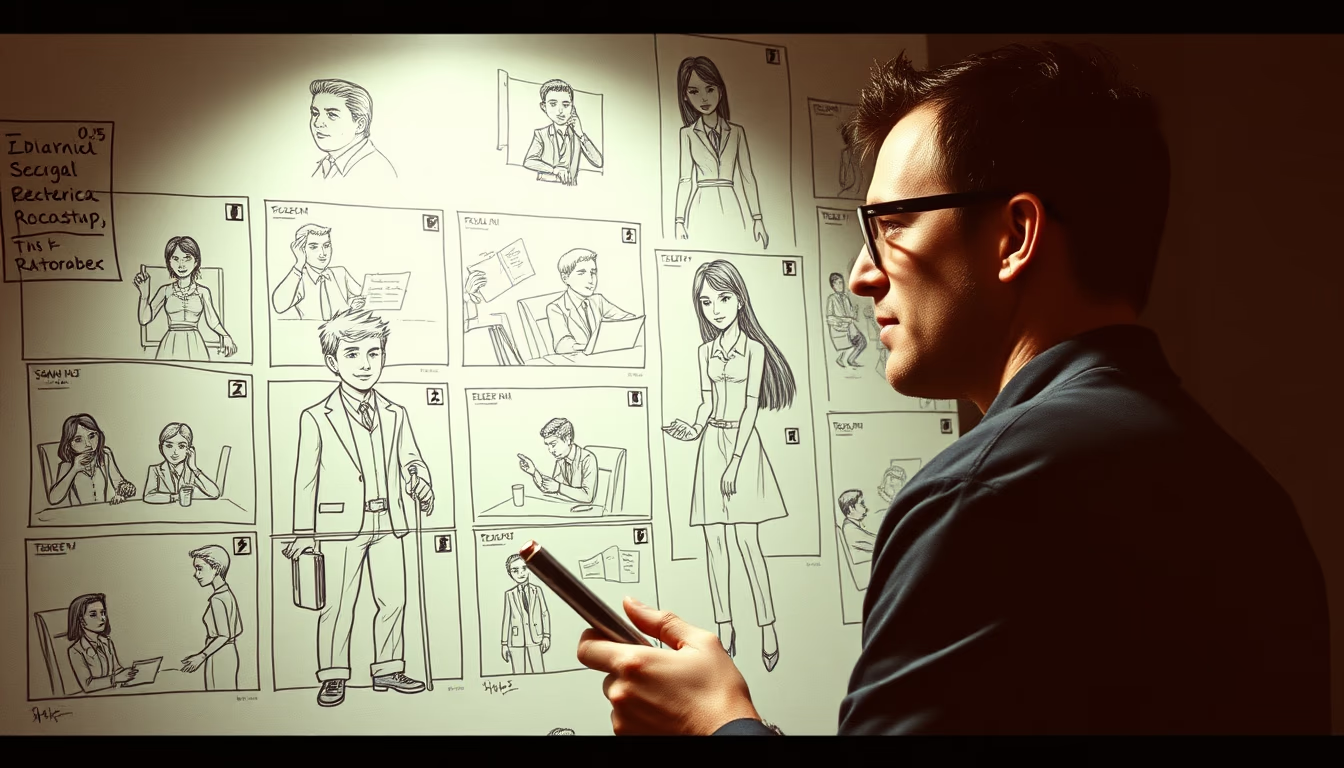
Lightbox tracing is an essential technique for comic artists and animators, enabling precise transfer of sketches to final paper.
About this subject
Lightbox tracing is a fundamental practice in sequential art, especially in comics and animation. A lightbox consists of a translucent surface illuminated from below, typically with LED or fluorescent lights, allowing the artist to see through multiple layers of paper. The technique originated in animation studios of the 1930s, such as Disney, where light tables were used to refine individual frames. Over time, it was adopted by illustrators, comic book artists, and designers.
The process is straightforward: the artist places a rough sketch on the lightbox, covers it with a clean sheet, and traces the desired lines. This enables corrections, adjustments to proportions and poses, and experimentation without damaging the original drawing. In comic production, lightbox tracing is commonly used for inking, replacing pencil lines with crisp black ink ready for digital or manual coloring. This ensures precision and consistency, especially in series with tight deadlines.
Renowned artists like Jim Lee, Fiona Staples, and Mike Mignola rely on lightboxes for detailed illustrations. The method also facilitates minimalist compositions by emphasizing essential lines and reducing visual clutter. In animation, lightboxes aid in creating keyframes and in-betweens, maintaining smooth motion. Modern variations include portable battery-operated lightboxes with adjustable brightness, as well as digital tablets that simulate the effect.
Although software such as Adobe Photoshop and Clip Studio Paint offer layer and transparency tools, many artists prefer the tactile feedback of a physical lightbox. It also serves as a teaching tool for beginners to master line control and build complex drawings. Thus, lightbox tracing remains relevant even in the digital age, blending tradition with efficiency.
Frequently Asked Questions
What is a lightbox and how does it work?
A lightbox is an illuminated box with a translucent surface that allows you to see through overlaid papers. It works using internal LED or fluorescent lights that shine upward, making it easy to trace sketches.
Why do comic artists use lightbox tracing?
They use it to transfer sketches to final paper with precision, correct proportions, and create clean inked lines. The technique saves time and helps maintain visual consistency across long series.
What are modern alternatives to traditional lightboxes?
Alternatives include digital drawing tablets (like iPad Pro with Procreate), layer-based software (Photoshop, Clip Studio Paint), and portable LED lightboxes. Each offers advantages such as portability or digital editing.
Direct URL
https://pub-c7d6a6ea828543ac903a74a341ccb2e1.r2.dev/imagens/lightbox-tracing-minimalist-composition-fresh9.avifHow to credit
Include a visible link back to UtilizAí. Copy one of the snippets below:
<a href="https://xn--utiliza-eza.com/en/midia/imagens/lightbox-tracing-minimalist-composition-fresh9">Lightbox tracing</a> by <a href="https://xn--utiliza-eza.com">UtilizAí</a>, licensed under <a href="https://creativecommons.org/licenses/by/4.0/">CC BY 4.0</a>.
[Lightbox tracing](https://xn--utiliza-eza.com/en/midia/imagens/lightbox-tracing-minimalist-composition-fresh9) by [UtilizAí](https://xn--utiliza-eza.com), CC BY 4.0
License: CC-BY-4.0