Lightbox tracing
1344×768 · AVIF · CC BY 4.0

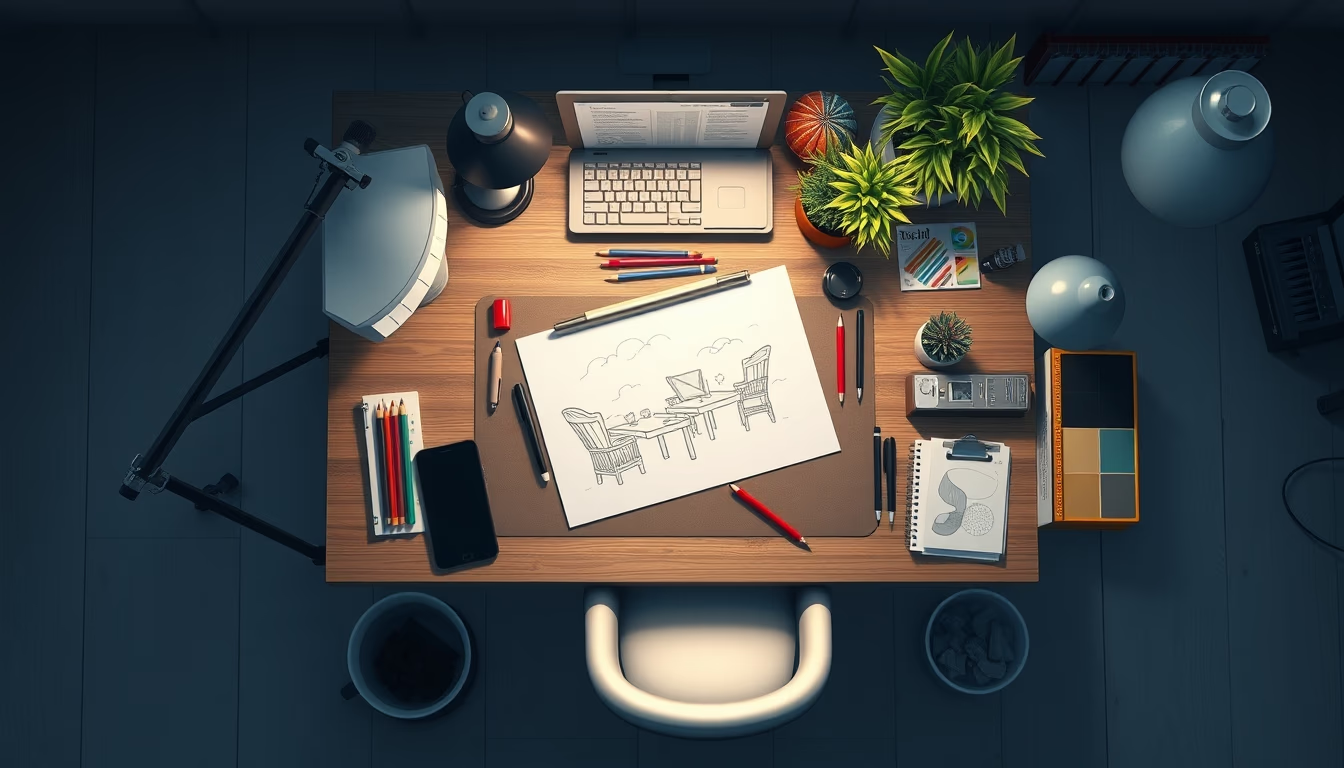
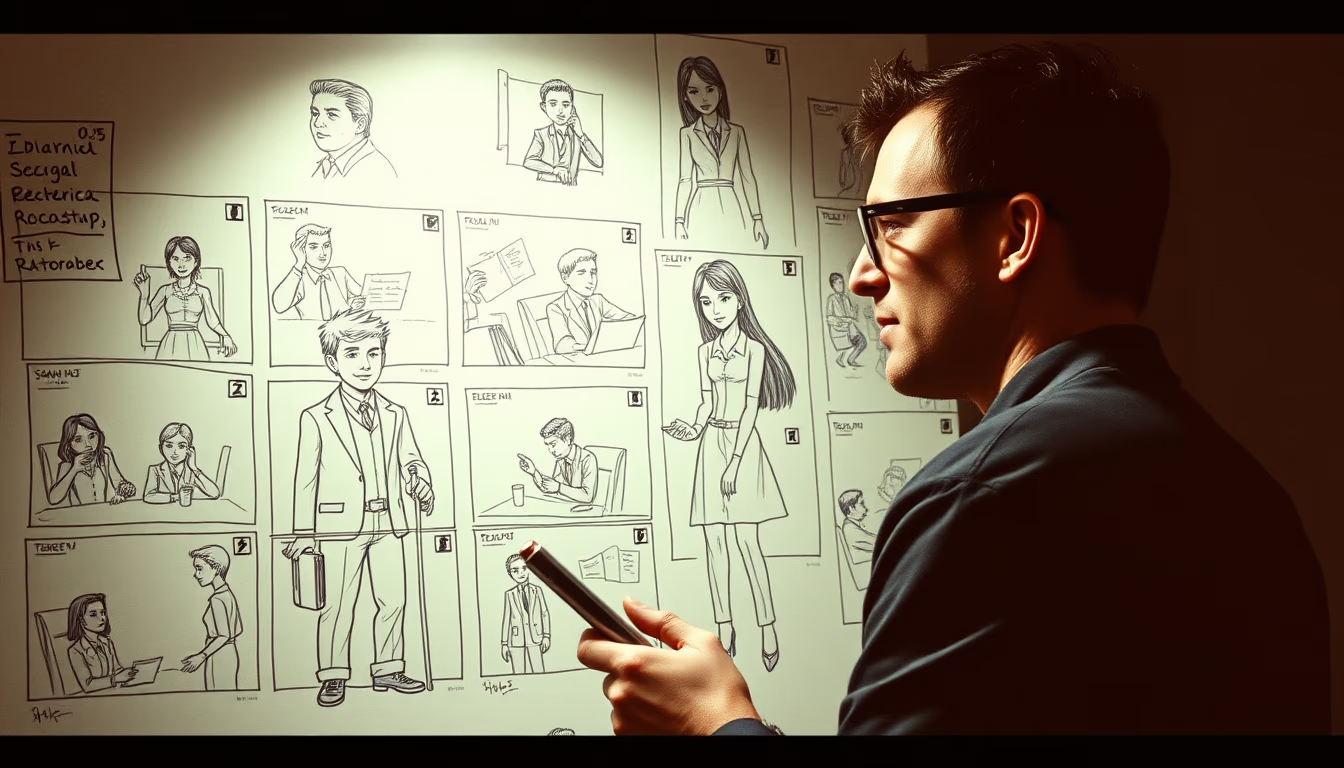
Lightbox tracing is a classic technique for transferring drawings used by comic and animation artists to refine lines manually.
About this subject
Lightbox tracing is a technique that uses a light box to transfer or refine drawings. It involves placing the original sketch on the illuminated surface and a blank sheet on top. The light makes the underlying lines visible, allowing the artist to copy or improve the strokes. This method was widely used in traditional animation, such as Disney films from the 1930s to the 1980s, and remains popular among comic artists and illustrators who prefer analog processes.
Historically, the lightbox was an essential tool in animation studios, where hundreds of frames needed consistent drawing. Artists like Hayao Miyazaki and masters of Franco-Belgian comics (Hergé, Moebius) used lightboxes to ensure line precision. With digital advancements, the lightbox was largely replaced by tablets and software like Adobe Flash or Toon Boom, but many artists still use it for aesthetic reasons or because they prefer working on paper.
Lightbox tracing is also known as a "light table" and can be homemade or purchased. Portable, slim models with LEDs have made the equipment affordable. At comic conventions and independent studios, it is common to see artists using lightboxes to speed up inking. The technique saves time without sacrificing handmade quality, exemplifying how simple tools can endure in the digital era.
Interestingly, even with digital dominance, the lightbox is still taught in illustration and animation courses as a fundamental training tool. It develops hand-eye coordination and understanding of line flow, skills that transfer to the digital medium. Moreover, lightboxes are used in calligraphy, fashion design, and tattooing, showcasing their versatility.
Frequently Asked Questions
How does a lightbox for drawing work?
A lightbox is a flat surface illuminated by LEDs or fluorescent lamps. The artist places the original drawing on the surface and a blank sheet on top. The light shines through the paper, making the lines visible so they can be copied or refined.
What is the difference between lightbox tracing and digitization?
Lightbox tracing is an analog method that uses physical light to transfer drawings on paper, while digitization uses scanners and tablets to convert the drawing into a digital file, allowing adjustments in software like Photoshop. Both have advantages: the lightbox offers tactile feedback and low cost, while digital allows quick edits and layers.
Is lightbox tracing still used by professionals?
Yes, many comic artists, animators, and illustrators still use lightboxes, especially for inking with India ink or pencil. It is valued for its simplicity and independence from batteries or software. In small and independent studios, it remains a common tool.
Direct URL
https://pub-c7d6a6ea828543ac903a74a341ccb2e1.r2.dev/imagens/lightbox-tracing-lo-fi-disposable-camera-fresh17.avifHow to credit
Include a visible link back to UtilizAí. Copy one of the snippets below:
<a href="https://xn--utiliza-eza.com/en/midia/imagens/lightbox-tracing-lo-fi-disposable-camera-fresh17">Lightbox tracing</a> by <a href="https://xn--utiliza-eza.com">UtilizAí</a>, licensed under <a href="https://creativecommons.org/licenses/by/4.0/">CC BY 4.0</a>.
[Lightbox tracing](https://xn--utiliza-eza.com/en/midia/imagens/lightbox-tracing-lo-fi-disposable-camera-fresh17) by [UtilizAí](https://xn--utiliza-eza.com), CC BY 4.0
License: CC-BY-4.0