Lightbox tracing
1344×768 · AVIF · CC BY 4.0
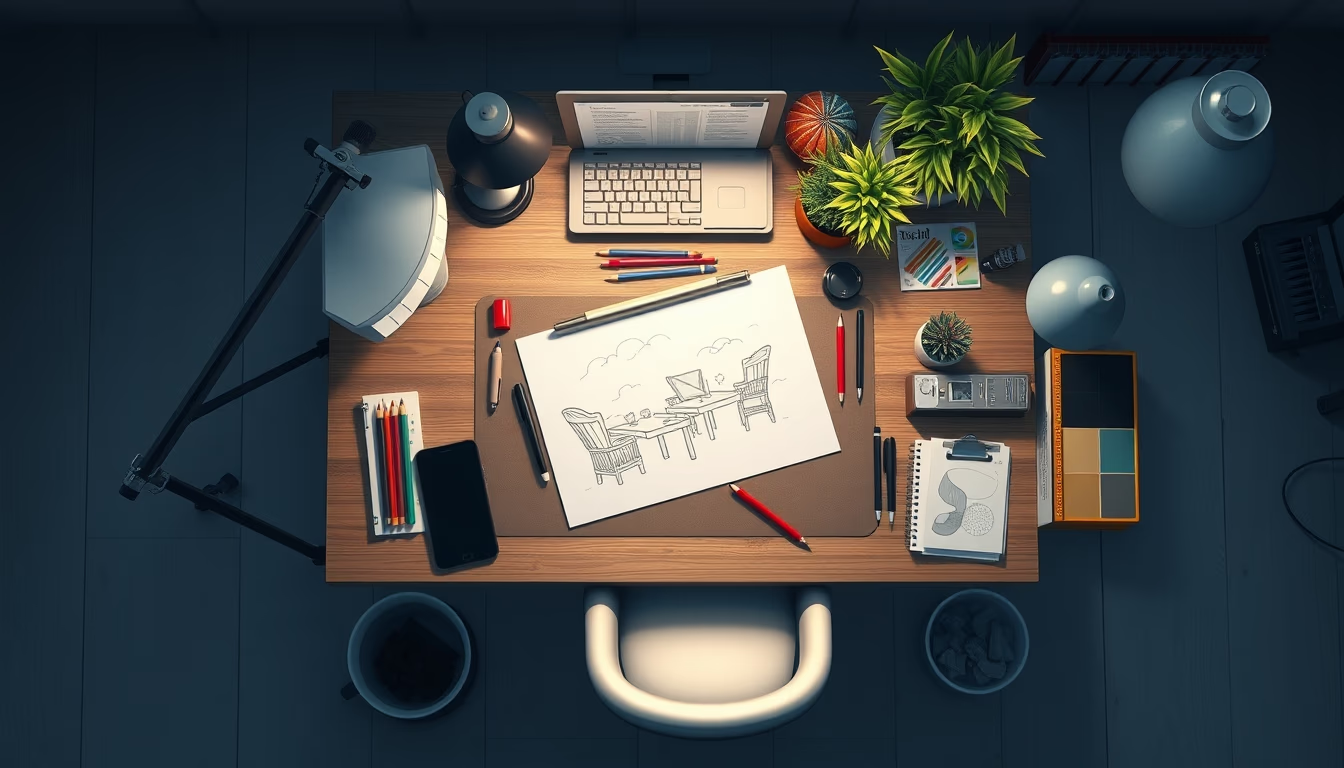
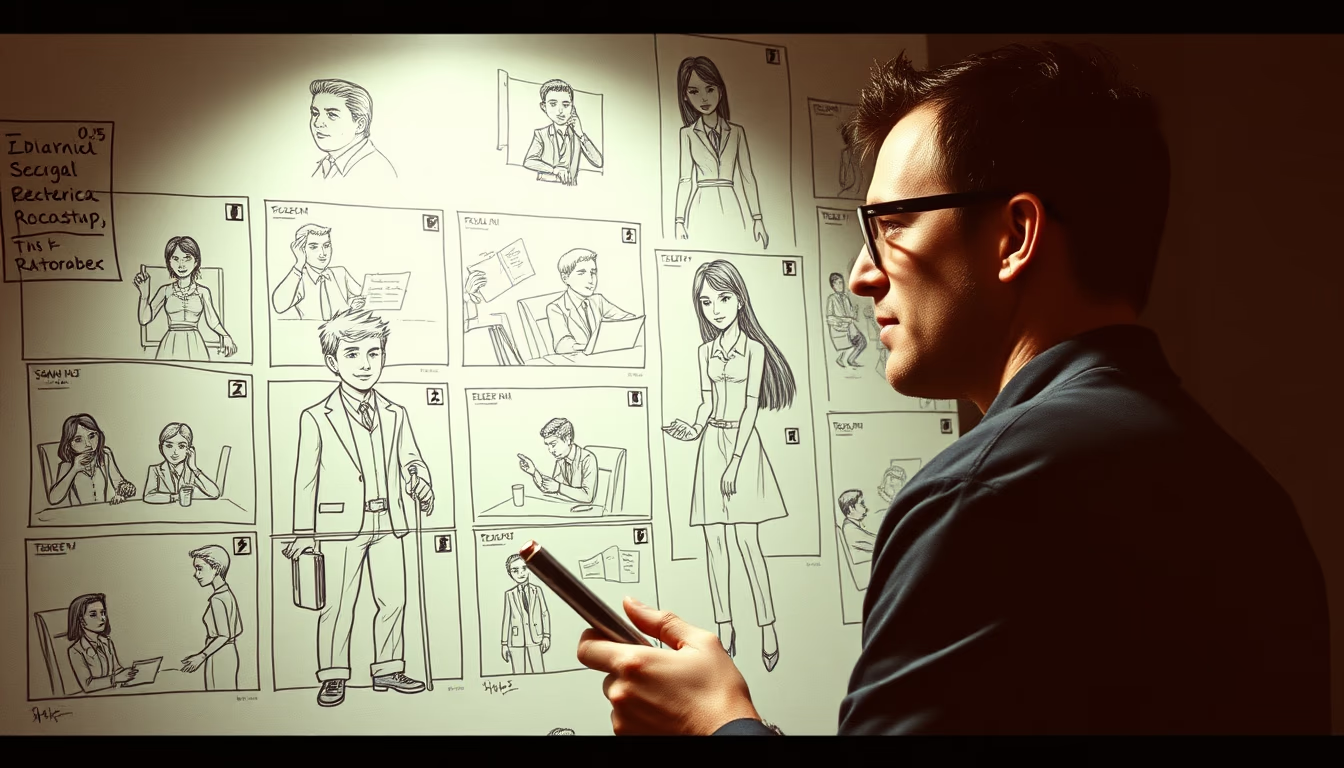
Lightbox tracing is an artistic technique that uses a backlit surface to transfer or refine drawings, widely adopted in animation, comics, and graphic design.
About this subject
Lightbox tracing is a technique where a drawing is placed on a backlit surface, allowing the artist to see the lines through a blank sheet placed on top. This method is crucial in traditional animation, where hundreds of frames must maintain visual consistency. Studios like Disney and Studio Ghibli used light tables for rotoscoping, aligning intermediate poses between keyframes.
The origins of lightboxes date back to the 19th century, when artists used glass windows or candle-lit boxes for calligraphy and precise drawing. With electrification, they evolved into devices with fluorescent or LED lamps. Today, digital artists simulate lightbox features in software such as Adobe Animate, Clip Studio Paint, and Procreate, preserving the essence of the technique even in fully digital workflows.
Culturally, the lightbox symbolizes discipline and refinement. In art schools, students often trace master drawings to understand proportion and anatomy. In the animation industry, the lightbox prevents character "boiling", the unwanted line oscillation between frames. Comic artists also use lightboxes to transfer rough sketches to final paper, achieving clean lines without losing the spontaneity of the original drawing.
Interestingly, modern lightboxes are not always physical; apps turn tablets and phones into makeshift light tables, enabling anyone to practice assisted tracing anywhere. The technique bridges analog and digital creative processes, remaining relevant in both handicraft and digital art.
Frequently Asked Questions
How does a lightbox for tracing work?
A lightbox has a translucent surface lit by bulbs or LEDs. The artist places the original drawing under a blank sheet, and the light shines through, making the lines visible for copying or refining.
Is lightbox tracing considered cheating in art?
No, it is a legitimate tool used professionally to save time and ensure accuracy. Many renowned artists, including animators and comic creators, use assisted tracing as part of their creative process, especially to maintain consistency in series of drawings.
What is the difference between lightbox tracing and rotoscoping?
Rotoscoping is a specific animation technique where live-action footage frames are projected onto a light table and traced to create realistic movement. Lightbox tracing is more general; it can be used for any type of copying or refining of drawings, not just animation.
Direct URL
https://pub-c7d6a6ea828543ac903a74a341ccb2e1.r2.dev/imagens/lightbox-tracing-cinematic-wide-shot-fresh5.avifHow to credit
Include a visible link back to UtilizAí. Copy one of the snippets below:
<a href="https://xn--utiliza-eza.com/en/midia/imagens/lightbox-tracing-cinematic-wide-shot-fresh5">Lightbox tracing</a> by <a href="https://xn--utiliza-eza.com">UtilizAí</a>, licensed under <a href="https://creativecommons.org/licenses/by/4.0/">CC BY 4.0</a>.
[Lightbox tracing](https://xn--utiliza-eza.com/en/midia/imagens/lightbox-tracing-cinematic-wide-shot-fresh5) by [UtilizAí](https://xn--utiliza-eza.com), CC BY 4.0
License: CC-BY-4.0