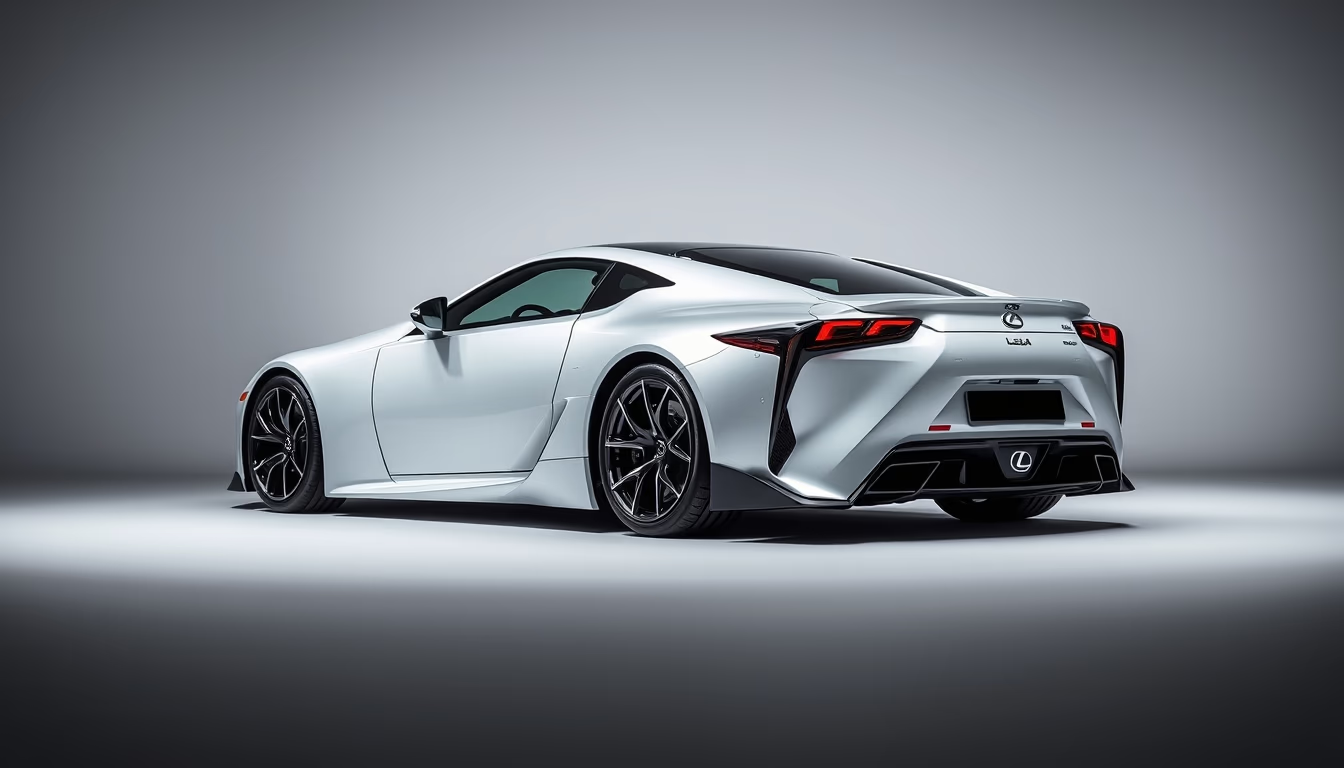
Lexus lfa carbon
1344×768 · AVIF · CC BY 4.0
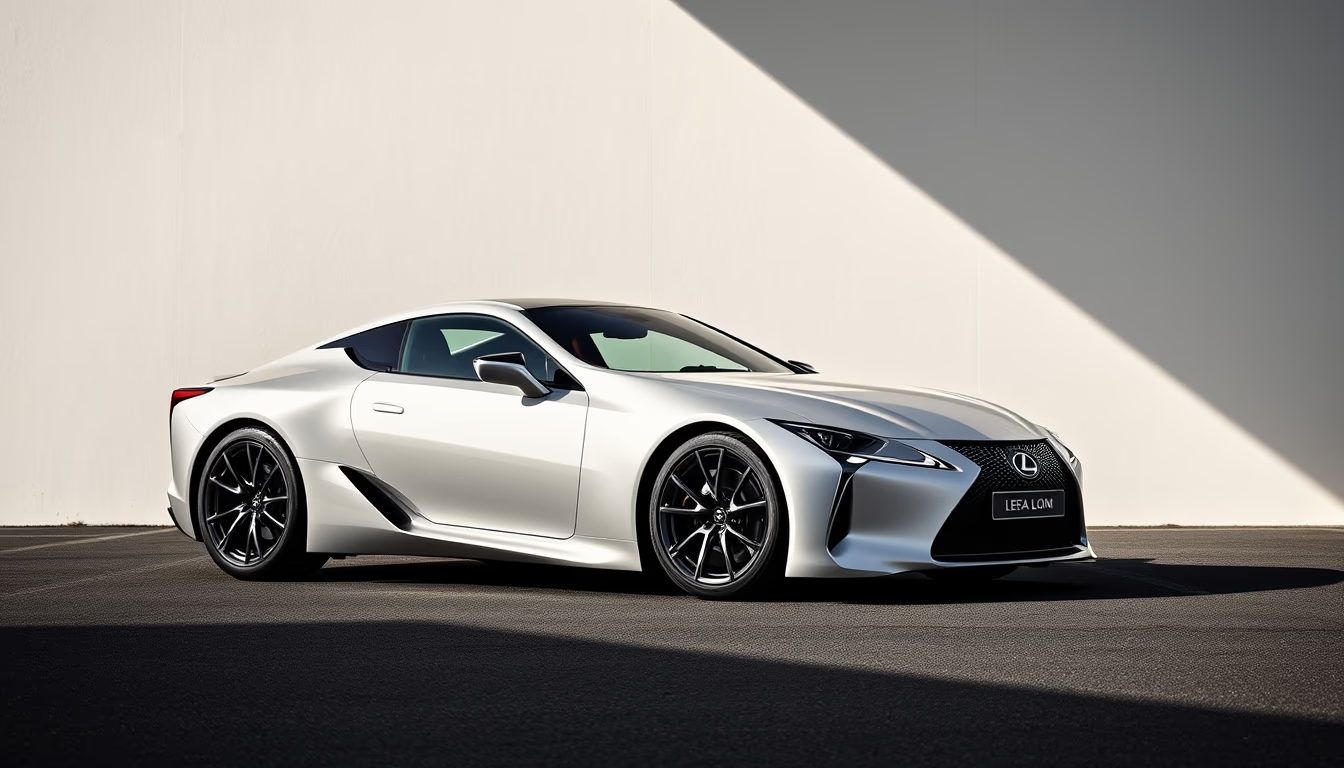
The Lexus LFA is a limited-production supercar that combines a 560 hp V10 engine with a carbon fiber body.
About this subject
The Lexus LFA is a landmark in automotive history, representing the pinnacle of Lexus engineering. Produced between 2010 and 2012 in only 500 units, the LFA was the brand's first car to use a carbon fiber monocoque, a material that drastically reduces weight and increases structural rigidity. This technological choice allowed the LFA to weigh just 1,480 kg, while its 4.8-liter V10 engine, derived from Toyota's Formula 1 engines, delivered 560 horsepower and revved to 9,000 rpm. The combination resulted in a 0-60 mph time of 3.6 seconds and a top speed of 202 mph.
The LFA's engine is not only powerful but also sonorous. Yamaha, famous for its musical instruments, was hired to tune the exhaust, resulting in a metallic, high-pitched roar that became a signature of the model. This artisanal care extended to the interior, with seats covered in leather and Alcantara, and an infotainment system that now seems dated but was cutting-edge at the time. Each LFA was hand-assembled at the Motomachi plant in Japan, the same facility where Toyota's luxury models are built.
The limited production and high cost, which reached $375,000 at the time, turned the LFA into a collector's dream. In global markets, it remains a rare sight, especially in countries like Brazil where import taxes are steep. Despite its rarity, the LFA is remembered as one of the greatest Japanese supercars ever made. Its legacy influenced later models like the Lexus LC 500 and cemented the brand's ability to compete with Ferrari and Lamborghini.
Today, resale values for the LFA have skyrocketed, with well-preserved examples fetching over $1 million at auctions. The carbon fiber not only made it lightweight but also ensured exclusivity: the manufacturing process was slow and expensive, with each monocoque taking weeks to cure in an autoclave. This type of construction, now common in hypercars, was pioneered by the LFA.
Frequently Asked Questions
How many Lexus LFAs were produced?
Only 500 units of the Lexus LFA were produced between 2010 and 2012, all hand-assembled in Japan. This limited production contributes to its high resale value today.
What makes the Lexus LFA's engine special?
The 4.8-liter V10 engine was developed in partnership with Yamaha, reaching 9,000 rpm and delivering 560 hp. Its high-pitched, metallic sound is iconic, thanks to Yamaha's exhaust tuning.
Why is the Lexus LFA so expensive?
The high cost stems from extensive use of carbon fiber, a 10-year development process, and handcrafted assembly. Today, rarity and collector demand push prices to over $1 million.
Direct URL
https://pub-c7d6a6ea828543ac903a74a341ccb2e1.r2.dev/imagens/lexus-lfa-carbon-minimalist-composition-fresh9.avifHow to credit
Include a visible link back to UtilizAí. Copy one of the snippets below:
<a href="https://xn--utiliza-eza.com/en/midia/imagens/lexus-lfa-carbon-minimalist-composition-fresh9">Lexus lfa carbon</a> by <a href="https://xn--utiliza-eza.com">UtilizAí</a>, licensed under <a href="https://creativecommons.org/licenses/by/4.0/">CC BY 4.0</a>.
[Lexus lfa carbon](https://xn--utiliza-eza.com/en/midia/imagens/lexus-lfa-carbon-minimalist-composition-fresh9) by [UtilizAí](https://xn--utiliza-eza.com), CC BY 4.0
License: CC-BY-4.0