Level wooden brass
1344×768 · AVIF · CC BY 4.0
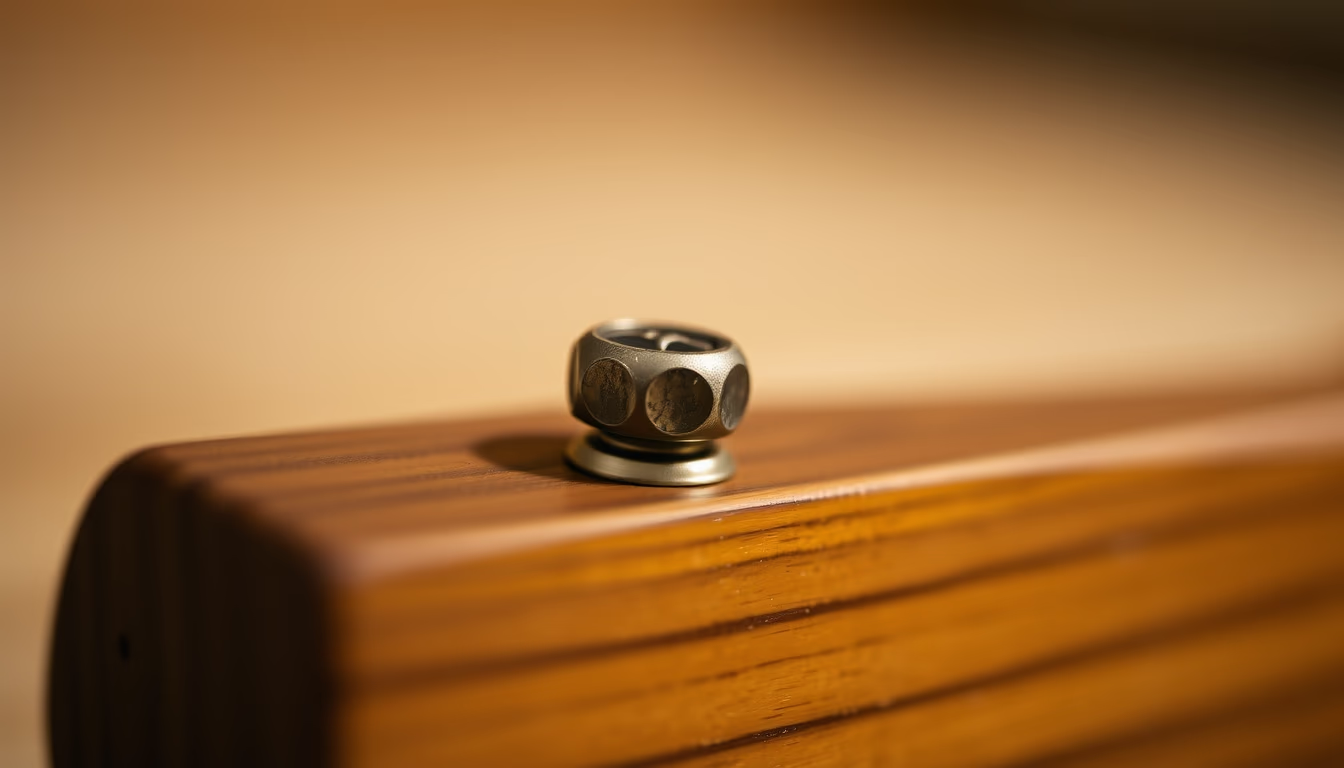
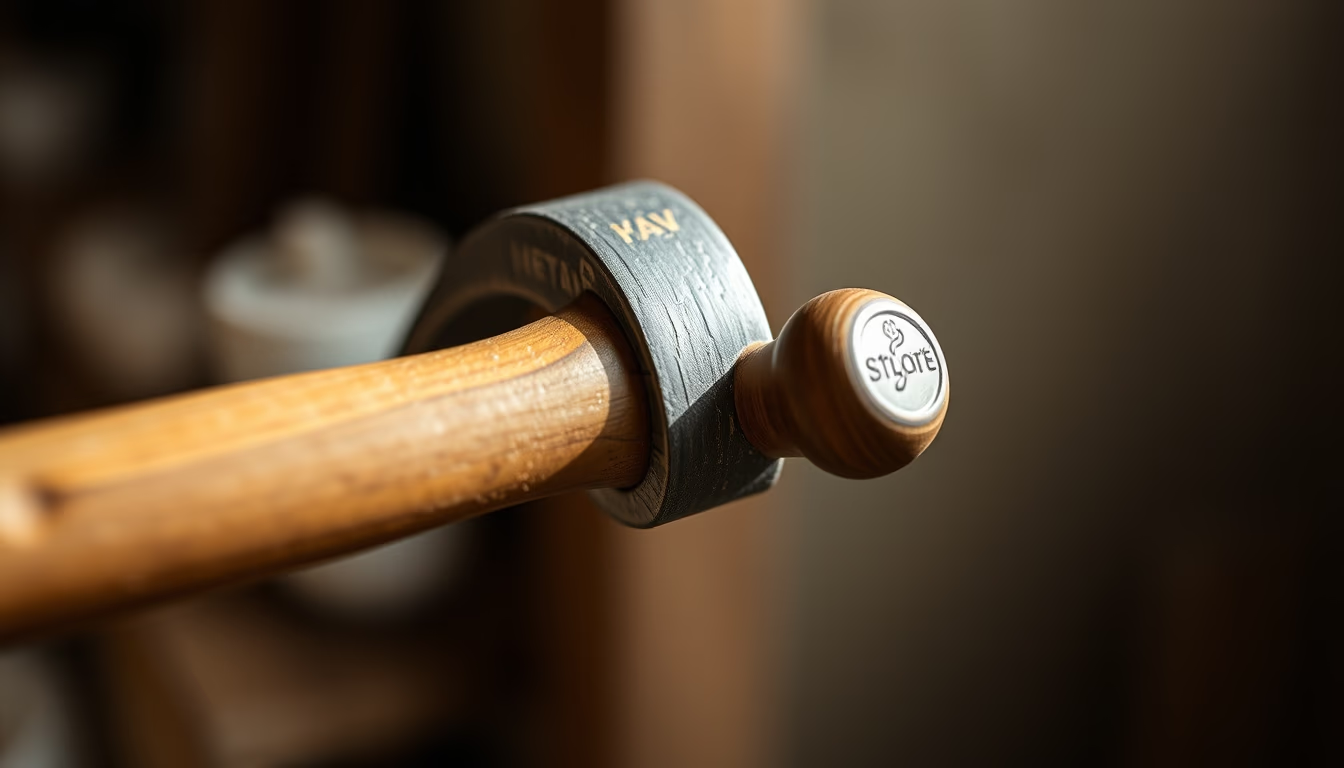
A wooden level with brass fittings, an antique precision tool used in construction and woodworking, valued by collectors.
About this subject
The wood and brass level is a classic measuring tool, widely used before the popularization of modern aluminum or plastic levels. Its solid wood frame, often made of rosewood or oak, provided thermal stability and durability, while brass fittings protected the ends and secured the glass vials containing the liquid and air bubble. These instruments were essential for laying floors, aligning walls, and leveling furniture, found in the toolboxes of carpenters and masons from the 19th and early 20th centuries.
The glass vials were often encased in polished brass, with engraved scales allowing measurement of deviations at various angles. More elaborate models featured three vials: one horizontal, one vertical, and one inclined, enabling checks of squares and slopes. Accuracy depended on the quality of the glass and the liquid, often alcohol or ether, to prevent freezing. Renowned brands such as Stanley, Rabone, and Lufkin produced wood and brass versions that are now collectible items.
With the advent of laser and digital levels, wooden levels fell out of professional use but remain popular among restorers and vintage tool enthusiasts. Their rustic aesthetic and handcrafted finish make them decorative and functional objects. A well-preserved original level can be worth hundreds of dollars, especially if it still contains the original vials and intact bubble. The patina of the brass and signs of use are valued by collectors.
Fun fact: the spirit level was patented in 1770 by Spanish scientist Antonio de Ulloa, but the wood and brass body version became established in the 19th century with industrialization. Today, replicas are made for decoration, but antique ones offer a piece of construction history.
Frequently Asked Questions
How to identify an original antique wood and brass level?
Check for manufacturer marks, such as Stanley or Rabone, engraved on the brass or wood. The glass vials should be original, with a functional bubble and liquid without evaporation. The wood usually shows signs of aging and the brass patina is uniform.
What is the purpose of brass fittings on a wooden level?
Brass fittings protect the wood ends from impact and secure the glass vials. They also allow fine adjustments to the vial position for calibrating the level.
Can a wood and brass level still be used professionally?
Yes, if calibrated and in good condition, but it does not offer the same precision as modern laser levels. It is more suitable for restoration work or as a functional decorative piece.
Direct URL
https://pub-c7d6a6ea828543ac903a74a341ccb2e1.r2.dev/imagens/level-wooden-brass-macro-closeup-fresh0.avifHow to credit
Include a visible link back to UtilizAí. Copy one of the snippets below:
<a href="https://xn--utiliza-eza.com/en/midia/imagens/level-wooden-brass-macro-closeup-fresh0">Level wooden brass</a> by <a href="https://xn--utiliza-eza.com">UtilizAí</a>, licensed under <a href="https://creativecommons.org/licenses/by/4.0/">CC BY 4.0</a>.
[Level wooden brass](https://xn--utiliza-eza.com/en/midia/imagens/level-wooden-brass-macro-closeup-fresh0) by [UtilizAí](https://xn--utiliza-eza.com), CC BY 4.0
License: CC-BY-4.0