Leather workshop knives
1344×768 · AVIF · CC BY 4.0
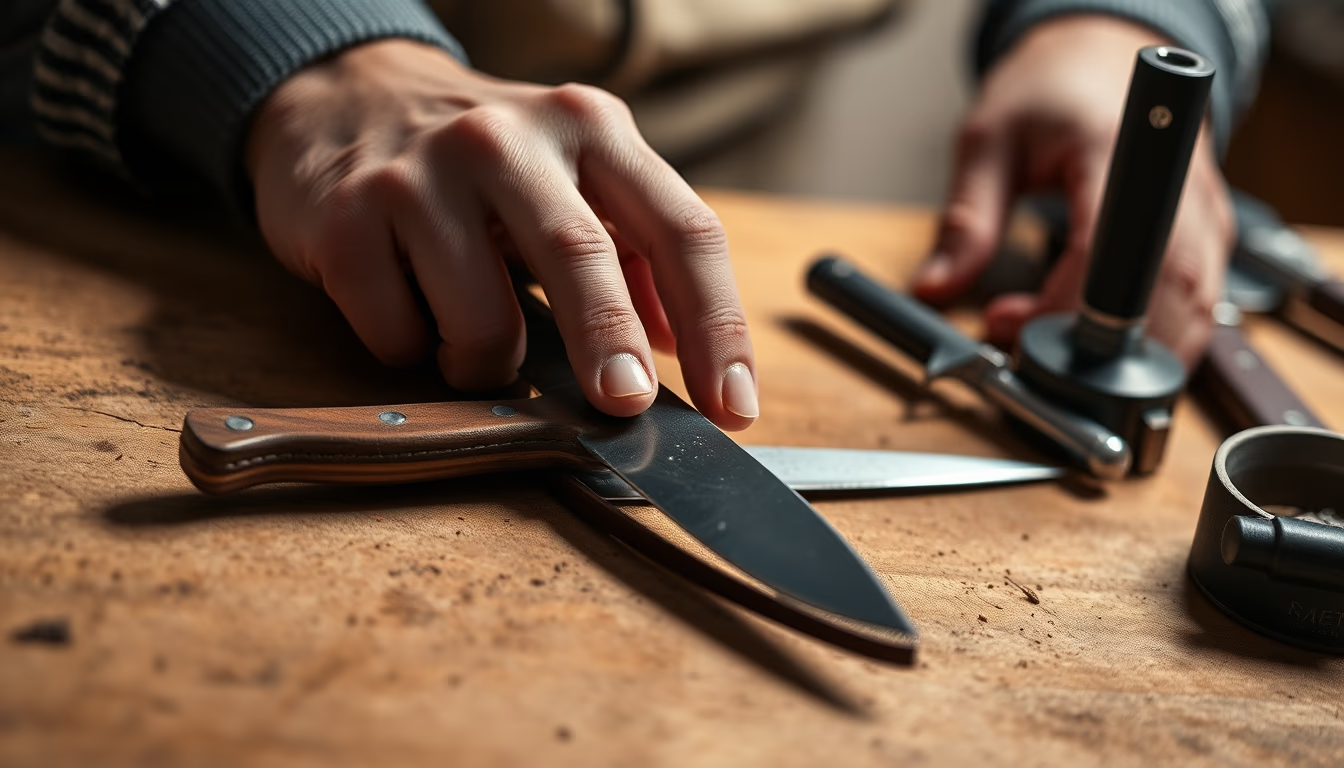
Leather workshop knives are essential tools for cutting, beveling, and shaping handmade pieces, with specific blades for each stage of the process.
About this subject
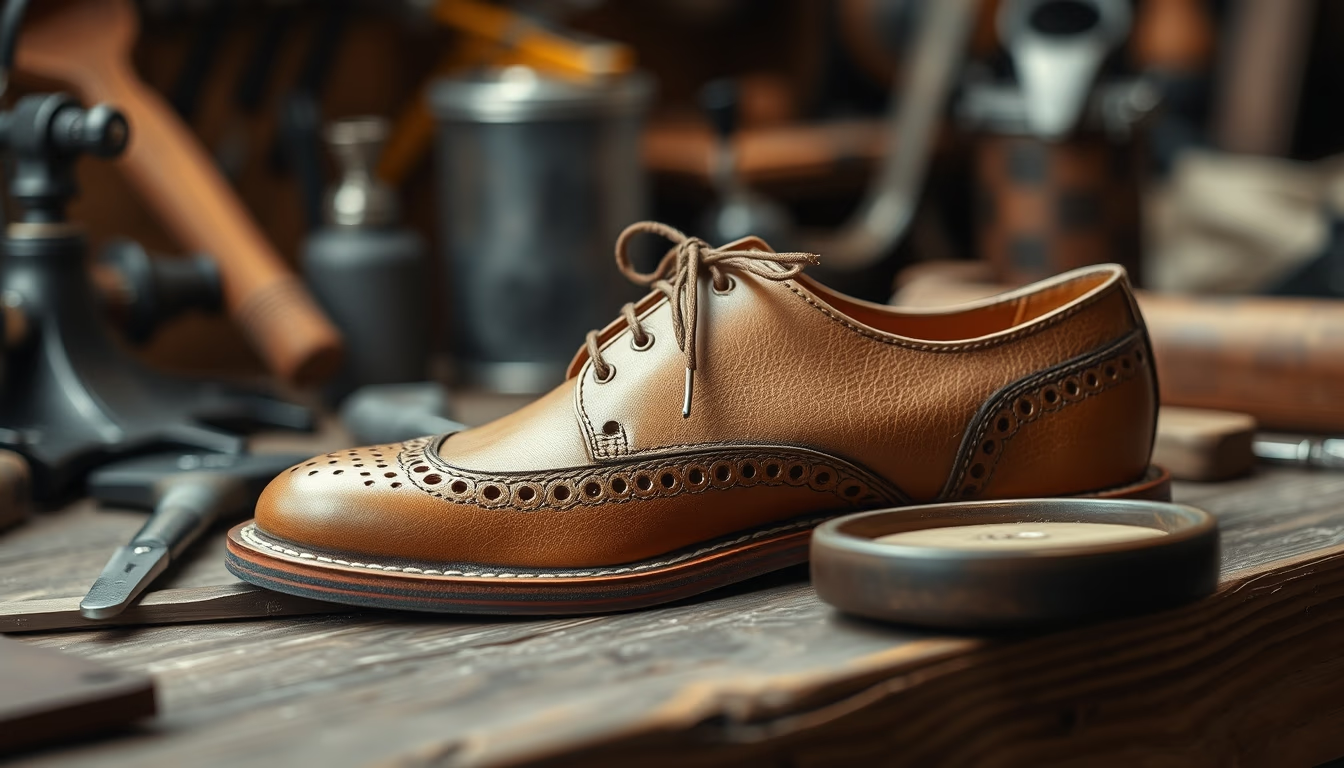
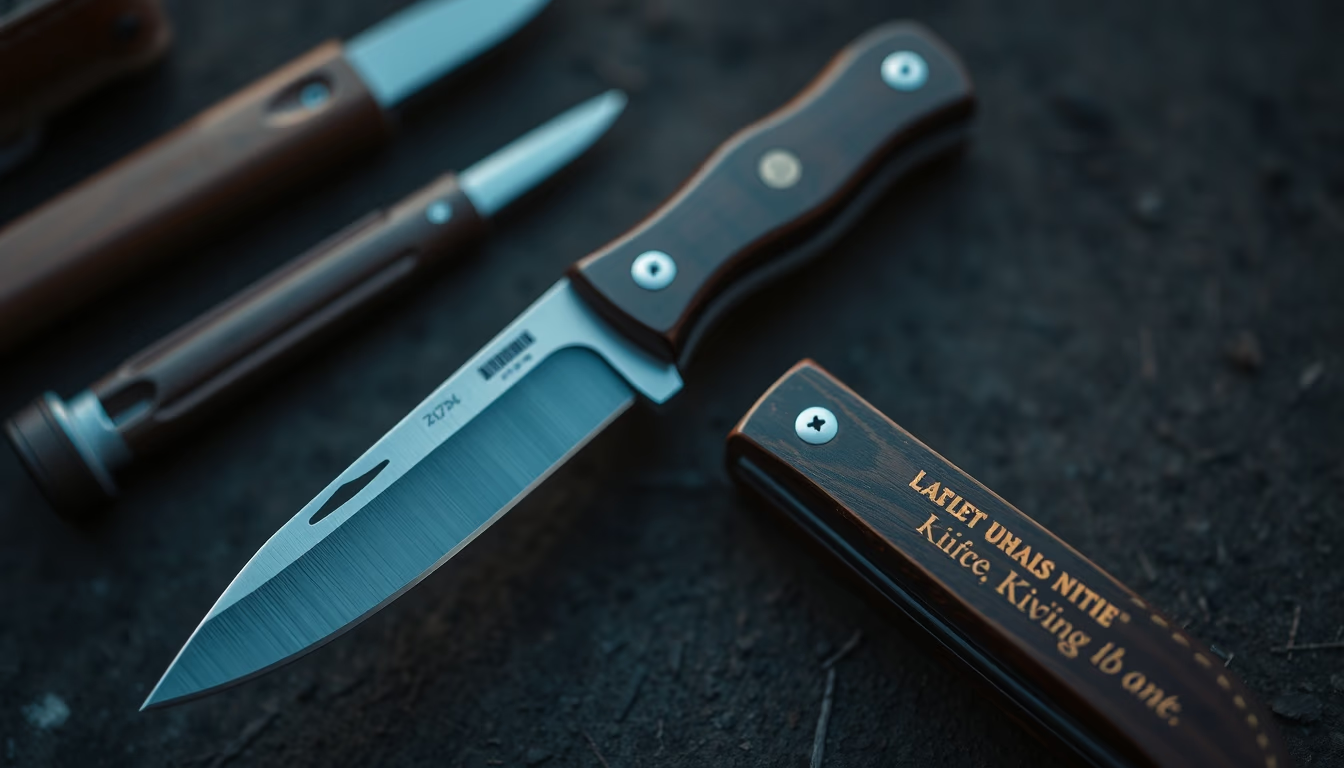
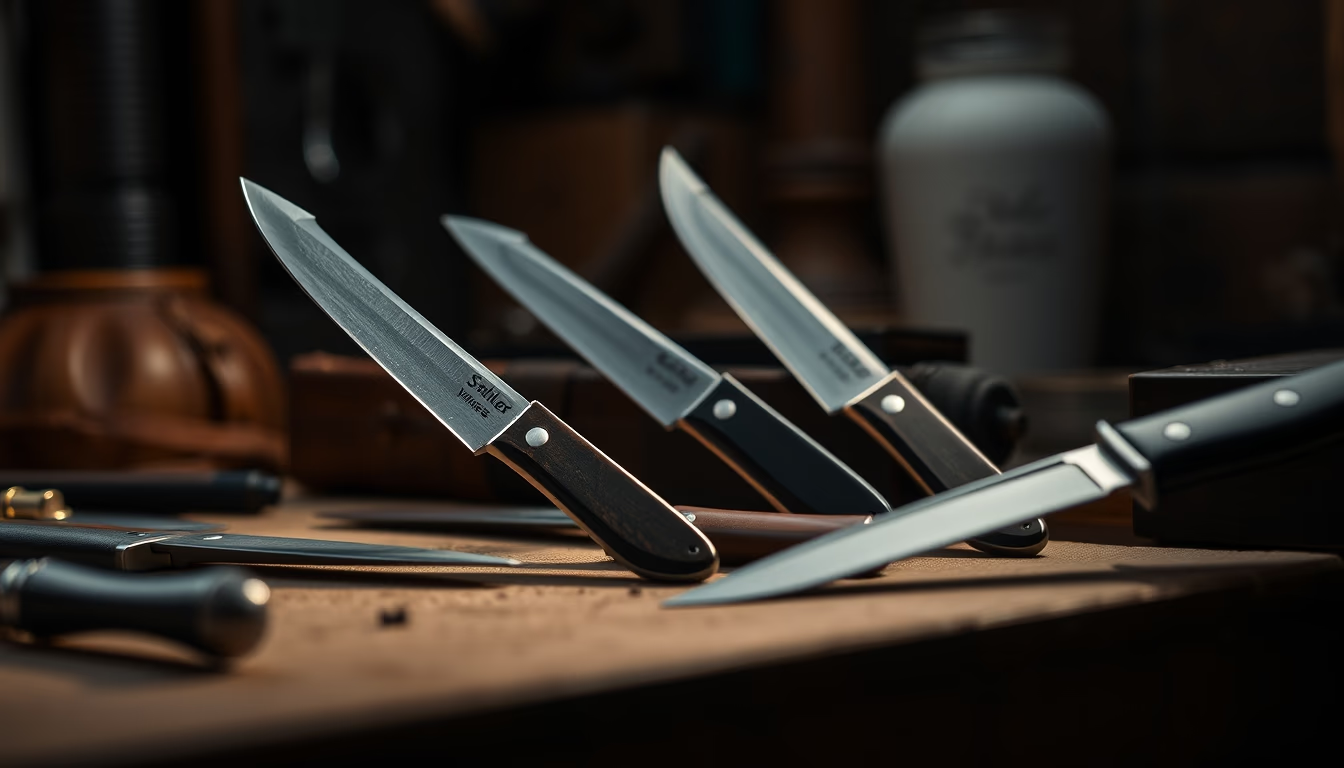
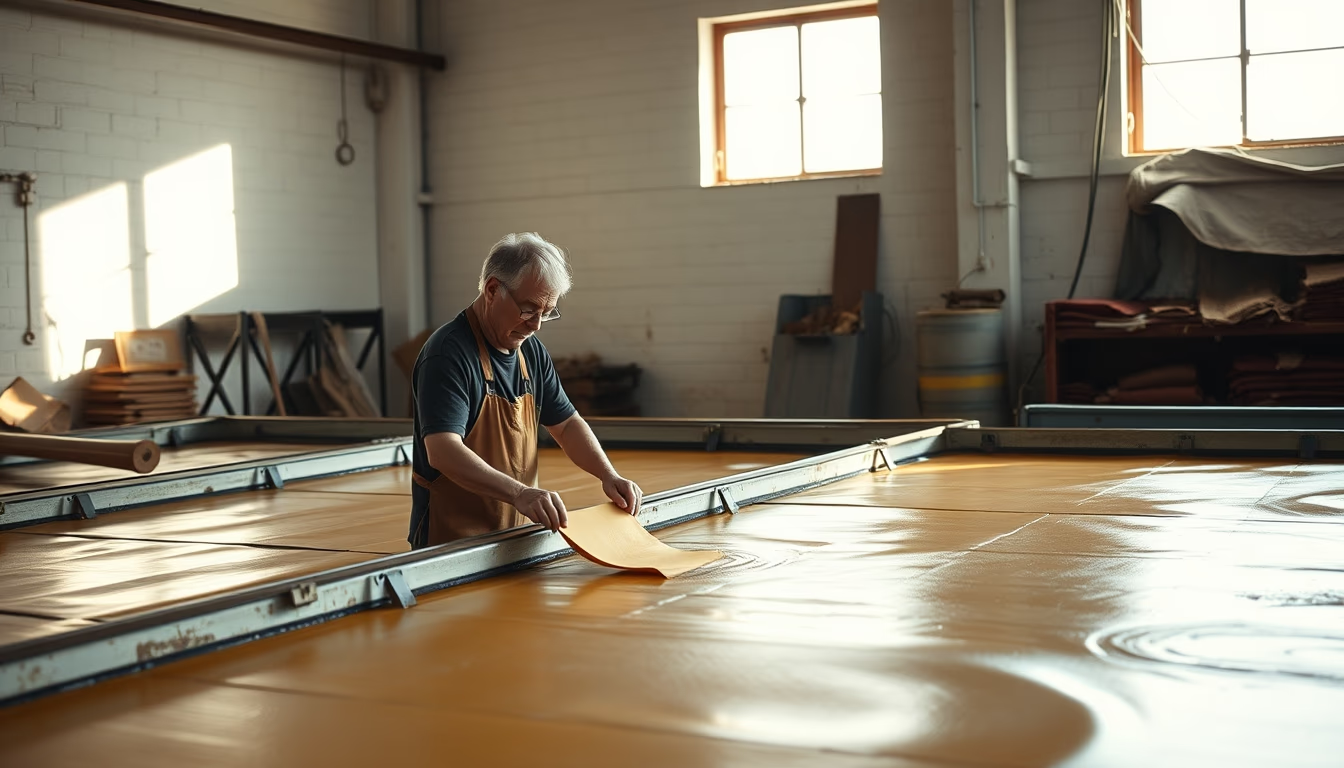
Leather workshop knives are fundamental tools in leathercraft, each designed for a specific function. The straight cutting knife, or shoemaker's knife, features a triangular blade ideal for precise linear cuts. The half-moon knife, with its curved blade, is used for circular cuts or beveling. There are also specific knives for cutting threads, such as the strap cutter, and tools like the pallet cutter which allows uniform parallel cuts. Steel quality is crucial: carbon steels like O1 or stainless steels like 440C are common, each offering a balance between edge retention and ease of sharpening. Proper maintenance includes regular sharpening with water stones or diamond stones and oiling to prevent rust. In Brazil, the leather tradition, especially in Rio Grande do Sul and Minas Gerais, values these tools, often made by local blacksmiths. The choice of knife depends on leather thickness: thin leathers for bags require more delicate blades, while thick leathers for saddles need robust knives. Additionally, techniques like beveling use special knives to create sloped edges, enhancing the finish. Safety is paramount: use of finger guards and cutting always away from the body.
Frequently Asked Questions
What are the main types of knives used in a leather workshop?
The main types include the straight cutting knife (or shoemaker's knife), the half-moon knife, the strap cutter, the buckle knife, and the precision craft knife. Each is designed for specific cuts, bevels, or hole-making.
How to keep a leather knife sharp and in good condition?
Use water stones or diamond stones for regular sharpening, maintaining the original blade angle (usually between 20 and 25 degrees). After use, clean the blade and apply mineral oil to prevent oxidation.
Which steel is most recommended for artisan leather knives?
Carbon steels like O1 or 1095 offer excellent edge retention and are easy to sharpen, but require care against rust. Stainless steels like 440C or VG-10 are more corrosion-resistant but harder to sharpen.
Direct URL
https://pub-c7d6a6ea828543ac903a74a341ccb2e1.r2.dev/imagens/leather-workshop-knives-magazine-editorial-fresh6.avifHow to credit
Include a visible link back to UtilizAí. Copy one of the snippets below:
<a href="https://xn--utiliza-eza.com/en/midia/imagens/leather-workshop-knives-magazine-editorial-fresh6">Leather workshop knives</a> by <a href="https://xn--utiliza-eza.com">UtilizAí</a>, licensed under <a href="https://creativecommons.org/licenses/by/4.0/">CC BY 4.0</a>.
[Leather workshop knives](https://xn--utiliza-eza.com/en/midia/imagens/leather-workshop-knives-magazine-editorial-fresh6) by [UtilizAí](https://xn--utiliza-eza.com), CC BY 4.0
License: CC-BY-4.0