Leather workshop knives
1344×768 · AVIF · CC BY 4.0
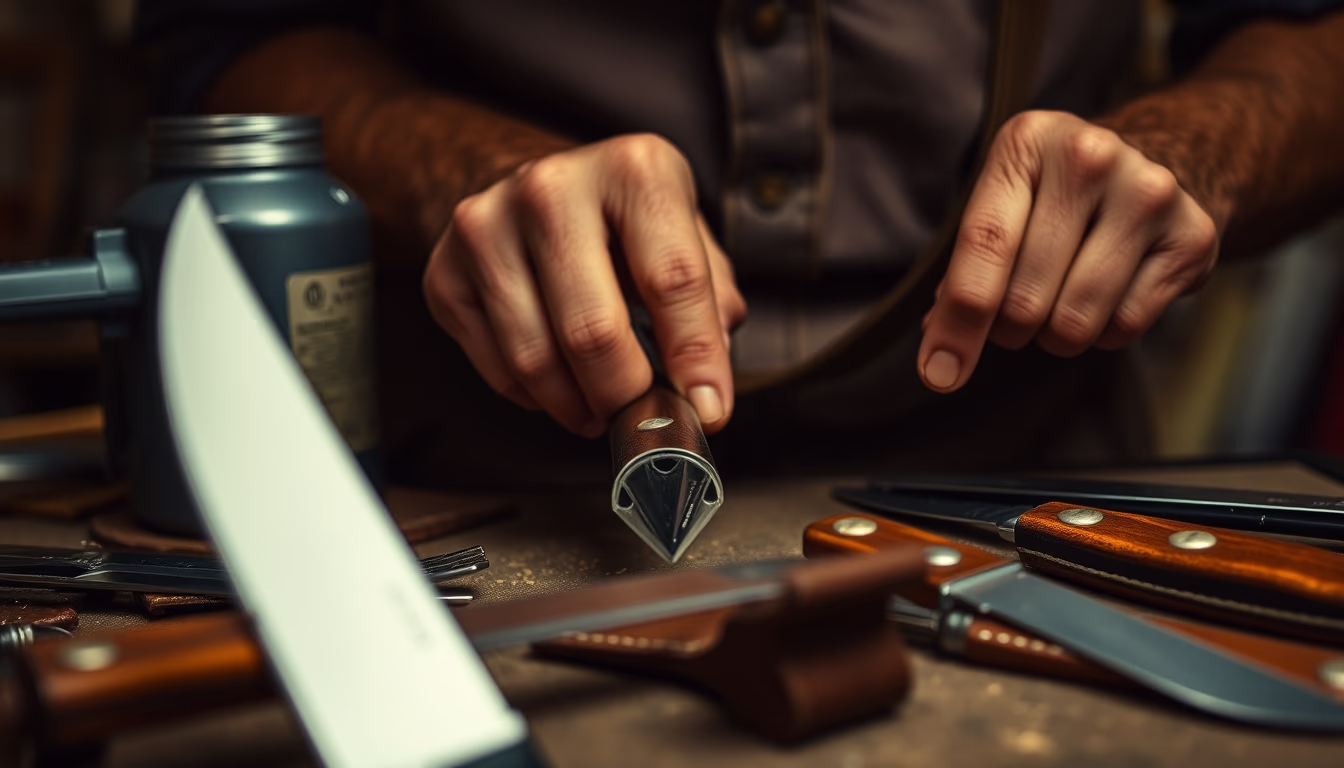
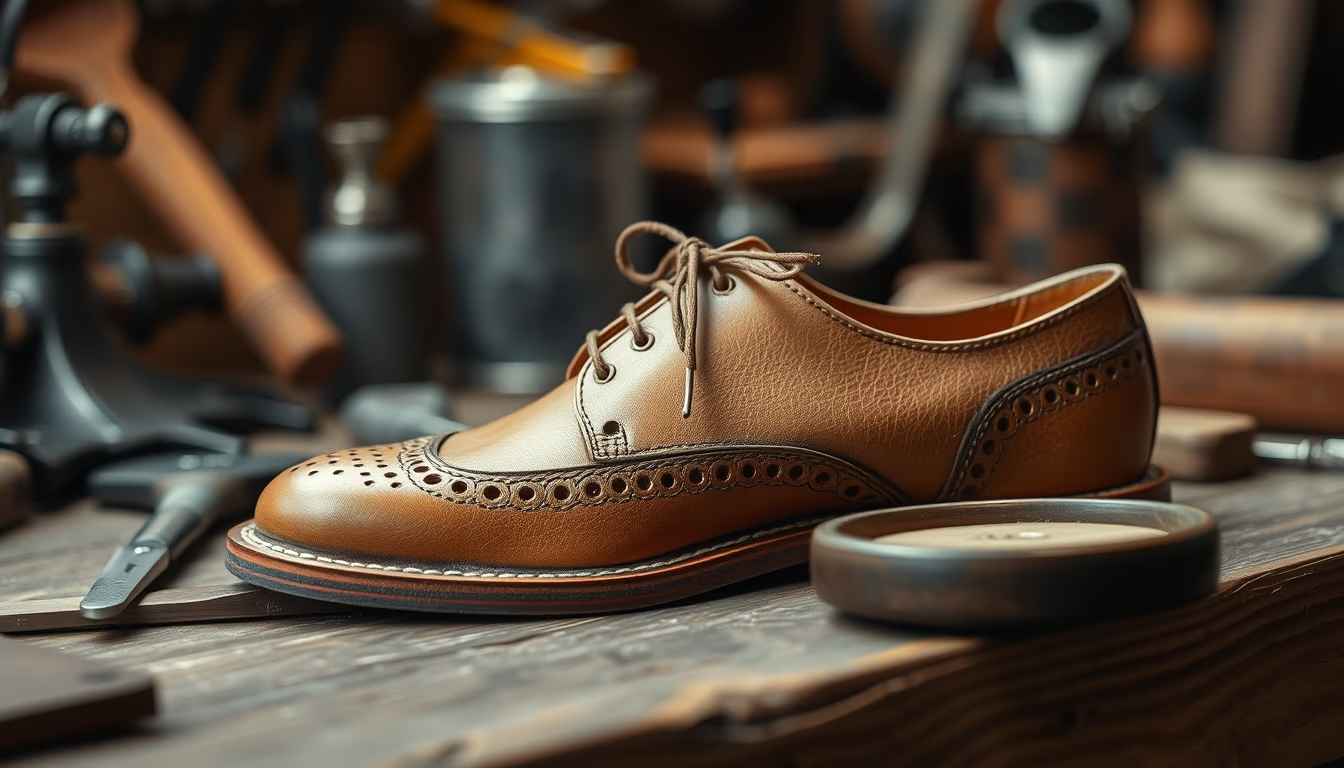
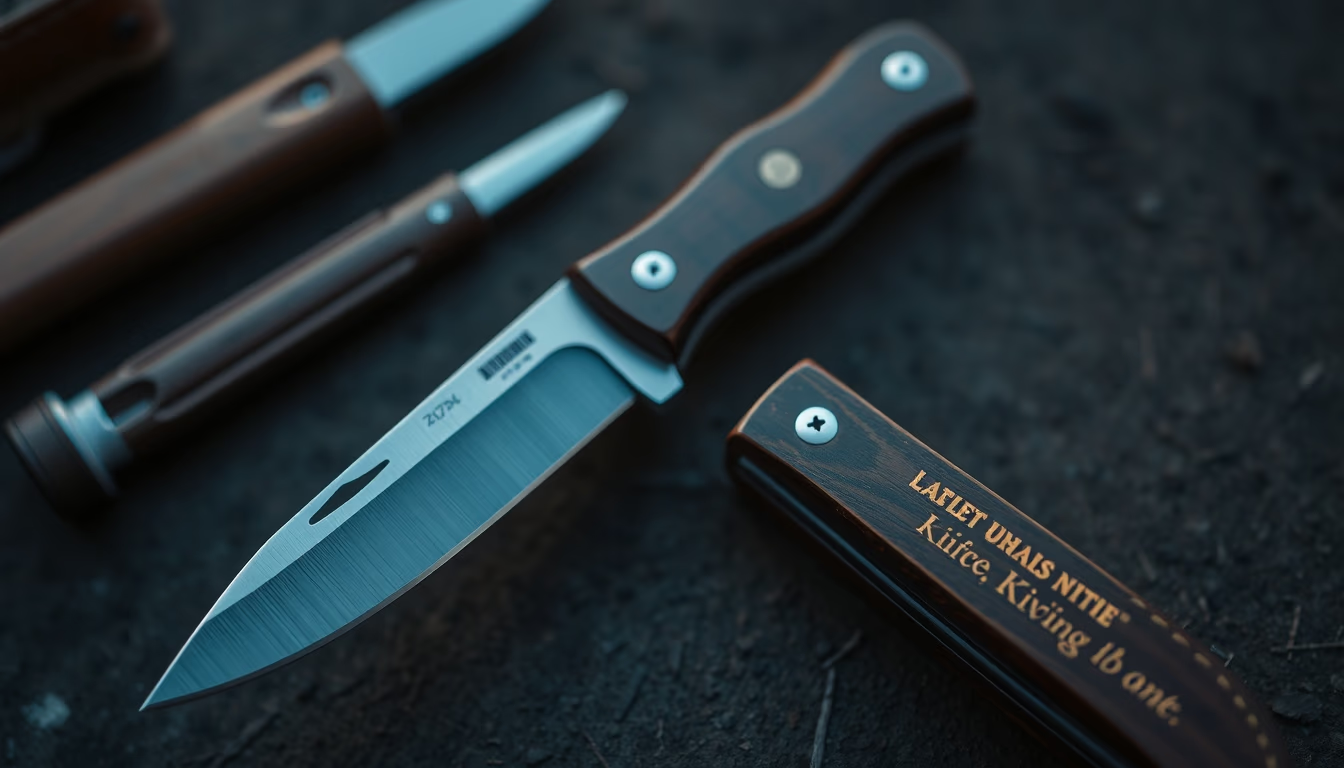
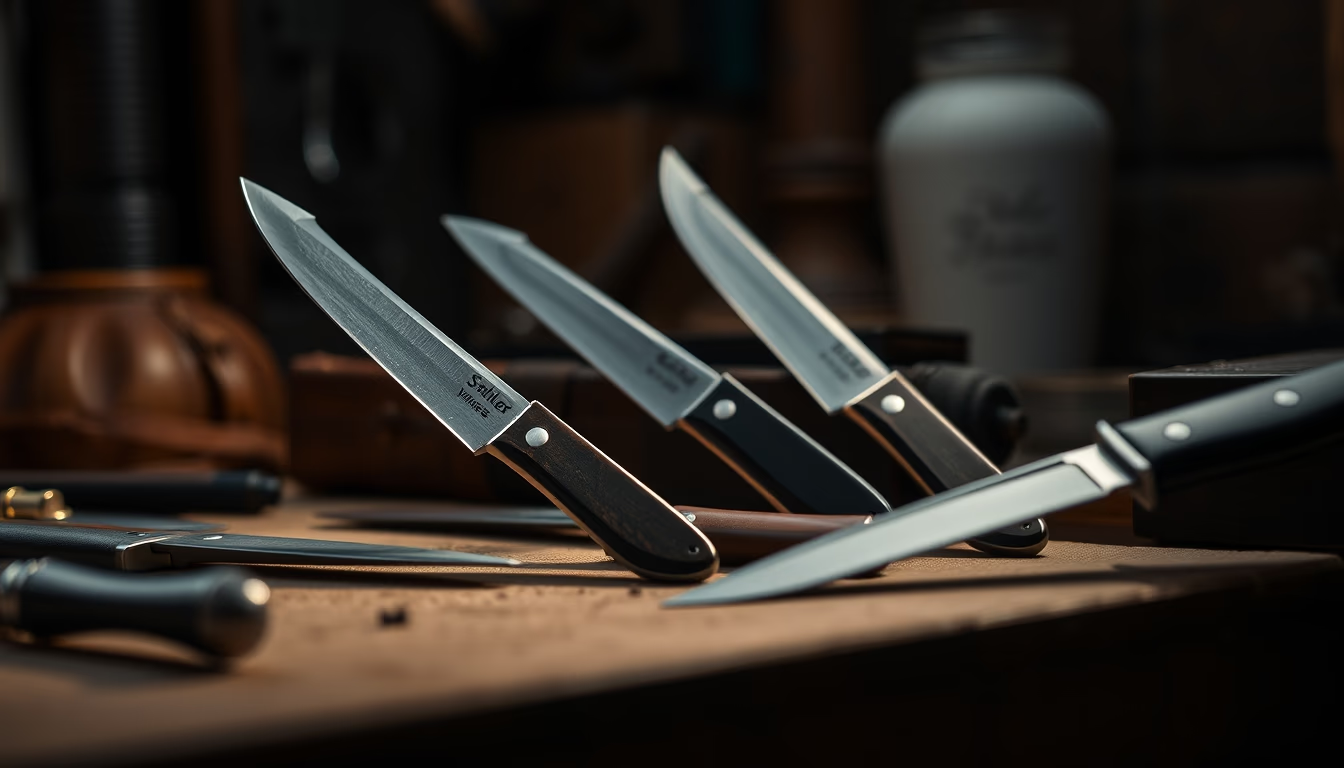
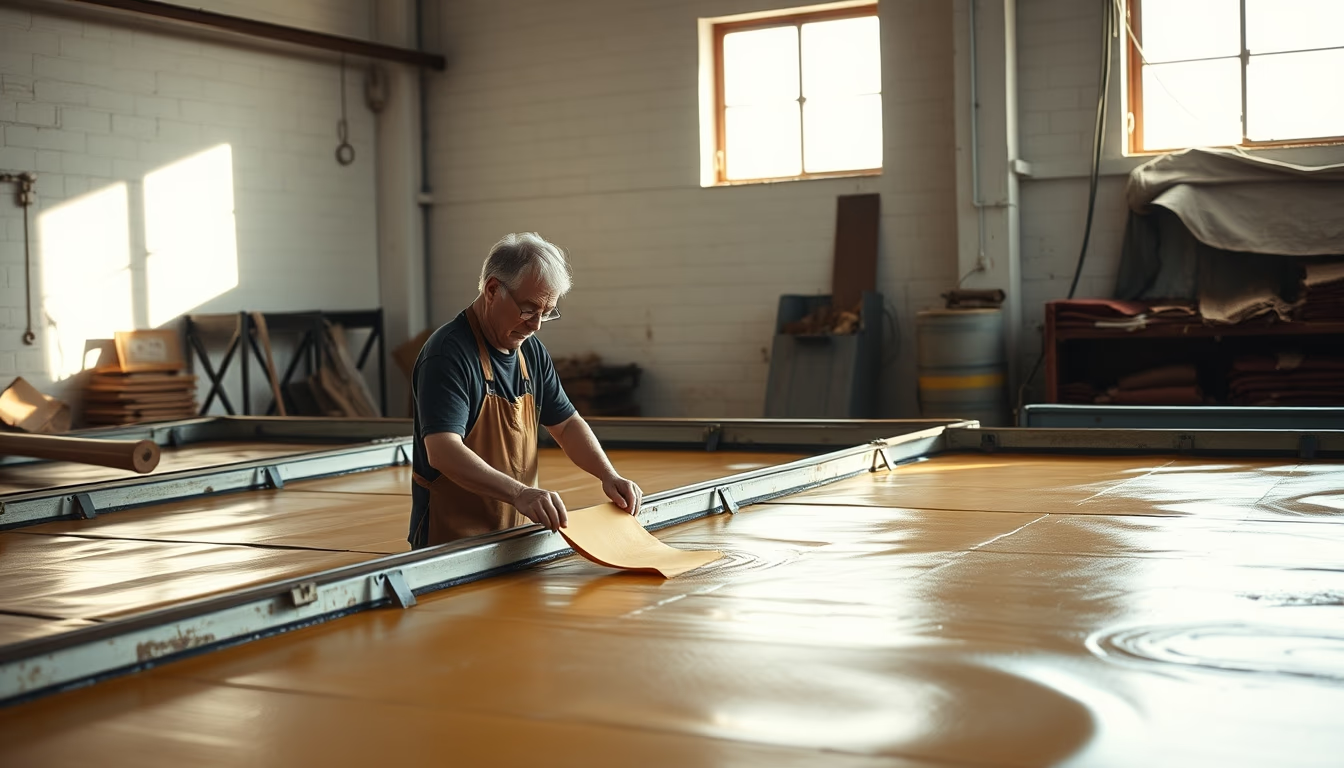
Essential artisan knives for leatherworking: learn about types, uses, and the importance of these tools in the craft of leather goods.
About this subject
Leatherworking knives are indispensable tools in leathercraft, each designed for specific tasks. A skiving knife, for instance, features a thin, razor-sharp blade ideal for reducing leather thickness at folds or seams. The head knife has a semicircular blade used for long, straight cuts like belts or straps, as well as edge trimming. Utility knives with replaceable blades are also common, especially in workshops requiring speed and consistency.
Steel choice is crucial: carbon steels like O1 or 1095 hold an edge longer and are easier to sharpen but require rust prevention. Stainless steels like 440C offer corrosion resistance but can be more difficult to sharpen. Bevel angles range from 15 to 20 degrees, depending on leather hardness and cut type. Many artisans maintain a shallower angle for precise cuts on vegetable-tanned leather.
Historically, leather knives evolved from rudimentary tools in the Middle Ages to high-precision instruments. In Europe, tanners' and saddlers' guilds developed specific designs for each process step. Today, modern knives integrate ergonomics with handles of wood, bone, or synthetic materials, ensuring comfort during long work hours.
Interestingly, in traditional leathercraft, the knife's edge is maintained with a leather strop and polishing compounds, a practice dating back centuries. Proper maintenance, including lubrication with mineral oil, extends tool life and ensures clean cuts without tearing leather fibers.
Frequently Asked Questions
What is the difference between a skiving knife and a head knife?
A skiving knife is used to thin and reduce leather thickness in specific areas, while a head knife is for long straight cuts like belts and also for edge trimming.
What is the best steel type for leatherworking knives?
Carbon steels (O1, 1095) are preferred for longer edge retention and easier sharpening, but require rust prevention. Stainless steels (440C) are more corrosion-resistant but harder to sharpen.
How to maintain the edge of a leather knife?
Use a leather strop with polishing compound to refine the edge. Avoid electric grinders that can overheat the steel. Lubricate regularly with mineral oil to prevent rust.
Direct URL
https://pub-c7d6a6ea828543ac903a74a341ccb2e1.r2.dev/imagens/leather-workshop-knives-lo-fi-disposable-camera-fresh12.avifHow to credit
Include a visible link back to UtilizAí. Copy one of the snippets below:
<a href="https://xn--utiliza-eza.com/en/midia/imagens/leather-workshop-knives-lo-fi-disposable-camera-fresh12">Leather workshop knives</a> by <a href="https://xn--utiliza-eza.com">UtilizAí</a>, licensed under <a href="https://creativecommons.org/licenses/by/4.0/">CC BY 4.0</a>.
[Leather workshop knives](https://xn--utiliza-eza.com/en/midia/imagens/leather-workshop-knives-lo-fi-disposable-camera-fresh12) by [UtilizAí](https://xn--utiliza-eza.com), CC BY 4.0
License: CC-BY-4.0