Leather workshop knives
1344×768 · AVIF · CC BY 4.0
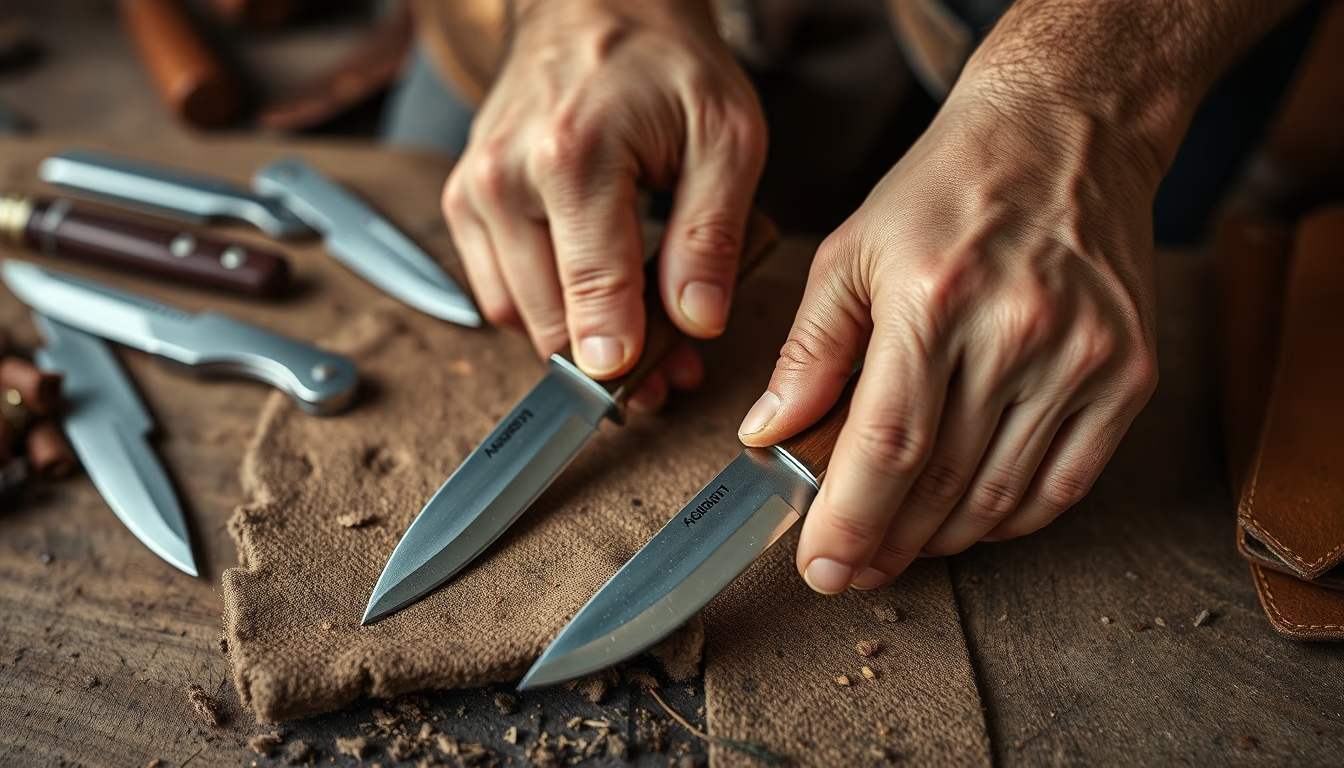
Leather knives are essential tools in leathercraft, featuring specific blades for cutting, skiving, and shaping the material.
About this subject
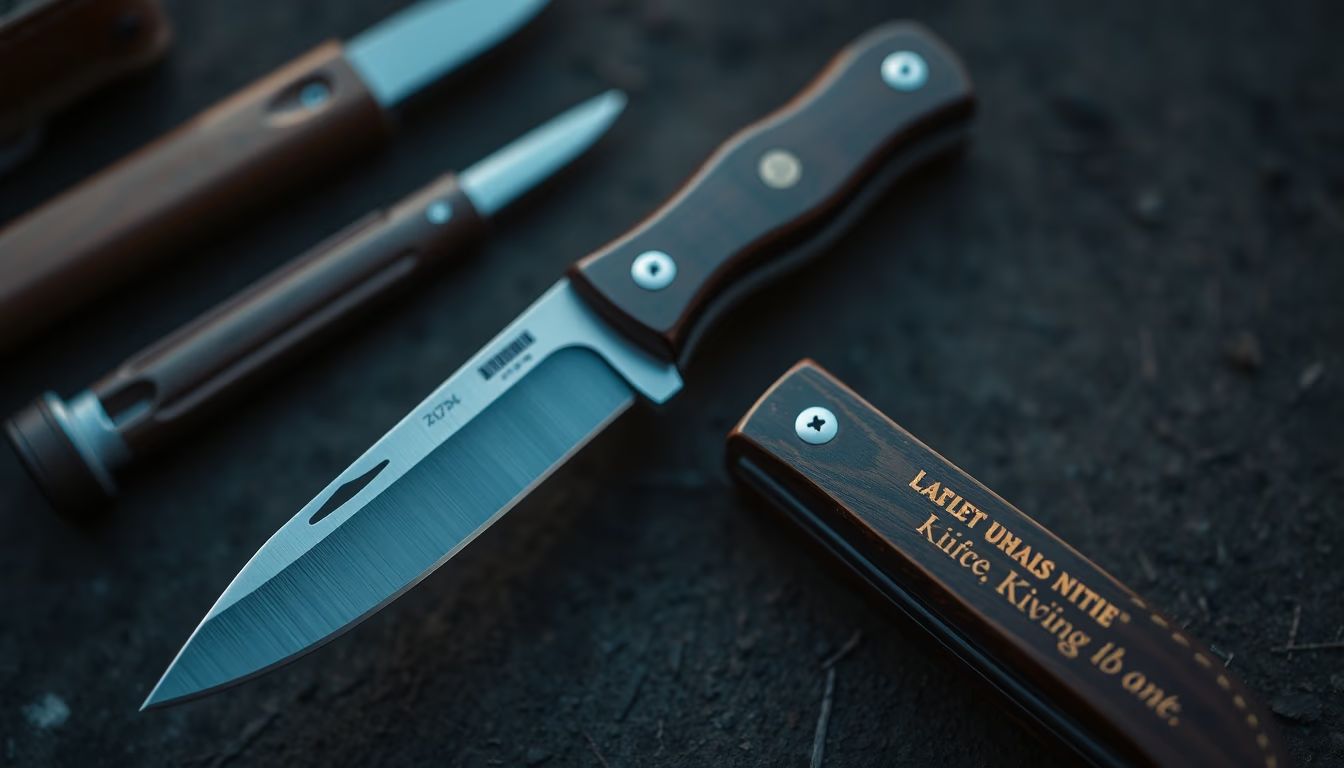
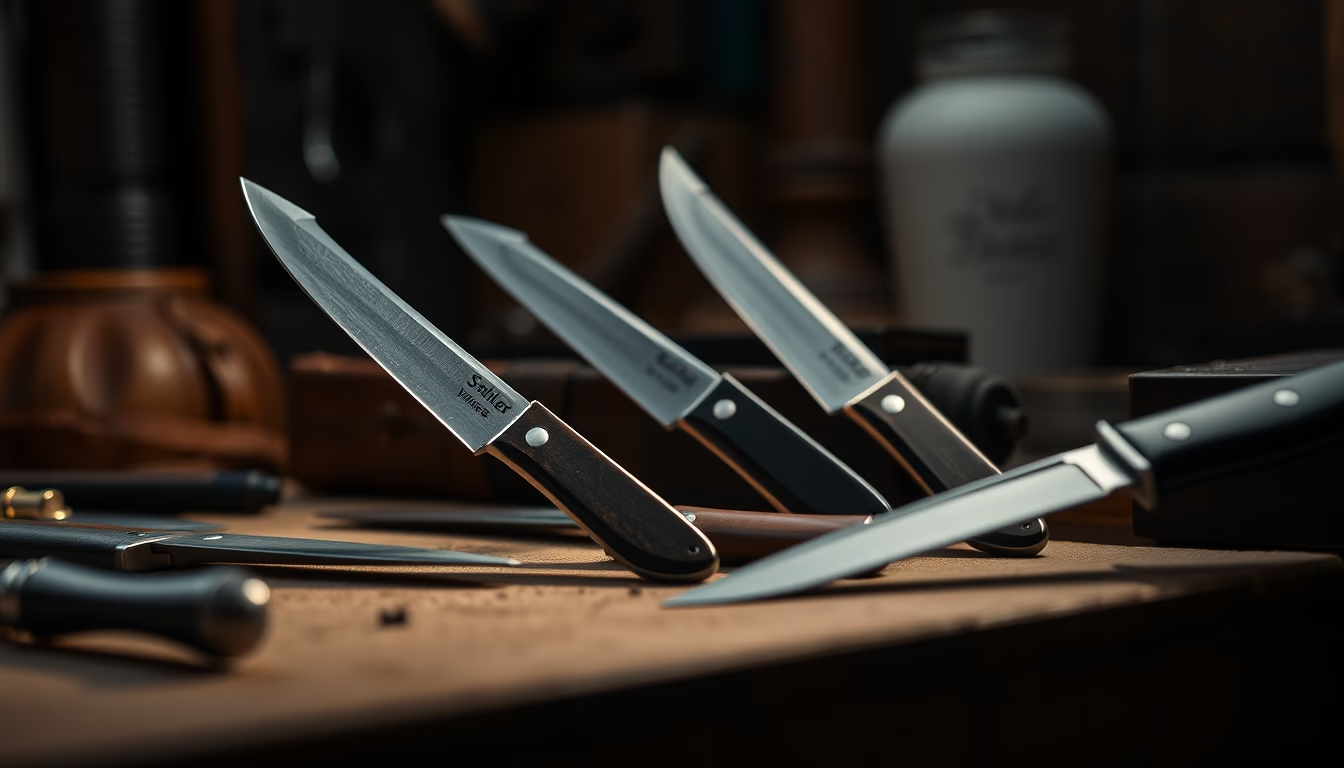
Leather knives are fundamental tools in the leathercraft trade. Different models serve distinct stages: the half-moon knife is used for straight and curved cuts, while the skiving knife has a curved blade to reduce leather thickness in specific areas, essential for folds and stitching. The straight-edge knife provides precise finishing.
Carbon steel is the preferred blade material as it holds an edge longer and allows frequent sharpening. Handles are made of wood, bone, or synthetic materials for a secure grip. Sharpening is a constant practice: a dull knife can damage the leather and compromise the work. Experienced craftsmen use water stones and strop to polish the edge.
Historically, leather knives evolved from prehistoric tools. In Brazil, leathercraft has a strong tradition in the Northeast, with knives adapted for repuxado (embossing) and carving. Choosing the right knife depends on leather thickness and cut type. For vegetable-tanned leather, a blade width of 3 to 4 cm is recommended.
Beyond cutting, specialized knives like the carving knife are used for decorative notching. Maintenance includes cleaning with mineral oil after use to prevent rust. In professional workshops, knife sets are customized to the artisan's technique, reflecting the bond between tool and manual skill.
Frequently Asked Questions
What are the main types of leather knives?
Main types include the half-moon knife (for straight and curved cuts), the skiving knife (for reducing thickness), and the straight-edge knife (for precise finishing). Each has a specific role in the crafting process.
Which steel is best for leather knives?
Carbon steel is most recommended due to its edge retention and ease of resharpening. It requires care against rust, such as cleaning and oiling with mineral oil.
How to maintain the edge of a leather knife?
Regular sharpening with progressive grit water stones and stropping on leather maintains the edge. Avoid letting the blade become dull, as it can damage the leather.
Direct URL
https://pub-c7d6a6ea828543ac903a74a341ccb2e1.r2.dev/imagens/leather-workshop-knives-documentary-nature-style-fresh8.avifHow to credit
Include a visible link back to UtilizAí. Copy one of the snippets below:
<a href="https://xn--utiliza-eza.com/en/midia/imagens/leather-workshop-knives-documentary-nature-style-fresh8">Leather workshop knives</a> by <a href="https://xn--utiliza-eza.com">UtilizAí</a>, licensed under <a href="https://creativecommons.org/licenses/by/4.0/">CC BY 4.0</a>.
[Leather workshop knives](https://xn--utiliza-eza.com/en/midia/imagens/leather-workshop-knives-documentary-nature-style-fresh8) by [UtilizAí](https://xn--utiliza-eza.com), CC BY 4.0
License: CC-BY-4.0