Leather suitcase 1920s
1344×768 · AVIF · CC BY 4.0

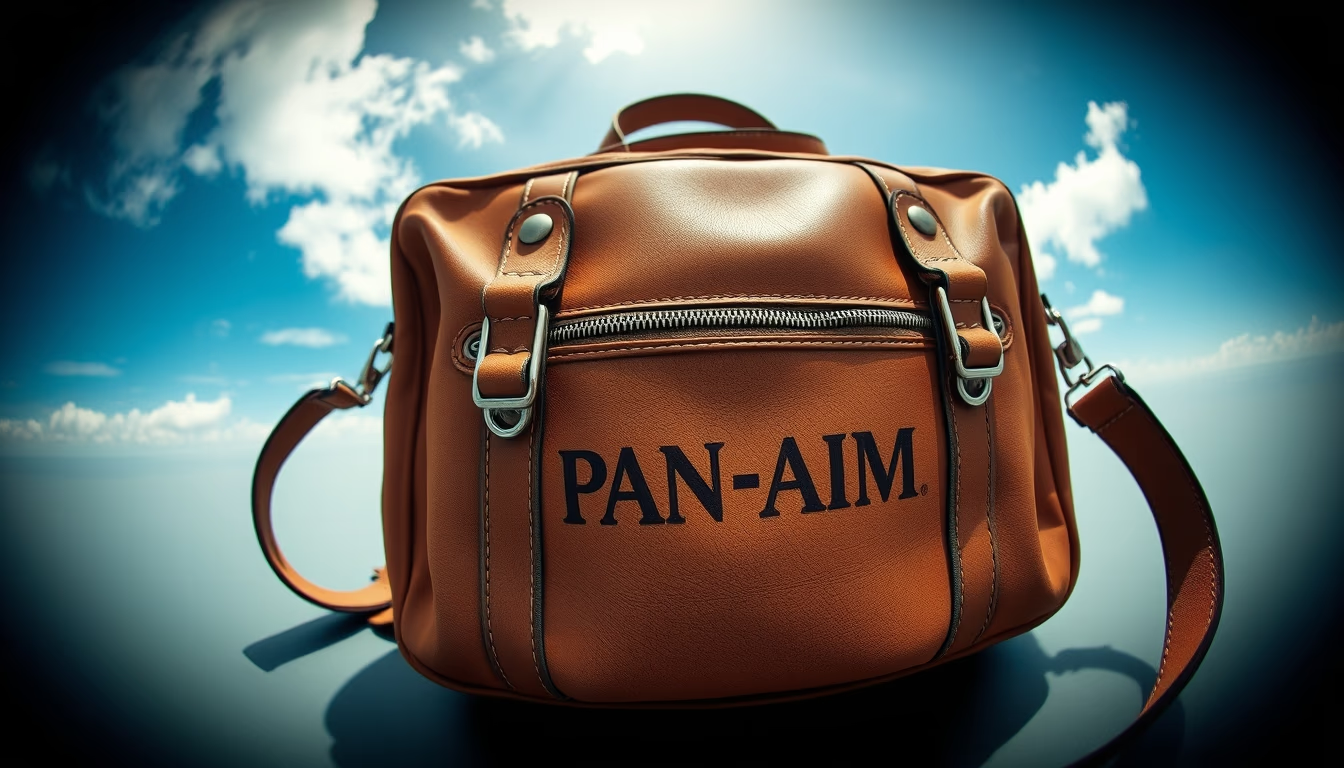
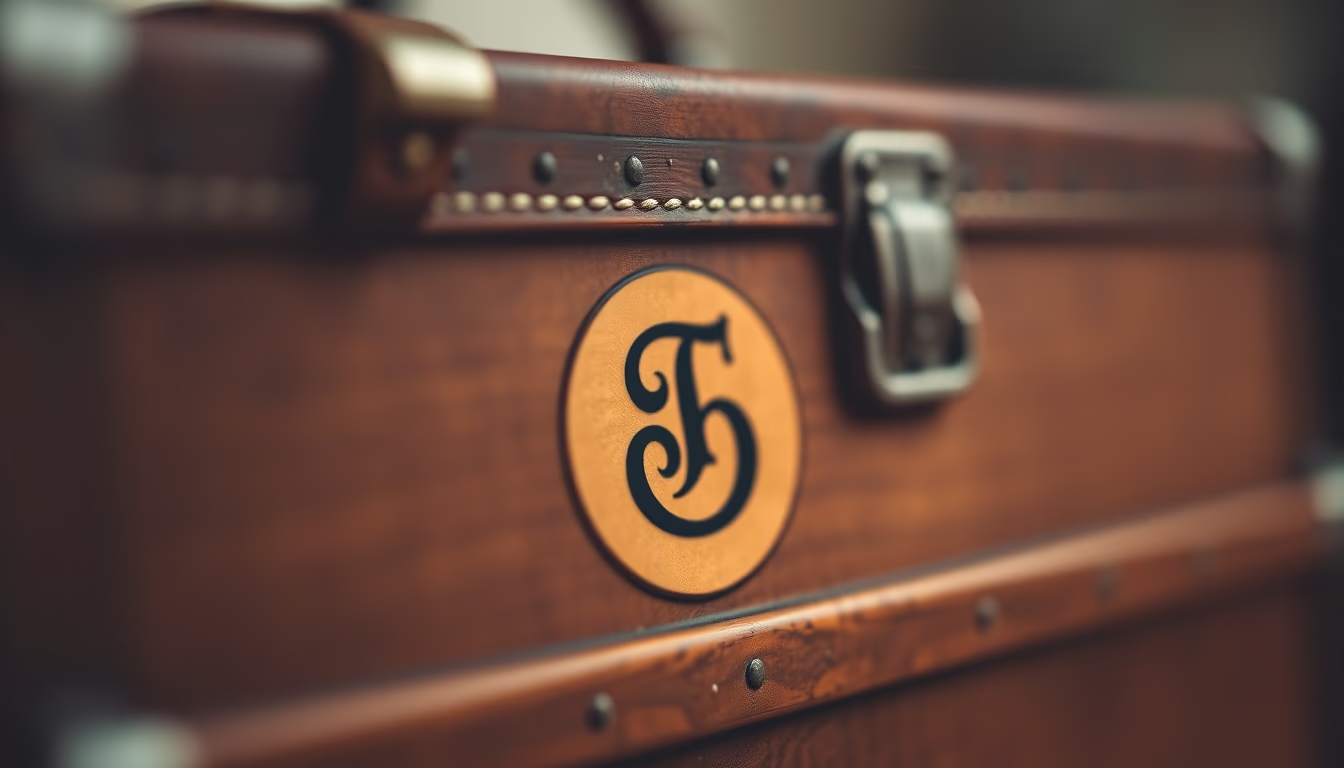
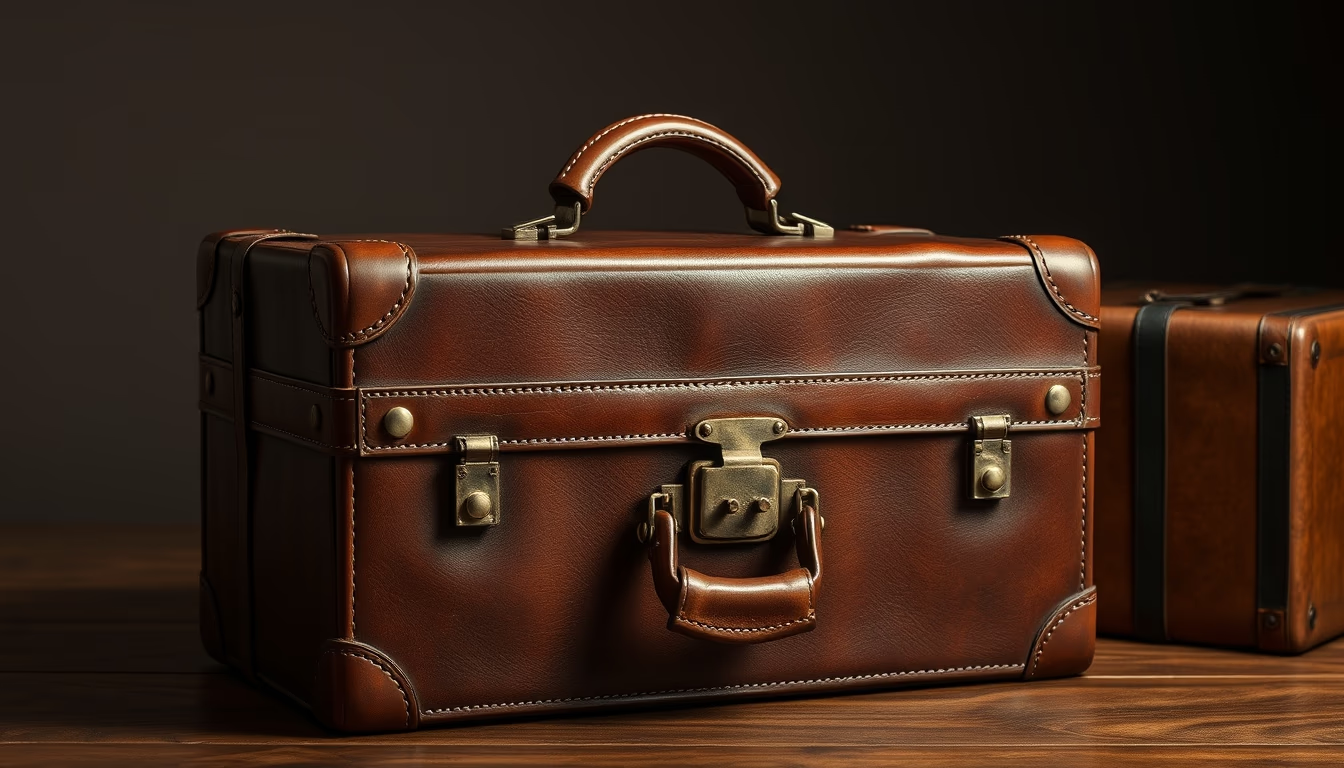
Leather suitcases in the 1920s were luxury status symbols, marking the dawn of modern travel with robust design and Art Deco elegance.
About this subject
Leather suitcases from the 1920s represent a golden age of travel, when long-distance tourism began to gain traction among the upper class and emerging bourgeoisie. Unlike the enormous Victorian trunks, these suitcases were more compact but equally refined. The leather came mainly from European tanneries, such as those in England and France, and the production process was handcrafted, with metal details (locks, corners, handles) usually in brass or copper. The design was influenced by the Art Deco movement, featuring geometric lines and minimalist elegance.
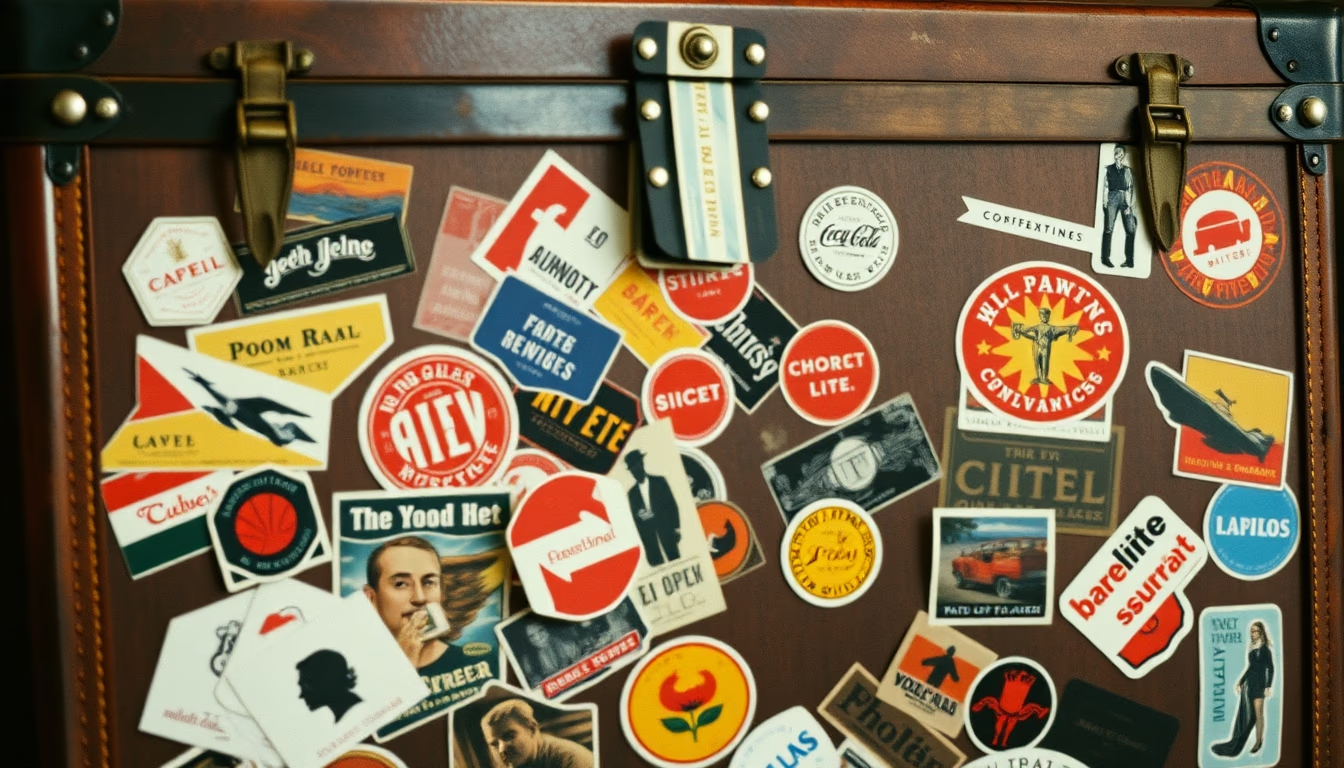
The 1920s saw the rise of commercial air travel and the heyday of ocean liner voyages. The leather suitcase was essential for those boarding transatlantic liners to Europe or for passengers on luxury trains like the Orient Express. Brands like Louis Vuitton and Goyard already existed and produced iconic models, but smaller manufacturers also served a demanding clientele. The leather was treated with natural oils to resist moisture, and suitcases often bore hotel and shipping line stickers, serving as a travel diary.
Interestingly, weight was a concern: due to solid leather construction, empty suitcases already weighed several kilograms, limiting the amount of clothing one could pack. Travelers therefore hired servants or porters to handle luggage. Starting in the 1930s, lighter materials like canvas and aluminum began to replace leather, but 1920s suitcases remain symbols of an era when travel was a stylish, leisurely event. Today, they are collector's items, restored and sold at high prices in antique shops and specialized auctions.
Frequently Asked Questions
Why were 1920s leather suitcases considered luxury items?
The high-quality leather, handcrafted production, and metal details (brass or copper) made each piece unique and expensive. Additionally, their association with ocean liners and luxury trains reinforced the owner's social status.
How can I tell if a leather suitcase is genuinely from the 1920s?
Look for the manufacturer's internal label, metal locks (often with lever mechanisms), and metal corner guards. The leather will have a natural patina, and the stitching is thick and hand-sewn. Art Deco geometric designs are also characteristic.
What was the purpose of hotel and shipping line stickers on old suitcases?
The stickers served as proof of travels undertaken, indicating destinations and modes of transport. They also functioned as decoration and status symbols, as each sticker represented a unique travel experience.
Direct URL
https://pub-c7d6a6ea828543ac903a74a341ccb2e1.r2.dev/imagens/leather-suitcase-1920s-minimalist-composition-fresh9.avifHow to credit
Include a visible link back to UtilizAí. Copy one of the snippets below:
<a href="https://xn--utiliza-eza.com/en/midia/imagens/leather-suitcase-1920s-minimalist-composition-fresh9">Leather suitcase 1920s</a> by <a href="https://xn--utiliza-eza.com">UtilizAí</a>, licensed under <a href="https://creativecommons.org/licenses/by/4.0/">CC BY 4.0</a>.
[Leather suitcase 1920s](https://xn--utiliza-eza.com/en/midia/imagens/leather-suitcase-1920s-minimalist-composition-fresh9) by [UtilizAí](https://xn--utiliza-eza.com), CC BY 4.0
License: CC-BY-4.0