Leather skiving knife
1344×768 · AVIF · CC BY 4.0
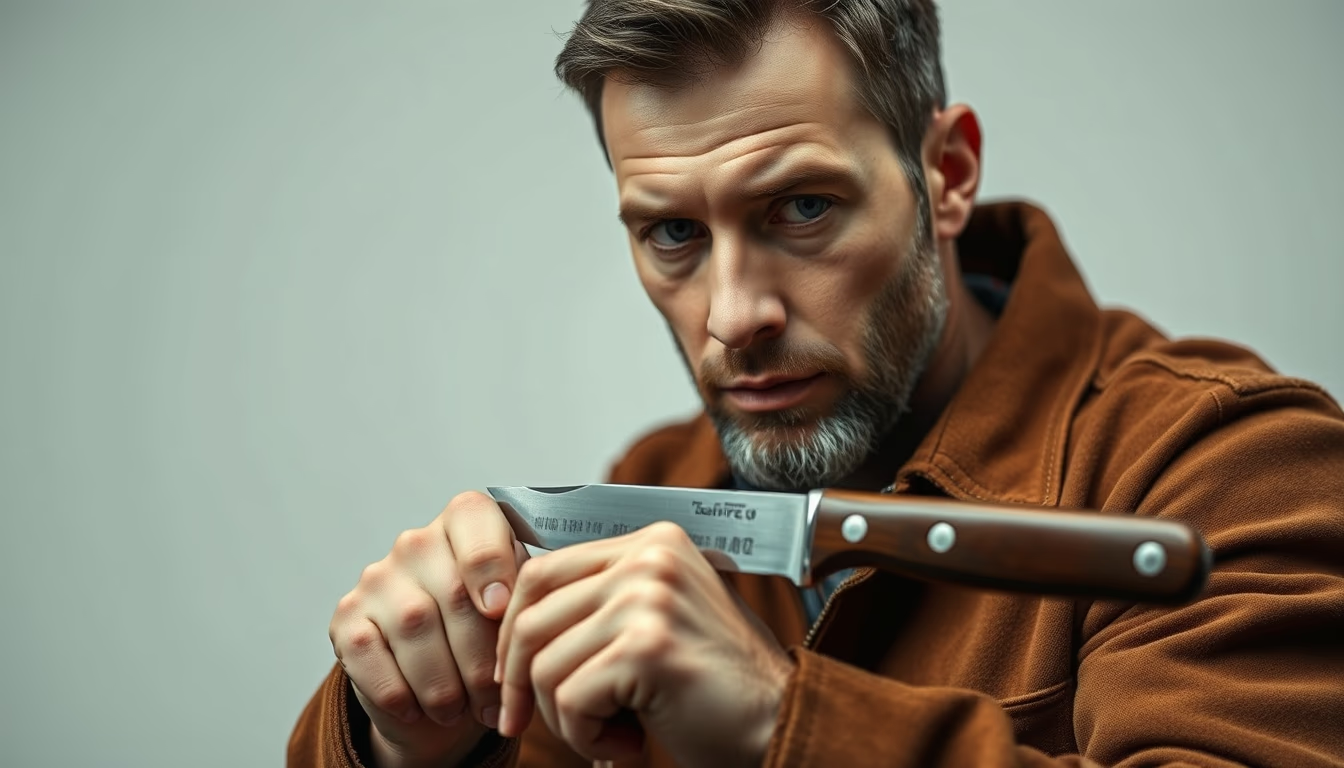
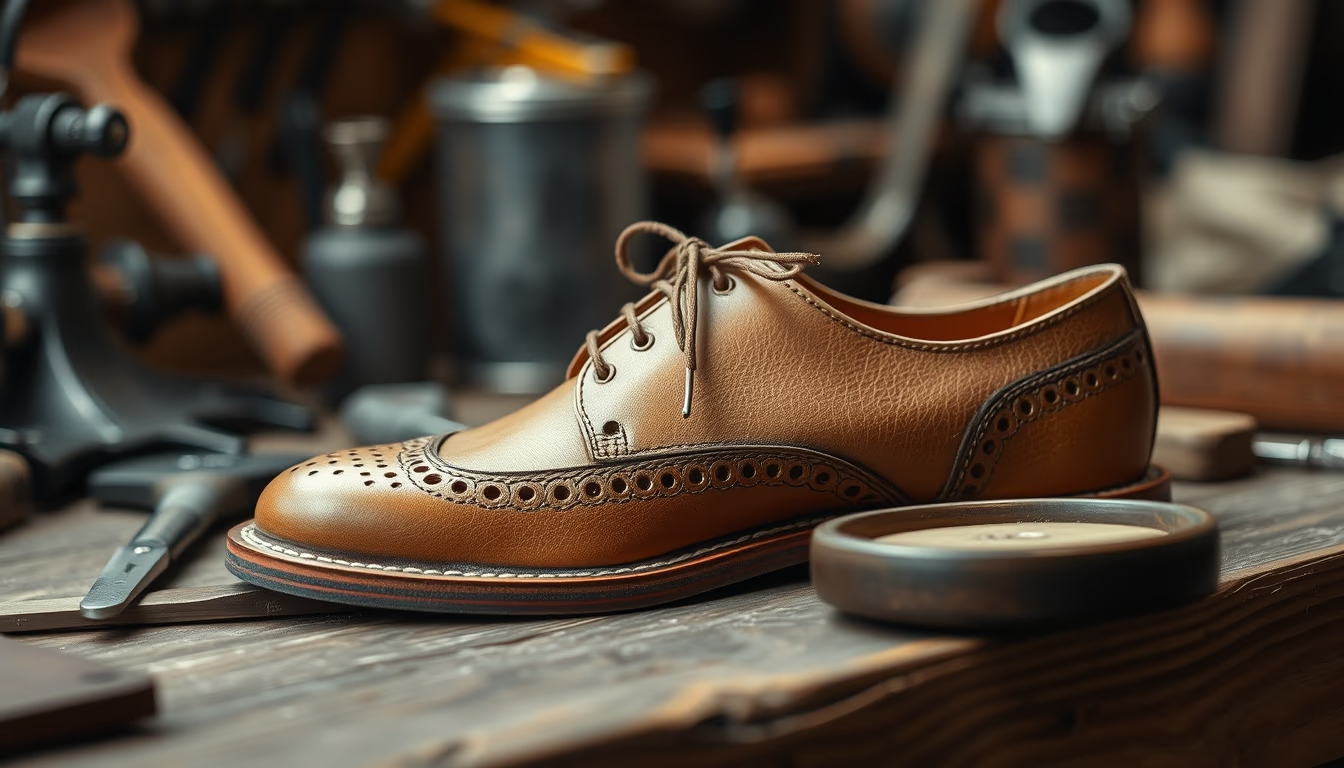
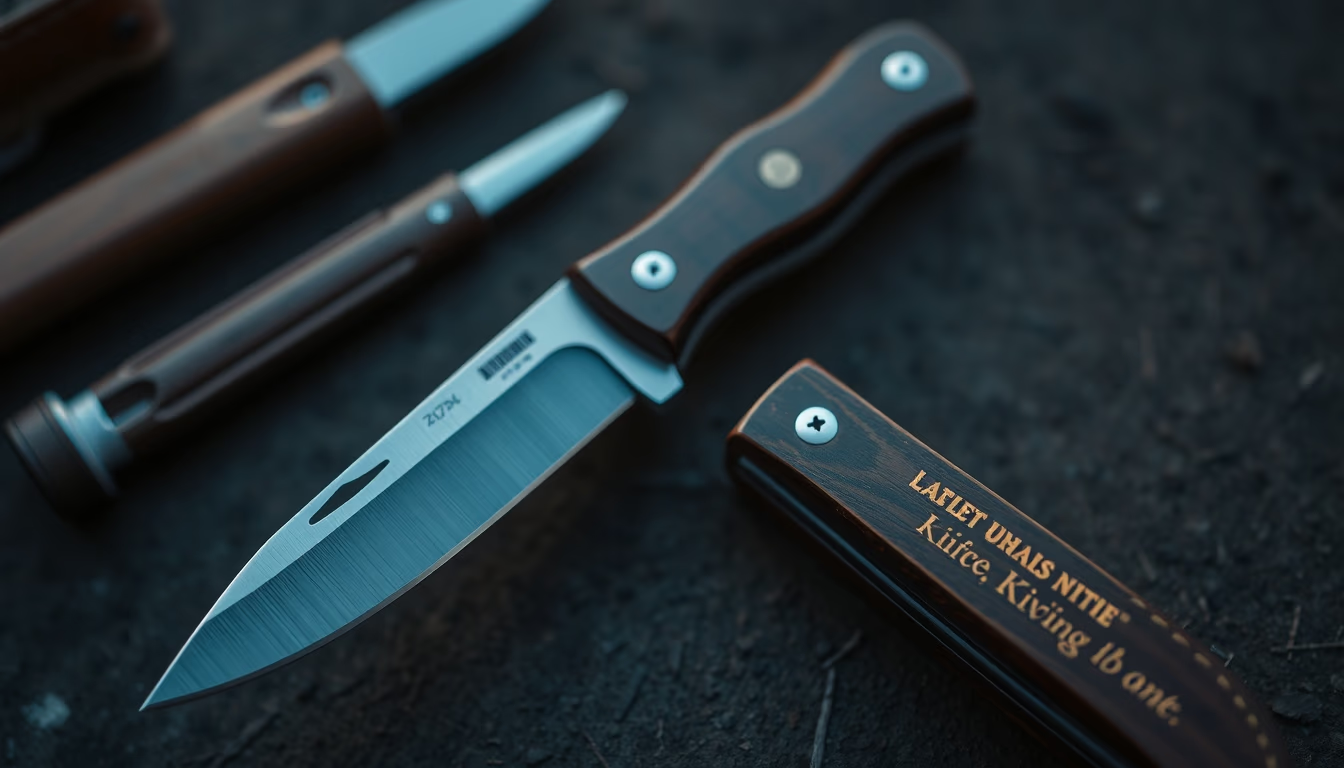
The leather skiving knife is an essential tool for craftsmen who need to reduce leather thickness in specific areas, ensuring precise folds and stitches.
About this subject
The leather skiving knife is a vital tool in handcrafted leatherwork, designed to thin down leather edges or specific areas without cutting through. Unlike a standard craft knife, it features a wider blade with a pronounced bevel, allowing for controlled, shaving-like cuts that reduce thickness gradually. This tool is indispensable for tasks requiring precise folds, such as making wallet pockets, belt loops, or seamless joints in bags and shoes.
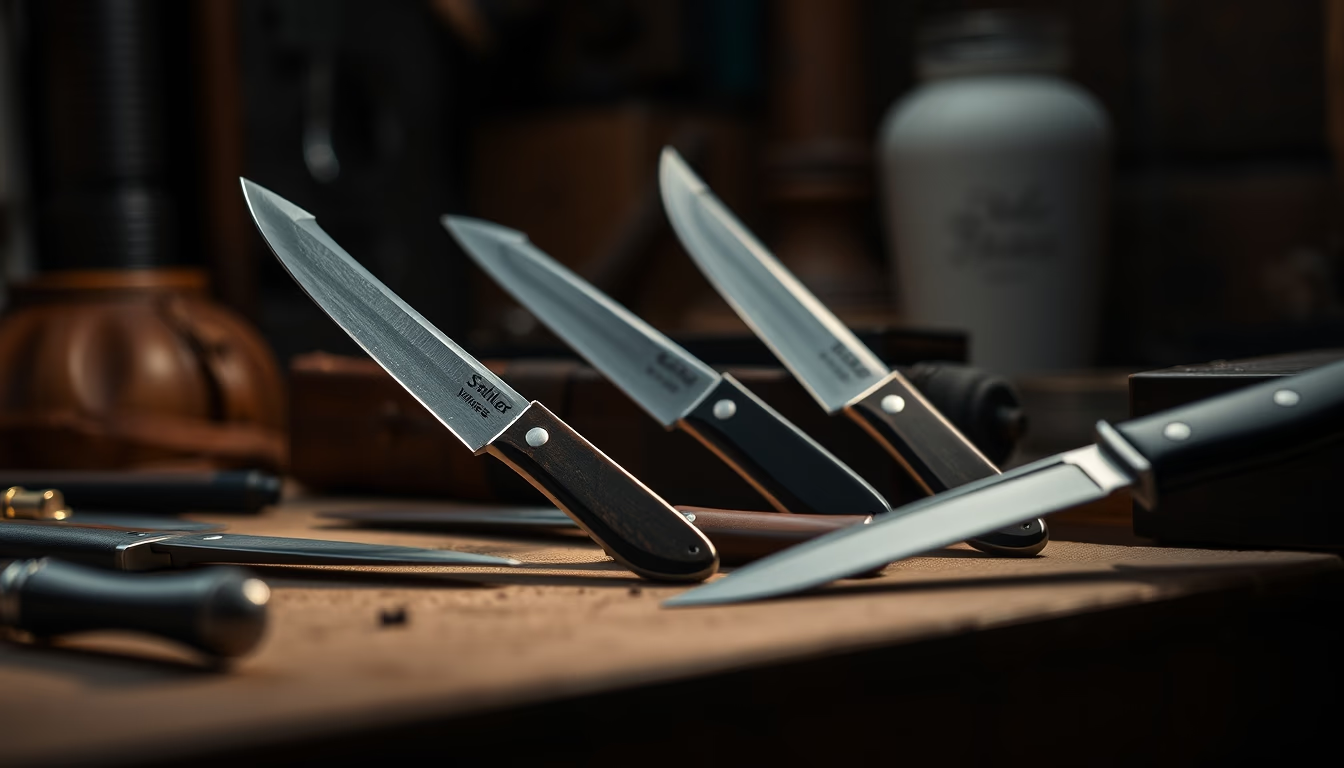
Skiving knives come in various forms, from traditional straight-edge models to curved blades, each suited to different leather types and techniques. The Japanese skiving knife, for example, is favored for its simplicity and sharpness, while Western versions often have more ergonomic handles. The process of skiving demands a steady hand and knowledge of leather grain, as over-thinning can weaken the material. Artisans typically hone the blade frequently to maintain a razor-sharp edge, ensuring clean cuts.
Historically, skiving knives have been used for centuries in saddlery, bookbinding, and luxury goods production. Modern advancements include blades with micro-serrations or replaceable edges, but the core function remains unchanged. Choosing the right skiving knife involves considering the leather's thickness, flexibility, and the desired finished look. Many leatherworkers own multiple knives to handle different tasks, from heavy skiving on thick bridle leather to delicate work on soft lambskin.
Frequently Asked Questions
What is the difference between a skiving knife and a regular craft knife?
A skiving knife has a wider blade with a pronounced bevel, designed to shave thin layers of leather with precision. A craft knife is typically used for straight, deep cuts and lacks the same control for thinning.
How to choose the best leather skiving knife?
Consider the leather type (vegetable-tanned, chrome-tanned, etc.), desired thickness reduction, and work style. Straight blades are versatile, while curved ones help with corners. Blade steel quality and ease of sharpening are also key factors.
Do I need training to use a skiving knife?
Yes, the technique requires practice to avoid accidental cuts or damage to the leather. It is advisable to practice on scrap leather before working on final pieces.
Direct URL
https://pub-c7d6a6ea828543ac903a74a341ccb2e1.r2.dev/imagens/leather-skiving-knife-studio-editorial-portrait-fresh17.avifHow to credit
Include a visible link back to UtilizAí. Copy one of the snippets below:
<a href="https://xn--utiliza-eza.com/en/midia/imagens/leather-skiving-knife-studio-editorial-portrait-fresh17">Leather skiving knife</a> by <a href="https://xn--utiliza-eza.com">UtilizAí</a>, licensed under <a href="https://creativecommons.org/licenses/by/4.0/">CC BY 4.0</a>.
[Leather skiving knife](https://xn--utiliza-eza.com/en/midia/imagens/leather-skiving-knife-studio-editorial-portrait-fresh17) by [UtilizAí](https://xn--utiliza-eza.com), CC BY 4.0
License: CC-BY-4.0