Leather skiving knife
1344×768 · AVIF · CC BY 4.0
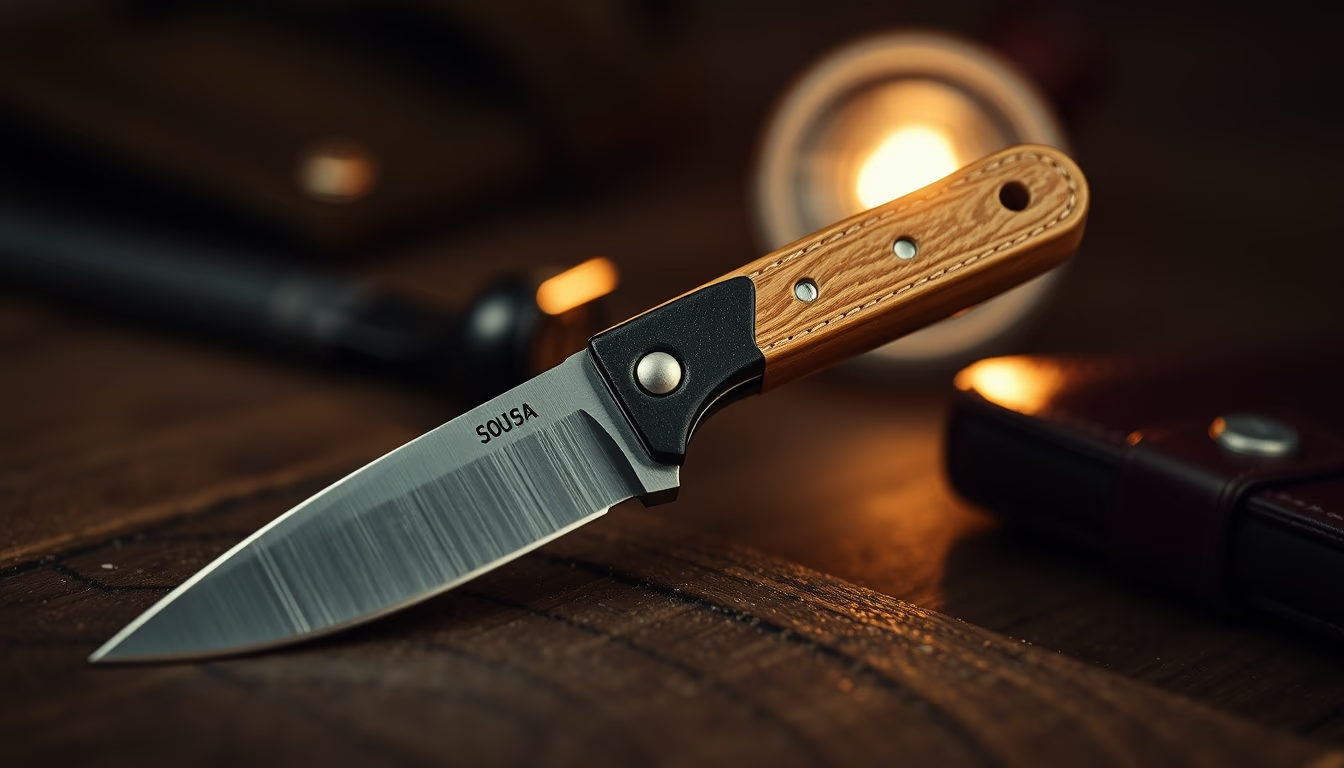
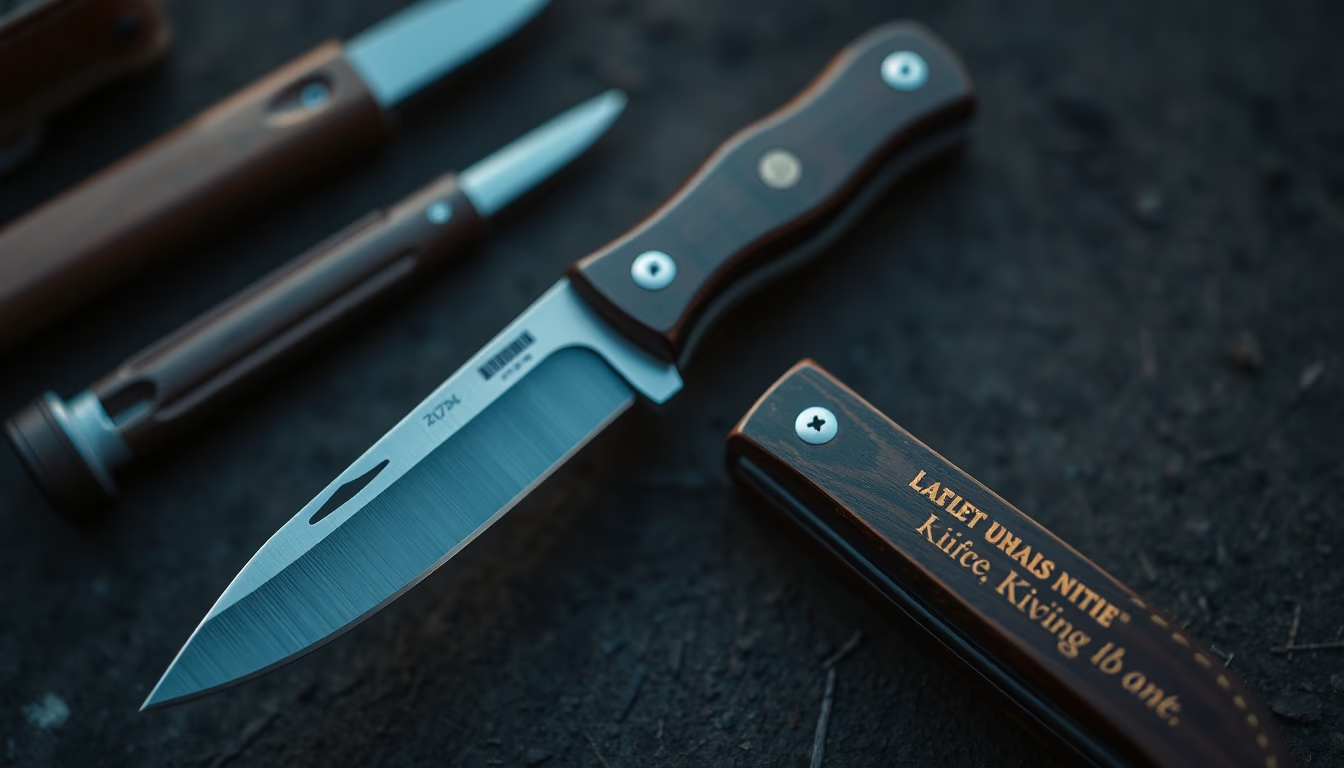
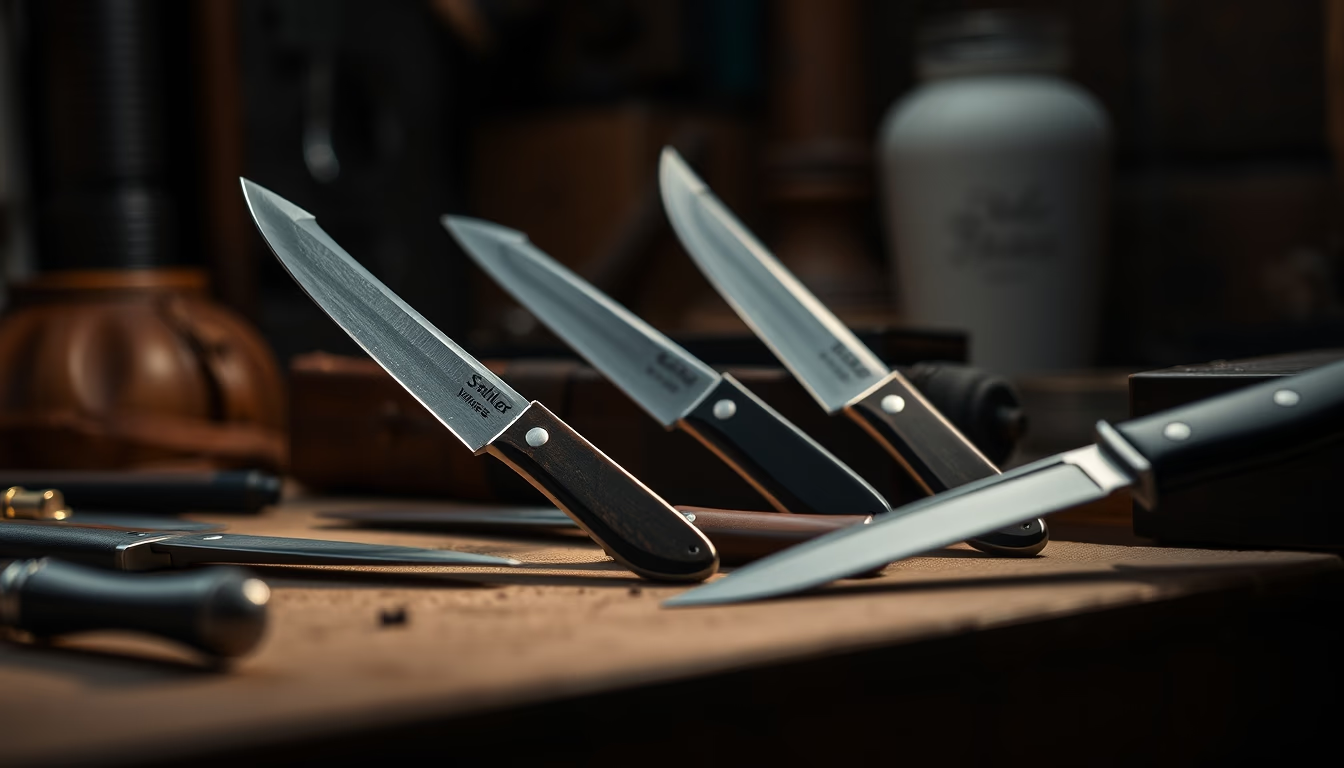
Leather skiving knife, an essential tool for thinning edges and making joins in handcrafted leatherwork.
About this subject
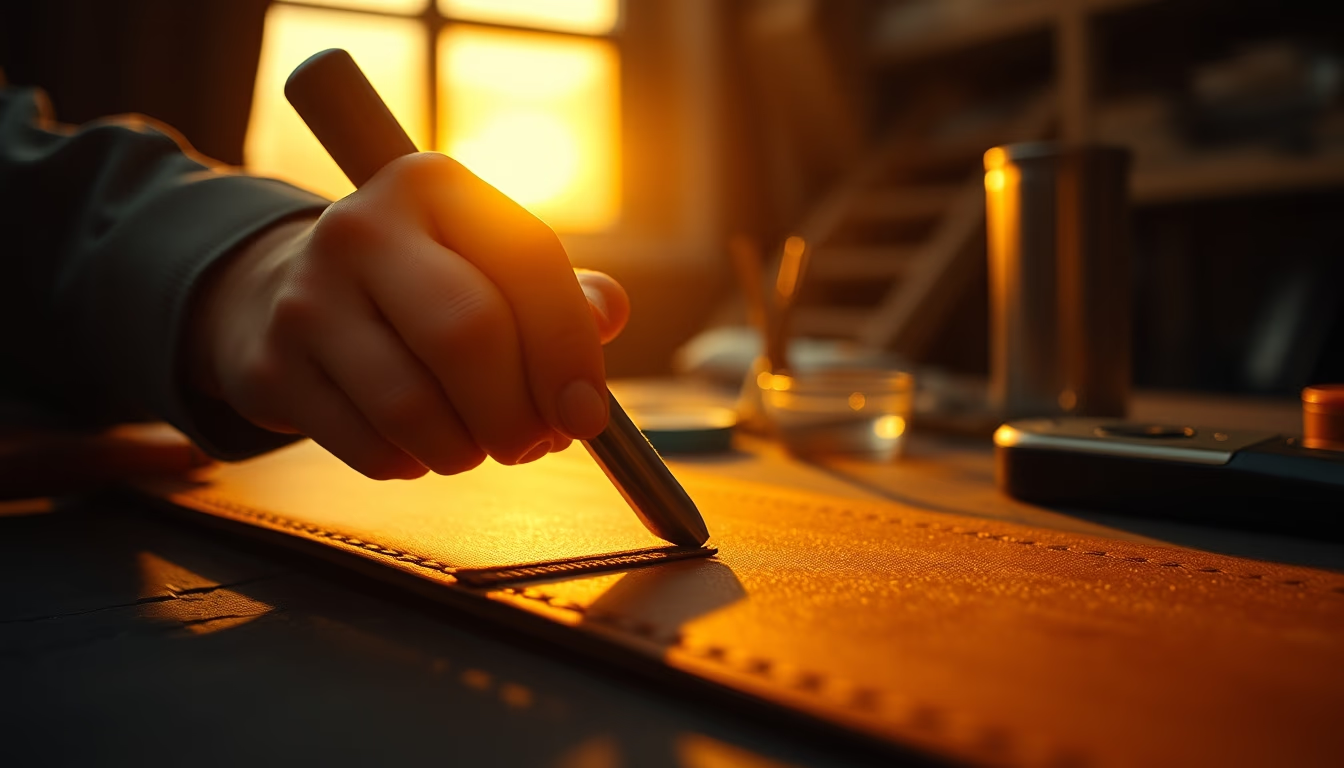
The leather skiving knife, also called skiver or paring knife, is a hand tool used by leathercrafters to reduce the thickness of leather edges and surfaces, enabling clean folds and seamless joins. Different types exist: the French skiver (curved blade), round knife (circular blade), and flat head skiver. Each serves specific finishing tasks, such as skiving belt edges, wallet pockets, and bag flaps.
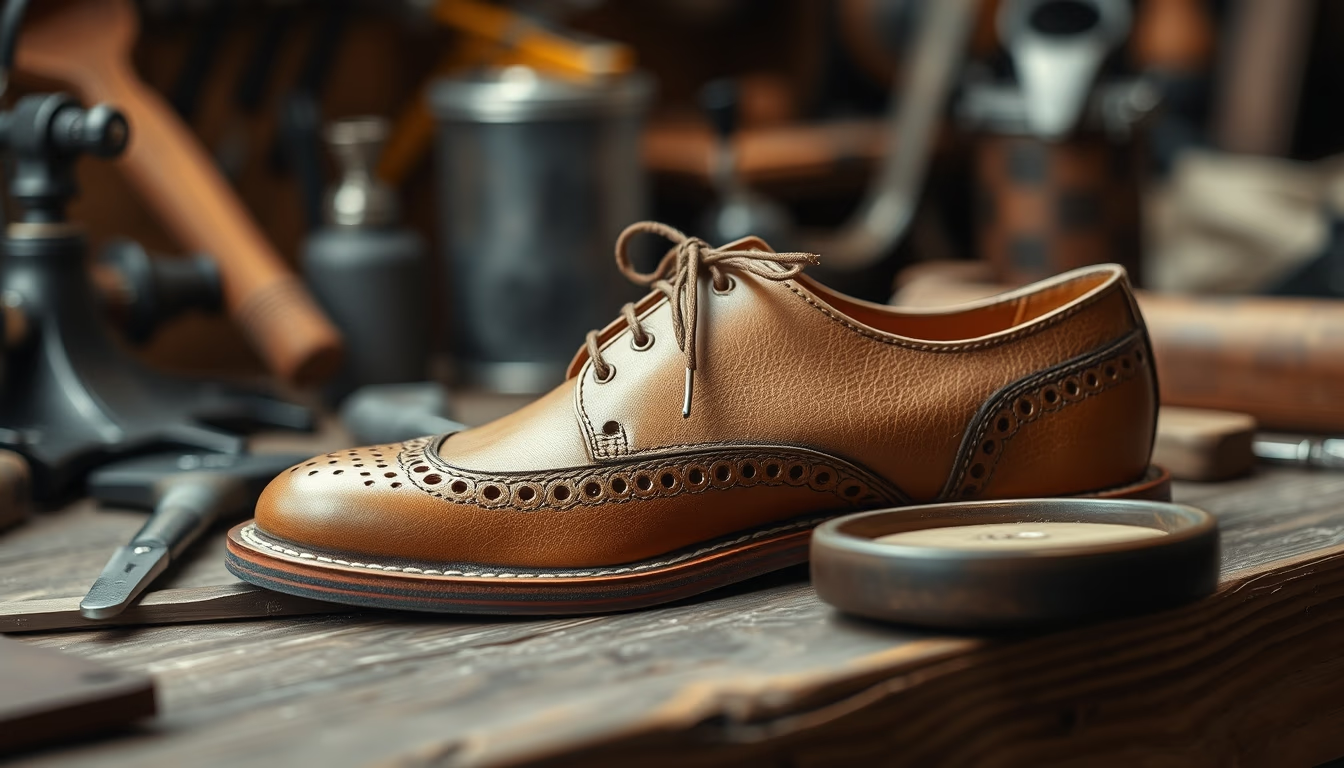
Carbon steel is favored by many artisans for its easy sharpening, although it requires rust protection. The skiving technique depends on blade angle and pressure: a shallow angle yields a smooth cut, while steeper angles remove more material. Historically, hand skiving predates electric machines and remains valued in high-end leather goods like bespoke shoes and luxury accessories.
Proper blade maintenance is critical: regular honing on water stones or a leather strop keeps the edge cutting fibers without tearing. Experienced leatherworkers often own multiple skivers for different leather thicknesses. While modern skiving machines exist, the hand knife provides precise control essential for one-of-a-kind pieces or repairs.
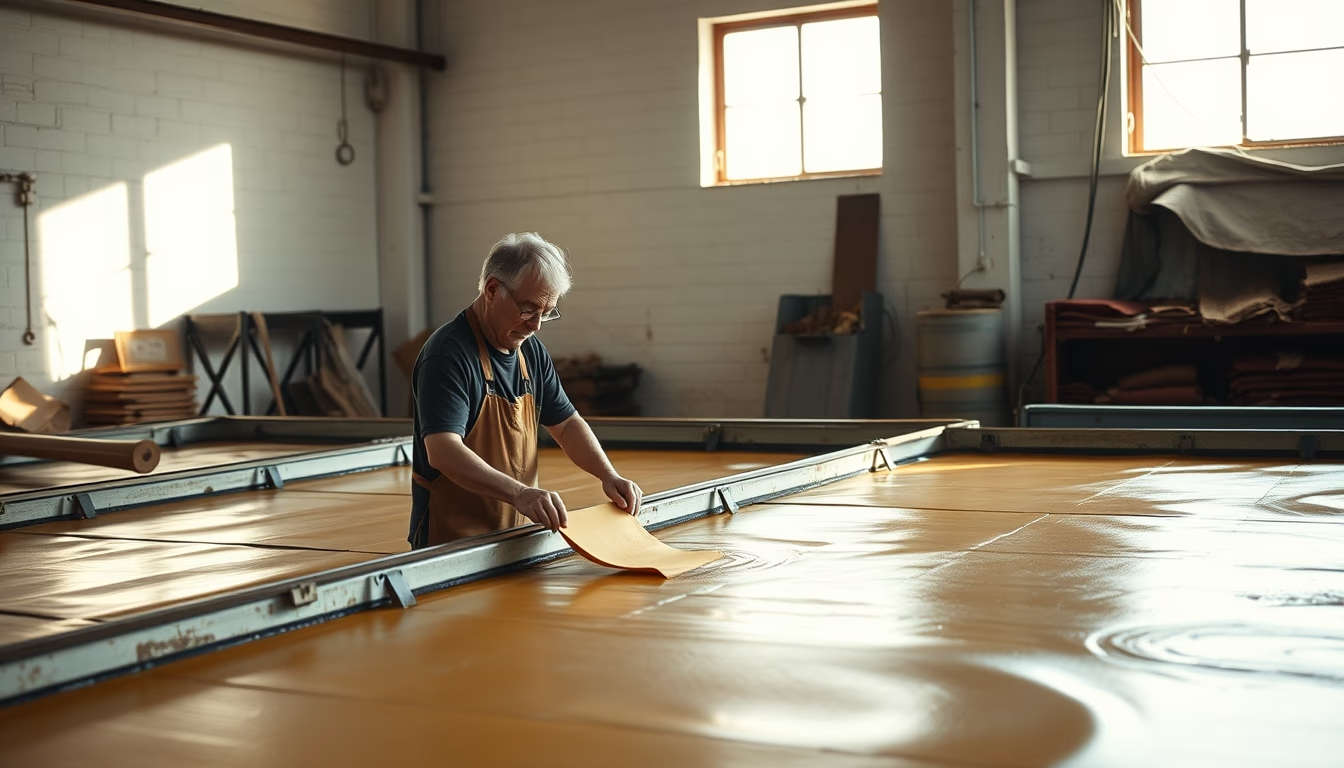
In countries like Brazil, this tool is common in leather workshops, especially in the South and Southeast regions where footwear and accessories have a strong tradition. The skiving knife symbolizes the patience and skill required in leather crafting.
Frequently Asked Questions
What is the difference between a skiving knife and a round knife?
A skiving knife typically has a straight or slightly curved blade designed for thinning edges. A round knife has a circular blade and is used for cutting curves and skiving, offering more versatility for long cuts.
How to sharpen a leather skiving knife?
Use fine water stones (4000 to 8000 grit) followed by a leather strop with polishing compound. Maintain the original blade angle (around 20 to 25 degrees) and make smooth one-direction strokes.
What types of leather can be skived?
Cowhide, goatskin, and lambskin are common. Chrome-tanned leathers can be skived carefully, while vegetable-tanned leathers are ideal due to their firmness. Avoid skiving very thin leathers (less than 1mm) as they may tear.
Direct URL
https://pub-c7d6a6ea828543ac903a74a341ccb2e1.r2.dev/imagens/leather-skiving-knife-lo-fi-disposable-camera-fresh8.avifHow to credit
Include a visible link back to UtilizAí. Copy one of the snippets below:
<a href="https://xn--utiliza-eza.com/en/midia/imagens/leather-skiving-knife-lo-fi-disposable-camera-fresh8">Leather skiving knife</a> by <a href="https://xn--utiliza-eza.com">UtilizAí</a>, licensed under <a href="https://creativecommons.org/licenses/by/4.0/">CC BY 4.0</a>.
[Leather skiving knife](https://xn--utiliza-eza.com/en/midia/imagens/leather-skiving-knife-lo-fi-disposable-camera-fresh8) by [UtilizAí](https://xn--utiliza-eza.com), CC BY 4.0
License: CC-BY-4.0