Leather journal travel
1344×768 · AVIF · CC BY 4.0

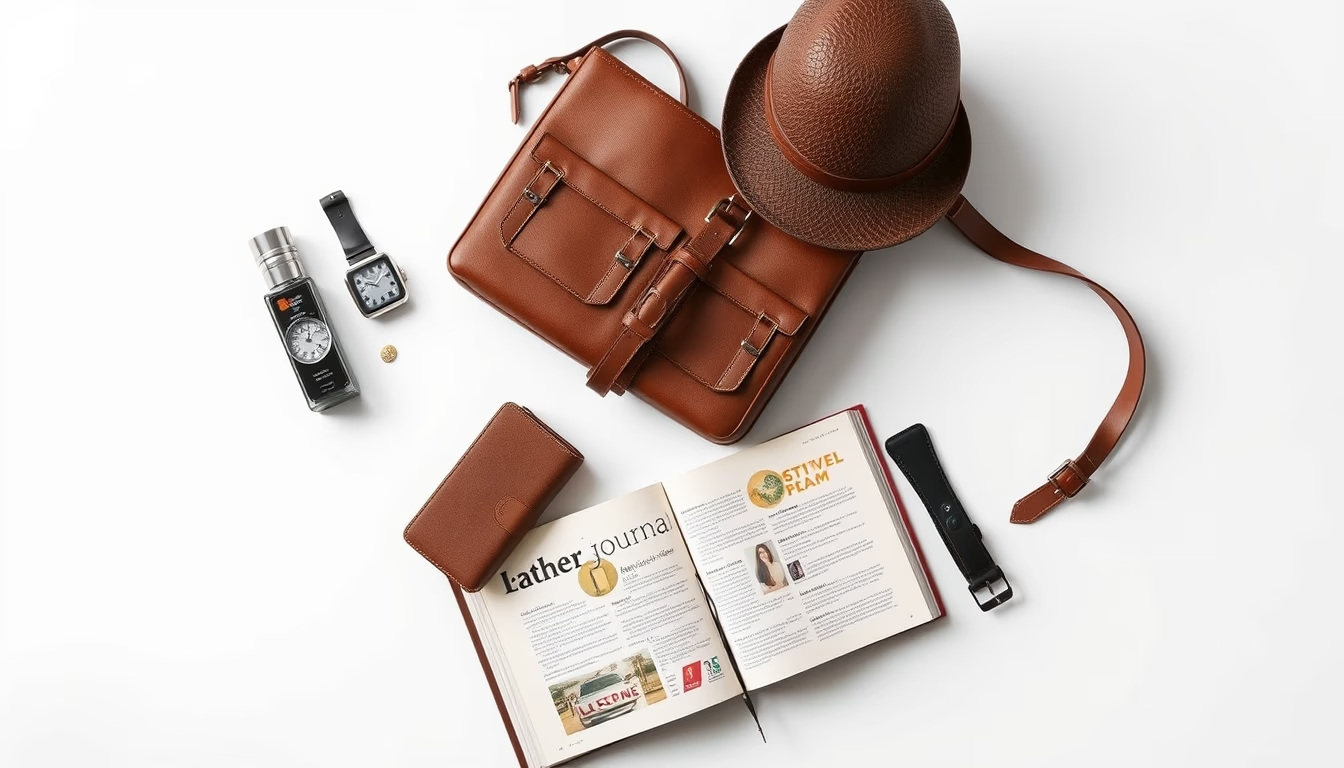
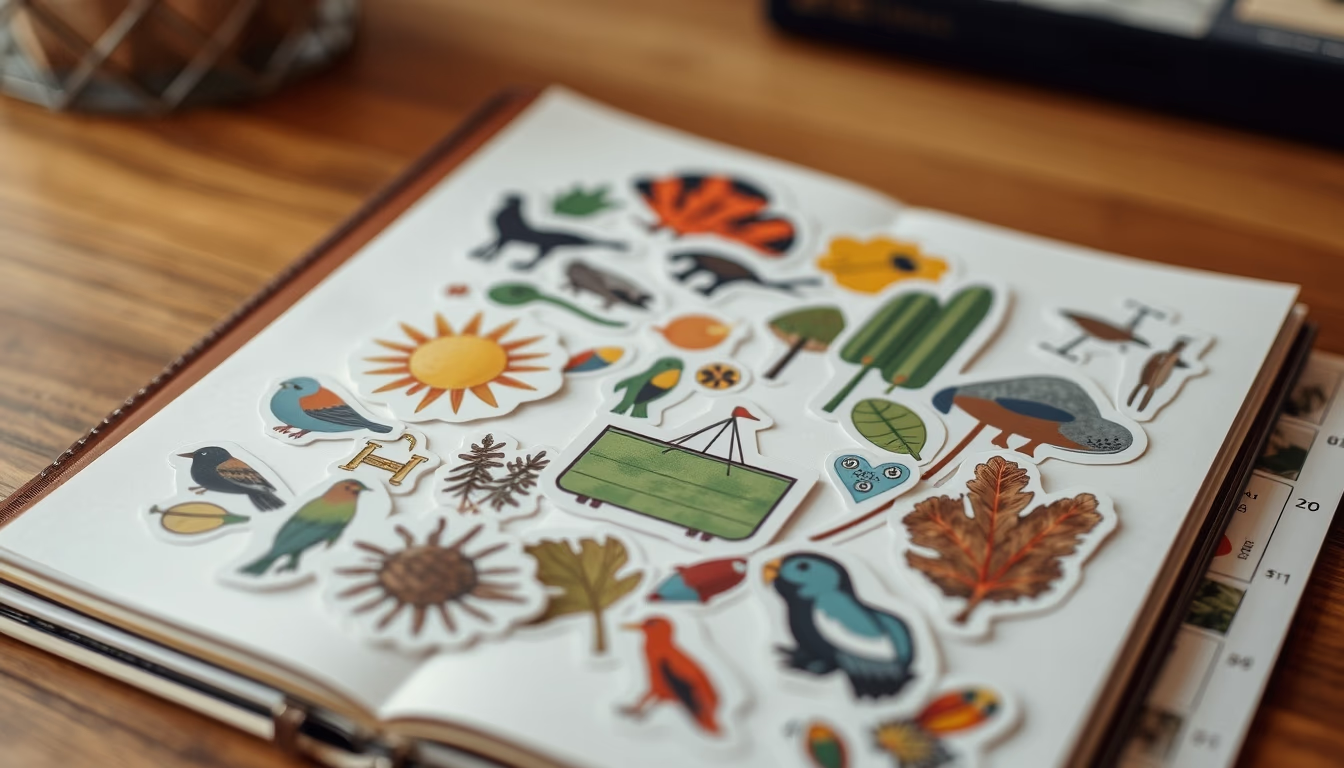
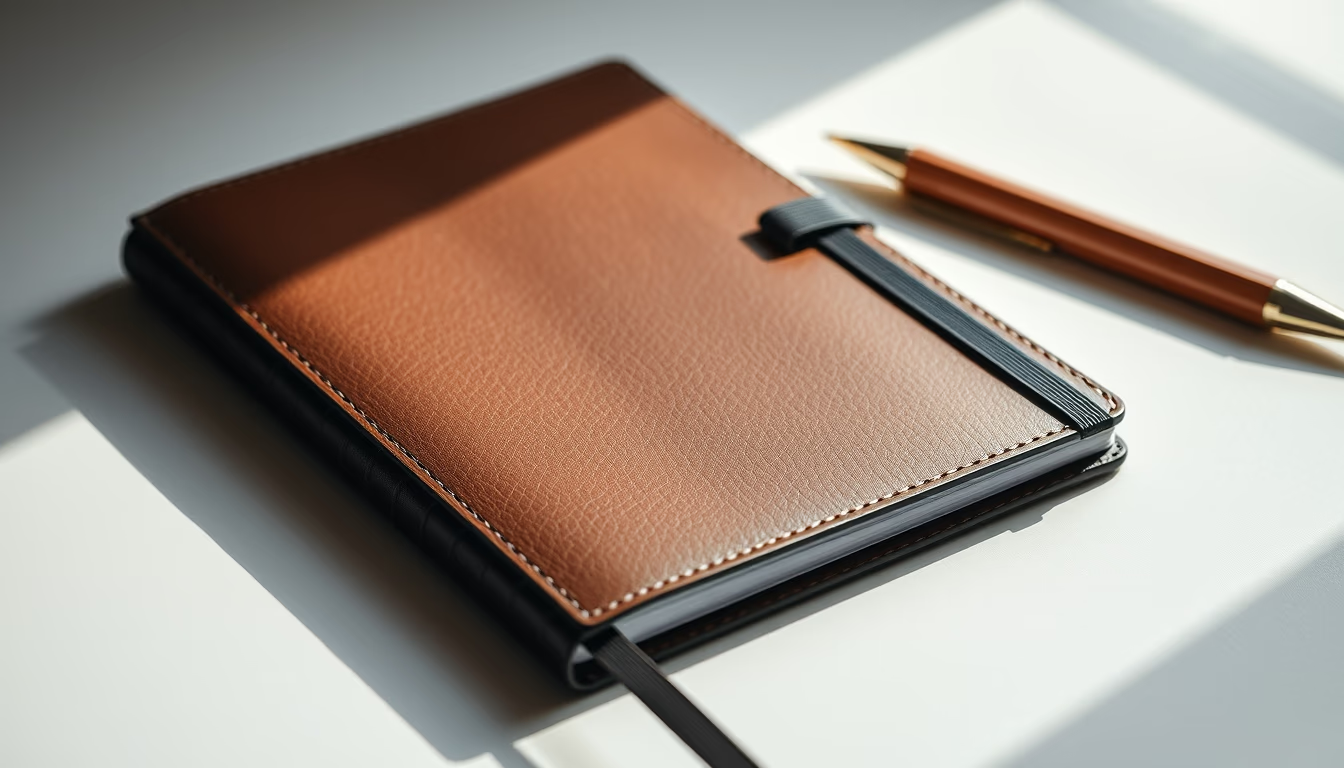
A leather travel journal is more than a notebook; it is a companion that records memories, discoveries, and reflections around the world.
About this subject
Leather travel journals have a long history, dating back to explorers and naturalists of centuries past. Before the digital age, travelers like Charles Darwin and Marco Polo recorded their observations in leather-bound notebooks, which offered protection against weather and resistance to wear. The choice of leather reflects the need for durability on long expeditions, where the journal faces moisture, heat, and constant handling. This tradition continues today, combining functionality with an aesthetic that recalls an era of discovery.
In contemporary culture, the leather travel journal has gained traction among those seeking an analog experience amidst digital omnipresence. Writing by hand in a high-quality notebook encourages deeper reflection and the recording of details often missed by quick photos. Many travelers opt for models with elastic or zipper closures, ensuring loose pages are not lost during the journey. Moreover, leather develops patina over time, personalizing the journal with marks of use that tell their own stories.
Practices such as bullet journalling adapted for travel and field diaries inspire a new generation of adventurers to document itineraries, addresses, and personal impressions. The leather travel journal thus becomes both a functional and symbolic object, merging the utility of an organizer with the poetry of an intimate diary. In a world where memory is increasingly mediated by screens, it stands out as a tangible, personal medium for ideas and adventures.
Frequently Asked Questions
Why choose a leather travel journal over a digital one?
A leather journal offers durability, does not require batteries, and provides a more personal connection to your notes. Handwriting stimulates memory and creativity, and the journal itself becomes a storied object as it ages.
What is the best type of leather for a travel journal?
Vegetable-tanned leathers, such as cowhide or goatskin, are ideal for their strength and patina development. Avoid synthetic leathers, which may peel over time.
What should I write in a travel journal to make it interesting?
Beyond describing places and people, include sensory impressions, anecdotes, sketches, tickets, and maps. The journal gains value from unique details, like the smell of a market or the sound of a busy street.
Direct URL
https://pub-c7d6a6ea828543ac903a74a341ccb2e1.r2.dev/imagens/leather-journal-travel-documentary-photography-fresh10.avifHow to credit
Include a visible link back to UtilizAí. Copy one of the snippets below:
<a href="https://xn--utiliza-eza.com/en/midia/imagens/leather-journal-travel-documentary-photography-fresh10">Leather journal travel</a> by <a href="https://xn--utiliza-eza.com">UtilizAí</a>, licensed under <a href="https://creativecommons.org/licenses/by/4.0/">CC BY 4.0</a>.
[Leather journal travel](https://xn--utiliza-eza.com/en/midia/imagens/leather-journal-travel-documentary-photography-fresh10) by [UtilizAí](https://xn--utiliza-eza.com), CC BY 4.0
License: CC-BY-4.0