Leather embossing tools
1344×768 · AVIF · CC BY 4.0
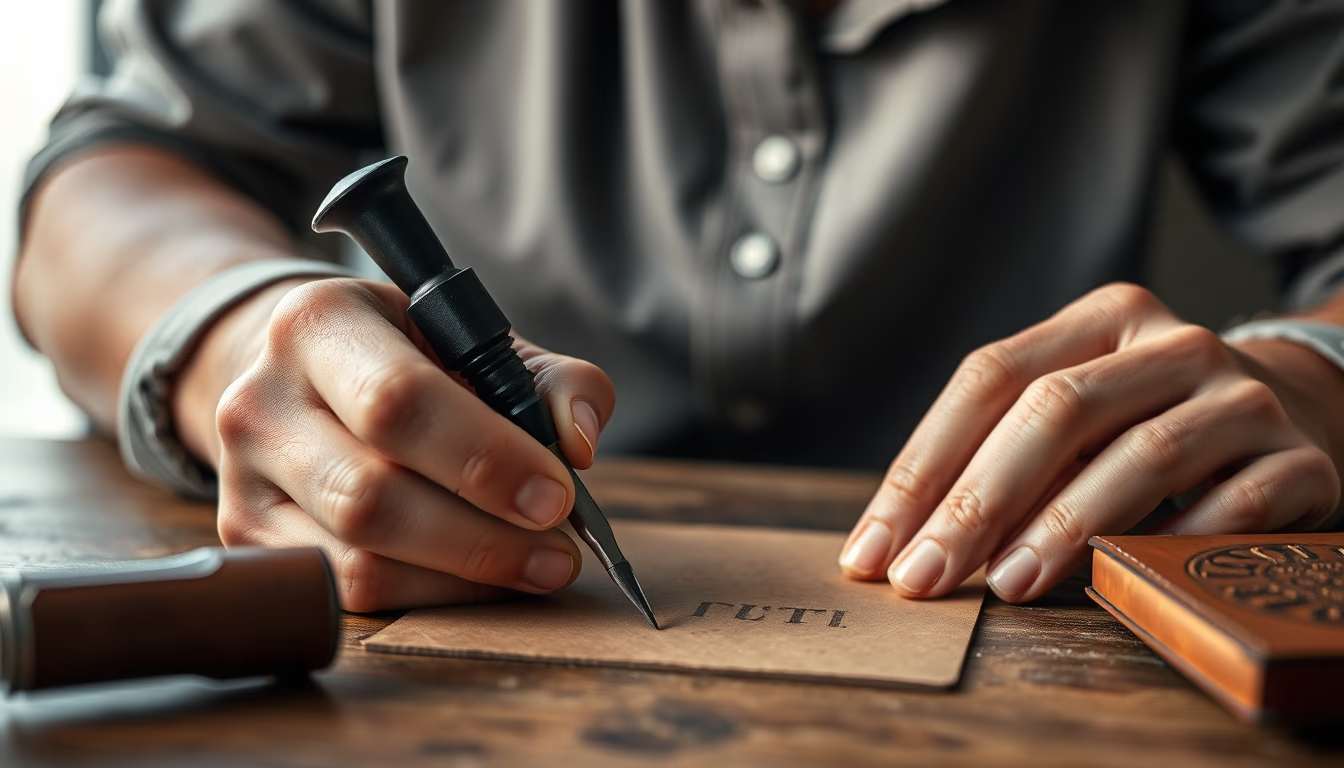
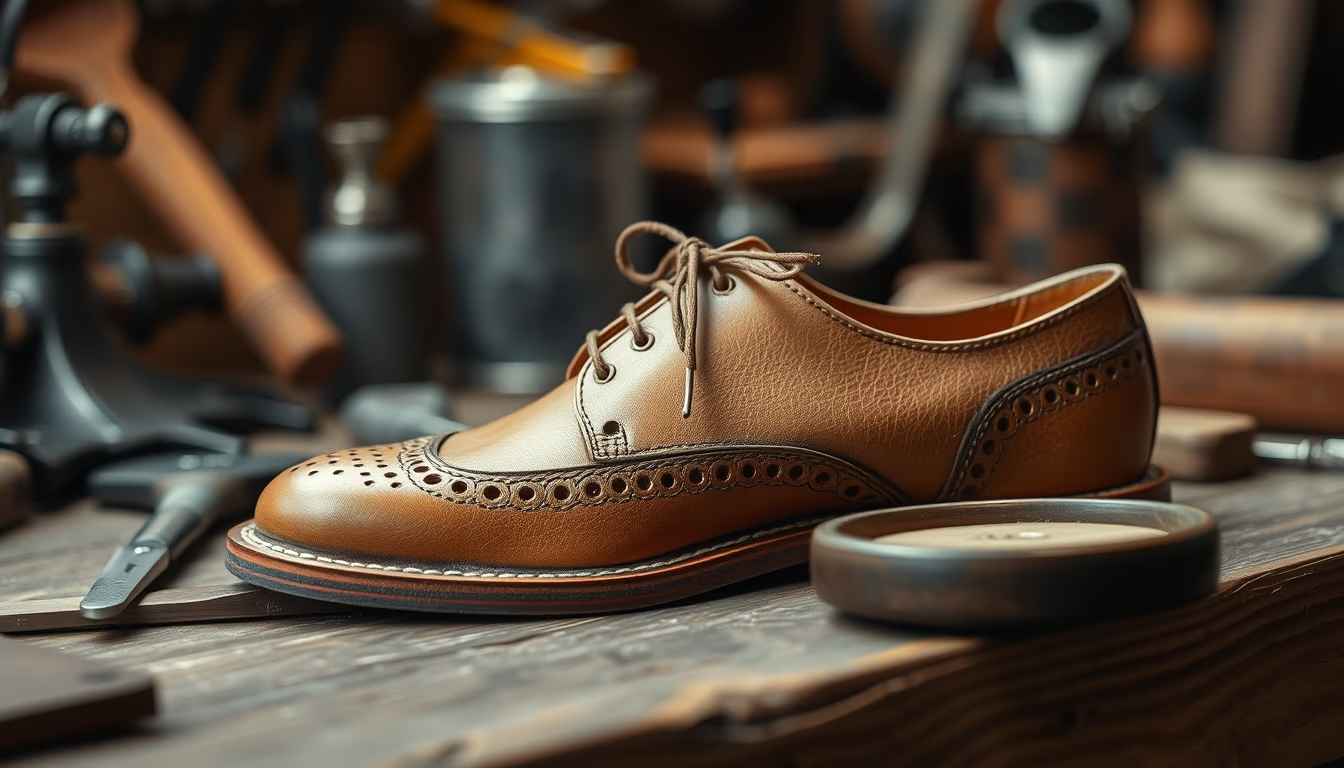
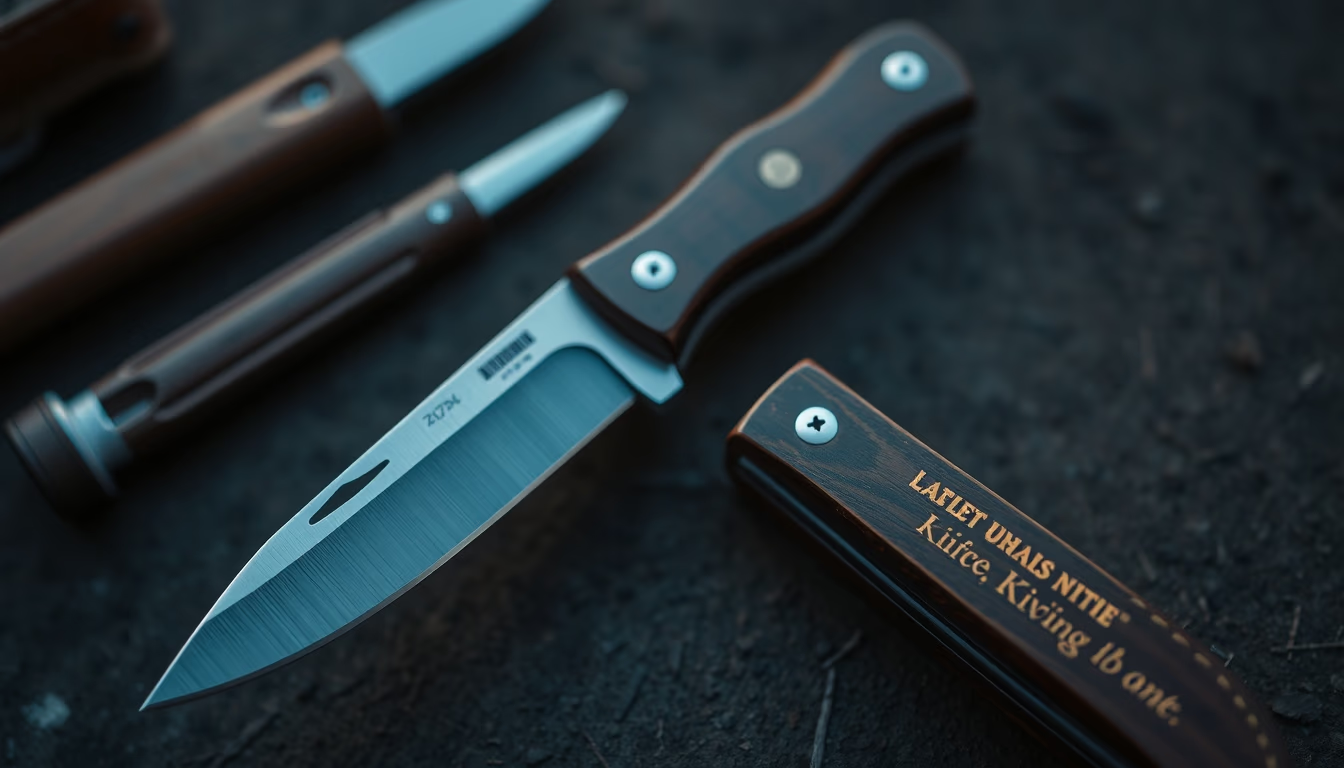
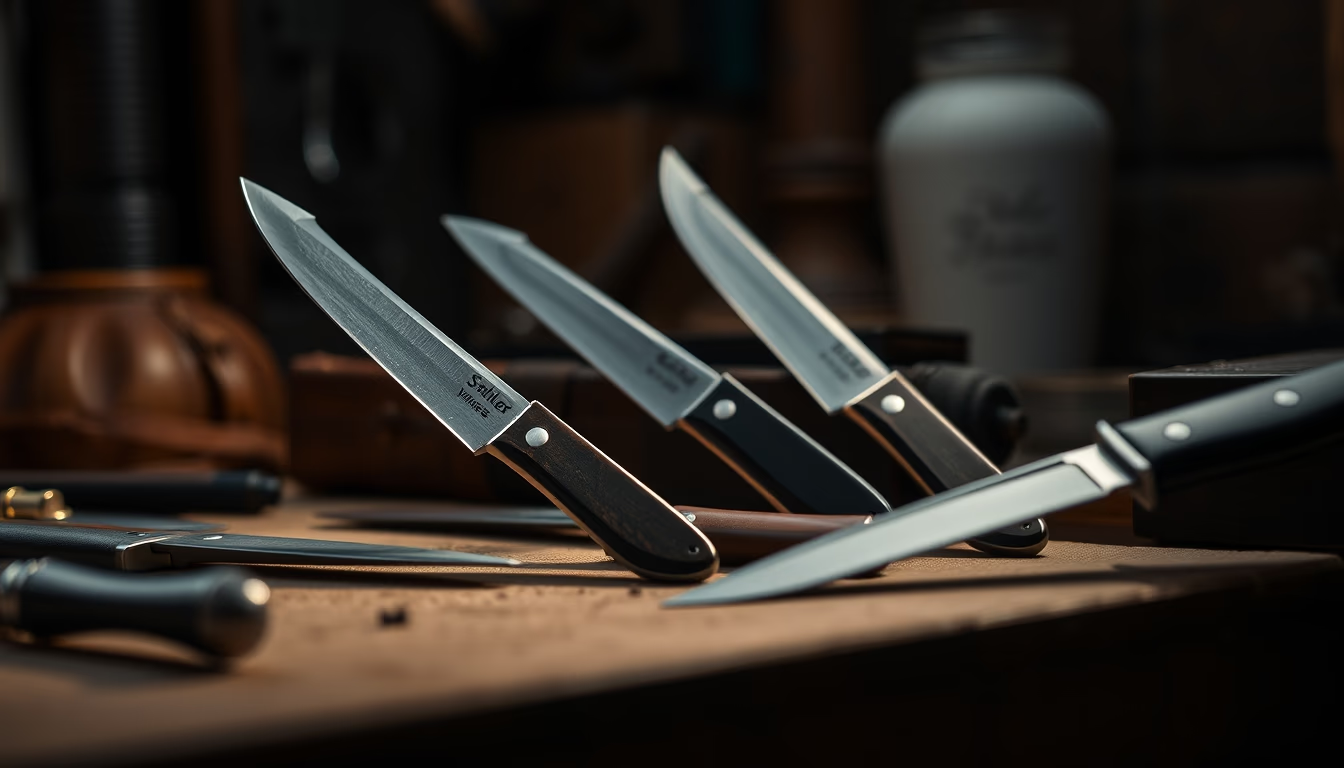
Leather embossing tools are hand instruments used to create raised patterns and textures on leather pieces, a traditional craft requiring precision and material knowledge.
About this subject
Leather embossing tools, also called stamping tools or carving tools, are hand instruments used by craftspeople to mark, press, or incise leather surfaces, creating decorative raised patterns. These tools typically have wooden or metal handles and hardened steel tips in various shapes: straight, curved, pointed, or with specific designs such as flowers, scrolls, and letters.
The embossing technique requires the leather to be dampened for pliability, then tools are either heated or used cold to press the surface. The artisan uses a tracing hammer (or rubber mallet) to strike the tool and transfer the pattern. Common tool types include bevelers (for smoothing edges), background stamps (to fill background areas), and cameo stamps (to create three-dimensional effects).
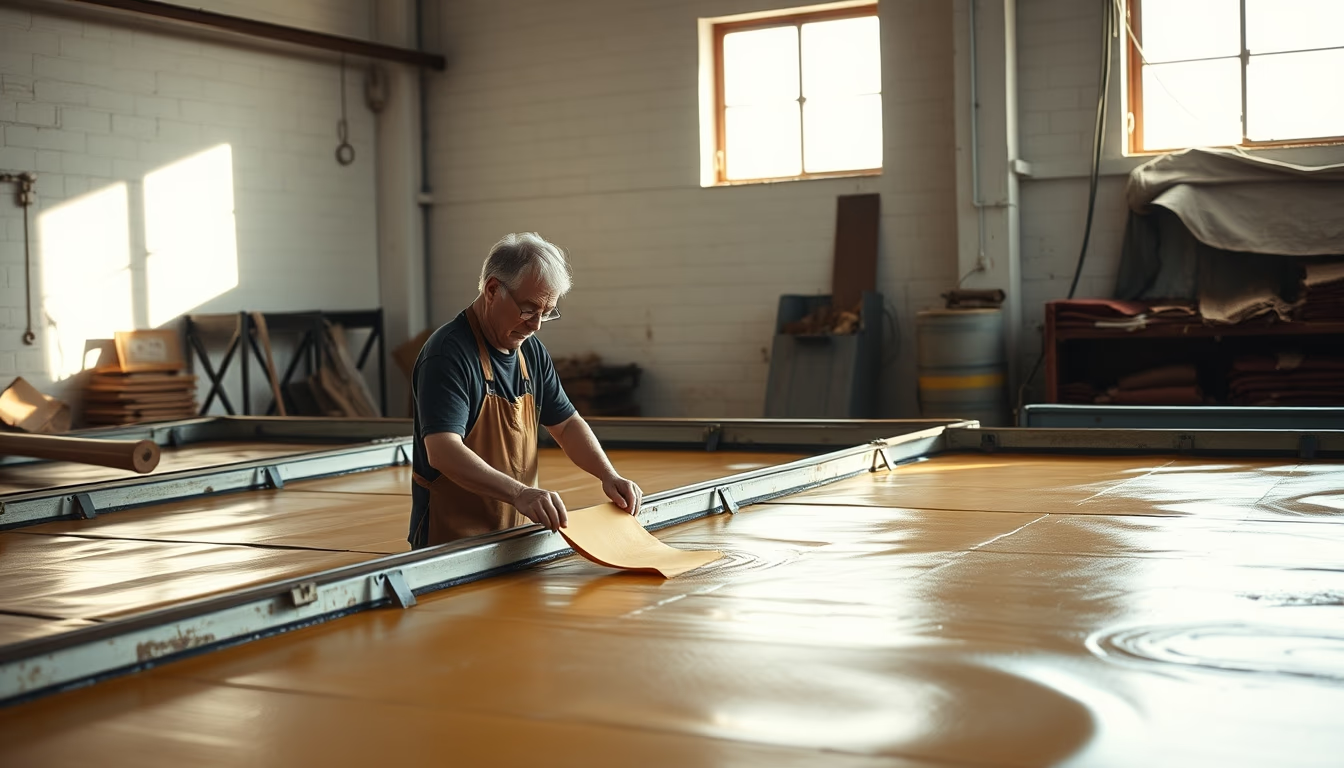
Historically, leather embossing was used for ownership marks, bookbinding, and accessories like bags and belts. Today it remains popular among artisans and small brands that value handcraftsmanship. The choice of tool depends on the desired pattern and leather firmness; vegetable-tanned leather is preferred because it holds impressions well.
Manufacturing these tools requires precise metallurgy to ensure sharp edges and durability. Traditional brands like Tandy Leather and Craftool are references, but many artisans prefer custom or handcrafted tools. Maintenance involves cleaning and oiling to prevent rust, as exposure to steam and water can damage them.
Frequently Asked Questions
What is the difference between hot and cold embossing tools?
Hot tools are heated (usually on an electric heater or flame) to gently burn the leather, creating dark, permanent marks. Cold tools are used without heat; the embossing is done solely by pressure, common in wet-formed carving.
What type of leather is best for embossing?
Vegetable-tanned leather (tanned with tannin) is best because it is firm, absorbs moisture well, and holds crisp impressions. Chrome-tanned or very flexible leather does not retain the raised pattern as effectively.
How should leather embossing tools be cleaned and maintained?
After use, wipe tips with a dry cloth to remove leather residue. Apply a light oil (mineral or tool oil) to metal parts to prevent rust. Store in a dry place away from moisture.
Direct URL
https://pub-c7d6a6ea828543ac903a74a341ccb2e1.r2.dev/imagens/leather-embossing-tools-lo-fi-disposable-camera-fresh0.avifHow to credit
Include a visible link back to UtilizAí. Copy one of the snippets below:
<a href="https://xn--utiliza-eza.com/en/midia/imagens/leather-embossing-tools-lo-fi-disposable-camera-fresh0">Leather embossing tools</a> by <a href="https://xn--utiliza-eza.com">UtilizAí</a>, licensed under <a href="https://creativecommons.org/licenses/by/4.0/">CC BY 4.0</a>.
[Leather embossing tools](https://xn--utiliza-eza.com/en/midia/imagens/leather-embossing-tools-lo-fi-disposable-camera-fresh0) by [UtilizAí](https://xn--utiliza-eza.com), CC BY 4.0
License: CC-BY-4.0