Leather embossing tools
1344×768 · AVIF · CC BY 4.0
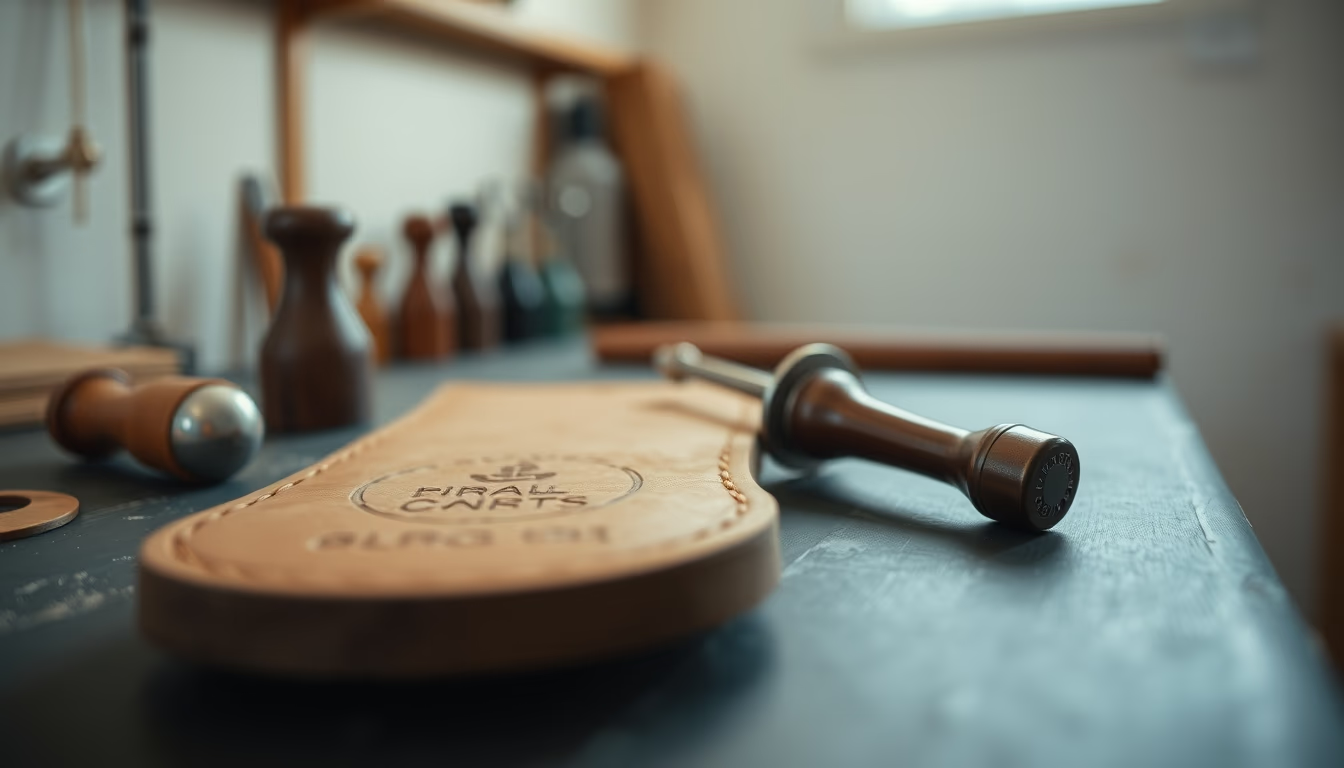
Leather embossing tools: types, uses and essential techniques for craftsmen and DIY enthusiasts.
About this subject
Leather embossing tools, also known as stamping or tooling tools, are instruments used to create raised or recessed designs on the leather surface. They come in many types: manual metal stamps (made of brass or steel), hydraulic presses, and heated tools for pyrography. Each stamp has a specific shape, such as letters, numbers, filigree, textures, or geometric figures. The craftsman uses a mallet to strike the stamp, or applies mechanical pressure, on dampened leather to permanently mark the material.
The technique of leather embossing is ancient. In Ancient Egypt and Mesopotamia, seals were used to mark hides. During the Middle Ages, European bookbinders developed sophisticated relief methods using heated tools and gold leaf. In the Renaissance, the art of worked leather reached great refinement in Spain and Portugal with the so-called "cordovan leathers." Today, the practice remains strong among artisans who produce belts, wallets, bags, and personalized covers.
To use these tools properly, the leather must be slightly damp. The artisan positions the stamp on the desired spot and strikes it with a specific mallet, usually made of nylon or rubber, to avoid damaging the tool. The depth of the relief depends on the force and number of strikes. There are also lever presses that apply uniform pressure, ideal for larger series. Heated tools like pyrography pens burn the leather surface, creating dark tones and fine details.
In the market, embossing tools vary in price and quality. Basic sets of letter and number stamps can cost from $20, while professional figure and texture sets can reach hundreds of dollars. The most durable material is steel, although brass is also common. For beginners, vegetable-tanned cowhide is recommended because it responds well to moisture and pressure. Tool maintenance is simple: after use, wipe with a dry cloth and store in a dry place to prevent oxidation.
Frequently Asked Questions
What is the difference between dry embossing and gold tooling?
Dry embossing uses only pressure to mark the leather, while gold tooling applies heated metallic leaf over an adhesive base, creating a shiny metal finish.
Can I use a regular hammer for leather stamping?
Not recommended. Metal hammers can deform the stamps and damage the leather. Use a nylon or rubber mallet specifically made for leatherwork.
How to maintain embossing tools?
Wipe them with a dry cloth after use to remove residue. Store in a dry, ventilated place, and apply a thin coat of mineral oil to metal parts to prevent rust.
Direct URL
https://pub-c7d6a6ea828543ac903a74a341ccb2e1.r2.dev/imagens/leather-embossing-tools-documentary-photography-fresh7.avifHow to credit
Include a visible link back to UtilizAí. Copy one of the snippets below:
<a href="https://xn--utiliza-eza.com/en/midia/imagens/leather-embossing-tools-documentary-photography-fresh7">Leather embossing tools</a> by <a href="https://xn--utiliza-eza.com">UtilizAí</a>, licensed under <a href="https://creativecommons.org/licenses/by/4.0/">CC BY 4.0</a>.
[Leather embossing tools](https://xn--utiliza-eza.com/en/midia/imagens/leather-embossing-tools-documentary-photography-fresh7) by [UtilizAí](https://xn--utiliza-eza.com), CC BY 4.0
License: CC-BY-4.0