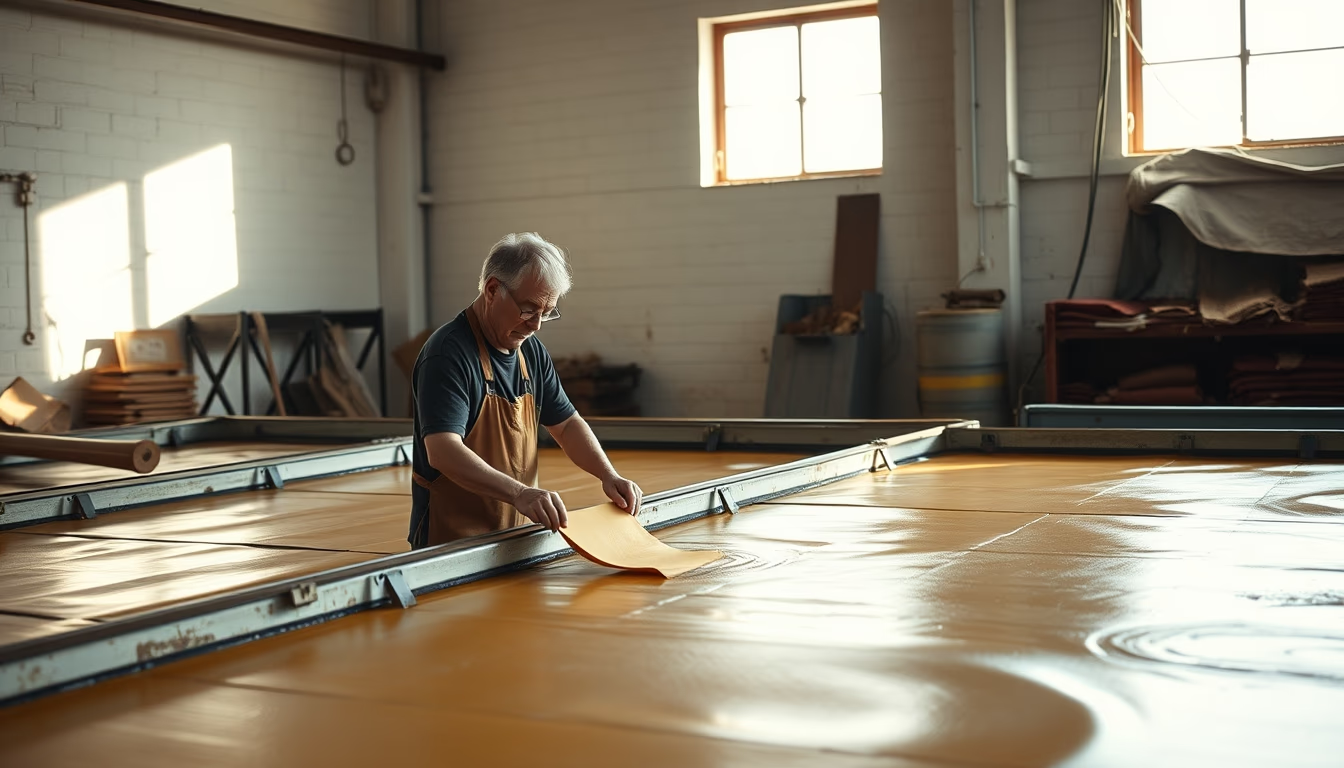
Leather embossing tools
1344×768 · AVIF · CC BY 4.0

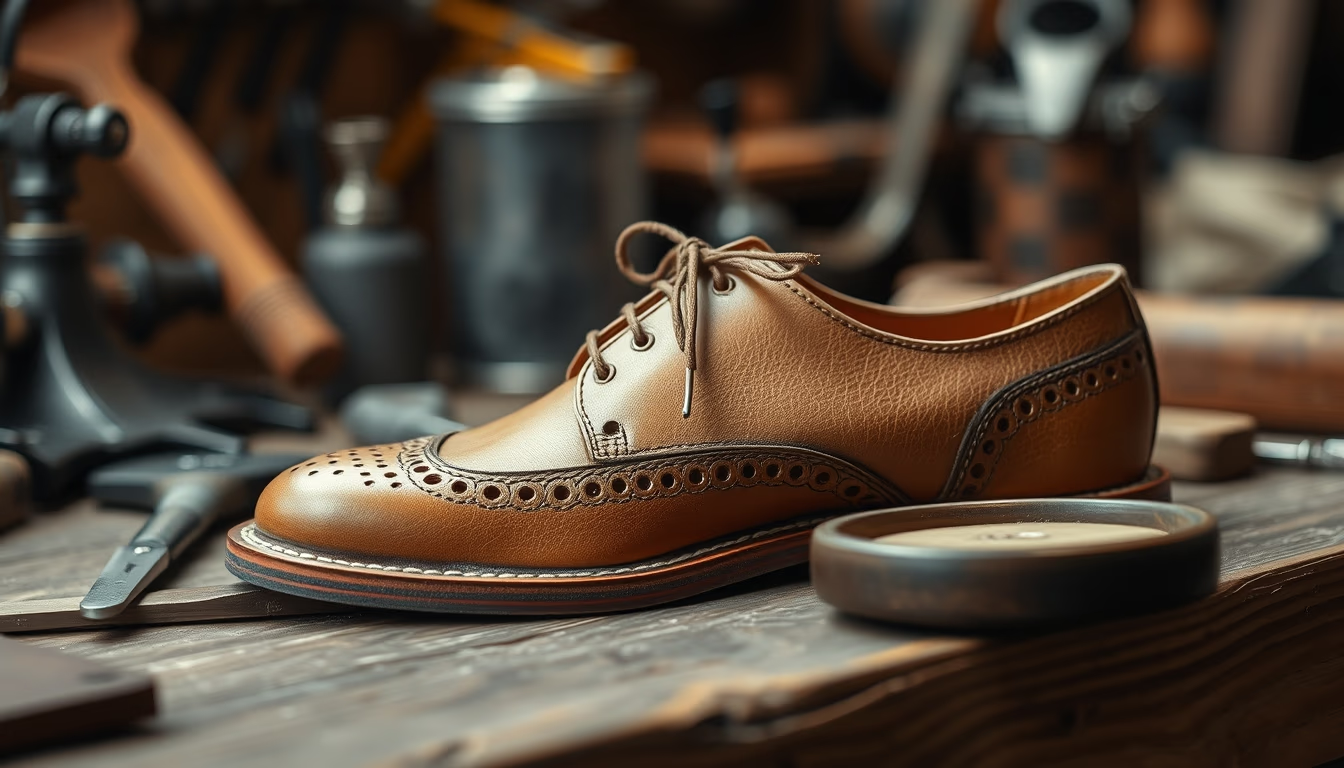
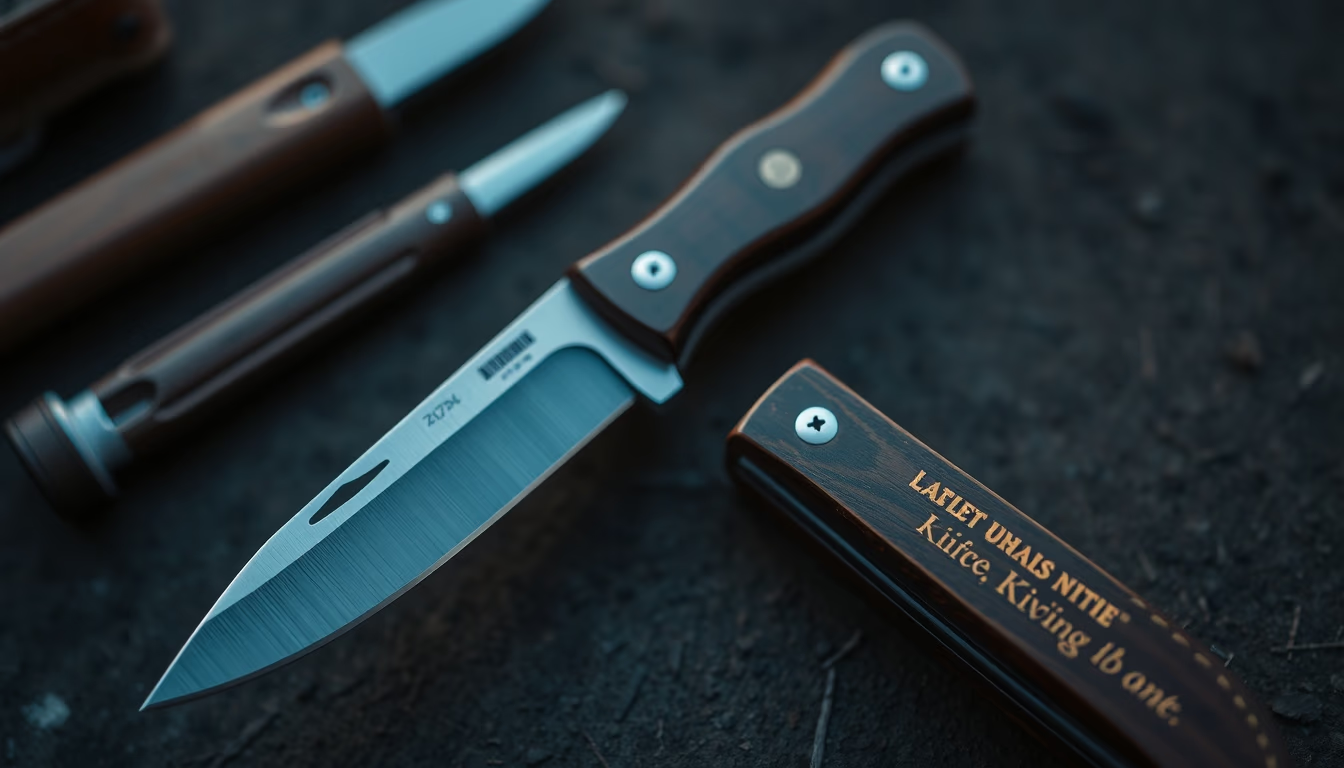
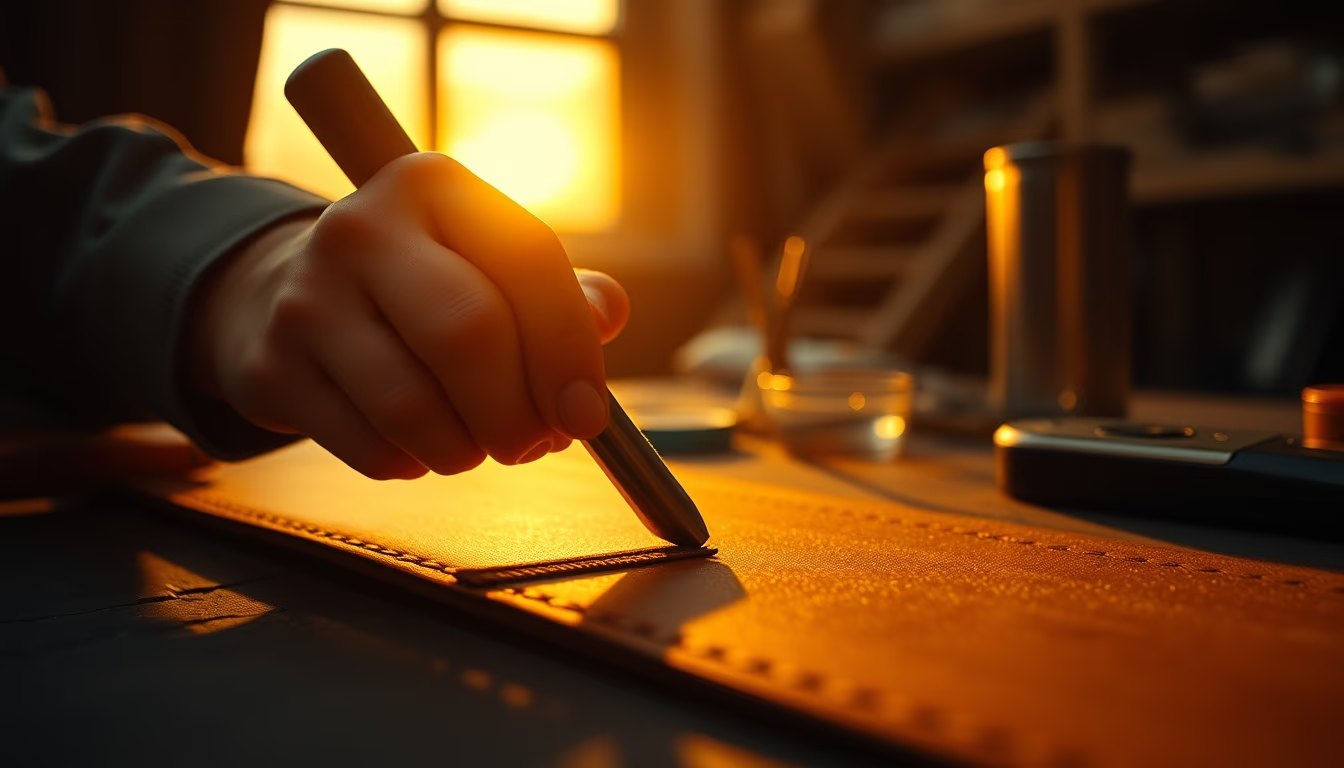
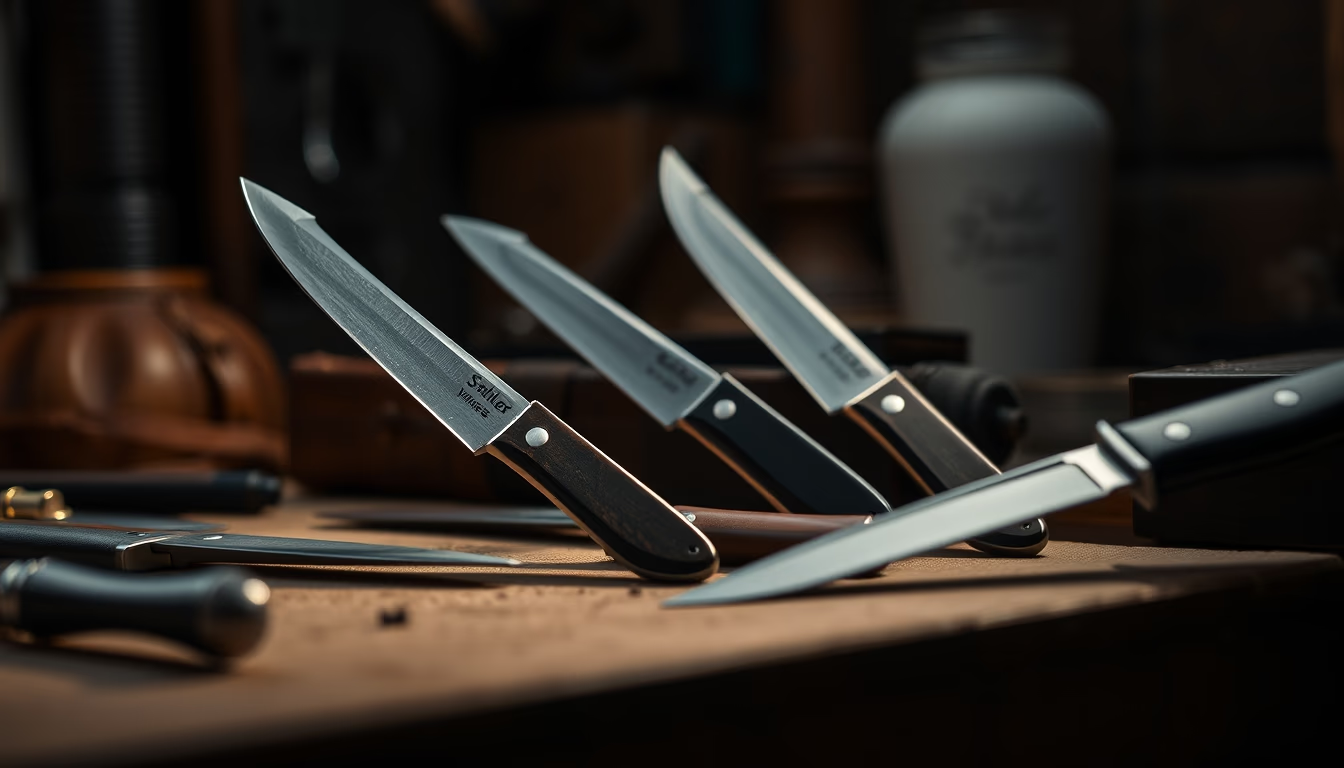
Leather embossing tools, such as stamps and punches, are essential for craftsmen to create ornamental reliefs or text on leather pieces.
About this subject
Leather embossing tools form the basic kit for craftsmen who wish to add decorative or functional reliefs to leather. Comprising manual stamps, punches, rollers, and dies for hydraulic presses, these tools can be made of hardened steel, brass, wood, or resin. Historically, their use dates back to the Middle Ages, when European artisans decorated book covers and chests with personalized seals.
Production of the stamps involves hand carving or CNC machining, followed by heat treatment to ensure hardness and resistance to repeated impact. The most common materials are steel for industrial use and brass for artisanal work, due to malleability and lower cost. Tool selection depends on leather type and desired effect: firmer leathers require greater pressure, while softer ones adapt to subtler reliefs.
The embossing technique requires the leather to be slightly dampened to soften the fibers, then the stamp is struck with a mallet or pressed using a press. Relief depth is controlled by the force applied and leather thickness. Applications range from fashion items like belts and bags to furniture pieces and luxury goods such as journals and phone cases. Poorly maintained tools can damage the leather or produce uneven results.
Interestingly, leather seals were historically used to authenticate royal and ecclesiastical documents, functioning as a physical signature. The difference between embossing and debossing lies in the die direction: the former pushes leather upward, the latter downward. Globally, each region developed specific styles: Indian tools often feature floral motifs, while European and Brazilian ones vary between geometric and natural themes.
Frequently Asked Questions
What is the difference between embossing and debossing?
Embossing raises the leather to create a relief, while debossing presses the leather down to create a depression. Both use similar tools, but the dies are reversed: one has the design in high relief and the other in low relief.
Is it possible to emboss leather without specialized tools?
Yes, it is possible to improvise with pointed objects or a homemade press, but proper tools ensure greater precision, uniformity, and durability of the final result.
How should leather embossing tools be maintained?
They should be cleaned after each use to remove leather and grease residues, protected from rust with a light oil (such as machine oil), and stored in a dry place, preferably in a case or individual holder.
Direct URL
https://pub-c7d6a6ea828543ac903a74a341ccb2e1.r2.dev/imagens/leather-embossing-tools-aerial-drone-shot-fresh10.avifHow to credit
Include a visible link back to UtilizAí. Copy one of the snippets below:
<a href="https://xn--utiliza-eza.com/en/midia/imagens/leather-embossing-tools-aerial-drone-shot-fresh10">Leather embossing tools</a> by <a href="https://xn--utiliza-eza.com">UtilizAí</a>, licensed under <a href="https://creativecommons.org/licenses/by/4.0/">CC BY 4.0</a>.
[Leather embossing tools](https://xn--utiliza-eza.com/en/midia/imagens/leather-embossing-tools-aerial-drone-shot-fresh10) by [UtilizAí](https://xn--utiliza-eza.com), CC BY 4.0
License: CC-BY-4.0