Leather dyeing vat
1344×768 · AVIF · CC BY 4.0
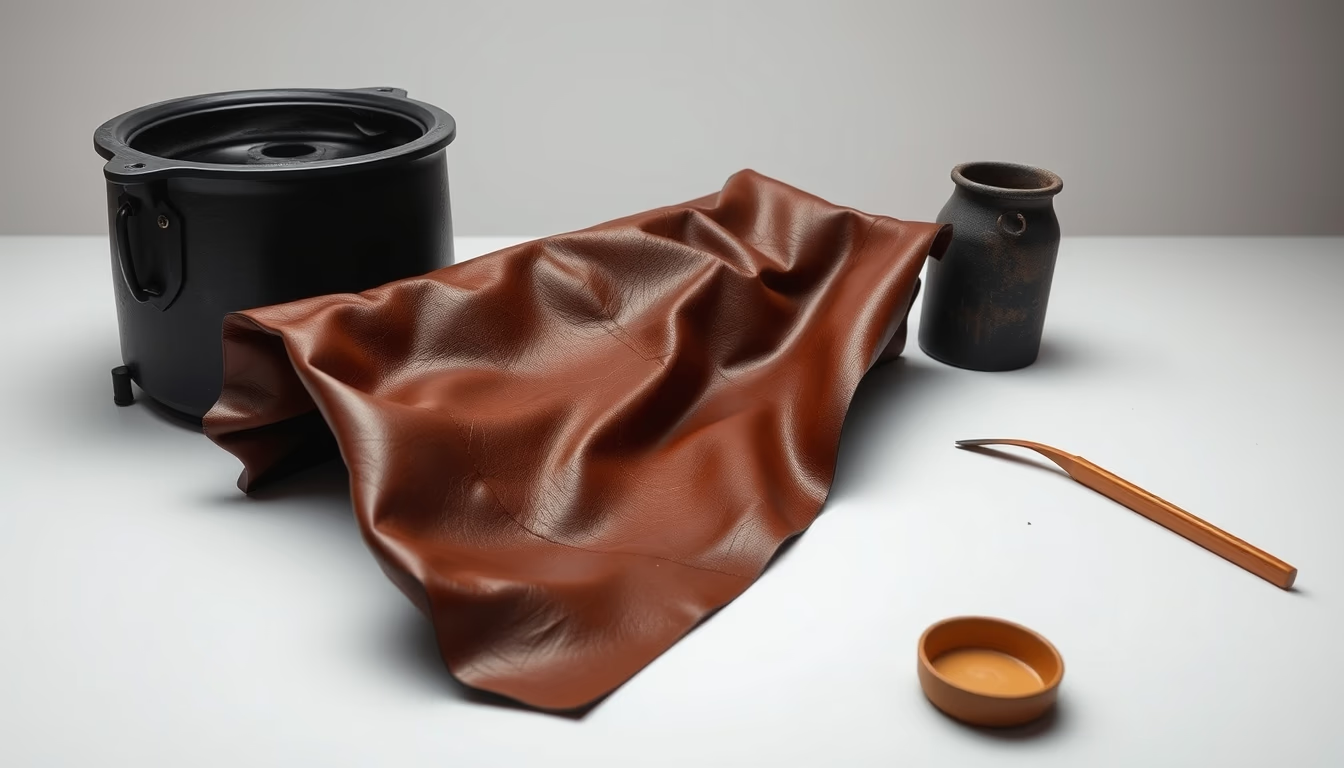
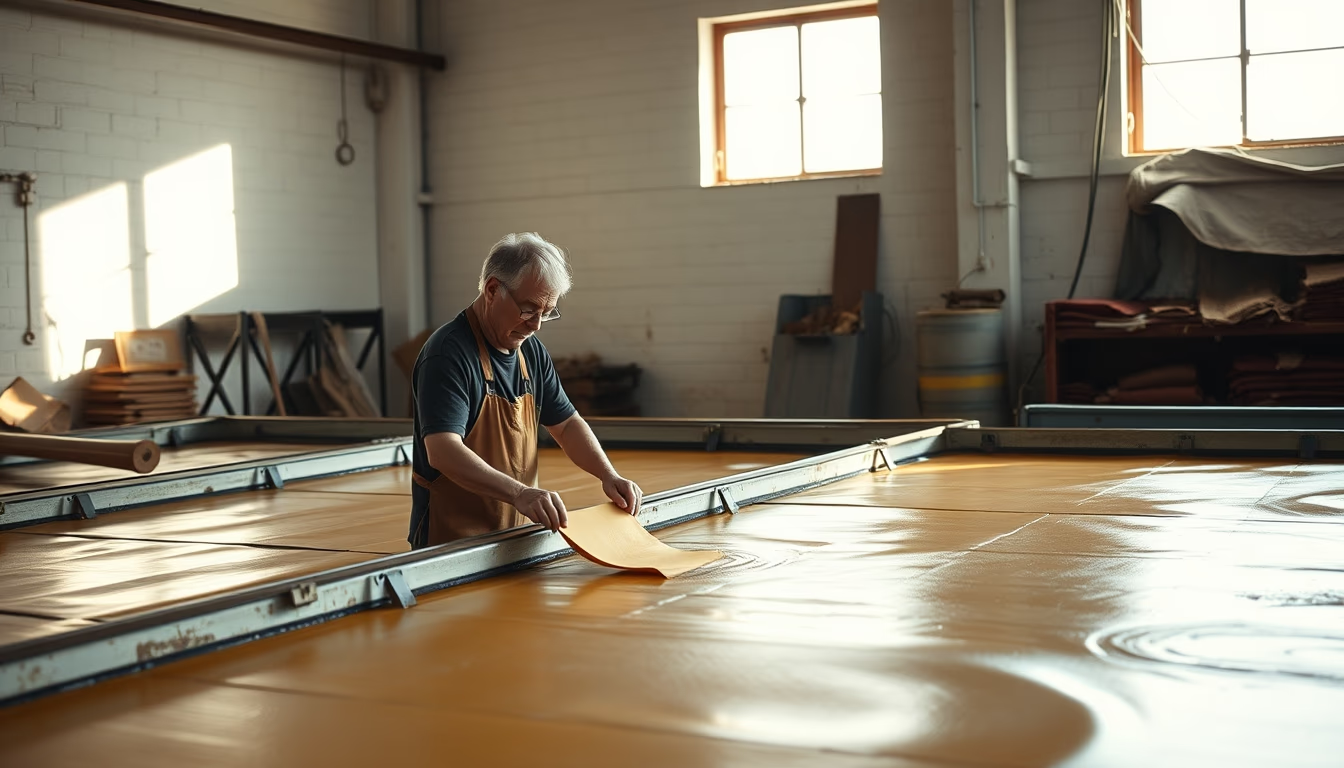
A leather dyeing vat is essential equipment in the leather industry, used to apply dyes to hides for uniform and durable coloration.
About this subject
A leather dyeing vat, also known as a dyeing drum, is a container, usually rotating or with mechanical agitation, used to impregnate tanned hides with dyes. The process involves submerging the leather in an aqueous dye solution, which can be synthetic or natural, for a controlled time and temperature. Rotation or agitation ensures the dye penetrates evenly into the leather fibers.
Historically, leather dyeing was done manually in wooden vats using plant-based dyes such as tannin and henna. With the Industrial Revolution, motorized metal drums emerged, capable of processing large volumes. Modern vats feature systems for controlling pH, temperature, and rotation, optimizing dye fixation and reducing water and chemical consumption.
In the global leather industry, dyeing is a critical step to enhance the final product's value. Dyed leather is used in items such as footwear, bags, upholstery, and garments. The choice of dye and method directly affects color fastness, gloss, and uniformity. In Brazil, a major leather producer, the process follows strict environmental standards for effluent treatment.
A technical curiosity: there are two main types of dyeing, immersion dyeing, where the leather is fully submerged; and spray dyeing, applied to specific surfaces. The immersion vat is the most common in industrial processes, ensuring deep penetration. Vegetable dyeing, though more sustainable, requires longer time and artisanal knowledge.
Frequently Asked Questions
How does the leather dyeing process in vats work?
Tanned leather is placed inside a rotating vat with a dye solution. The drum rotates for hours, allowing the dye to penetrate the fibers. Parameters such as temperature, pH, and time are controlled to ensure uniformity.
What types of dyes are used in leather dyeing?
Dyes can be synthetic (acid, basic, or reactive dyes) or natural (plant extracts like tannin, brazilwood, or henna). Synthetic dyes offer a wide color range and better fastness, while natural dyes are more eco-friendly.
What is the difference between vegetable tanning and synthetic tanning?
Vegetable tanning uses natural dyes, requiring longer time and producing earthy tones. Synthetic tanning is faster, with vibrant colors and higher durability, but may involve more aggressive chemicals that impact the environment.
Direct URL
https://pub-c7d6a6ea828543ac903a74a341ccb2e1.r2.dev/imagens/leather-dyeing-vat-studio-still-life-fresh12.avifHow to credit
Include a visible link back to UtilizAí. Copy one of the snippets below:
<a href="https://xn--utiliza-eza.com/en/midia/imagens/leather-dyeing-vat-studio-still-life-fresh12">Leather dyeing vat</a> by <a href="https://xn--utiliza-eza.com">UtilizAí</a>, licensed under <a href="https://creativecommons.org/licenses/by/4.0/">CC BY 4.0</a>.
[Leather dyeing vat](https://xn--utiliza-eza.com/en/midia/imagens/leather-dyeing-vat-studio-still-life-fresh12) by [UtilizAí](https://xn--utiliza-eza.com), CC BY 4.0
License: CC-BY-4.0