Leather dyeing vat
1344×768 · AVIF · CC BY 4.0
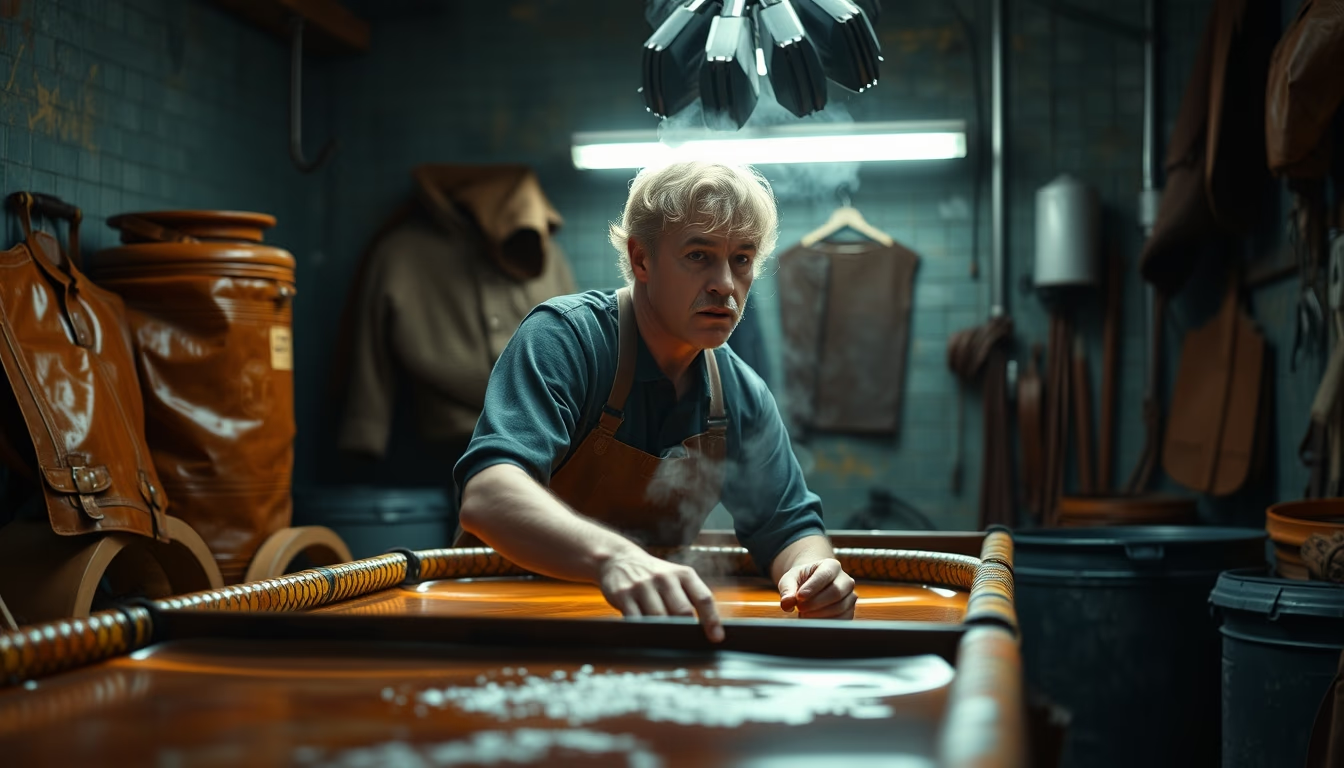
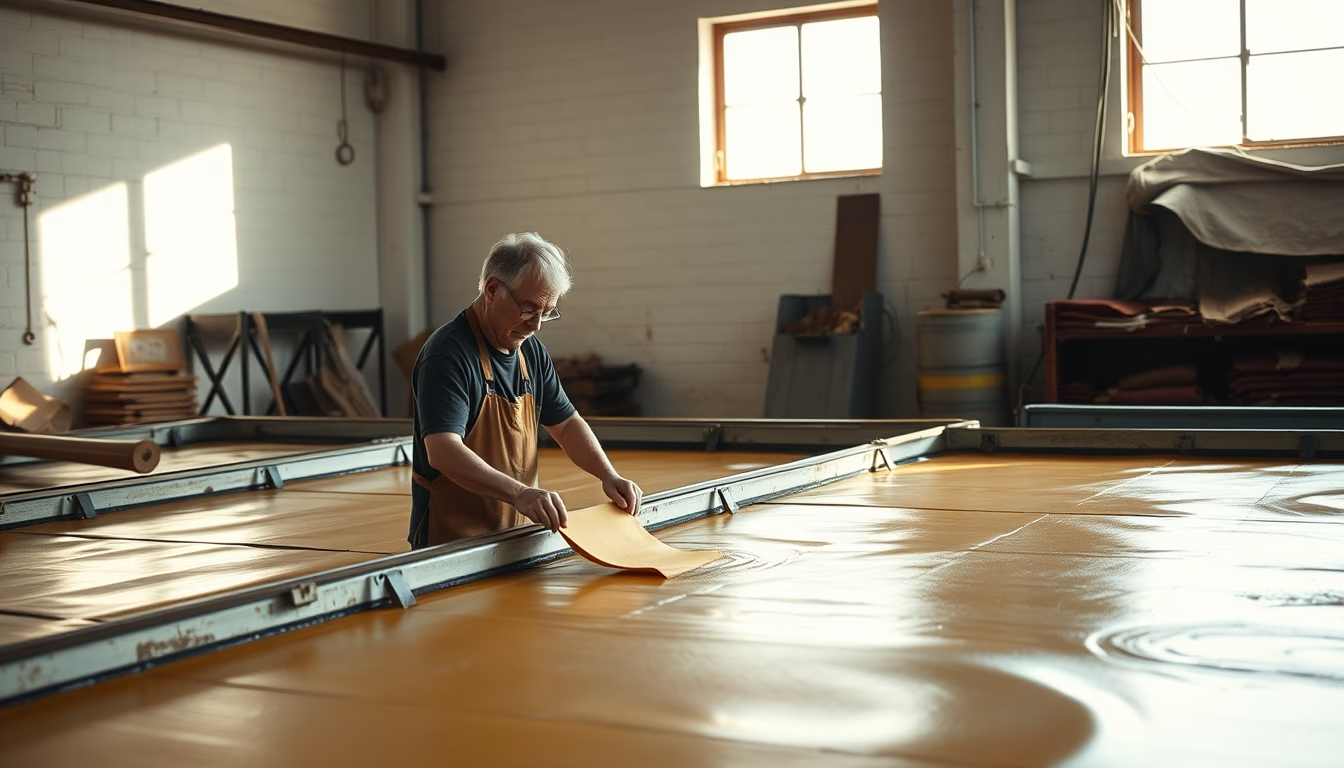
Leather dyeing vats are essential equipment in the tannery industry, where leather receives dyes to acquire color and finish.
About this subject
Leather dyeing vats are specialized containers used in the finishing process of leather, after tanning. They can be made of stainless steel, wood, or concrete, depending on production scale and dye type. The process involves submerging leather in a dye solution, often with mechanical agitation to ensure uniform penetration. Historically, dyeing was done in wooden barrels or stone vats, but industrialization modernized the process with precise temperature and time controls.
In Brazil, the leather industry is strong, especially in the states of Rio Grande do Sul and São Paulo, which host large tanneries. Dyeing vats play a crucial role in producing leather for shoes, bags, and upholstery. Color is applied after chrome or vegetable tanning and may involve synthetic or natural dyes, such as plant extracts. The choice of vat type affects final quality: open vats allow better visual control, while closed systems reduce solvent evaporation.
A technical curiosity is that dyeing can be done in rotating drums, which function like large washing machines, tumbling leather and dye together. This ensures even distribution and prevents spots. However, the process generates colored effluents that require proper treatment to avoid environmental pollution. Many tanneries now adopt water recycling and low-impact dyes, aligning with global sustainability trends.
Culturally, hand-dyed leather in small vats is still valued by artisans who prefer traditional techniques for unique pieces. In contrast, large-scale production uses automated vats processing hundreds of hides per batch. The versatility of dyeing vats allows for solid colors, gradients, or aged effects, expanding creative possibilities in leather product design.
Frequently Asked Questions
What is the difference between an open and closed leather dyeing vat?
Open vats allow visual inspection during the process but may evaporate solvents. Closed vats reduce losses and are safer for volatile dyes, yet require inspection windows or sensors.
What types of dyes are used in dyeing vats?
They can be synthetic dyes, such as anilines, or natural ones, like extracts from brazilwood, gallnut, and tannins. The choice depends on desired fixation, leather type, and environmental requirements.
How is maintenance performed on a leather dyeing vat?
Maintenance includes periodic cleaning to remove dye residues, checking seals and agitators, and inspecting acid-resistant linings. Stainless steel vats require less care than wooden ones.
Direct URL
https://pub-c7d6a6ea828543ac903a74a341ccb2e1.r2.dev/imagens/leather-dyeing-vat-lo-fi-disposable-camera-fresh11.avifHow to credit
Include a visible link back to UtilizAí. Copy one of the snippets below:
<a href="https://xn--utiliza-eza.com/en/midia/imagens/leather-dyeing-vat-lo-fi-disposable-camera-fresh11">Leather dyeing vat</a> by <a href="https://xn--utiliza-eza.com">UtilizAí</a>, licensed under <a href="https://creativecommons.org/licenses/by/4.0/">CC BY 4.0</a>.
[Leather dyeing vat](https://xn--utiliza-eza.com/en/midia/imagens/leather-dyeing-vat-lo-fi-disposable-camera-fresh11) by [UtilizAí](https://xn--utiliza-eza.com), CC BY 4.0
License: CC-BY-4.0