Leather dyeing vat
1344×768 · AVIF · CC BY 4.0
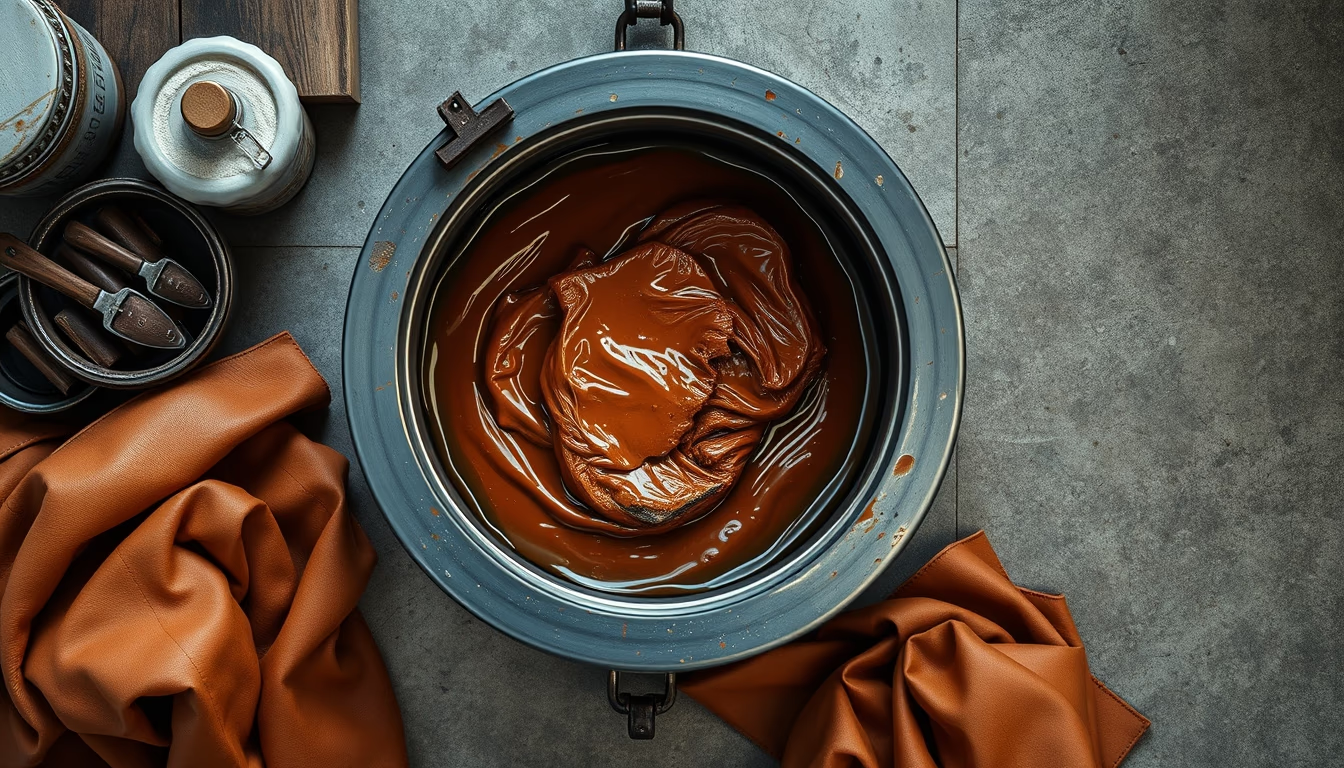
The leather dyeing vat is an essential piece of equipment in the leather industry, used to apply dyes and pigments to hides evenly.
About this subject
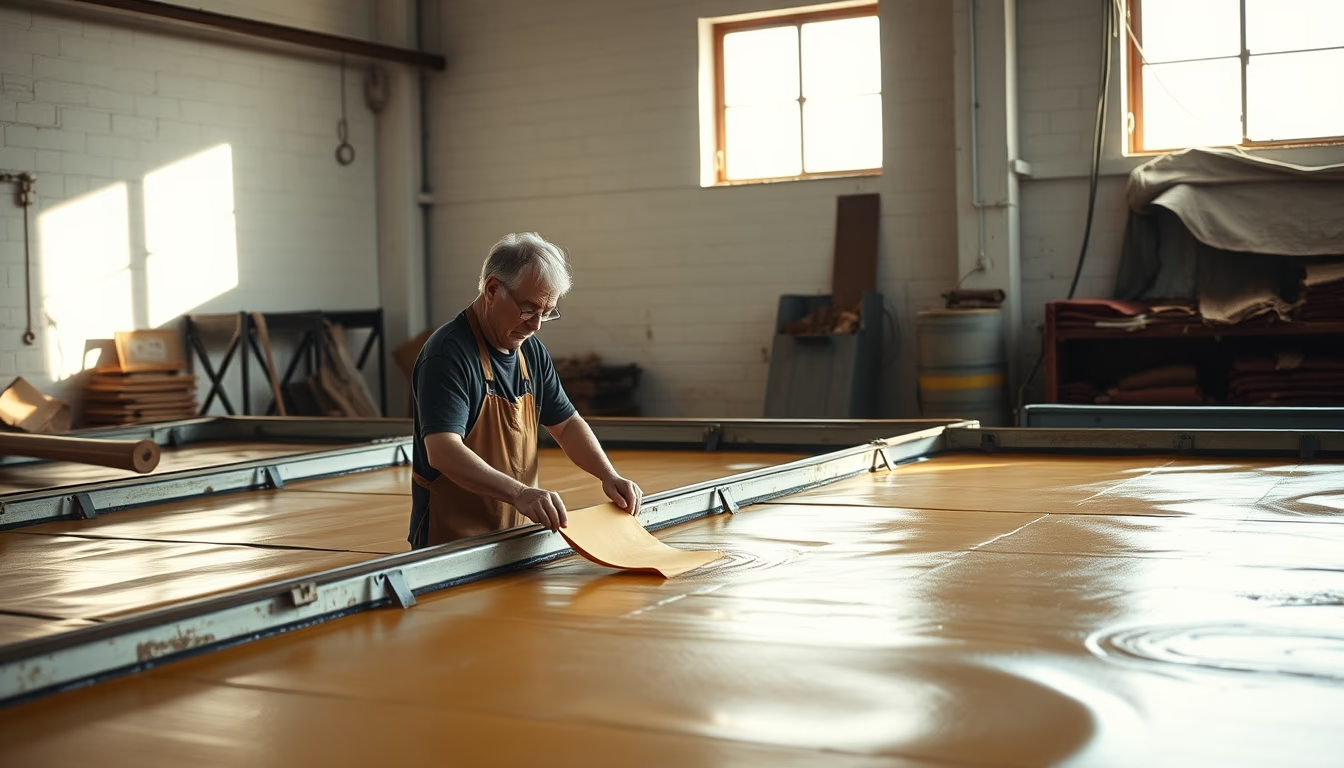
The leather dyeing vat, also known as a drum or barrel dyeing machine, is a central component in the leather finishing process. Its main function is to impregnate animal hides (such as bovine, caprine, or porcine) with synthetic or natural dyes, ensuring uniform color and proper fixation. There are various types of vats, from rotating stainless steel drums to static models with agitation systems. The process typically occurs after tanning, when the leather is stabilized and ready to receive color. The vat is filled with an aqueous solution containing dye and chemical auxiliaries (such as acids or dispersants), and the leather is submerged and agitated for hours. Temperature, pH, and contact time are strictly controlled to avoid stains or fiber damage. Industrially, modern vats can process tons of leather per batch, automated to reproduce exact recipes. In artisanal production, smaller containers with manual agitation are still used. Historically, leather dyeing dates back to antiquity, using natural pigments like henna, charcoal, or iron oxides. Today, the industry seeks more sustainable processes, with low-impact dyes and water recovery. The choice of dye and vat depends on the type of leather (full grain, top grain, suede) and the final application (footwear, handbags, upholstery).
Frequently Asked Questions
What is the difference between a rotating and a static dyeing vat?
A rotating vat spins continuously, promoting mechanical agitation and better dye penetration, ideal for large volumes. A static vat uses pumps or paddles to move the liquid, better suited for delicate leathers or immersion dyeing processes.
Which dyes are most used in the leather industry?
Acid and direct dyes are the most common, along with reactive and sulfur dyes. Natural dyes (such as brazilwood extract) are used in artisanal or eco-friendly production.
How to control color uniformity in dyeing?
Uniformity depends on proper agitation, precise pH and temperature control, and bath time. Modern rotating vats have sensors to monitor these parameters in real time.
Direct URL
https://pub-c7d6a6ea828543ac903a74a341ccb2e1.r2.dev/imagens/leather-dyeing-vat-isometric-flat-lay-fresh14.avifHow to credit
Include a visible link back to UtilizAí. Copy one of the snippets below:
<a href="https://xn--utiliza-eza.com/en/midia/imagens/leather-dyeing-vat-isometric-flat-lay-fresh14">Leather dyeing vat</a> by <a href="https://xn--utiliza-eza.com">UtilizAí</a>, licensed under <a href="https://creativecommons.org/licenses/by/4.0/">CC BY 4.0</a>.
[Leather dyeing vat](https://xn--utiliza-eza.com/en/midia/imagens/leather-dyeing-vat-isometric-flat-lay-fresh14) by [UtilizAí](https://xn--utiliza-eza.com), CC BY 4.0
License: CC-BY-4.0