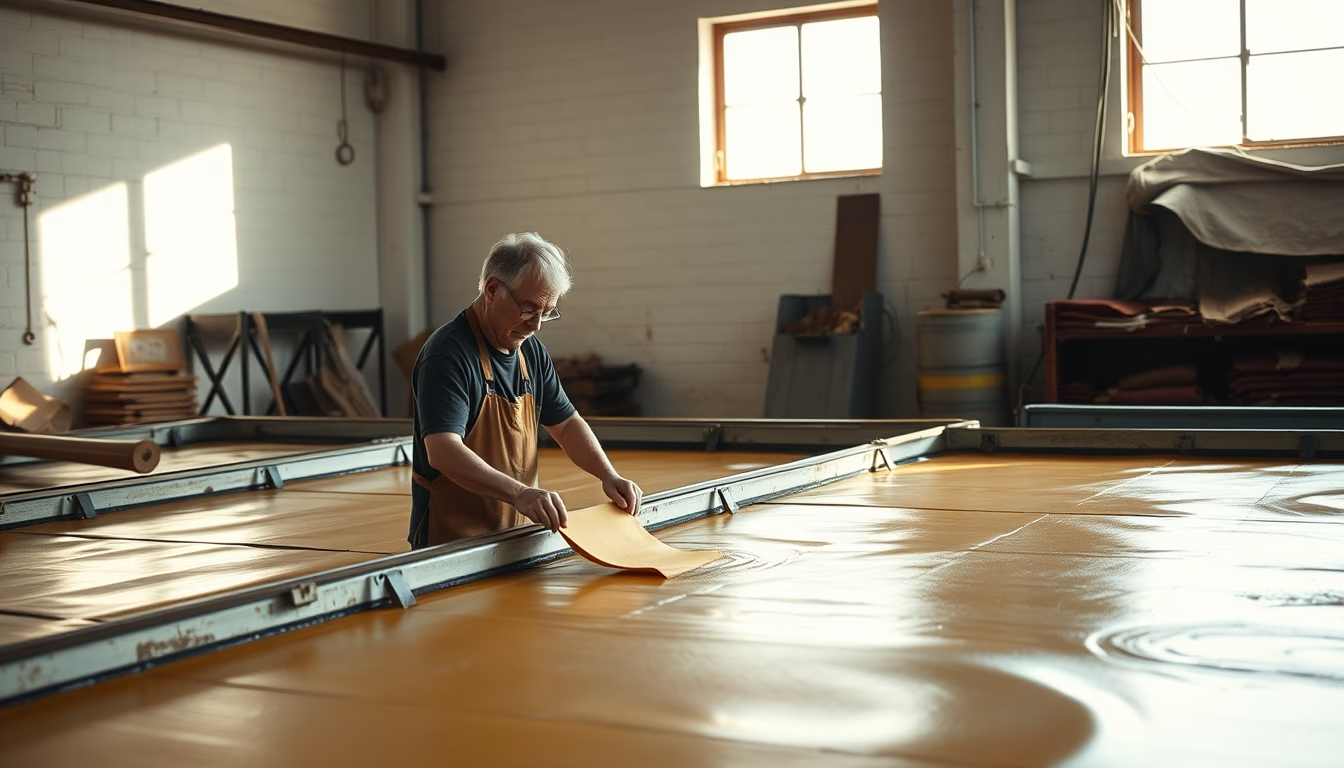
Leather dyeing vat
1344×768 · AVIF · CC BY 4.0
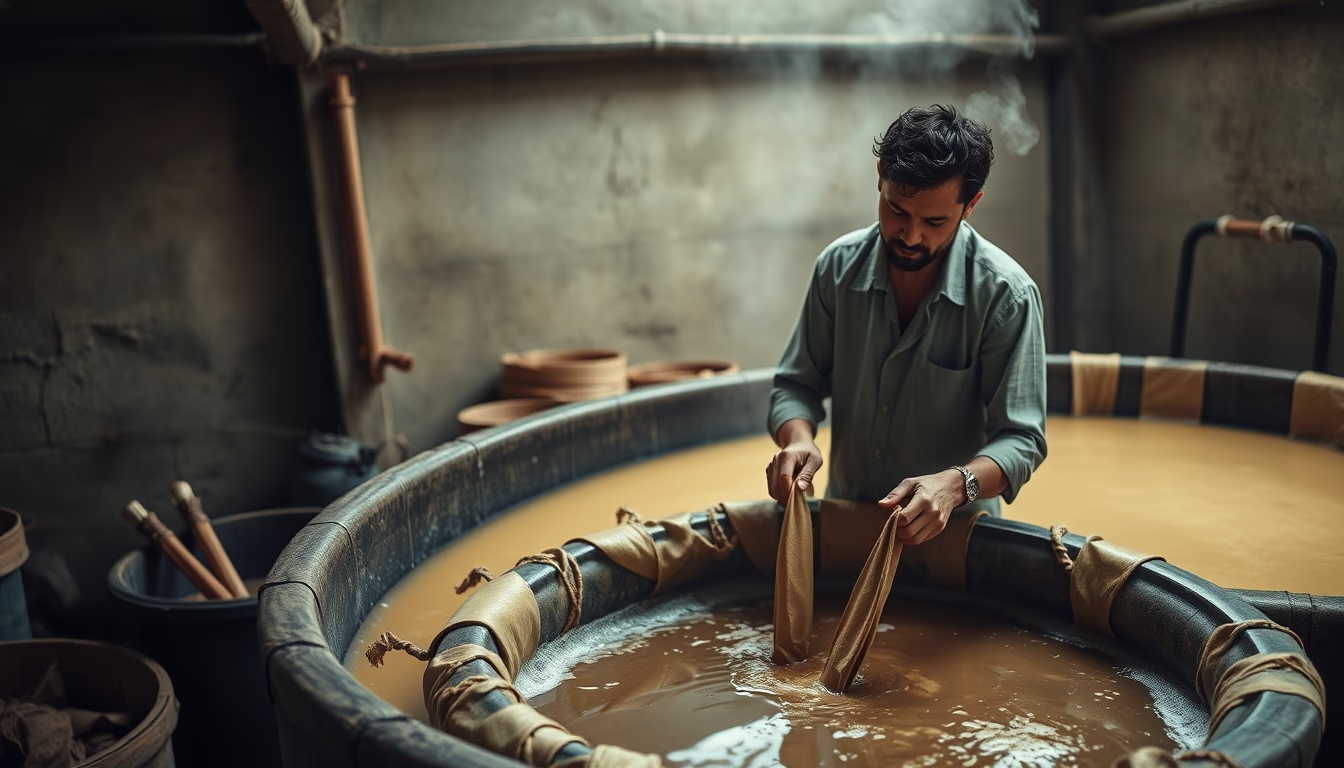
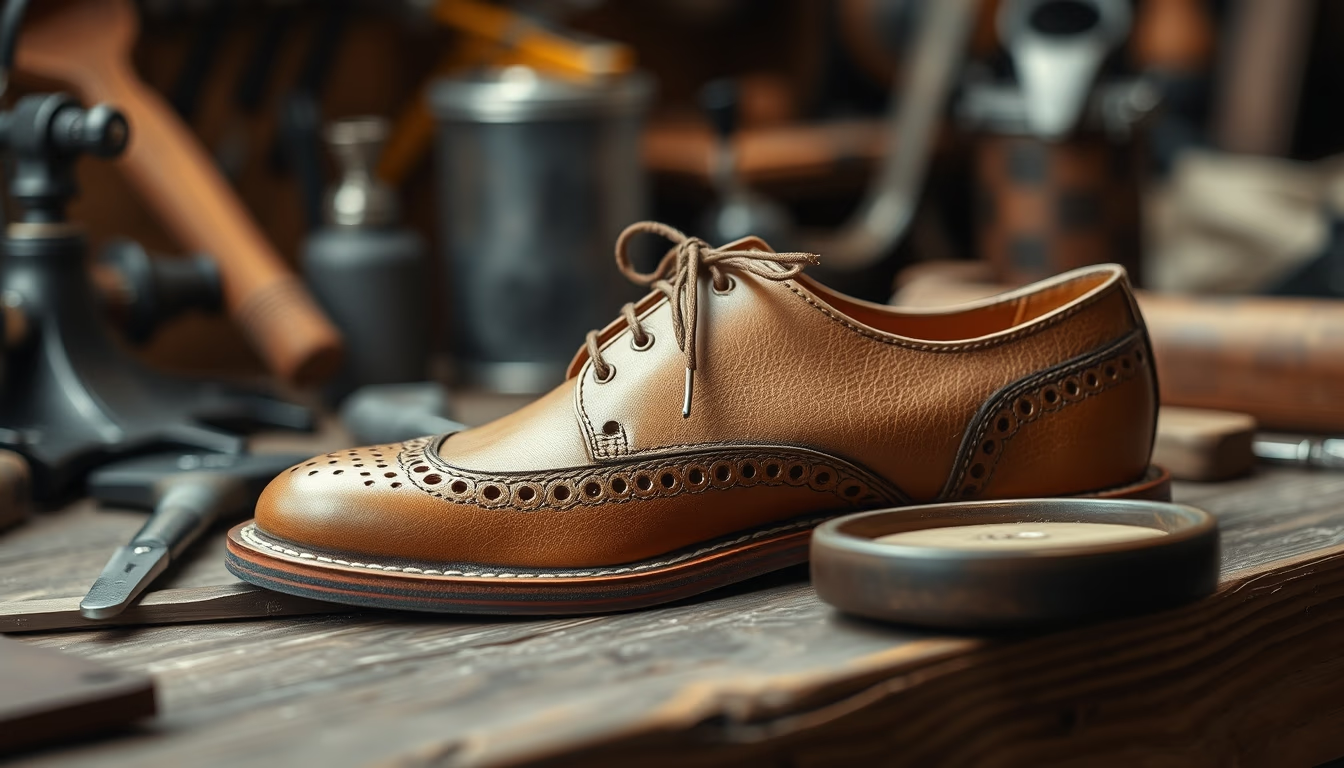
Leather dyeing vat, a traditional equipment used to apply dyes to hides, essential in the tanning industry.
About this subject
A leather dyeing vat is a container used in the coloring process of hides after tanning. Typically made of wood, stainless steel, or polyethylene, its purpose is to immerse skins in dye solutions under controlled conditions of temperature, pH, and agitation. Vat dyeing is a traditional method still employed by tanneries seeking specific finishes, such as deep, even colors in leather for shoes, bags, and upholstery.
Historically, leather dyeing dates back to ancient civilizations like the Egyptians and Romans, who used natural dyes from plants and minerals. Wooden vats, often made of oak or chestnut, were standard until the 20th century, when more chemically resistant materials took over. In Brazil, the leather industry is strong in states like Rio Grande do Sul and São Paulo, where mixed techniques combine tradition and modernity.
The process involves preparing the hide (rehydration, degreasing), adding dyes (synthetic or natural anilines) and fixatives, and keeping the vat in motion for hours. Dye concentration, immersion time, and temperature directly affect the final color. Vats with built-in heating allow hot dyeing, accelerating pigment penetration. Despite large‑scale automation, many luxury brands still prefer manual vats to ensure exclusivity.
Interesting fact: black, the most common leather color, requires multiple passes in the vat or the use of reactive dyes. The industry is seeking eco-friendly alternatives, such as plant‑based dyes and water recirculation systems, to reduce the environmental impact of dyeing. Countries like Italy, in Tuscany, and Argentina maintain centuries-old traditions in the use of artisanal vats.
Frequently Asked Questions
What is the difference between vat dyeing and drum dyeing?
Vat dyeing is a static process where hides are immersed in a dye solution without intense mechanical movement, ideal for artisanal finishes. Drum dyeing uses a rotating cylinder that continuously agitates the hides, resulting in greater uniformity and speed, common in large-scale industry.
What materials are used to make dyeing vats?
Vats can be made of wood (oak, chestnut), stainless steel, or high-density polyethylene. Each material has advantages: wood naturally retains temperature, stainless steel resists chemicals, and polyethylene is lightweight and economical.
How does leather dyeing impact the environment?
The process consumes a lot of water and generates effluents with dyes, heavy metals, and chemicals. To mitigate, many tanneries adopt recirculation systems, biodegradable dyes, and waste treatment. The preference for natural dyes also reduces impact.
Direct URL
https://pub-c7d6a6ea828543ac903a74a341ccb2e1.r2.dev/imagens/leather-dyeing-vat-documentary-nature-style-fresh7.avifHow to credit
Include a visible link back to UtilizAí. Copy one of the snippets below:
<a href="https://xn--utiliza-eza.com/en/midia/imagens/leather-dyeing-vat-documentary-nature-style-fresh7">Leather dyeing vat</a> by <a href="https://xn--utiliza-eza.com">UtilizAí</a>, licensed under <a href="https://creativecommons.org/licenses/by/4.0/">CC BY 4.0</a>.
[Leather dyeing vat](https://xn--utiliza-eza.com/en/midia/imagens/leather-dyeing-vat-documentary-nature-style-fresh7) by [UtilizAí](https://xn--utiliza-eza.com), CC BY 4.0
License: CC-BY-4.0