Leather dyeing vat
1344×768 · AVIF · CC BY 4.0
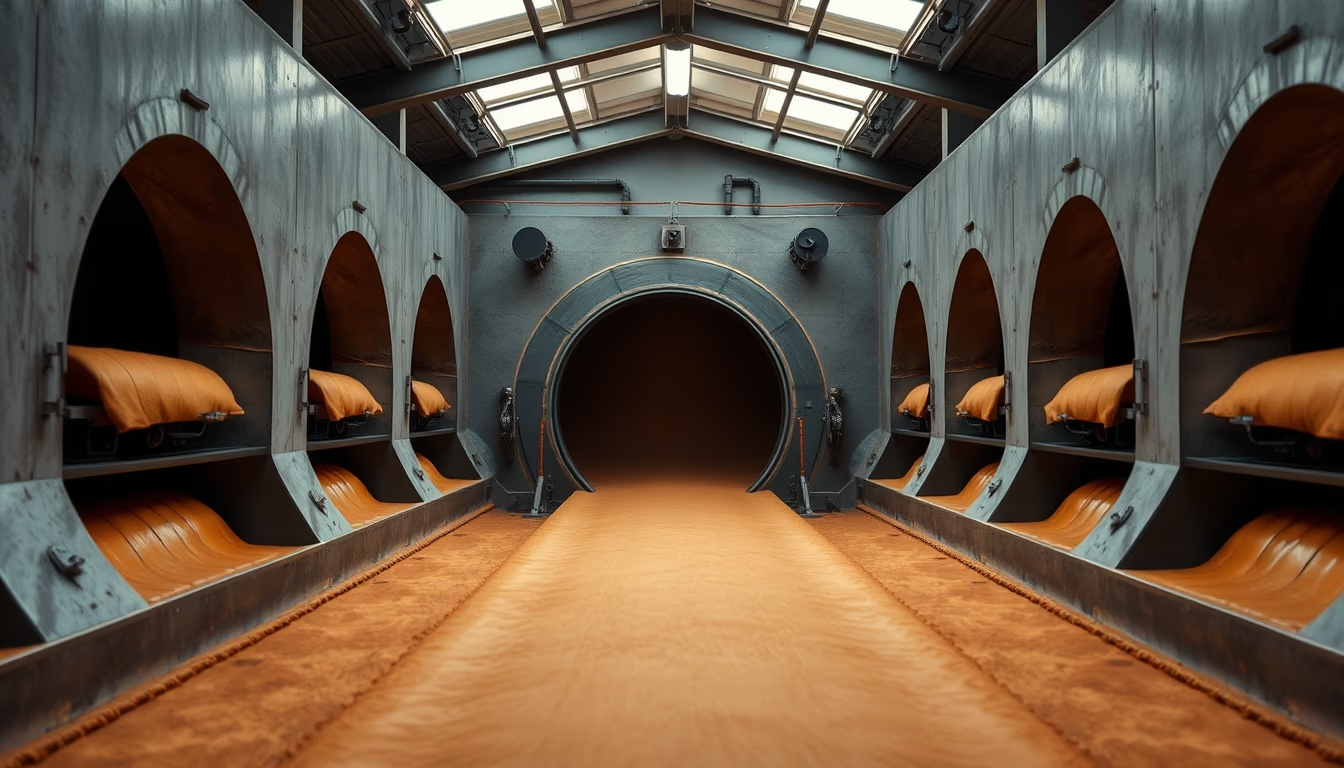
Leather dyeing vats are essential equipment in tanneries where leather receives dyes to achieve specific colors.
About this subject
Leather dyeing is a crucial step in hide processing, transforming raw material into a final product with uniform and attractive colors. Dyeing vats, also called drums or rotating drums, are large cylindrical containers that rotate slowly, allowing the leather to be fully submerged in dye solutions. This process occurs after tanning, which stabilizes collagen fibers, and before finishing, which adds texture and protection.
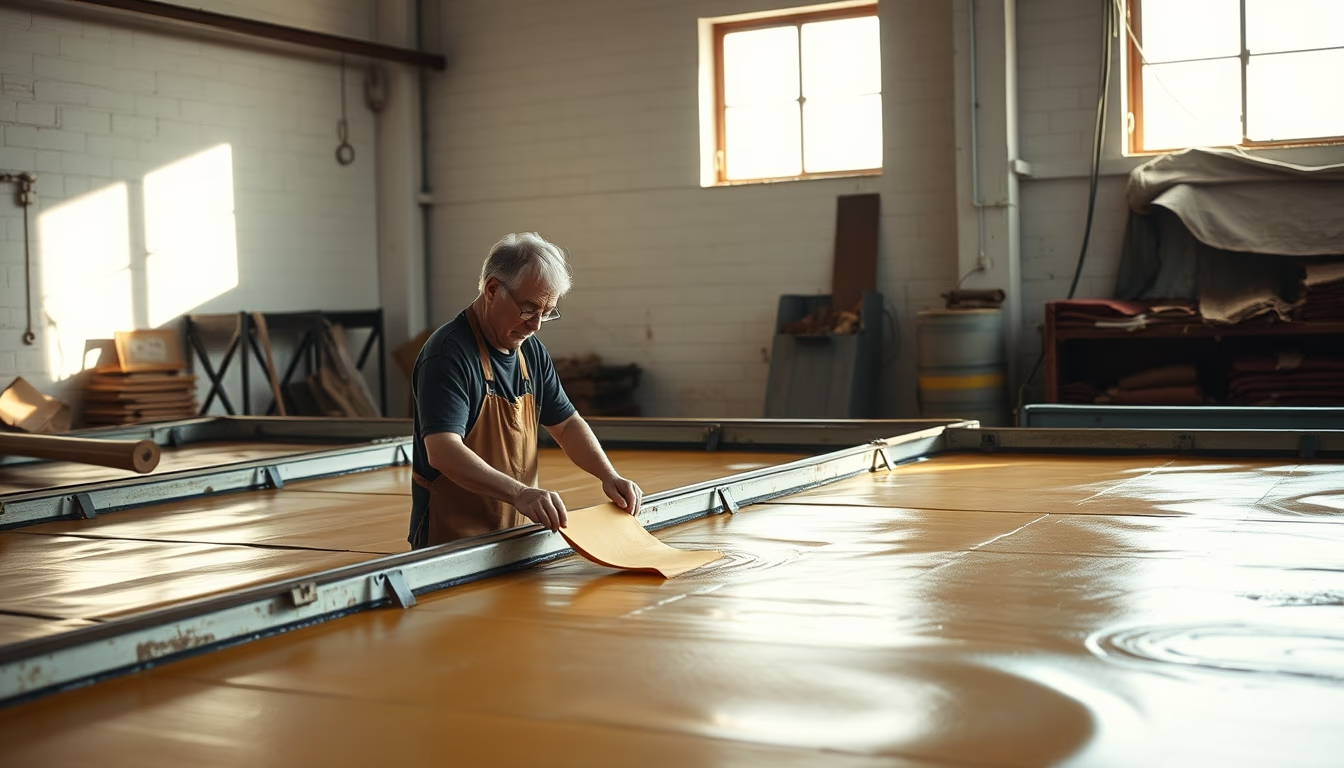
There are two main dyeing methods: drum dyeing and pit dyeing. Drum dyeing is more modern and efficient, using rotating drums that promote uniform dye penetration and reduce process time. Pit dyeing is traditional, carried out in static vats where leather soaks for hours or days. Both can use synthetic or natural dyes, such as vegetable extracts, though synthetics dominate due to consistency and color variety.
Temperature, pH, and dye concentration must be strictly controlled to avoid stains or degradation. Modern vats have heating and circulation systems to maintain optimal conditions. The industry is also working to reduce environmental impact through less toxic dyes and water recycling systems. Dyed leather is then washed, dried, and finished to achieve the desired look, such as suede, smooth, or patent leather.
Frequently Asked Questions
How long does the leather dyeing process take?
The time varies by method and dye type. Drum dyeing can take from 30 minutes to a few hours. Pit dyeing (open vat) can last 12 to 48 hours for deep penetration.
What are the main types of dyes used in leather dyeing?
Main types include synthetic dyes (acid, basic, direct, reactive) and natural dyes (wood extracts, barks, seeds). Synthetics are more common due to a wide color range and better light and wash fastness.
Does dyeing affect leather durability?
If poorly done, it can weaken fibers or cause dryness. With proper pH, temperature, and time control, dyeing does not compromise durability. Quality dyes and well-regulated processes maintain or even enhance leather strength.
Direct URL
https://pub-c7d6a6ea828543ac903a74a341ccb2e1.r2.dev/imagens/leather-dyeing-vat-architectural-photography-fresh9.avifHow to credit
Include a visible link back to UtilizAí. Copy one of the snippets below:
<a href="https://xn--utiliza-eza.com/en/midia/imagens/leather-dyeing-vat-architectural-photography-fresh9">Leather dyeing vat</a> by <a href="https://xn--utiliza-eza.com">UtilizAí</a>, licensed under <a href="https://creativecommons.org/licenses/by/4.0/">CC BY 4.0</a>.
[Leather dyeing vat](https://xn--utiliza-eza.com/en/midia/imagens/leather-dyeing-vat-architectural-photography-fresh9) by [UtilizAí](https://xn--utiliza-eza.com), CC BY 4.0
License: CC-BY-4.0