Leather craft tools
1344×768 · AVIF · CC BY 4.0
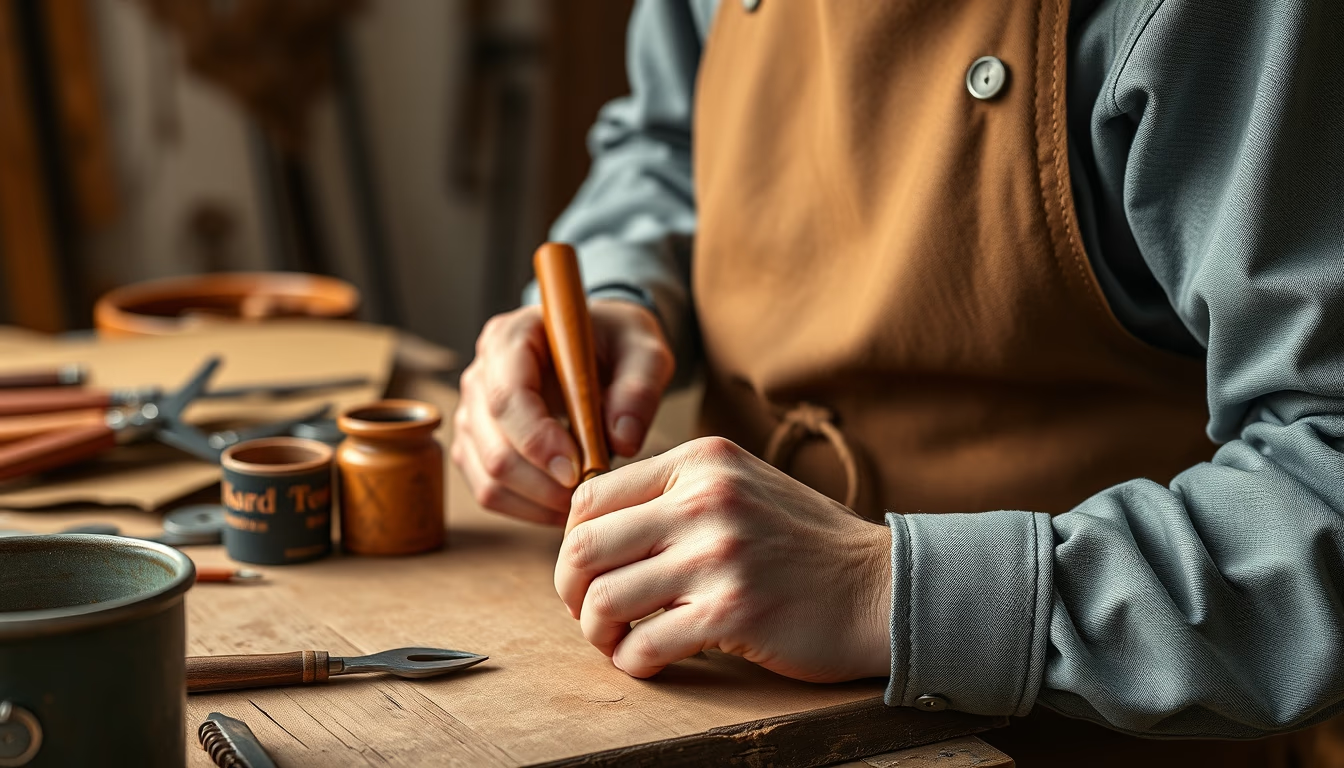
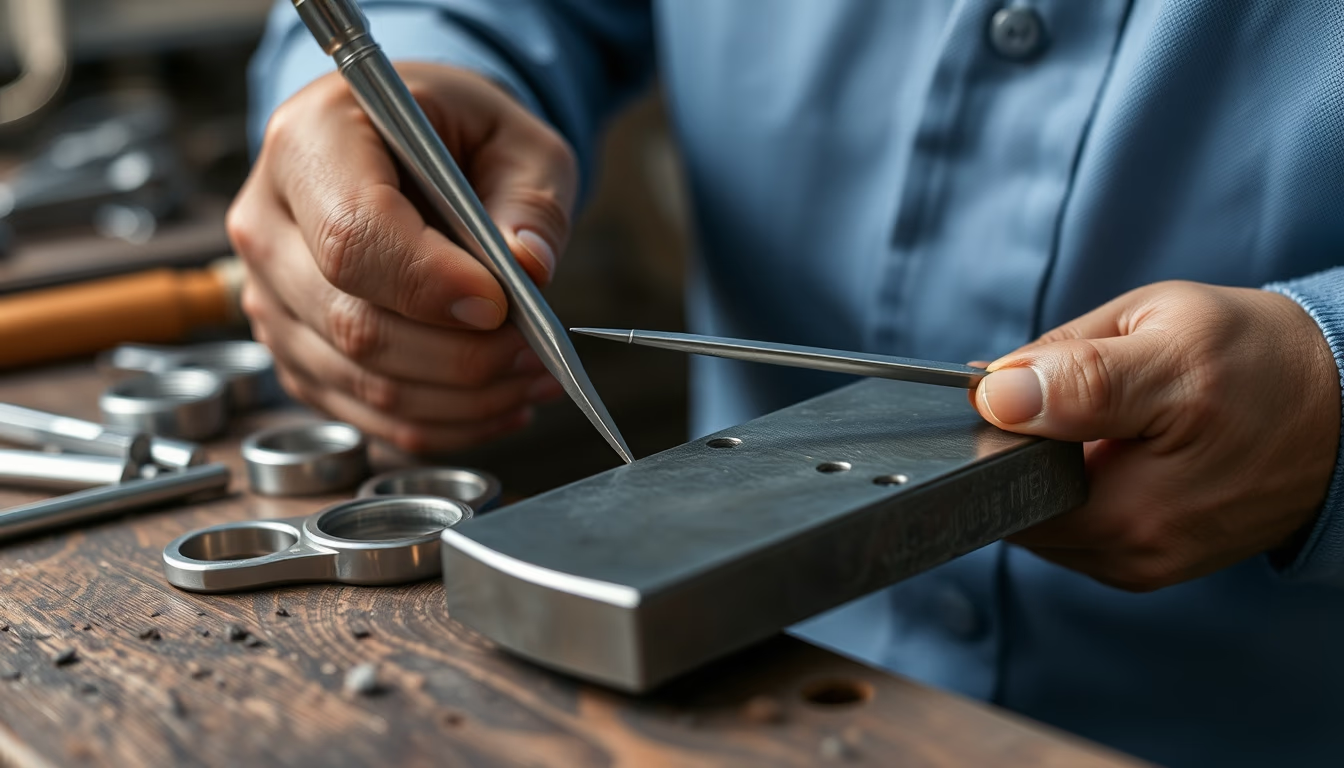
Hand tools for leatherworking, such as awls, knives, and stitching irons, are essential in traditional craftsmanship worldwide.
About this subject
Leather craft relies on a specific set of manual tools that have evolved over centuries. Among the most common are the half-moon knife, used for precise cutting, and awls of various diameters, which create holes for stitching. Stitching irons mark and space holes evenly, while skiving knives thin leather in specific areas. Modeling tools shape leather into items like bags and belts. Each tool serves a unique purpose and requires regular maintenance, such as sharpening and oiling, to ensure clean cuts and longevity.
Globally, leatherworking traditions vary. In Italy, the city of Florence is famous for high-end leather goods, using tools like the French edger and burnisher. In Mexico, the art of "talabartería" (saddlery) employs tools such as the chisel and mallet for embossing. In Brazil, the Northeast and South regions have strong leathercraft cultures. For instance, in Juazeiro do Norte (Ceará), artisans produce handmade bags and belts using traditional sewing frames. In Rio Grande do Sul, gaucho craftsmanship includes tools for making bombachas (baggy trousers) and horse tack.
Historically, leather tools date back to pre-Columbian times. Indigenous peoples in the Americas used bone and stone scrapers to prepare hides. With colonization, metal tools became widespread, but the core manual skills remained. Today, the craft has seen a resurgence due to the slow fashion movement. Modern innovations include ergonomic handles and replaceable blades, yet many artisans prefer classic designs for their reliability. Leather crafting is also a meditative hobby, requiring patience and attention to detail, which is why tool quality directly impacts the final product.
Frequently Asked Questions
What are the basic tools for starting leathercraft?
Essential tools include a half-moon knife, awl, stitching awl, steel ruler, cutting mat, leather needles, waxed thread, and a mallet. These allow cutting, punching, and stitching simple items like belts and wallets.
How to properly sharpen a skiving knife?
Sharpening is done with a water stone or fine file, maintaining the original angle (around 25 degrees). Move the knife in circular motions in one direction, then use a steel rod to align the burr.
Is vegetable-tanned leather better for hand tools?
Yes, vegetable-tanned leather is preferred for handcrafting because it is firm, absorbs dyes well, and supports precise carving and modeling. Chrome-tanned leather is softer and more suited for upholstery, not fine manual details.
Direct URL
https://pub-c7d6a6ea828543ac903a74a341ccb2e1.r2.dev/imagens/leather-craft-tools-documentary-photography-p0.avifHow to credit
Include a visible link back to UtilizAí. Copy one of the snippets below:
<a href="https://xn--utiliza-eza.com/en/midia/imagens/leather-craft-tools-documentary-photography-p0">Leather craft tools</a> by <a href="https://xn--utiliza-eza.com">UtilizAí</a>, licensed under <a href="https://creativecommons.org/licenses/by/4.0/">CC BY 4.0</a>.
[Leather craft tools](https://xn--utiliza-eza.com/en/midia/imagens/leather-craft-tools-documentary-photography-p0) by [UtilizAí](https://xn--utiliza-eza.com), CC BY 4.0
License: CC-BY-4.0