Leather burnishing tool
1344×768 · AVIF · CC BY 4.0
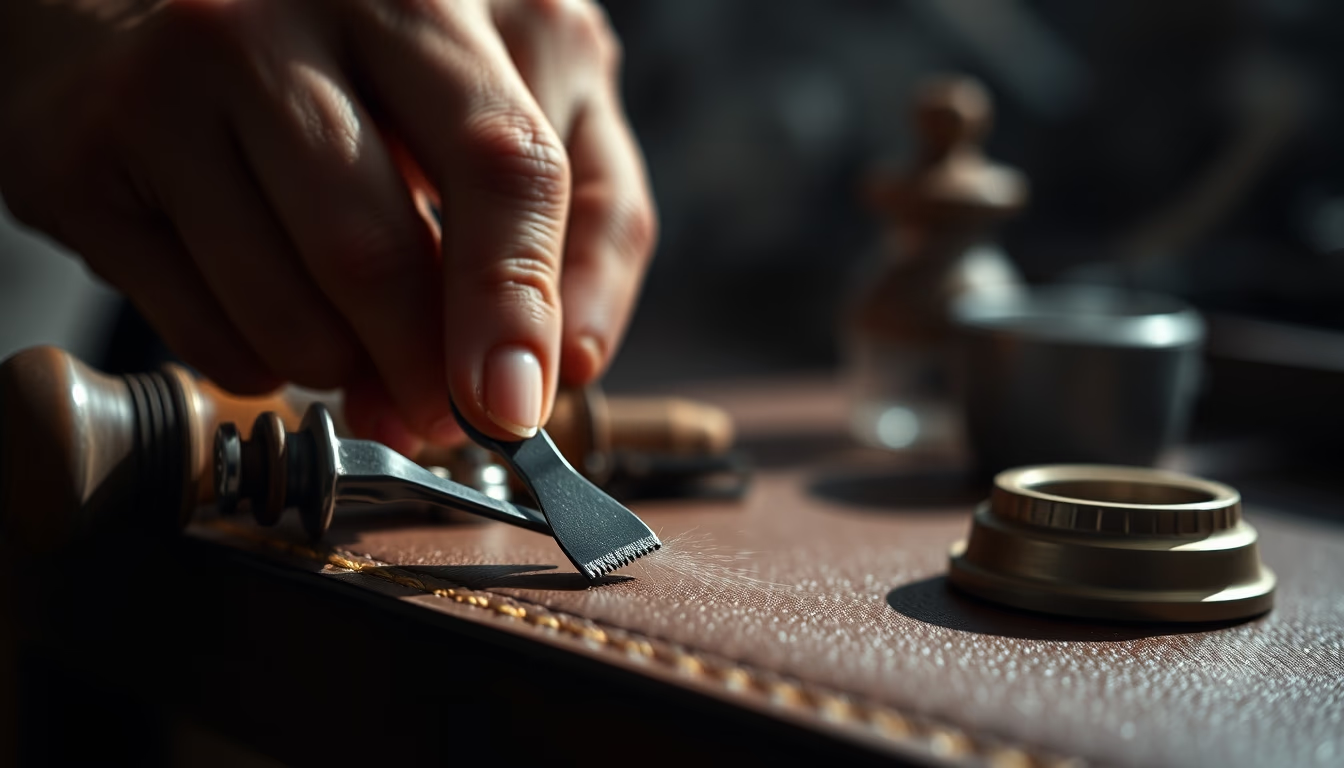
Discover what a leather burnishing tool is, how to use it, and why it's essential for handcrafted finishing.
About this subject
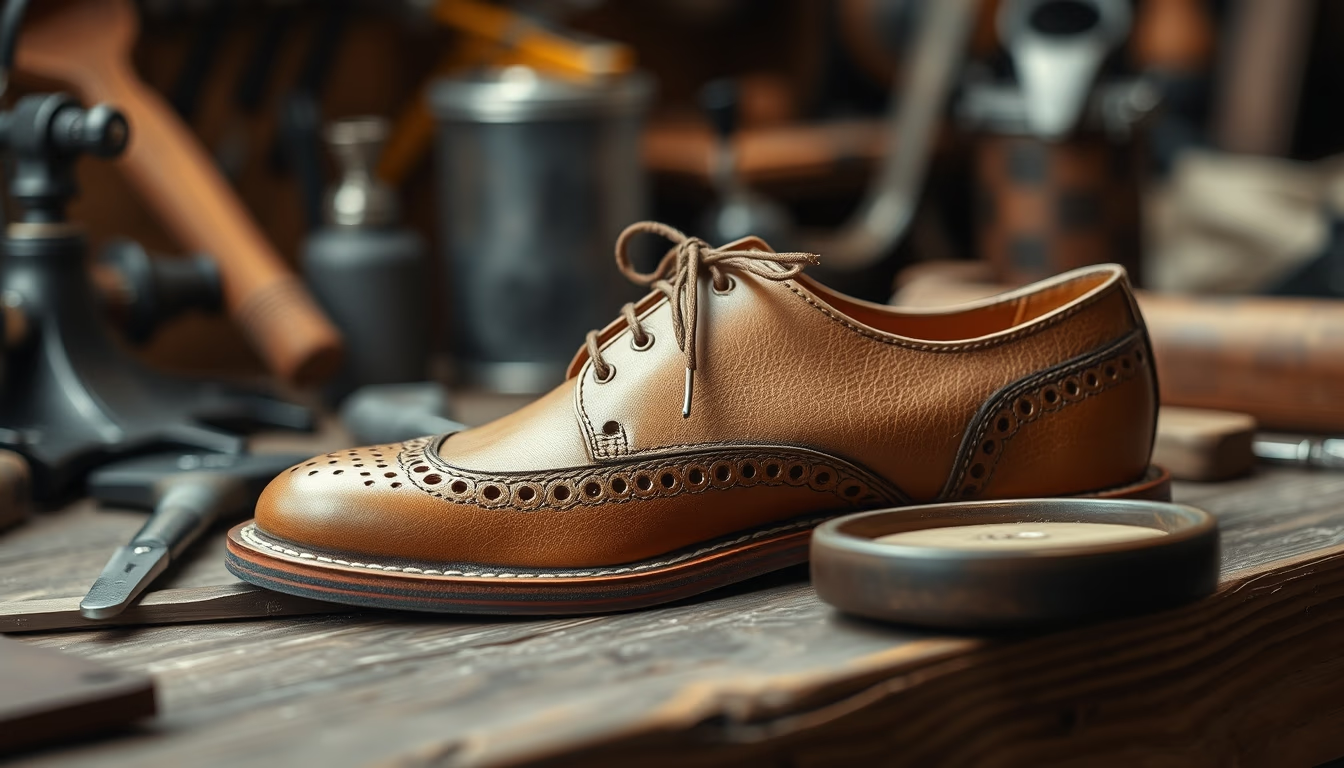
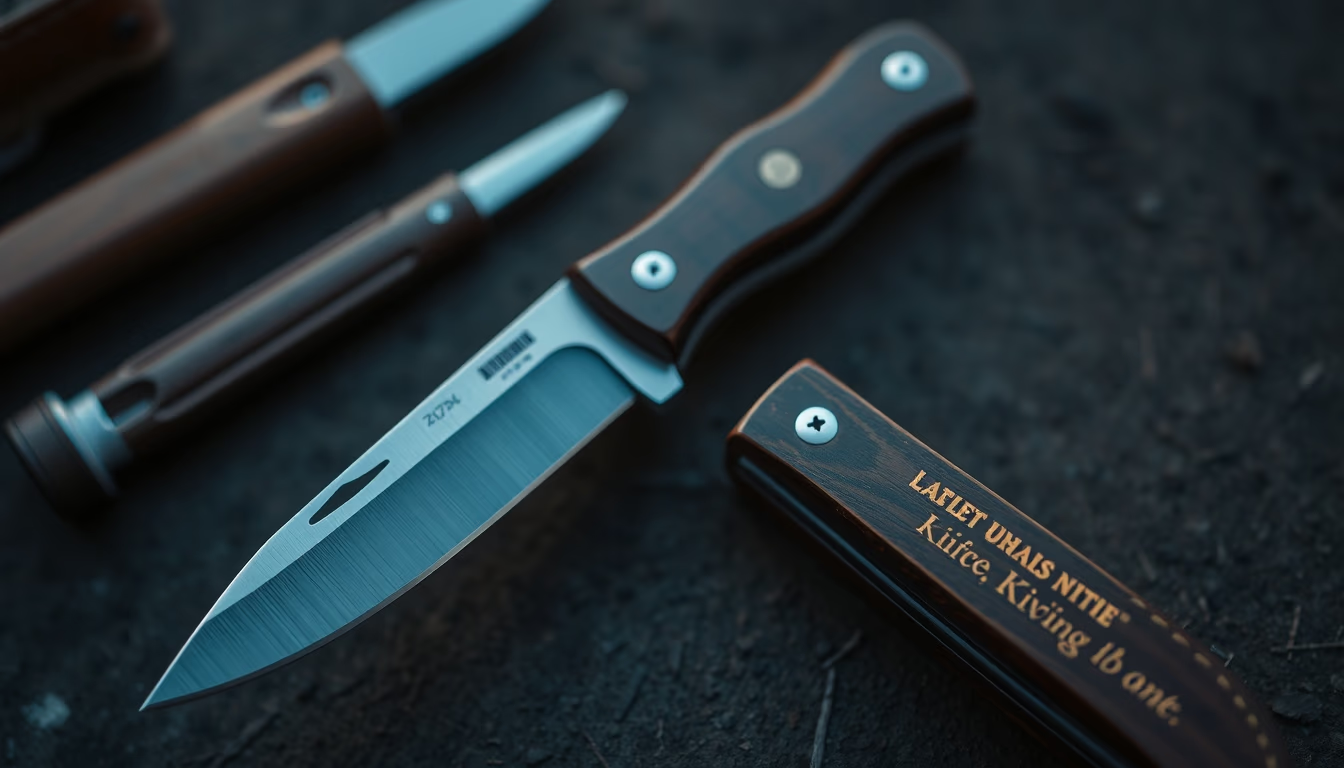
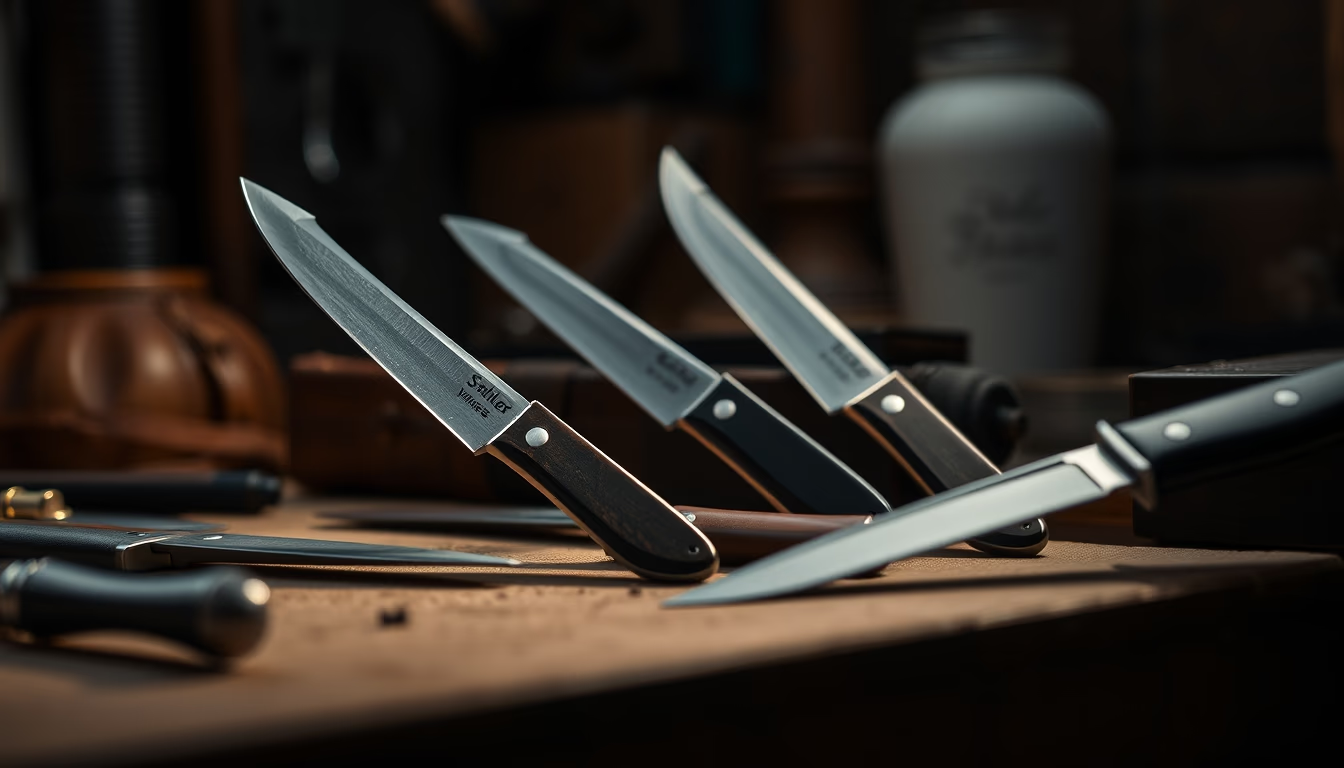
A leather burnishing tool is a hand implement used to smooth and polish cut edges of leather, creating a hard, glossy finish by compressing the fibers through friction and heat. Unlike sandpaper or edge paints, burnishing physically densifies the leather's edge, making it durable and water-resistant. Common materials for burnishers include wood (such as rosewood or birch), bone, and plastic. Each offers distinct friction and hardness: wood is traditional and warm to the touch, bone gets hot with use and produces a high gloss, while plastic is affordable and consistent.
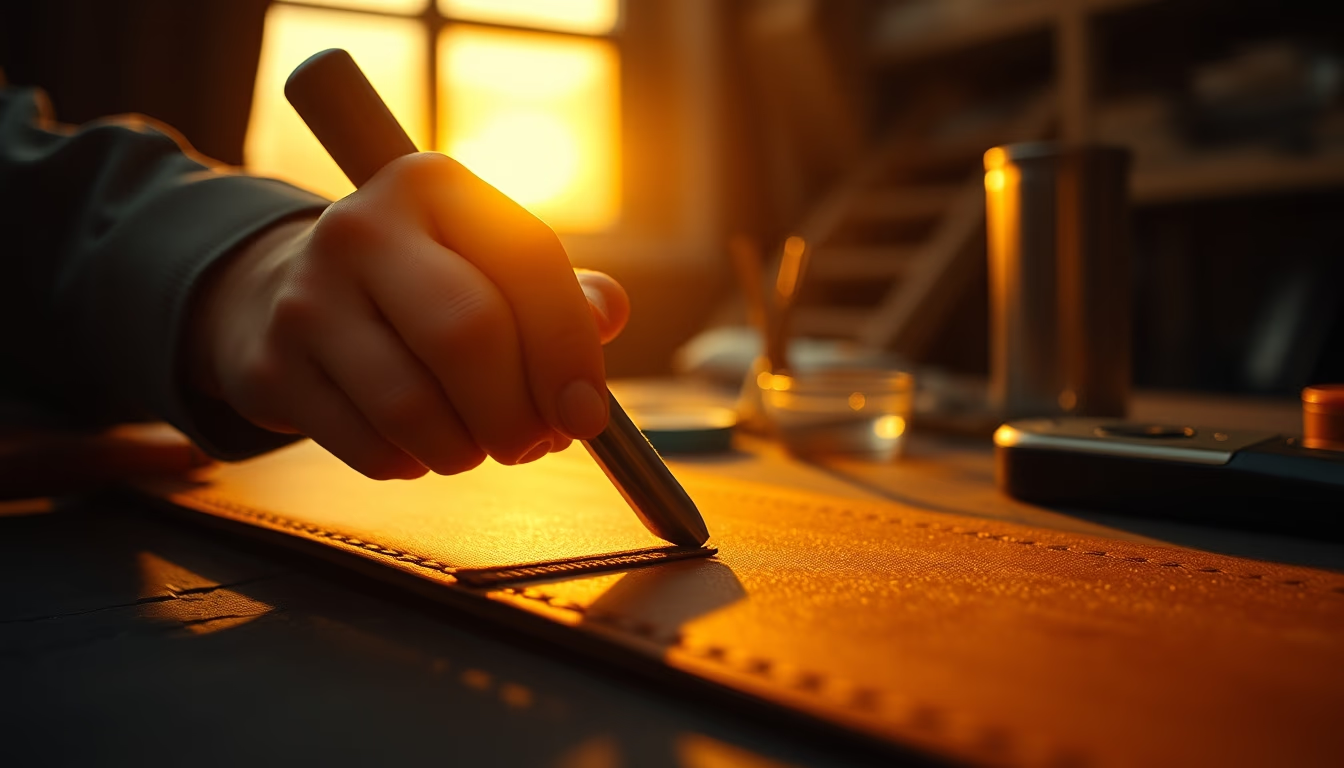
To use a burnisher, the leather edges are first trimmed clean and lightly moistened with water or gum tragacanth. The tool is then rubbed back and forth along the edge with moderate to firm pressure until the fibers compact and the edge gains a satin sheen. For a mirror-like finish, finer abrasives (like sandpaper grades up to 1000 grit) are used between burnishing rounds. The angle of the tool and even pressure are critical, too much tilt can gouge the leather.
Burnishing is not merely cosmetic; it reinforces the edge against fraying, moisture, and dirt, significantly increasing the lifespan of items like belts, wallets, and bags. On vegetable-tanned leathers, especially aniline-dyed ones, burnishing deepens the color and can eliminate the need for edge paints or dyes. Many leathercrafters consider edge finishing the hallmark of quality workmanship.
Historically, burnishing dates back centuries, with ancient shoemakers using heated stones or bone tools. Today, while electric burnishers exist, manual tools remain popular for their precision and the artisan's full control. Some wood burnishers are even made from recycled skateboard decks, adding an eco-friendly touch to the craft.
Frequently Asked Questions
What is the difference between burnishing and edge painting?
Burnishing compresses leather fibers through friction for a natural finish. Edge painting applies a layer of paint or resin to cover the fibers. Burnishing is more traditional and eco-friendly, while edge painting offers color variety and uniformity.
Can any type of leather be burnished?
No. Vegetable-tanned leather (natural or dyed) works best because its fibers compact well. Chrome-tanned leather (common in upholstery) has soft fibers and does not burnish properly. Always test on a scrap piece first.
Does the burnishing tool need lubrication?
The leather is dampened with water or gum tragacanth, but the tool itself does not require lubrication. Friction generates heat that aids compaction. After use, wipe the tool with a dry cloth to prevent residue buildup.
Direct URL
https://pub-c7d6a6ea828543ac903a74a341ccb2e1.r2.dev/imagens/leather-burnishing-tool-rembrandt-lighting-dramatic-shadows-fresh16.avifHow to credit
Include a visible link back to UtilizAí. Copy one of the snippets below:
<a href="https://xn--utiliza-eza.com/en/midia/imagens/leather-burnishing-tool-rembrandt-lighting-dramatic-shadows-fresh16">Leather burnishing tool</a> by <a href="https://xn--utiliza-eza.com">UtilizAí</a>, licensed under <a href="https://creativecommons.org/licenses/by/4.0/">CC BY 4.0</a>.
[Leather burnishing tool](https://xn--utiliza-eza.com/en/midia/imagens/leather-burnishing-tool-rembrandt-lighting-dramatic-shadows-fresh16) by [UtilizAí](https://xn--utiliza-eza.com), CC BY 4.0
License: CC-BY-4.0