Leather briefcase italian
1344×768 · AVIF · CC BY 4.0
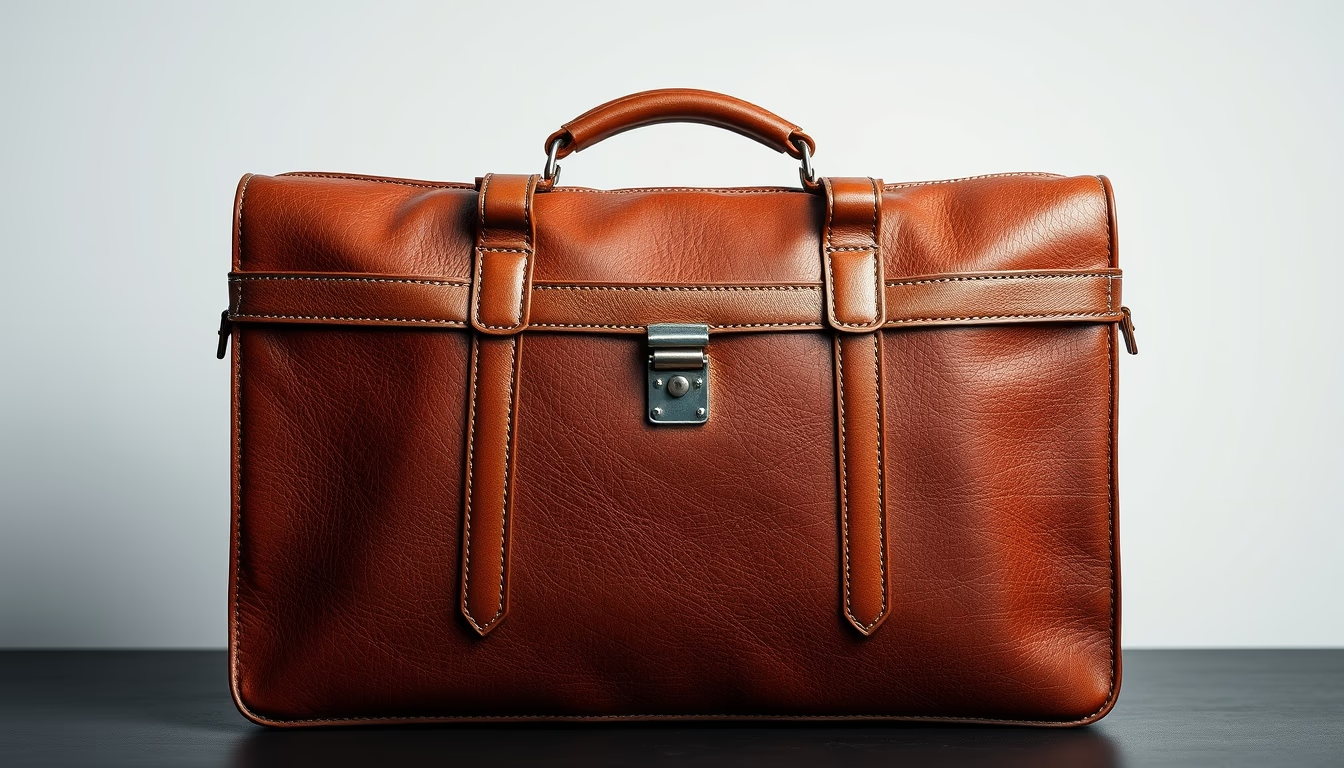
The Italian leather briefcase represents centuries of artisanal tradition, combining high-quality leather with functional design and timeless elegance.
About this subject
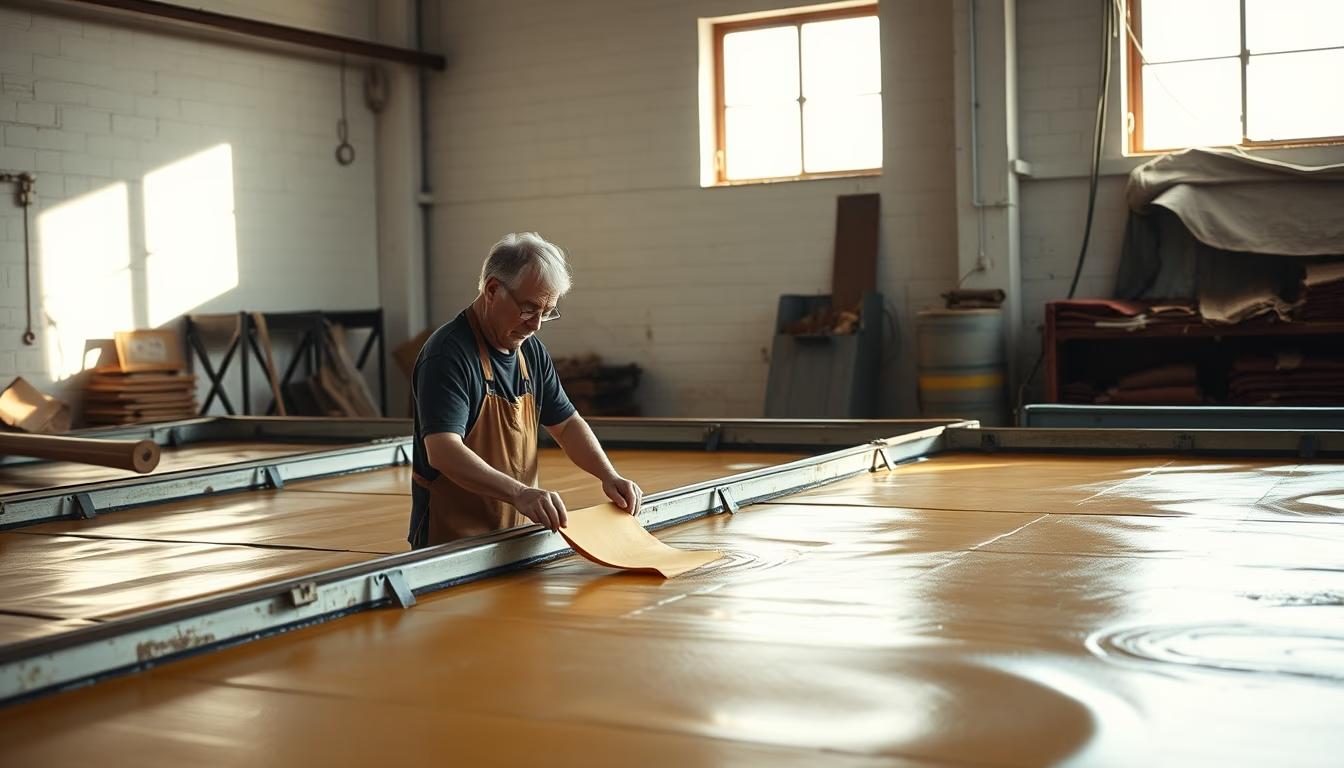
The Italian leather briefcase is a symbol of sophistication and durability, rooted in Italy's artisanal tradition. Regions like Tuscany and Florence are renowned for high-quality leather production, using techniques dating back to the Renaissance. Italian leather is typically vegetable-tanned, a natural process that takes weeks and gives the material a unique patina over time. Historical brands like Valextra and Prada have perfected executive briefcase design, blending functionality with minimalist aesthetics.
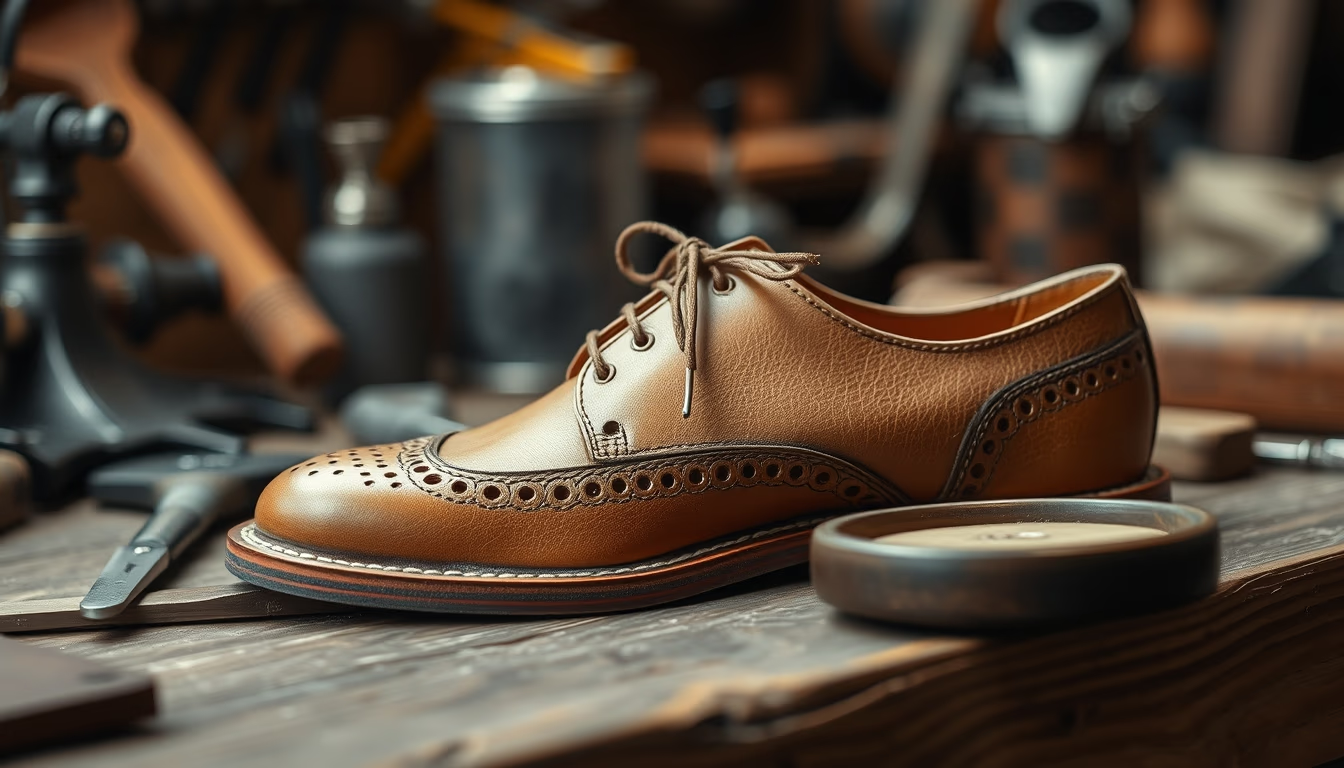
The leather used in Italian briefcases often comes from European cattle breeds, such as Chianina, known for firm, flawless hides. Vegetable tanning, carried out in areas like Santa Croce sull'Arno, preserves natural fibers and allows the leather to age gracefully. Each briefcase undergoes rigorous quality control, with hand-stitching and solid brass hardware, ensuring durability for decades.
Culturally, the Italian leather briefcase transcends being a mere professional accessory. It is often associated with the concept of "bella figura", the importance of making a good impression through careful appearance. In the Italian and international corporate world, an executive leather briefcase is seen as an investment, not just in style but in reliability. Celebrities and business leaders, from Gianni Agnelli to modern executives, have contributed to its prestige.
Curiously, producing a single briefcase can take up to 40 hours of manual labor. Each piece is unique, varying in color shades, texture, and natural imperfections that tell its story. The choice of leather, design, and artisan reflects Italy's heritage of valuing handmade over mass production. This attention to detail makes an Italian briefcase often passed down through generations.
Frequently Asked Questions
What is the difference between vegetable-tanned and chrome-tanned leather?
Vegetable tanning uses natural plant tannins, takes longer, and results in firmer leather that develops a patina over time. Chrome tanning is faster, uses chromium salts, producing softer, water-resistant leather but without the same aging character.
How to identify a genuine Italian leather briefcase?
Look for 'Made in Italy' labels and reputable tanneries (e.g., Badalassi, Walpier). Genuine Italian leather has a natural smell, irregular texture, and precise stitching. Avoid pieces with strong chemical odors or very low prices.
How long does a well-maintained Italian leather briefcase last?
With proper care, such as cleaning with mild soap and moisturizing with specific creams, an Italian leather briefcase can last for decades, often being passed down to future generations.
Direct URL
https://pub-c7d6a6ea828543ac903a74a341ccb2e1.r2.dev/imagens/leather-briefcase-italian-studio-still-life-fresh5.avifHow to credit
Include a visible link back to UtilizAí. Copy one of the snippets below:
<a href="https://xn--utiliza-eza.com/en/midia/imagens/leather-briefcase-italian-studio-still-life-fresh5">Leather briefcase italian</a> by <a href="https://xn--utiliza-eza.com">UtilizAí</a>, licensed under <a href="https://creativecommons.org/licenses/by/4.0/">CC BY 4.0</a>.
[Leather briefcase italian](https://xn--utiliza-eza.com/en/midia/imagens/leather-briefcase-italian-studio-still-life-fresh5) by [UtilizAí](https://xn--utiliza-eza.com), CC BY 4.0
License: CC-BY-4.0