Leather briefcase italian
1344×768 · AVIF · CC BY 4.0
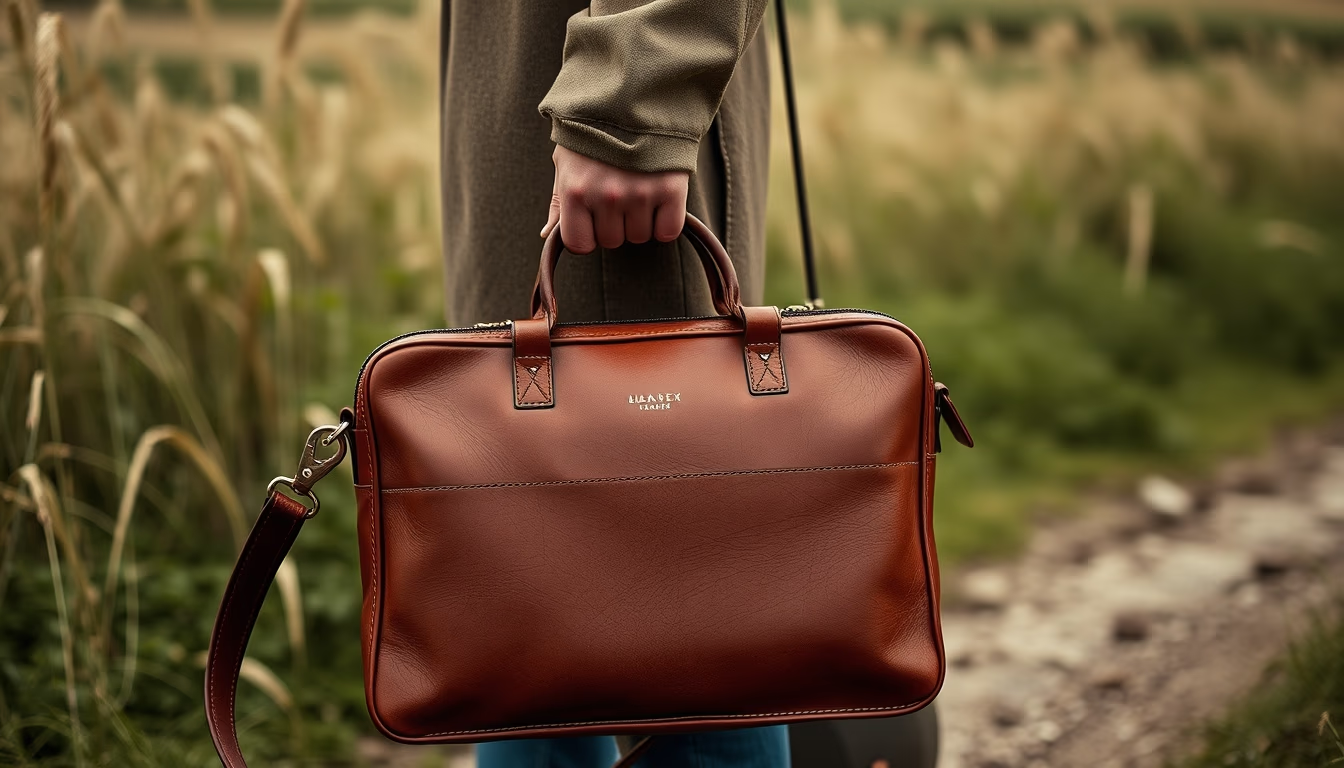
Italian leather briefcase, a symbol of elegance and artisanal tradition. Discover the history and secrets behind these iconic pieces.
About this subject
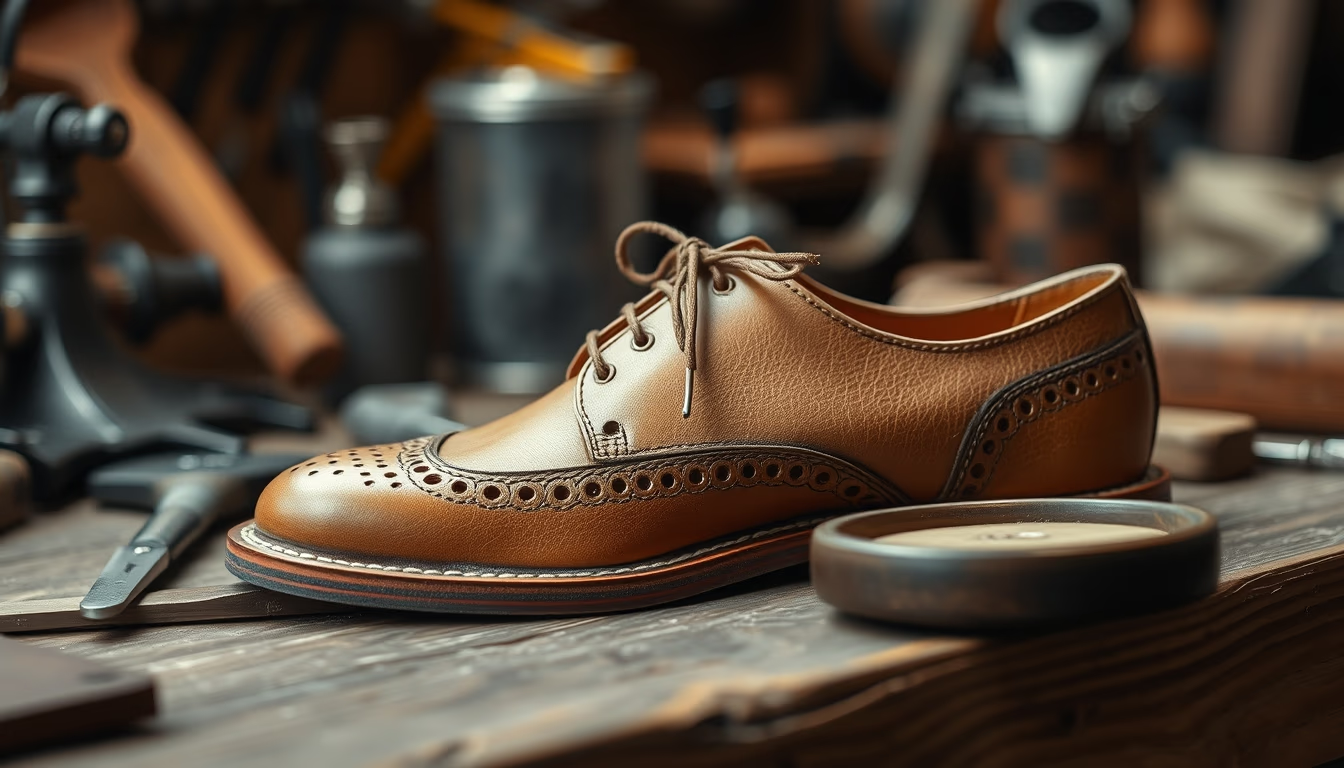
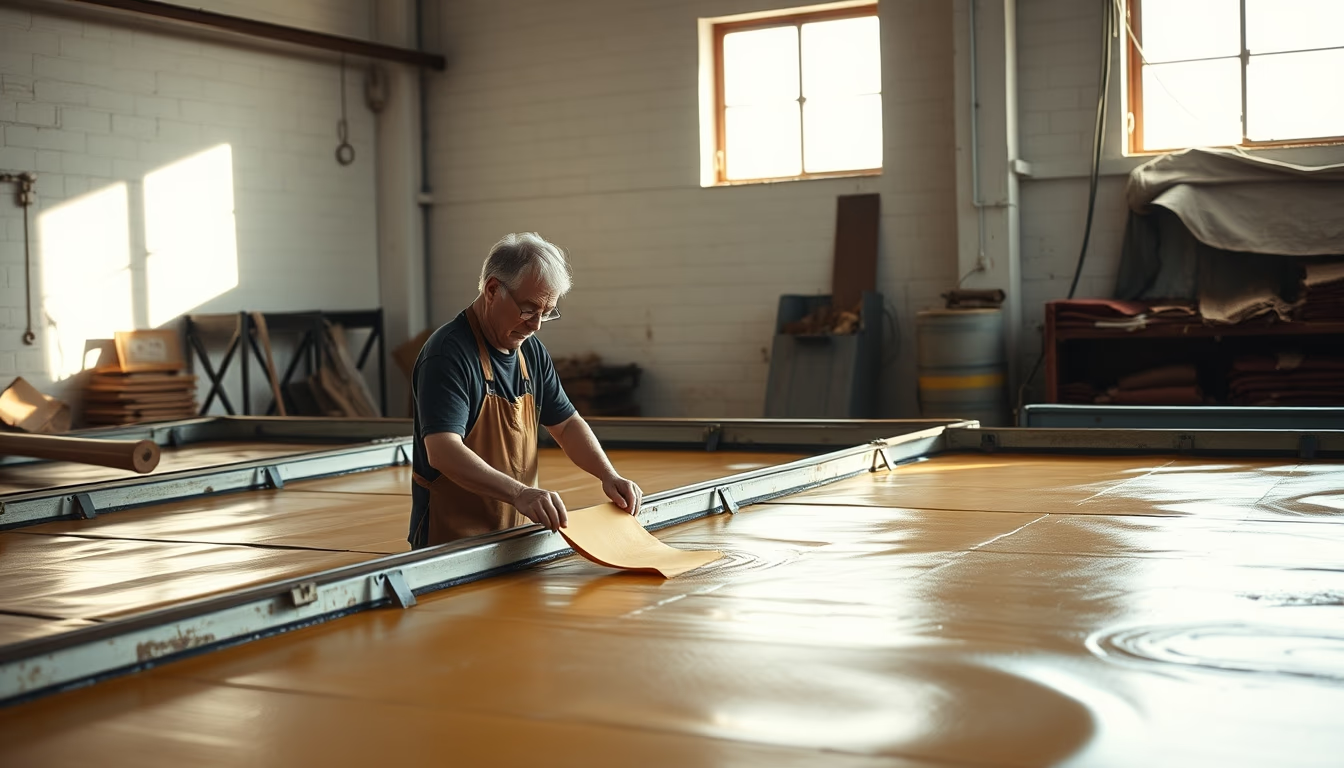
The Italian leather briefcase is much more than an accessory: it is a cultural heritage dating back to the Renaissance. The tradition of leather tanning in Italy, especially in the Tuscany region, is globally recognized for quality and durability. Italian artisans master centuries-old techniques, such as vegetable tanning, which uses natural tannins extracted from tree bark, resulting in a soft, durable leather that develops a unique patina over time.
Italian briefcases are often made from calf or cowhide, selected for their even texture and lack of imperfections. Brands like Bottega Veneta, Prada, and Ferragamo use high-quality leather, but there are also small family workshops in Florence and Milan that produce bespoke handmade pieces. The manufacturing process can take weeks, involving hand cutting, hand stitching, and the application of brass or stainless steel hardware.
Beyond aesthetics, functionality is valued: organized internal compartments, secure closures, and reinforced handles. A well-maintained Italian leather briefcase can last decades, becoming a family heirloom passed down through generations. Italian leather is also sustainable, as vegetable tanning is less environmentally aggressive than modern chemical processes. Interestingly, Tuscany produces about 70% of Italian vegetable-tanned leather, and the Consorzio Vera Pelle Italiana Conciata al Vegetale certifies the authenticity of these products.
In the professional context, the Italian briefcase is associated with executives, lawyers, and diplomats, representing status and good taste. Paired with tailored suits, it completes a classic and sophisticated look. Even in the digital age, the leather briefcase remains relevant as a symbol of tradition and artisanal quality.
Frequently Asked Questions
Why is Italian leather considered high quality?
Italian leather is renowned for quality due to traditional tanning techniques like vegetable tanning, which uses natural tannins and results in durable, soft leather with a natural patina. Strict hide selection and artisanal craftsmanship ensure longevity and beauty.
How to care for an Italian leather briefcase?
To preserve the briefcase, avoid prolonged sun exposure and moisture. Clean with a dry cloth and apply a specific leather conditioner every six months. Use a dust bag for storage and avoid overloading to prevent deformation.
What is the difference between vegetable-tanned and chrome-tanned leather?
Vegetable-tanned leather uses natural tannins, is more eco-friendly, develops a patina, and lasts longer. Chrome-tanned leather is treated with chromium salts, cheaper, water-resistant, but less durable and does not develop patina.
Direct URL
https://pub-c7d6a6ea828543ac903a74a341ccb2e1.r2.dev/imagens/leather-briefcase-italian-documentary-nature-style-fresh0.avifHow to credit
Include a visible link back to UtilizAí. Copy one of the snippets below:
<a href="https://xn--utiliza-eza.com/en/midia/imagens/leather-briefcase-italian-documentary-nature-style-fresh0">Leather briefcase italian</a> by <a href="https://xn--utiliza-eza.com">UtilizAí</a>, licensed under <a href="https://creativecommons.org/licenses/by/4.0/">CC BY 4.0</a>.
[Leather briefcase italian](https://xn--utiliza-eza.com/en/midia/imagens/leather-briefcase-italian-documentary-nature-style-fresh0) by [UtilizAí](https://xn--utiliza-eza.com), CC BY 4.0
License: CC-BY-4.0