Leather boots cobbler
1344×768 · AVIF · CC BY 4.0
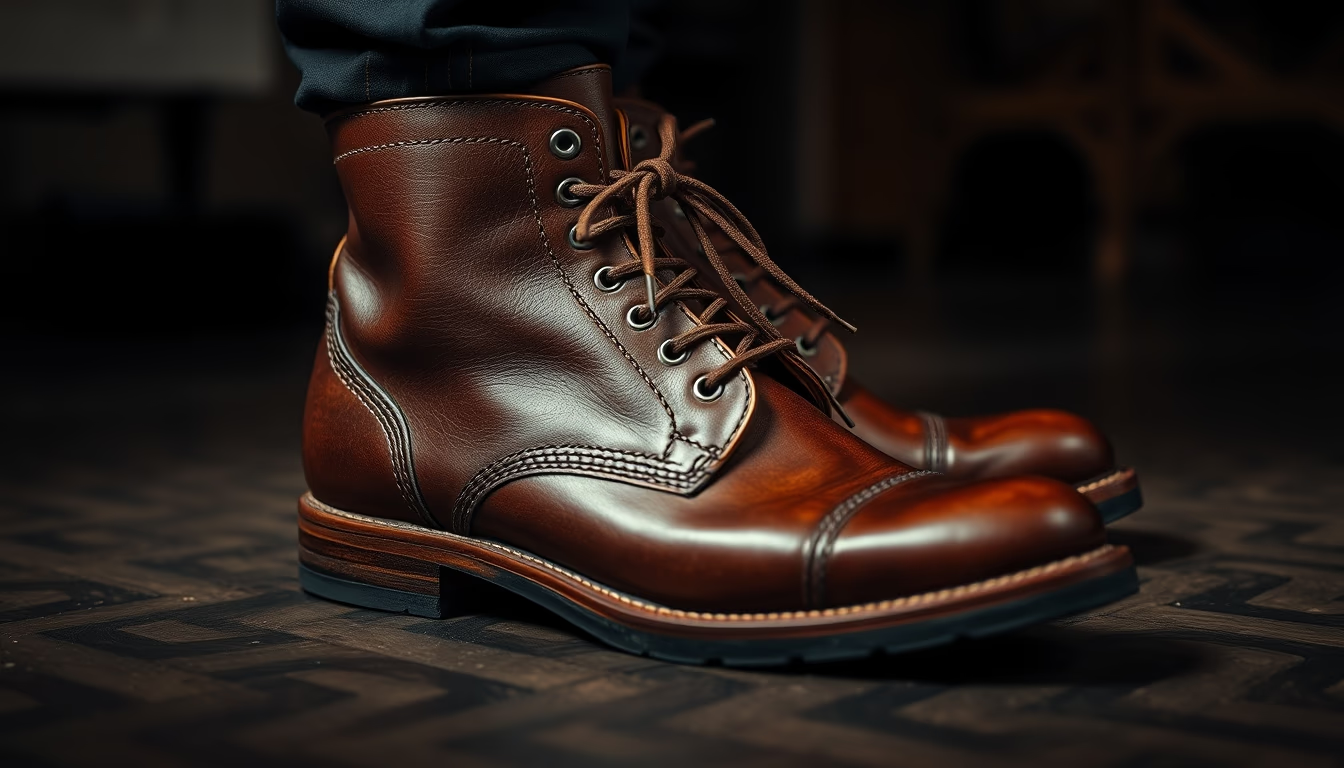
The cobbler's craft, restoring and crafting leather boots, preserves centuries-old manual techniques essential for footwear durability.
About this subject
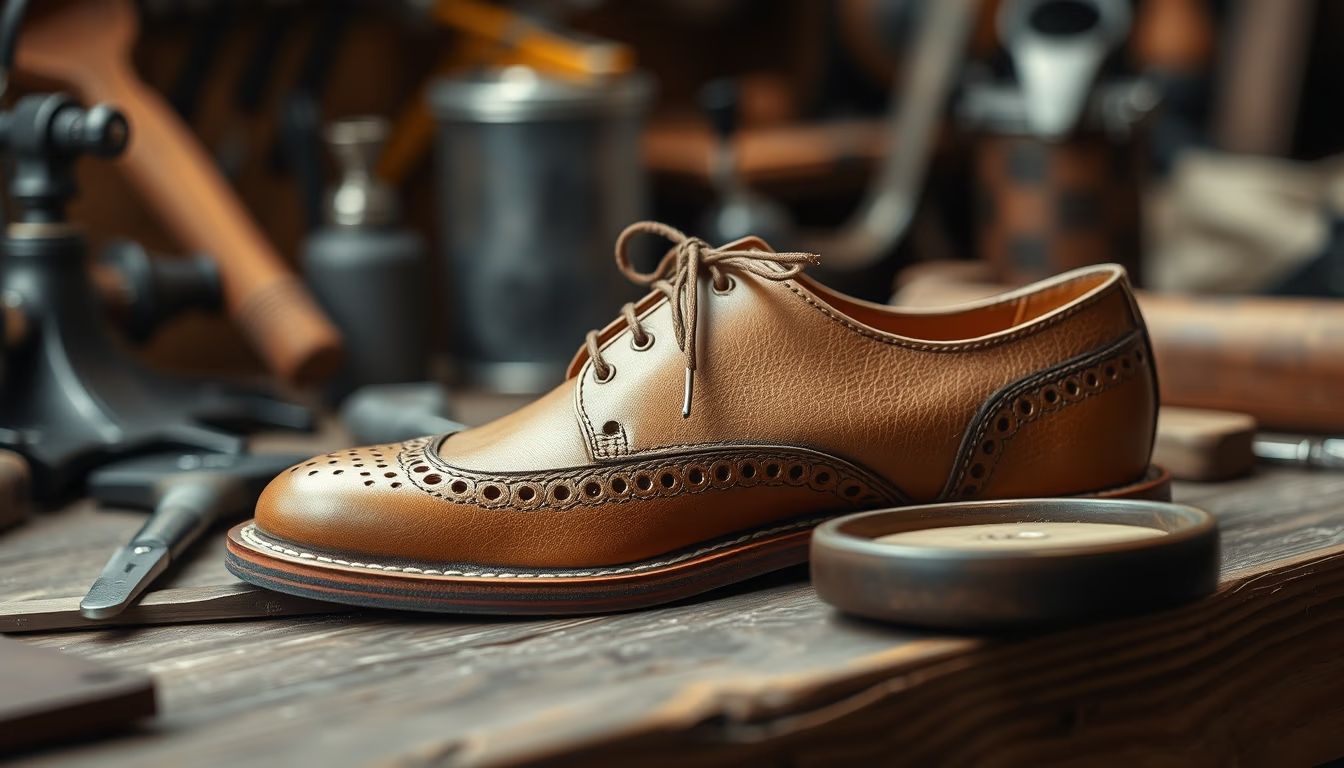
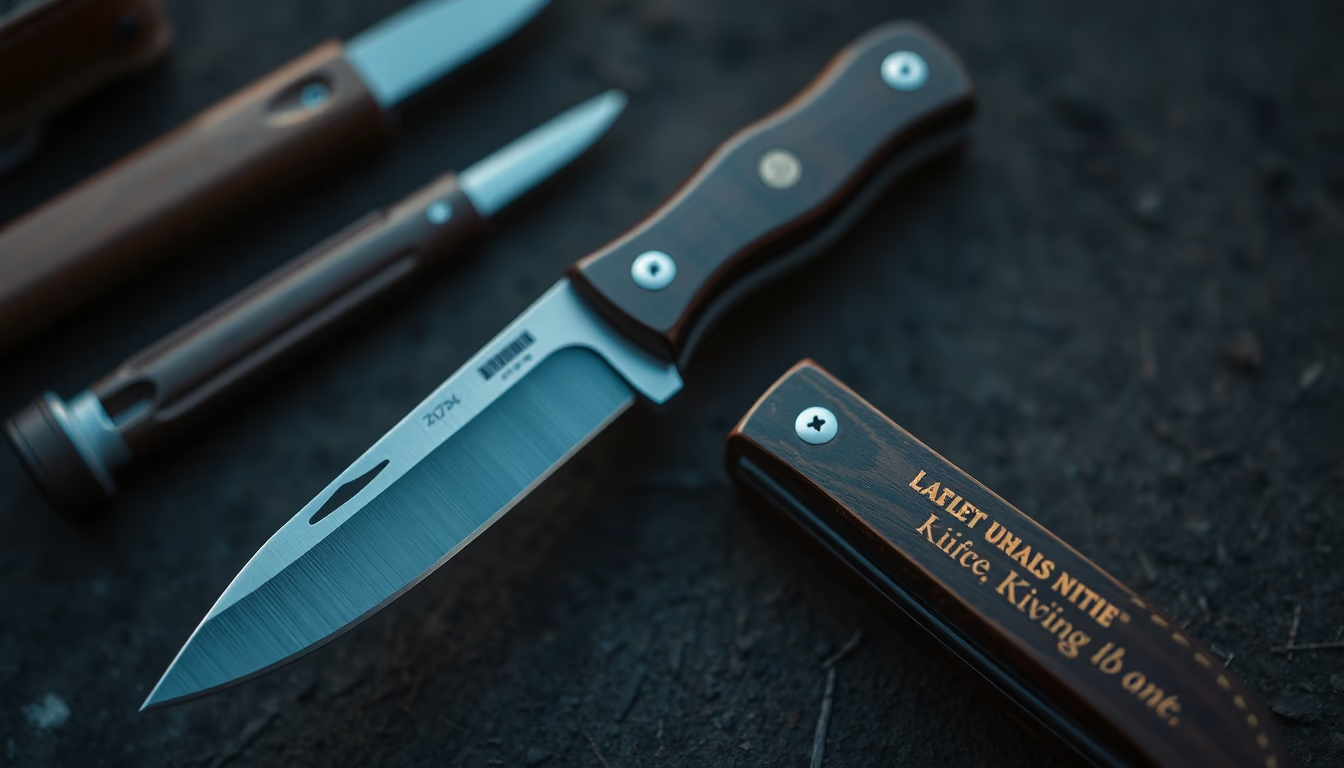
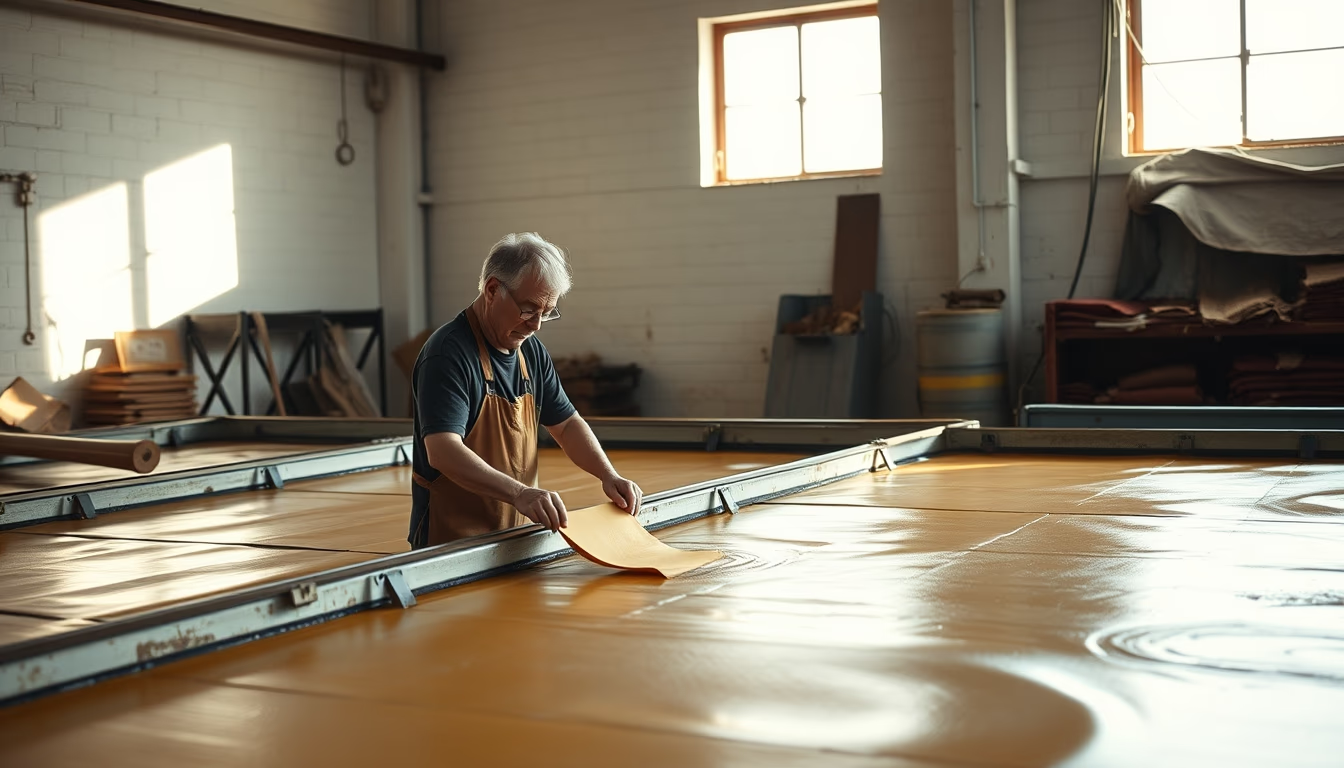
The cobbler profession dates back to antiquity, with leather footwear records from 3000 BC in Egypt. In Brazil, European immigration, especially Italian and German, brought refined techniques that merged with local knowledge. The cobbler's manual work spans from leather selection, usually vegetable-tanned for greater resistance, to stitching with waxed linen and applying rubber or leather soles. Each step requires knowledge of foot anatomy, material properties, and specific tools such as shoe lasts, cobblers' hammers, and awls.
Leather boots are particularly challenging due to their height and stiffness. The cobbler must shape the shaft, reinforce the heel, and ensure the insole conforms to the foot's arch. Techniques like the Goodyear welt, patented in 1869, allow the sole to be replaced without damaging the upper, extending the boot's lifespan. However, many artisans still use traditional gluing and hand-stitching methods, valued by collectors of handmade footwear.
Today, the craft faces challenges from mass production and throwaway culture. Yet there is a resurgence of interest in bespoke shoes and repairs, driven by sustainable fashion and slow fashion movements. In cities like São Paulo and Porto Alegre, century-old cobblers serve loyal customers, while young artisans learn the trade through technical courses. Appreciating the cobbler's work goes beyond practicality: it represents preserving intangible cultural heritage, where manual skill and empirical knowledge are passed down through generations.
Interestingly, the word "cobbler" originates from Old English "cobelere," meaning "one who mends." Unlike a shoemaker, a cobbler specializes in repairs and adjustments, giving new life to worn-out boots. Materials like cowhide, suede, and nubuck require different treatments, and a skilled professional knows the appropriate wax, conditioner, or waterproofing agent. This expertise makes the cobbler an indispensable ally for those seeking durability and comfort in leather footwear.
Frequently Asked Questions
What does a cobbler do?
A cobbler repairs, adjusts, and restores leather footwear like boots and shoes. Their work includes replacing soles, reinforcing stitches, changing heels, and conditioning the leather, extending the footwear's lifespan.
How to care for leather boots to avoid needing a cobbler?
Keep boots clean and conditioned with leather-specific wax or conditioner. Avoid prolonged sun and moisture exposure. Use shoe trees to maintain shape. Schedule preventive maintenance every six months.
Is the cobbler trade dying out?
Although it declined with industrialization, the trade persists. There is a revival of interest in repairs and handmade shoes, driven by sustainable fashion. Many young people learn the profession, and century-old cobblers still operate.
Direct URL
https://pub-c7d6a6ea828543ac903a74a341ccb2e1.r2.dev/imagens/leather-boots-cobbler-fine-art-photography-fresh16.avifHow to credit
Include a visible link back to UtilizAí. Copy one of the snippets below:
<a href="https://xn--utiliza-eza.com/en/midia/imagens/leather-boots-cobbler-fine-art-photography-fresh16">Leather boots cobbler</a> by <a href="https://xn--utiliza-eza.com">UtilizAí</a>, licensed under <a href="https://creativecommons.org/licenses/by/4.0/">CC BY 4.0</a>.
[Leather boots cobbler](https://xn--utiliza-eza.com/en/midia/imagens/leather-boots-cobbler-fine-art-photography-fresh16) by [UtilizAí](https://xn--utiliza-eza.com), CC BY 4.0
License: CC-BY-4.0