Leather boots cobbler
1344×768 · AVIF · CC BY 4.0
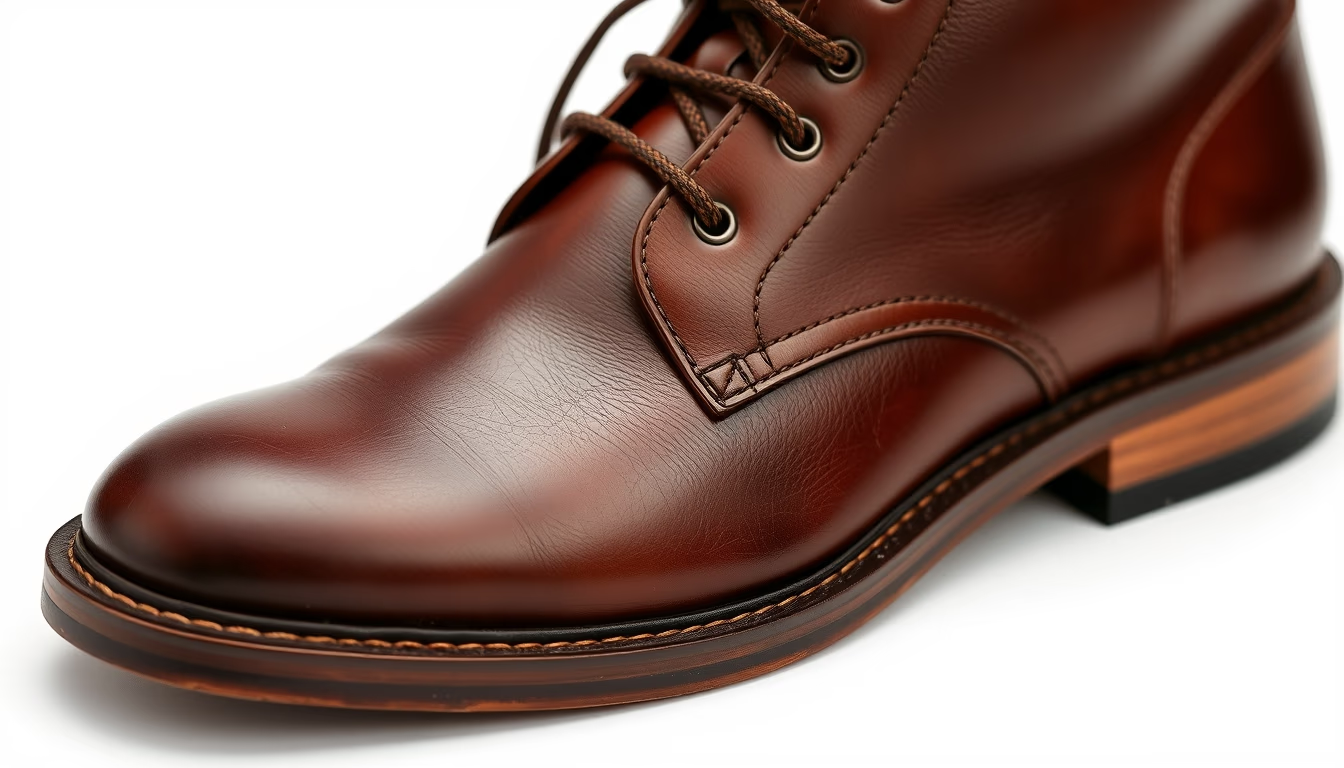
Discover the cobbler's craft, an artisan who restores and transforms leather boots with century-old techniques.
About this subject
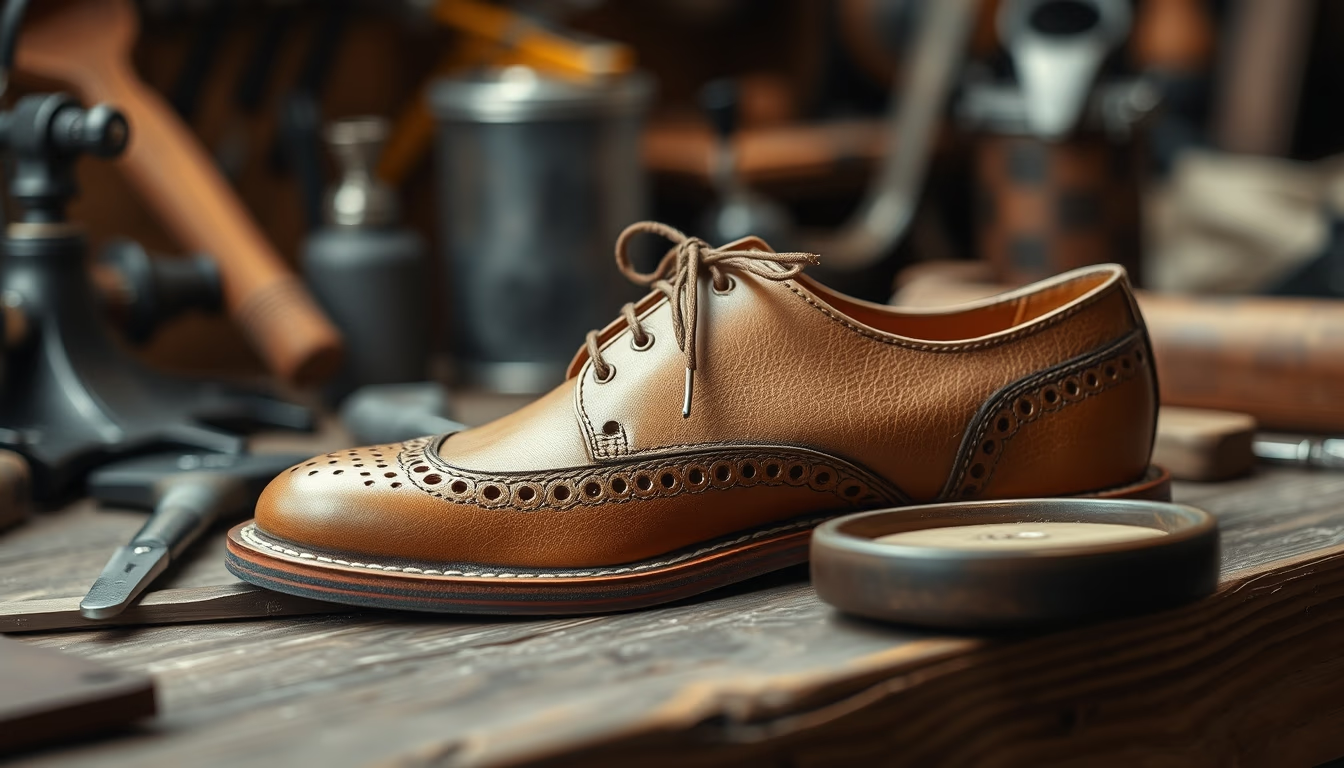
The cobbler is a professional specialized in repairing, maintaining, and customizing footwear, especially leather boots. This craft dates back to the Middle Ages, when European shoemakers' guilds established quality standards that persist today. In Brazil, the profession gained momentum with European immigration and the gaucho culture, which values leather boots for riding and rural work.
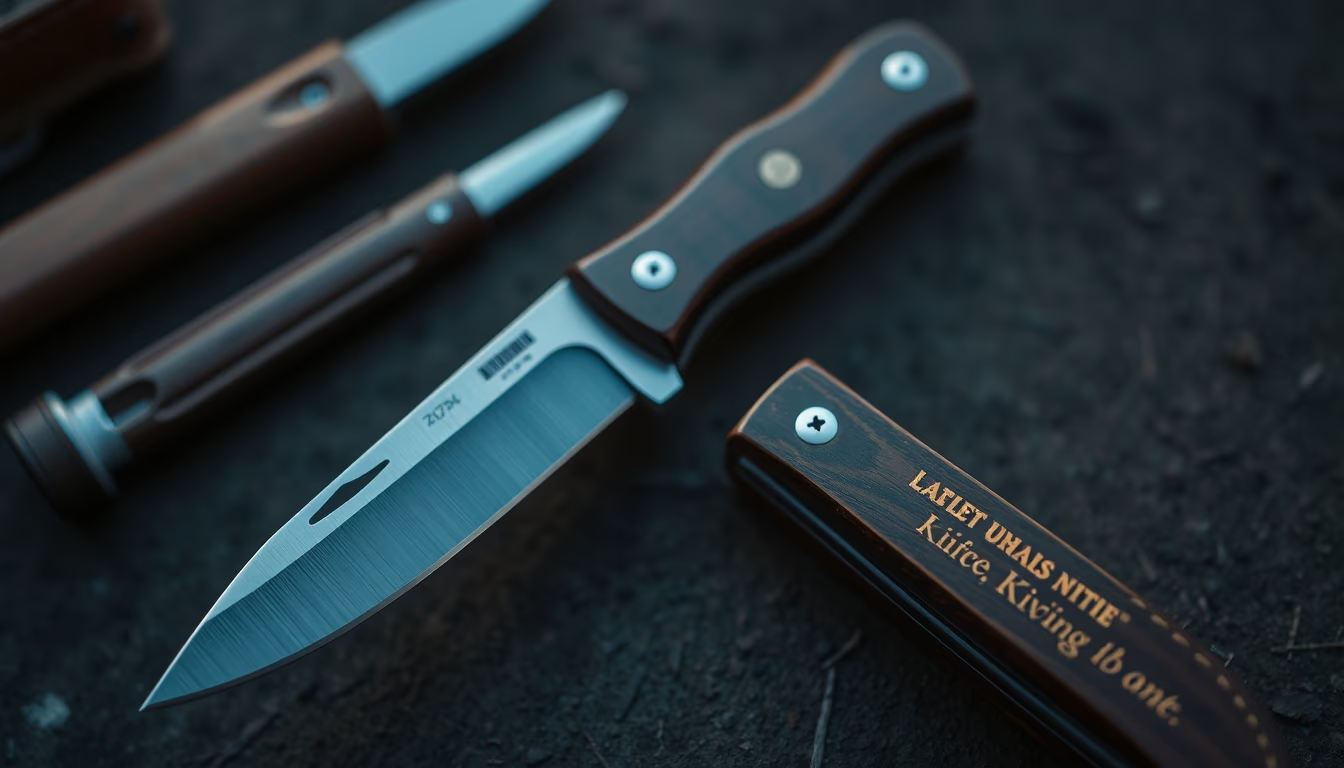
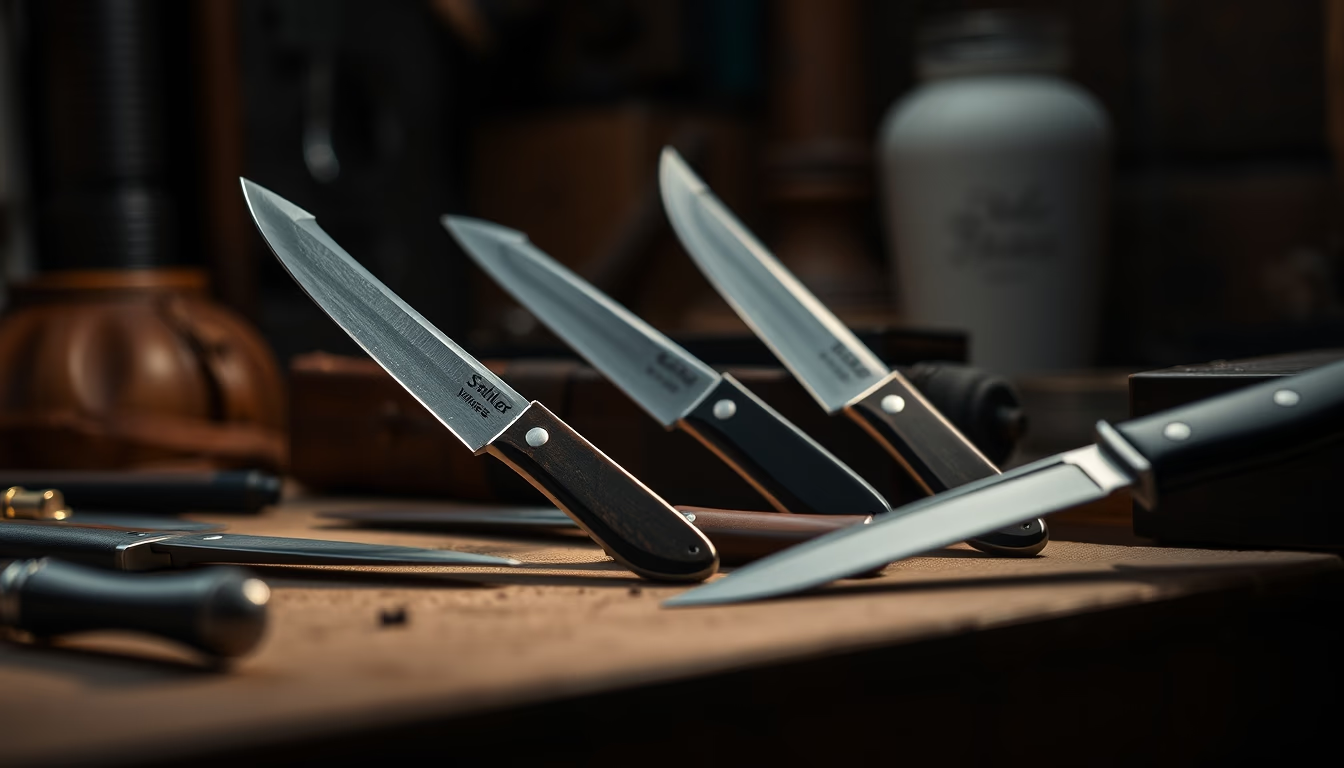
Traditional techniques include leather insoles, hand stitching with waxed thread, and the use of wooden lasts for shaping. An experienced cobbler can quickly identify the type of leather, ideal thickness, and wear points. The sole, often made of vegetable-tanned leather or recycled rubber, is replaced without compromising the boot's structure.
Today, the craft gains relevance in the sustainable fashion movement. Repairing high-quality leather boots reduces waste and promotes conscious consumption. Traditional shoe repair shops in cities like São Paulo, Porto Alegre, and New York attract clients seeking to extend the life of handmade footwear. The appreciation of manual work also fosters cultural tourism, with visits to century-old workshops.
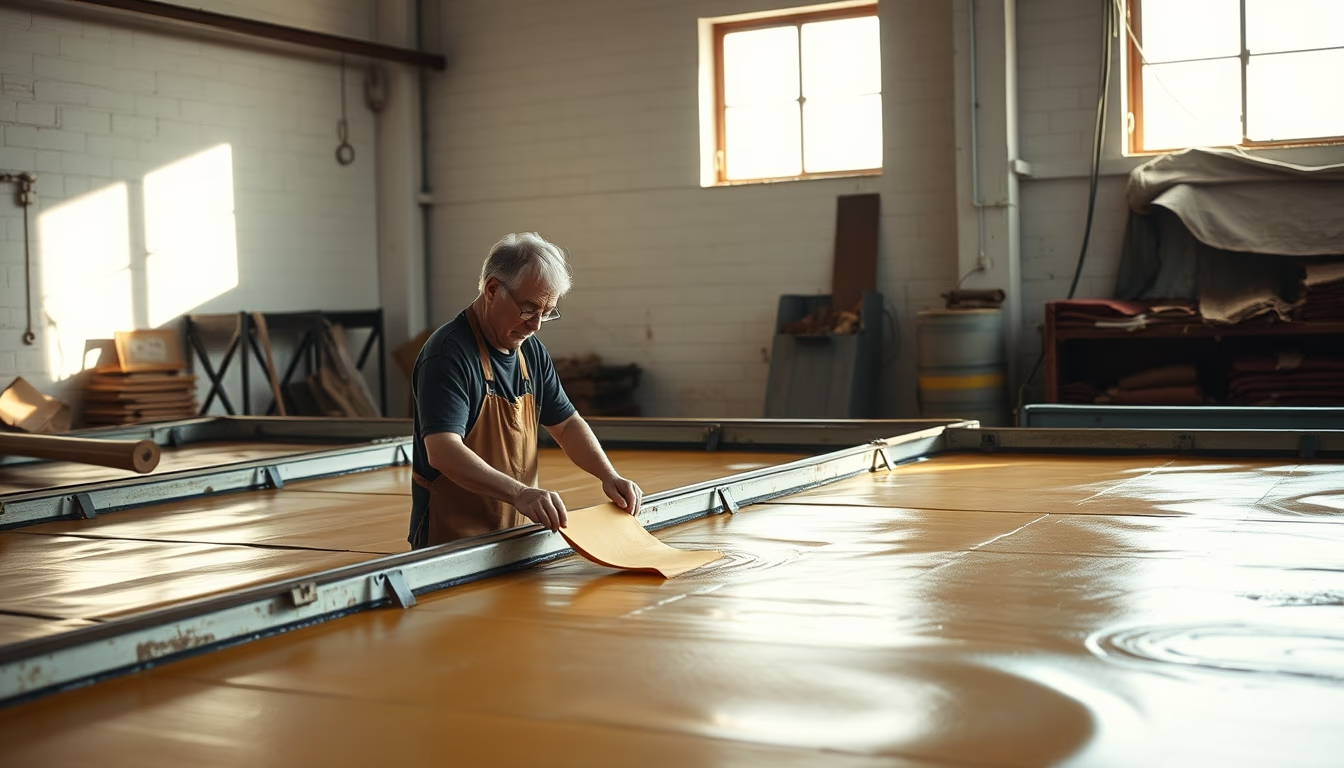
The leather used, typically bovine or caprine, undergoes vegetable or chrome tanning. Periodic maintenance with waxes and waterproofing prevents drying and cracking. A good cobbler knows the properties of each leather type and recommends specific care, ensuring boots last for decades.
Frequently Asked Questions
How long does it take to repair a pair of leather boots?
It depends on the service. A simple sole replacement can take 1 to 3 days. More complex repairs, such as insole replacement or stitching, may require up to a week.
What is the best type of leather for boots?
Vegetable-tanned leather is durable, breathable, and develops a patina over time. Chrome-tanned leather is softer and more water-resistant, but less eco-friendly. The choice depends on use: for work, prefer vegetable-tanned; for casual, chrome.
Can I waterproof leather boots at home?
Yes. Use specific products like beeswax or waterproofing sprays. Apply in thin layers, let dry, and buff. Avoid homemade vegetable oils, as they can stain the leather.
Direct URL
https://pub-c7d6a6ea828543ac903a74a341ccb2e1.r2.dev/imagens/leather-boots-cobbler-commercial-product-photography-fresh18.avifHow to credit
Include a visible link back to UtilizAí. Copy one of the snippets below:
<a href="https://xn--utiliza-eza.com/en/midia/imagens/leather-boots-cobbler-commercial-product-photography-fresh18">Leather boots cobbler</a> by <a href="https://xn--utiliza-eza.com">UtilizAí</a>, licensed under <a href="https://creativecommons.org/licenses/by/4.0/">CC BY 4.0</a>.
[Leather boots cobbler](https://xn--utiliza-eza.com/en/midia/imagens/leather-boots-cobbler-commercial-product-photography-fresh18) by [UtilizAí](https://xn--utiliza-eza.com), CC BY 4.0
License: CC-BY-4.0