Lapis lazuli blue
1344×768 · AVIF · CC BY 4.0
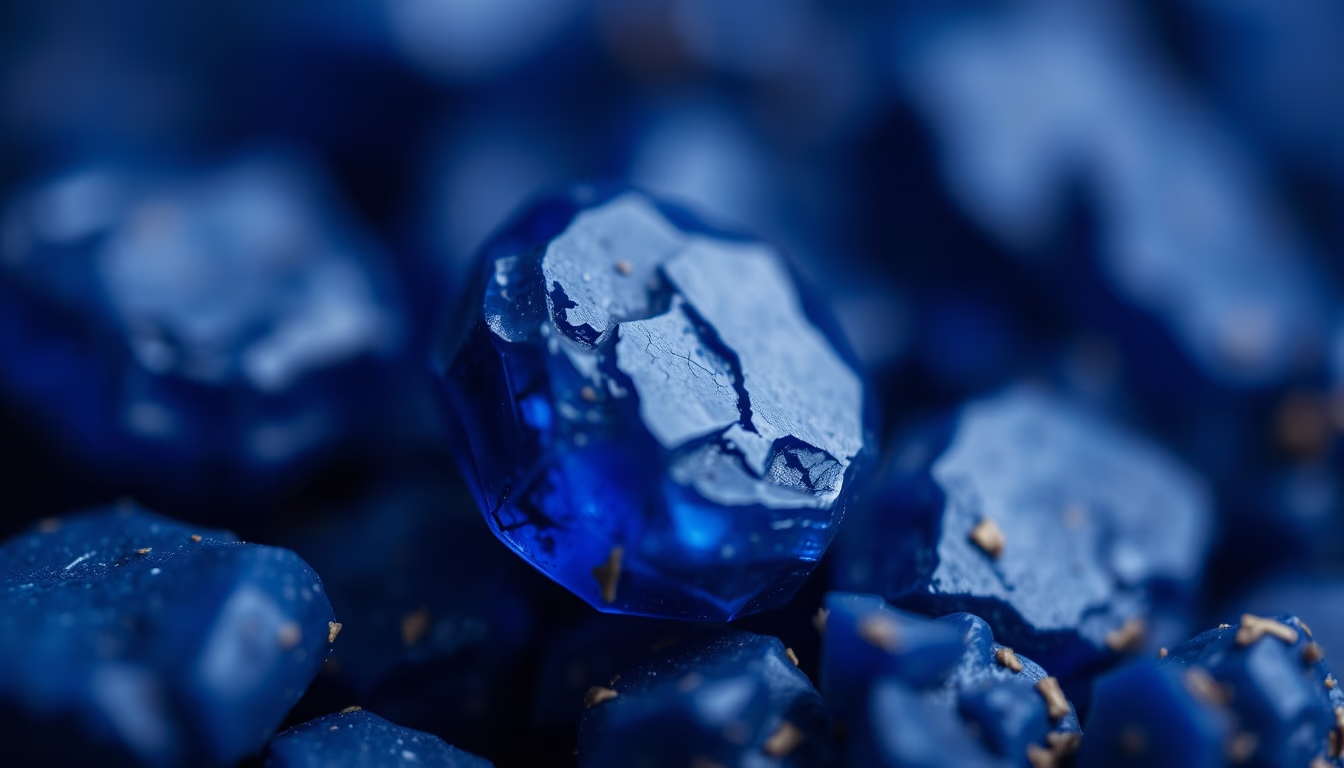
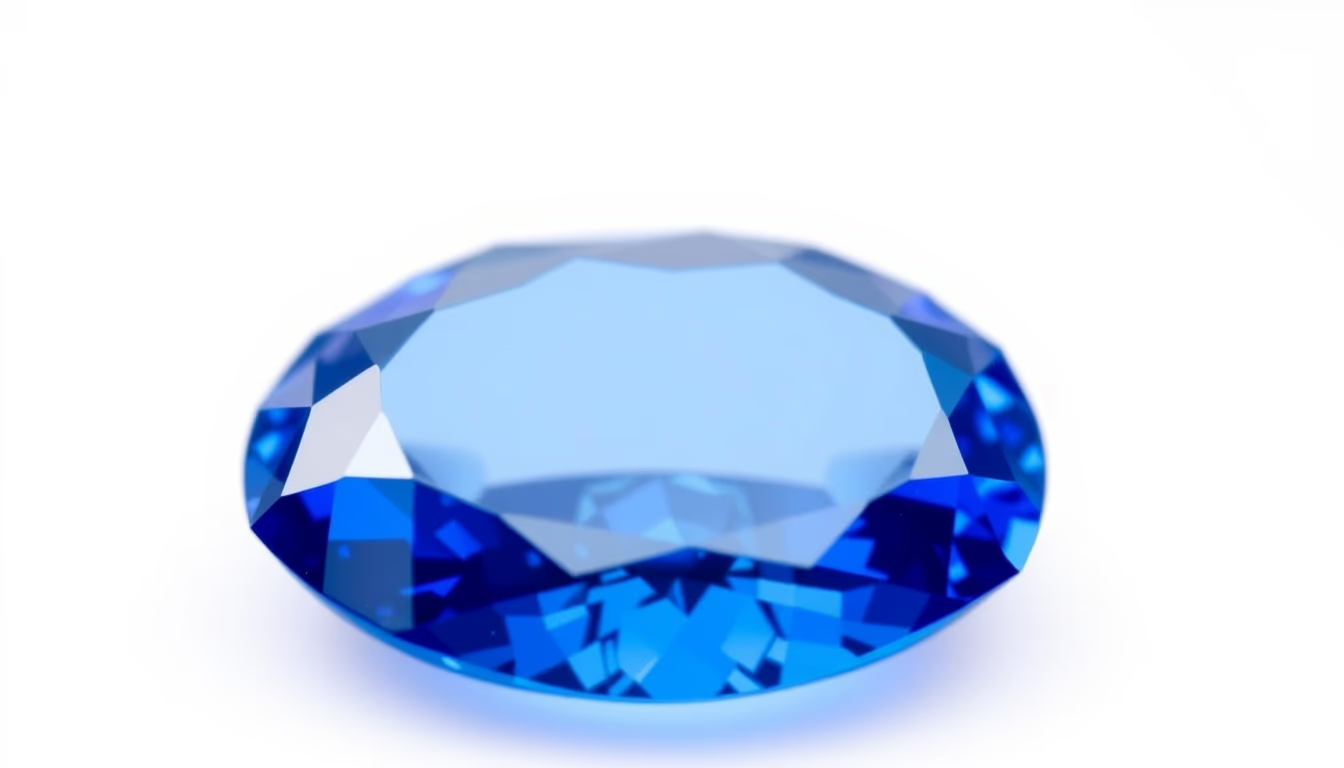
Lapis lazuli is an intense blue metamorphic rock, prized since antiquity for its color and used in jewelry, pigments, and decorative objects.
About this subject
Lapis lazuli is a metamorphic rock composed mainly of lazurite, calcite, and pyrite. Its deep blue color comes from lazurite, a complex silicate containing sulfur. The presence of golden pyrite and white calcite creates characteristic inclusions that distinguish the genuine gemstone. The main historical and current sources are the Sar-e-Sang mines in Afghanistan, operating for over 6,000 years. Other significant deposits exist in Chile (Andes), Russia (Siberia), and Pakistan. In antiquity, lapis lazuli was as valued as gold. Egyptians used it in amulets, scarabs, and funerary masks, such as Tutankhamun's. In Mesopotamia, cylinder seals and royal jewelry were carved from this stone. During the Renaissance, the ultramarine pigment, obtained from ground lapis lazuli, was more expensive than gold and used exclusively for the Virgin Mary's mantle in sacred paintings. The pigment extraction process was laborious: the rock was ground, mixed with wax and resins, and then kneaded in water to separate the blue pigment. Today, synthetic replicas and treated stones are common in the market. To identify genuine lapis lazuli, look for dispersed pyrite (golden flecks) and absence of bubbles typical of glass or plastic. The stone also scratches porcelain and is relatively soft (hardness 5 to 5.5 on Mohs scale). In Brazil, the gem is less common but appreciated by collectors and jewelers.
Frequently Asked Questions
How to identify genuine lapis lazuli?
Look for golden pyrite inclusions and white calcite veins. Counterfeit stones are usually smooth and lack these marks. Genuine lapis lazuli scratches porcelain and has a hardness of 5 to 5.5.
What is the difference between lapis lazuli and sodalite?
Sodalite is a darker blue mineral, usually without pyrite, and has a more uniform appearance. Lapis lazuli is a rock containing sodalite (lazurite) but also calcite and pyrite.
Why was ultramarine pigment so expensive?
Ultramarine was extracted from Afghan lapis lazuli, ground and purified in a long, artisanal process. Because large amounts of stone yielded little pigment, its cost exceeded gold during the Renaissance.
Direct URL
https://pub-c7d6a6ea828543ac903a74a341ccb2e1.r2.dev/imagens/lapis-lazuli-blue-macro-closeup-p2.avifHow to credit
Include a visible link back to UtilizAí. Copy one of the snippets below:
<a href="https://xn--utiliza-eza.com/en/midia/imagens/lapis-lazuli-blue-macro-closeup-p2">Lapis lazuli blue</a> by <a href="https://xn--utiliza-eza.com">UtilizAí</a>, licensed under <a href="https://creativecommons.org/licenses/by/4.0/">CC BY 4.0</a>.
[Lapis lazuli blue](https://xn--utiliza-eza.com/en/midia/imagens/lapis-lazuli-blue-macro-closeup-p2) by [UtilizAí](https://xn--utiliza-eza.com), CC BY 4.0
License: CC-BY-4.0