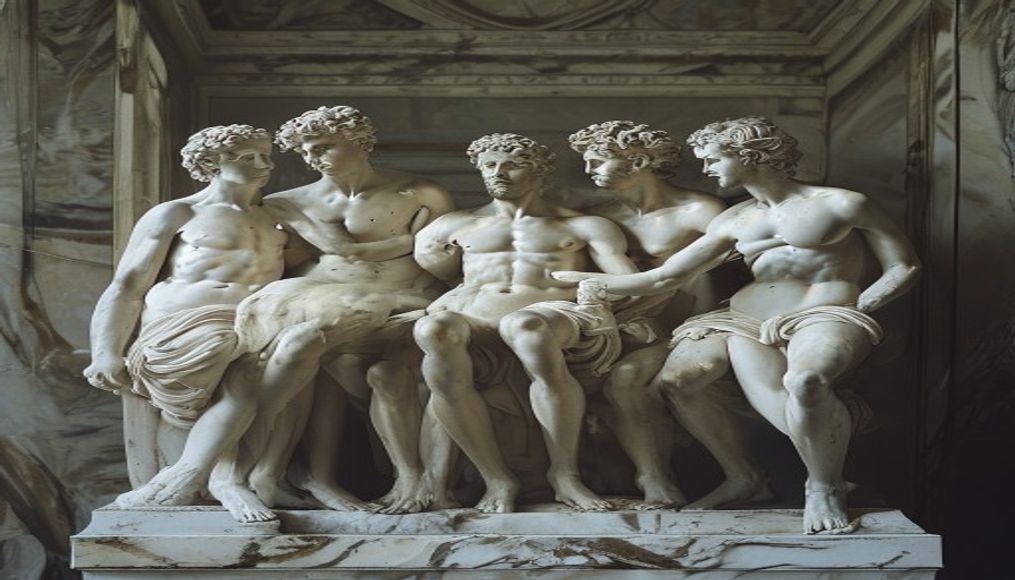
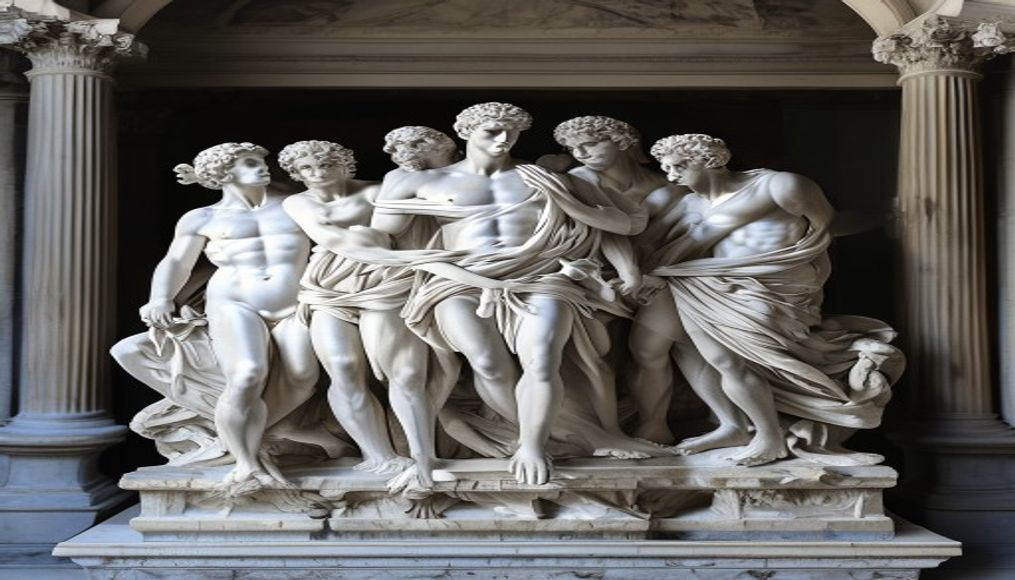
Laocoon group sculpture
1344×768 · AVIF · CC BY 4.0
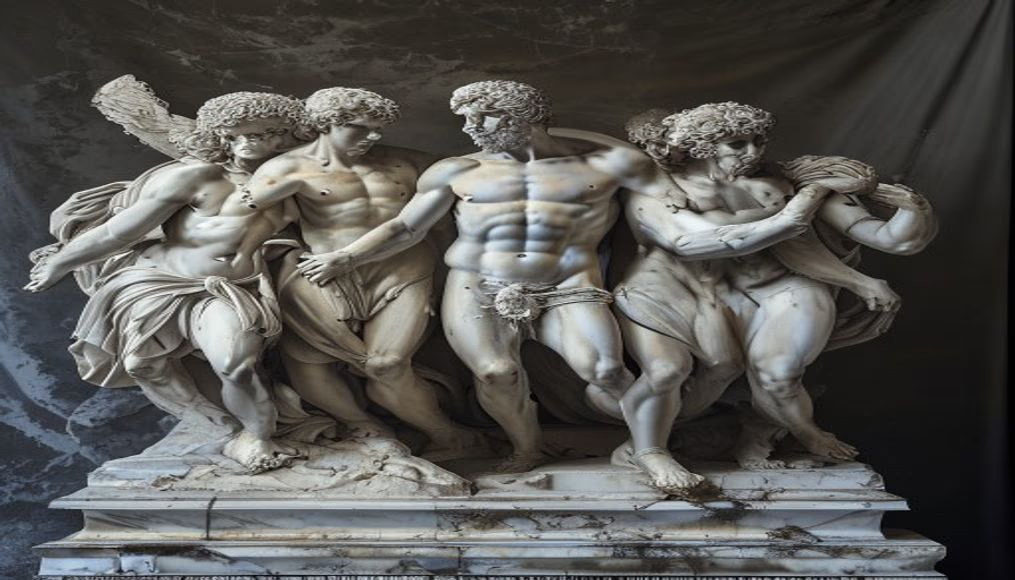
The Laocoon group is a Hellenistic sculpture from the 1st century BC, depicting the Trojan priest and his sons attacked by sea serpents, now housed in the Vatican Museums.
About this subject
The Laocoon Group is among the most famous sculptures of antiquity, dating from the Hellenistic period (1st century BC). The work was carved by Agesander, Athenodoros, and Polydorus of Rhodes, depicting the dramatic moment when the Trojan priest Laocoon and his sons Antiphantes and Thymbraeus are killed by sea serpents sent by the gods. The scene is based on Virgil's Aeneid, though earlier versions of the myth exist.
Discovered in 1506 in the ruins of the palace of Titus in Rome, the sculpture had an immense impact on the Renaissance. Michelangelo, present at the excavation, was reportedly influenced by the work in his own creations. Pope Julius II immediately acquired the piece, and it was placed in the Belvedere Courtyard in the Vatican, where it remains today in the Vatican Museums.
The sculpture is particularly praised for its depiction of suffering and agony, with bodies twisted in a spiral. For centuries, Laocoon's right arm was missing and restored in an extended position. In 1906, the original bent arm was discovered, confirming that the more restrained posture was correct. The group served as a reference for scholars such as Winckelmann and Lessing, who debated the boundaries between poetry and visual arts based on this work.
The Laocoon Group symbolizes human tragedy and divine punishment, being a landmark of Hellenistic sculpture for its anatomical realism and expressiveness. Its influence extended to artists like El Greco and Rubens, and it is still studied today as a prime example of the ability to convey emotion through marble.
Frequently Asked Questions
Where is the Laocoon Group sculpture located?
The sculpture is displayed in the Vatican Museums, in the Belvedere Courtyard, since its discovery in 1506.
Who sculpted the Laocoon Group?
The work was carved by the Rhodian artists Agesander, Athenodoros, and Polydorus in the 1st century BC.
What is the mythological significance of the Laocoon Group?
It depicts the punishment of the Trojan priest Laocoon for warning the Trojans about the Trojan Horse. The gods sent serpents to kill him and his sons.
Direct URL
https://pub-c7d6a6ea828543ac903a74a341ccb2e1.r2.dev/imagens/laocoon-group-sculpture-national-geographic-style-p1.avifHow to credit
Include a visible link back to UtilizAí. Copy one of the snippets below:
<a href="https://xn--utiliza-eza.com/en/midia/imagens/laocoon-group-sculpture-national-geographic-style-p1">Laocoon group sculpture</a> by <a href="https://xn--utiliza-eza.com">UtilizAí</a>, licensed under <a href="https://creativecommons.org/licenses/by/4.0/">CC BY 4.0</a>.
[Laocoon group sculpture](https://xn--utiliza-eza.com/en/midia/imagens/laocoon-group-sculpture-national-geographic-style-p1) by [UtilizAí](https://xn--utiliza-eza.com), CC BY 4.0
License: CC-BY-4.0