Kite festival sky colorful
1344×768 · AVIF · CC BY 4.0

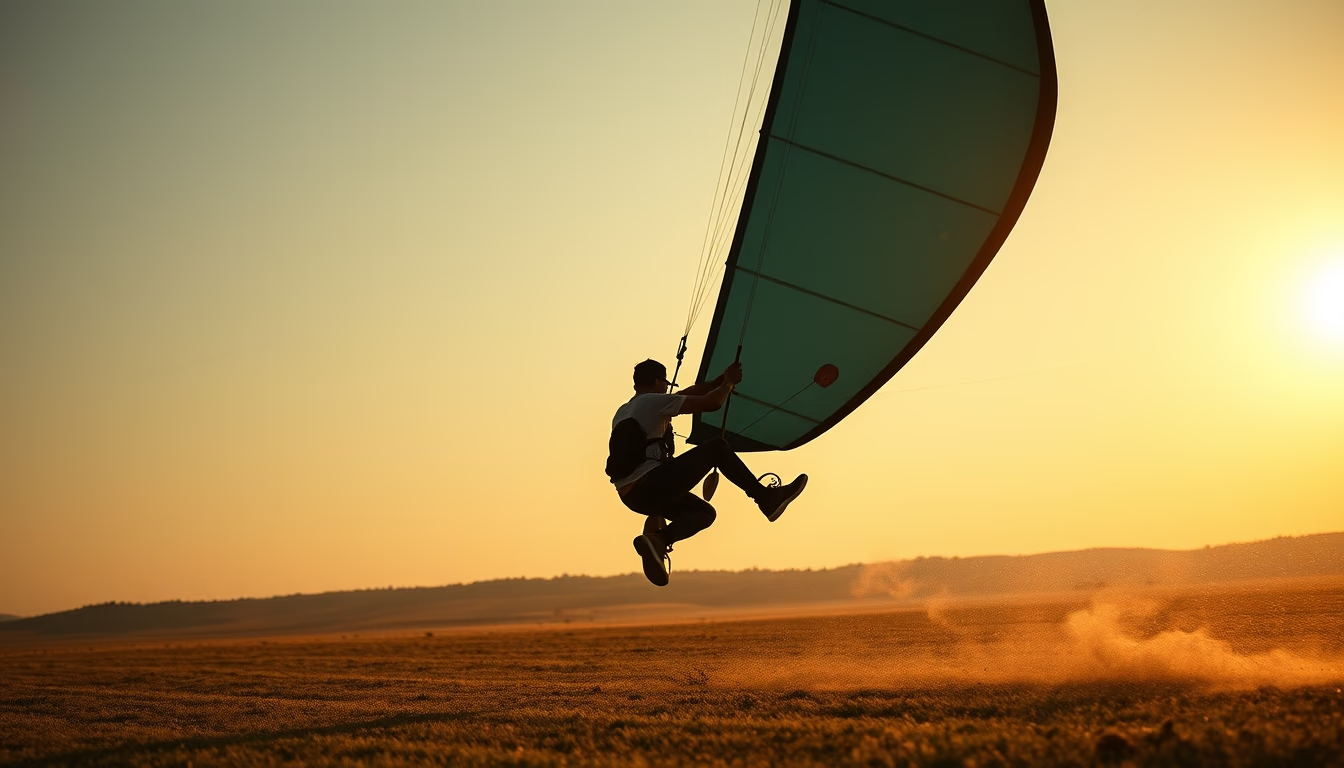
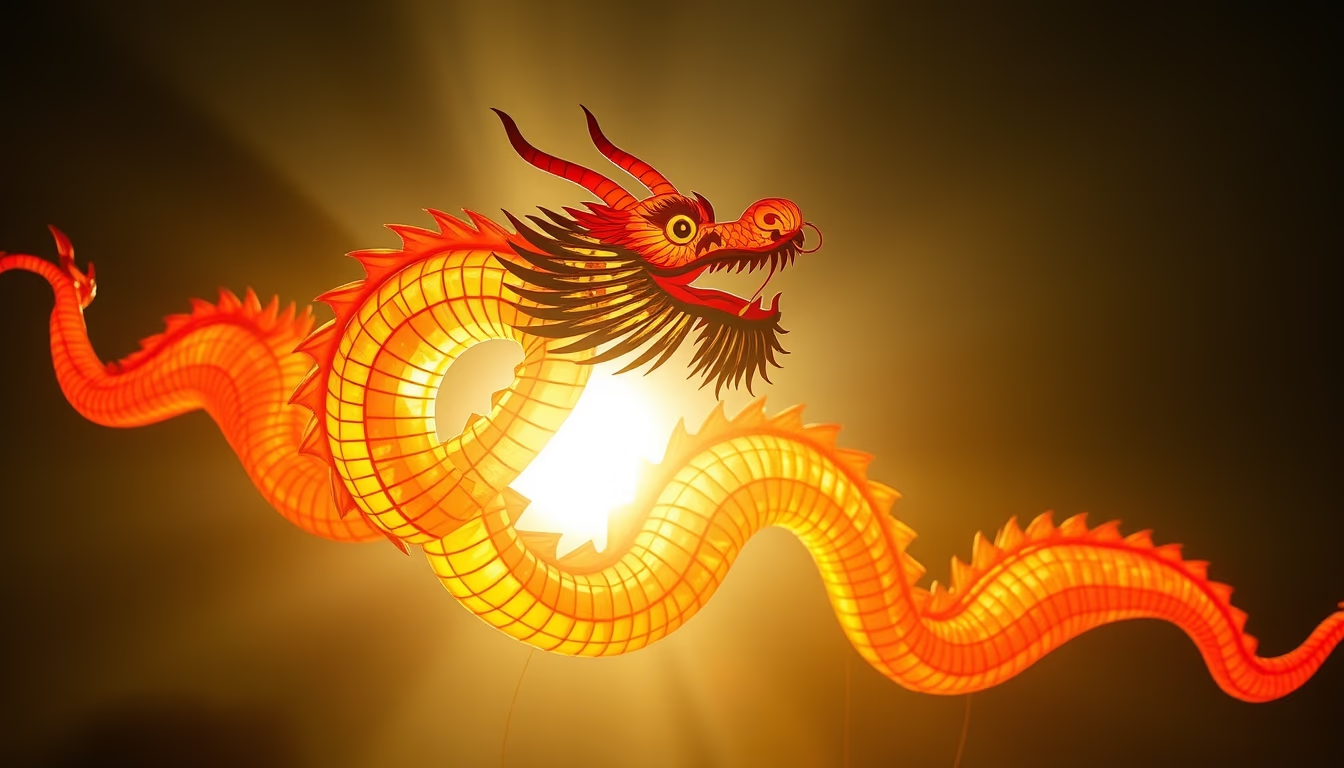
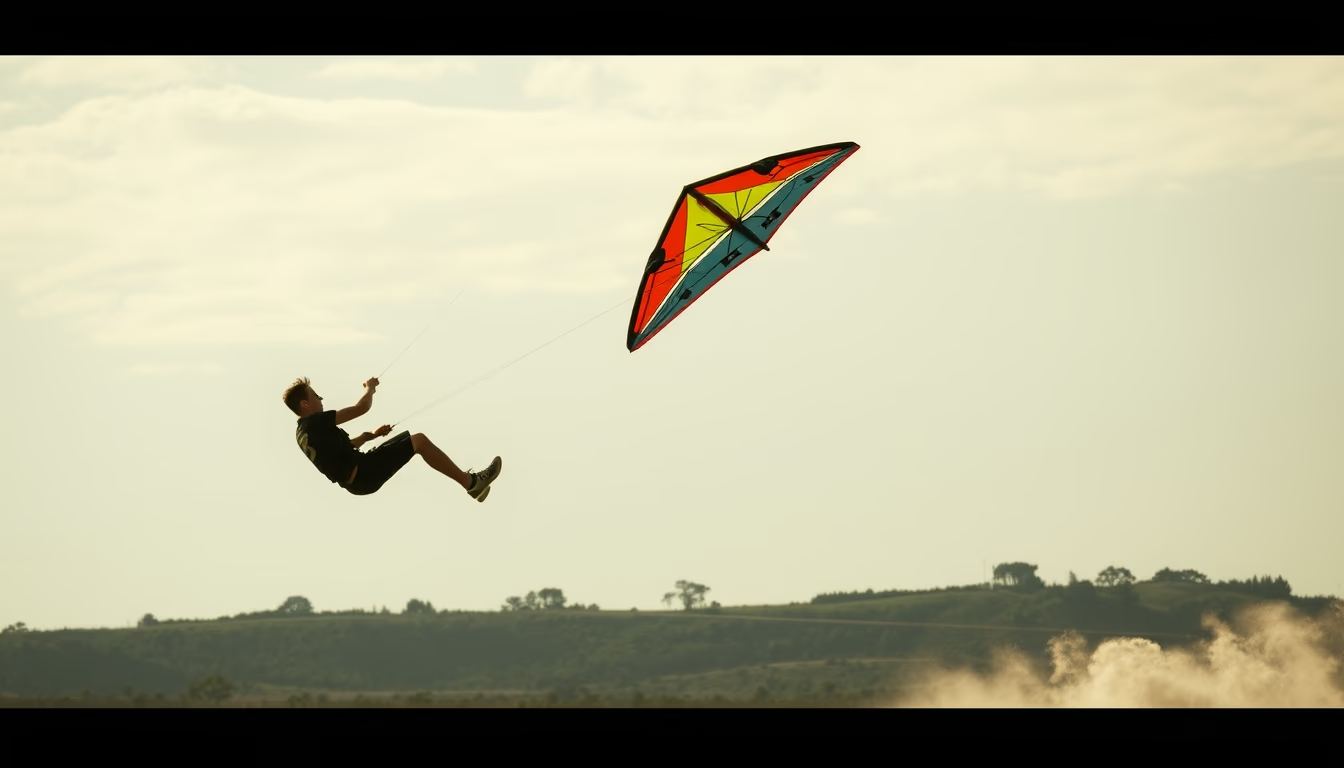
Kite festivals paint the skies worldwide, blending tradition, competition, and art in events that draw thousands of people.
About this subject
Kite festivals are celebrations held in various countries, each with its own cultural nuances. In India, the Uttarayan festival celebrated in January marks the winter solstice and is one of the largest such events, with millions flying kites over Gujarat's skies. In China, the Weifang International Kite Festival held annually in April is recognized as the world's kite capital, showcasing intricate designs from dragons to mythological figures. In Brazil, although there is no large-scale festival, the tradition of flying kites is strong in urban and rural communities, especially during July school holidays when favorable winds fill the sky with colors.
The practice of kite flying dates back over 2,000 years to China, where kites were used for military purposes such as measuring distances and sending signals. Over time, it evolved into a popular pastime and eventually into organized competitions. Modern festivals often include categories like largest kite, most creative, and aerial acrobatics, with skilled pilots maneuvering kites in synchronized choreography set to music.
Beyond entertainment, kite festivals have significant economic and tourism impacts. Cities like Weifang and Ahmedabad attract visitors worldwide, generating revenue for hotels, restaurants, and local artisans who craft handmade kites. Sustainability is also a growing concern, with many events encouraging the use of biodegradable materials to reduce waste in the sky and on the ground.
Interestingly, some festivals carry political or social meaning. For instance, in Afghanistan, the Kabul kite festival, banned under Taliban rule, has reemerged as a symbol of freedom and cultural resistance. This shows how a seemingly playful activity can carry profound meanings and connect generations.
Frequently Asked Questions
What is the largest kite festival in the world?
The largest kite festival is Uttarayan, celebrated in Gujarat, India, in January. It attracts millions of participants who fill the sky with colorful kites.
What is the historical origin of kites?
Kites were invented in China over 2,000 years ago. Initially used for military purposes like measuring distances and signaling, they later became toys and ceremonial items.
How do kite festivals impact the environment?
Many festivals now promote biodegradable materials for kites and strings to reduce pollution. Improper disposal of kites and lines can harm wildlife and ecosystems.
Direct URL
https://pub-c7d6a6ea828543ac903a74a341ccb2e1.r2.dev/imagens/kite-festival-sky-colorful-documentary-photography-fresh0.avifHow to credit
Include a visible link back to UtilizAí. Copy one of the snippets below:
<a href="https://xn--utiliza-eza.com/en/midia/imagens/kite-festival-sky-colorful-documentary-photography-fresh0">Kite festival sky colorful</a> by <a href="https://xn--utiliza-eza.com">UtilizAí</a>, licensed under <a href="https://creativecommons.org/licenses/by/4.0/">CC BY 4.0</a>.
[Kite festival sky colorful](https://xn--utiliza-eza.com/en/midia/imagens/kite-festival-sky-colorful-documentary-photography-fresh0) by [UtilizAí](https://xn--utiliza-eza.com), CC BY 4.0
License: CC-BY-4.0