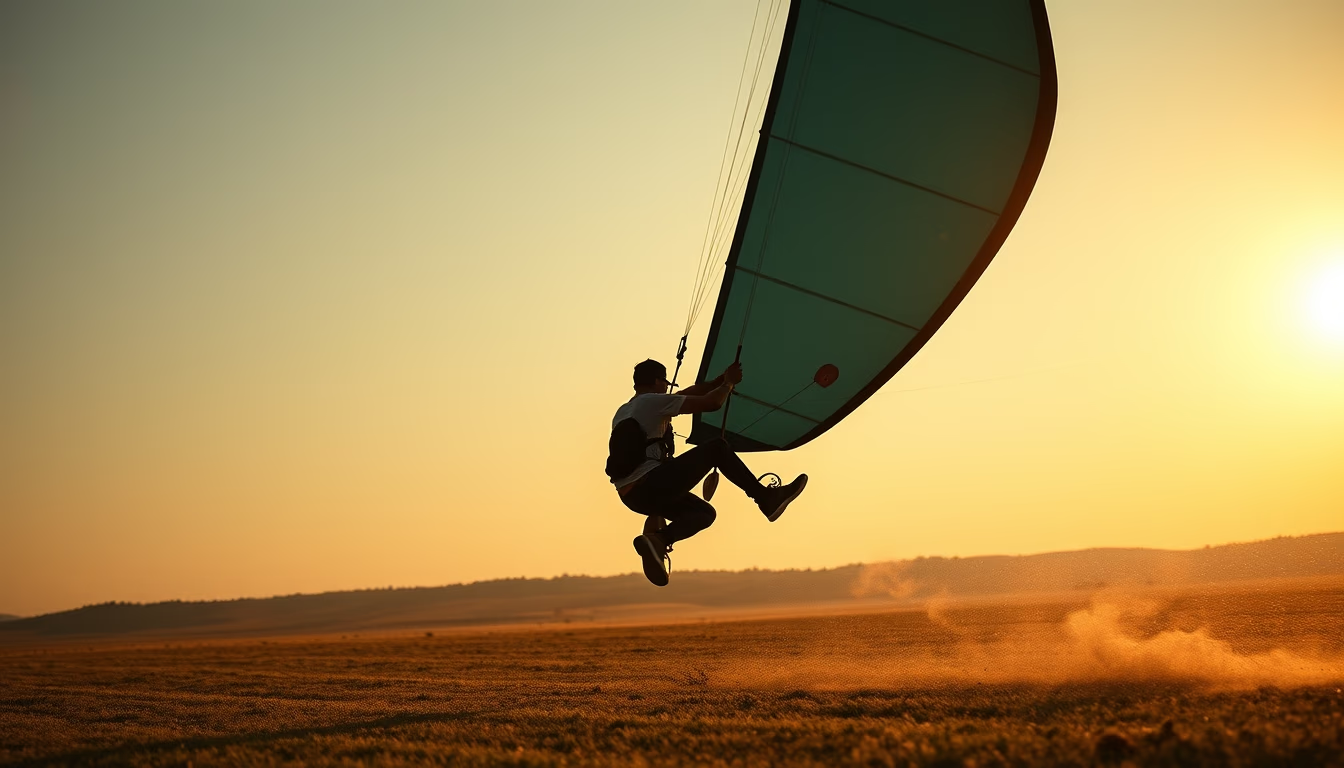
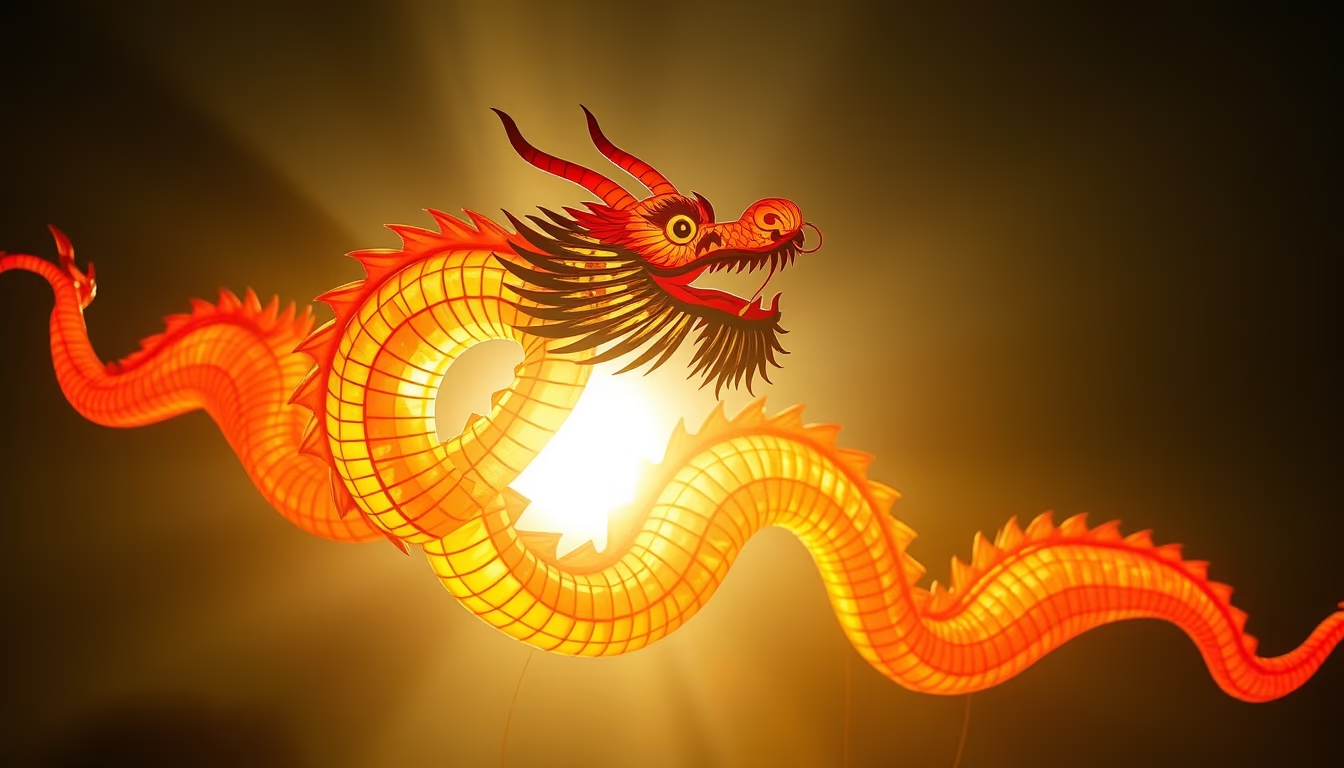
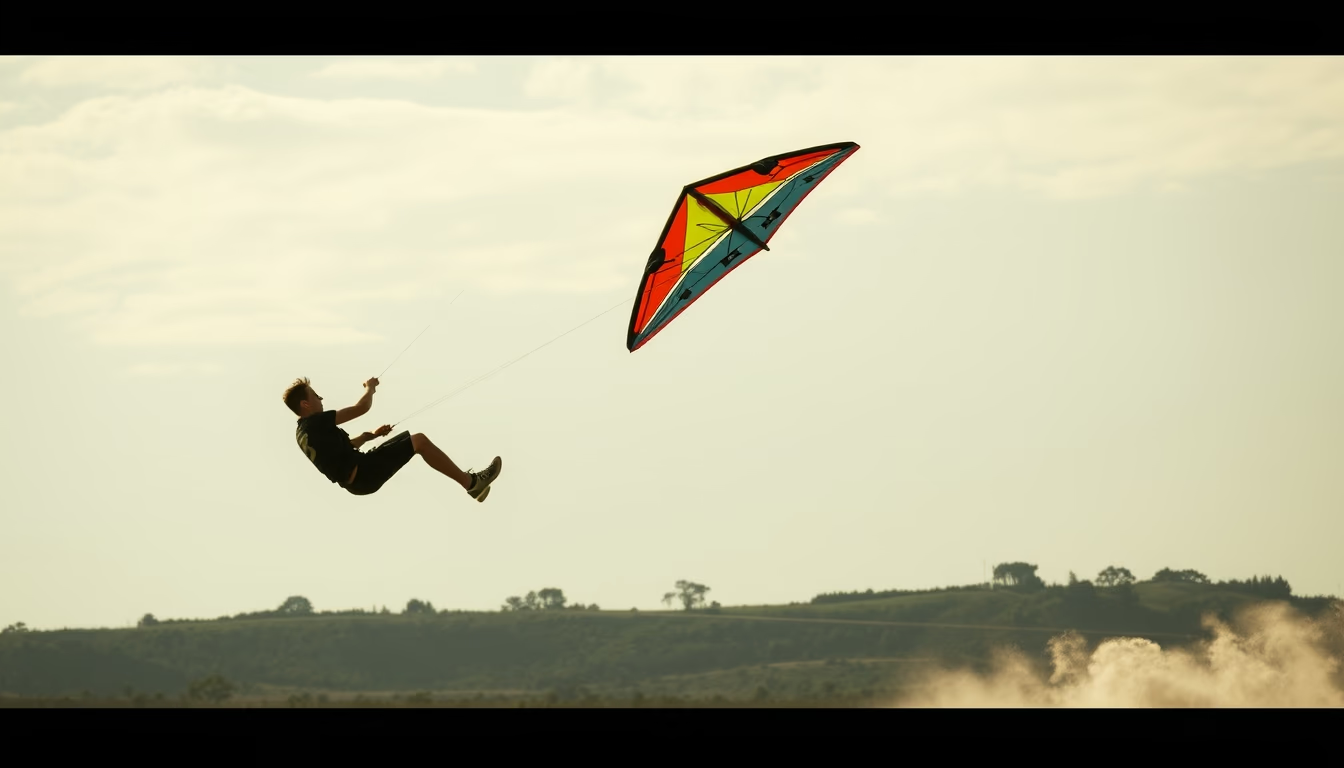
Kite festival sky colorful
1344×768 · AVIF · CC BY 4.0
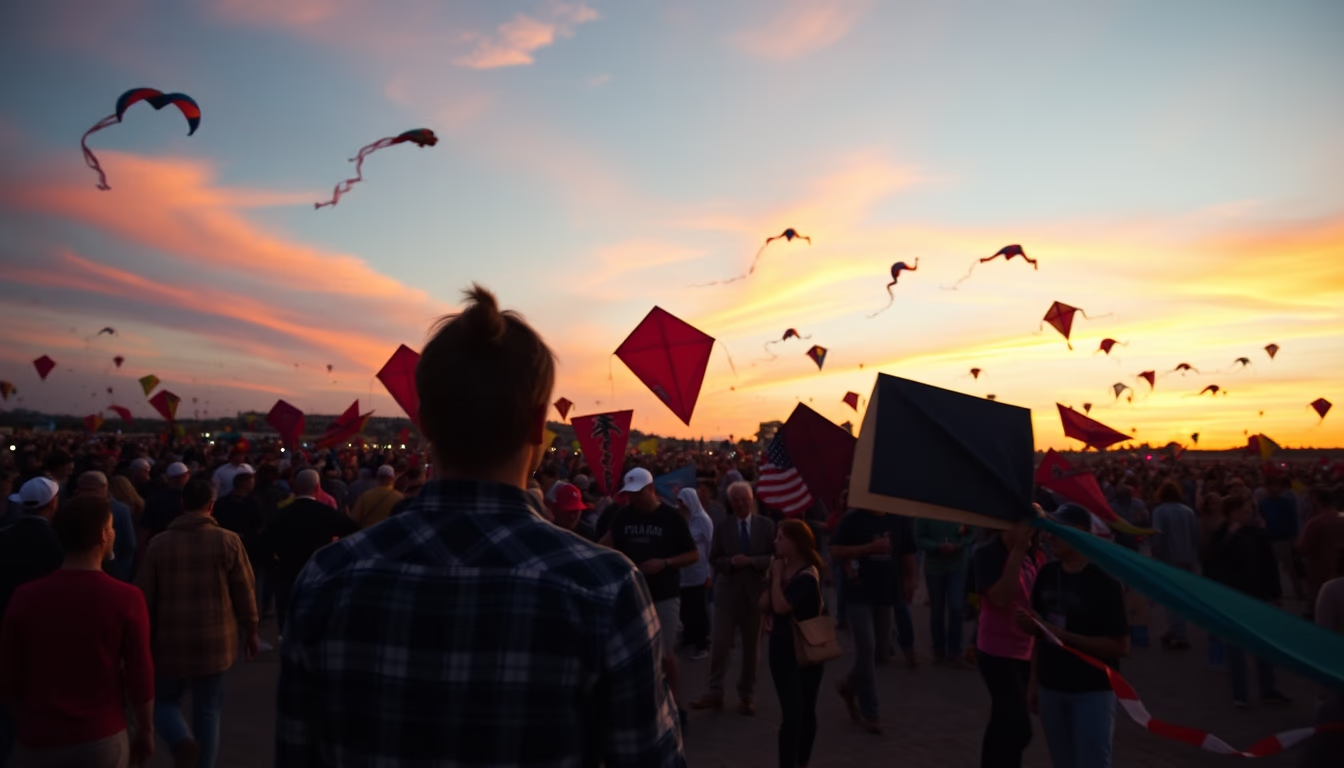
Kite festivals paint the sky worldwide, blending tradition, art, and competition in events that delight audiences of all ages.
About this subject
Kite festivals, also known as kite flying festivals, are celebrated across the globe, with prominent events in Asia, Latin America, and Europe. In India, the Uttarayan festival in January draws millions who fly kites in a vibrant competition, symbolizing the arrival of spring and renewal. In Brazil, the Curitiba Kite Festival brings together artists and enthusiasts showcasing giant, colorful kites, promoting local culture and outdoor leisure. China's Weifang International Kite Festival, held in Shandong, is one of the oldest and most famous, featuring kites shaped like animals, mythical characters, and complex geometric designs.
The tradition of kite flying dates back over 2,000 years, originating in ancient China, where kites were used for military purposes such as measuring distances and sending signals. Over time, the practice spread to other cultures, acquiring religious and festive meanings. In Japan, kites are associated with New Year rituals, while in Thailand, the Bangkok Kite Festival combines competitions with cultural performances. In many countries, kite festivals are opportunities for artisans to showcase creativity, building kites from materials like paper, silk, and bamboo, often decorated with intricate patterns and bright colors.
Beyond visual appeal, kite festivals involve competitions in maneuvers, altitude, and flight duration. Experienced pilots control acrobatic kites, performing aerial figures to music. These events also foster community interaction, as families and friend groups gather to celebrate. Safety is a key concern, especially near power lines and trees. Many festivals designate specific flying areas and offer workshops for beginners, ensuring the tradition continues sustainably and safely.
Interestingly, the largest kite festival in the world, according to Guinness World Records, is the Dieppe International Kite Festival in France, attracting visitors from over 30 countries. In Brazil, the São Paulo Kite Festival, held at Ibirapuera Park, gathers thousands of participants annually. Kites also have an educational role, teaching children principles of aerodynamics and physics. Thus, kite festivals are not just colorful spectacles but cultural expressions that preserve histories and promote human creativity.
Frequently Asked Questions
What is the origin of kite festivals?
Kite festivals originated in ancient China over 2,000 years ago, where kites were used for military and religious purposes. Over time, the practice spread to other cultures, becoming a festive tradition in many countries.
What are the largest kite festivals in the world?
Among the largest are the Weifang International Kite Festival in China, Uttarayan in India, and the Dieppe International Kite Festival in France. In Brazil, the Curitiba and São Paulo kite festivals stand out.
Is it safe to fly kites at festivals?
Yes, as long as safety rules are followed. Festivals typically designate specific areas away from power lines and trees. It's important to use appropriate lines and avoid flying kites in rainy or strong wind conditions.
Direct URL
https://pub-c7d6a6ea828543ac903a74a341ccb2e1.r2.dev/imagens/kite-festival-sky-colorful-cinematic-wide-shot-fresh1.avifHow to credit
Include a visible link back to UtilizAí. Copy one of the snippets below:
<a href="https://xn--utiliza-eza.com/en/midia/imagens/kite-festival-sky-colorful-cinematic-wide-shot-fresh1">Kite festival sky colorful</a> by <a href="https://xn--utiliza-eza.com">UtilizAí</a>, licensed under <a href="https://creativecommons.org/licenses/by/4.0/">CC BY 4.0</a>.
[Kite festival sky colorful](https://xn--utiliza-eza.com/en/midia/imagens/kite-festival-sky-colorful-cinematic-wide-shot-fresh1) by [UtilizAí](https://xn--utiliza-eza.com), CC BY 4.0
License: CC-BY-4.0