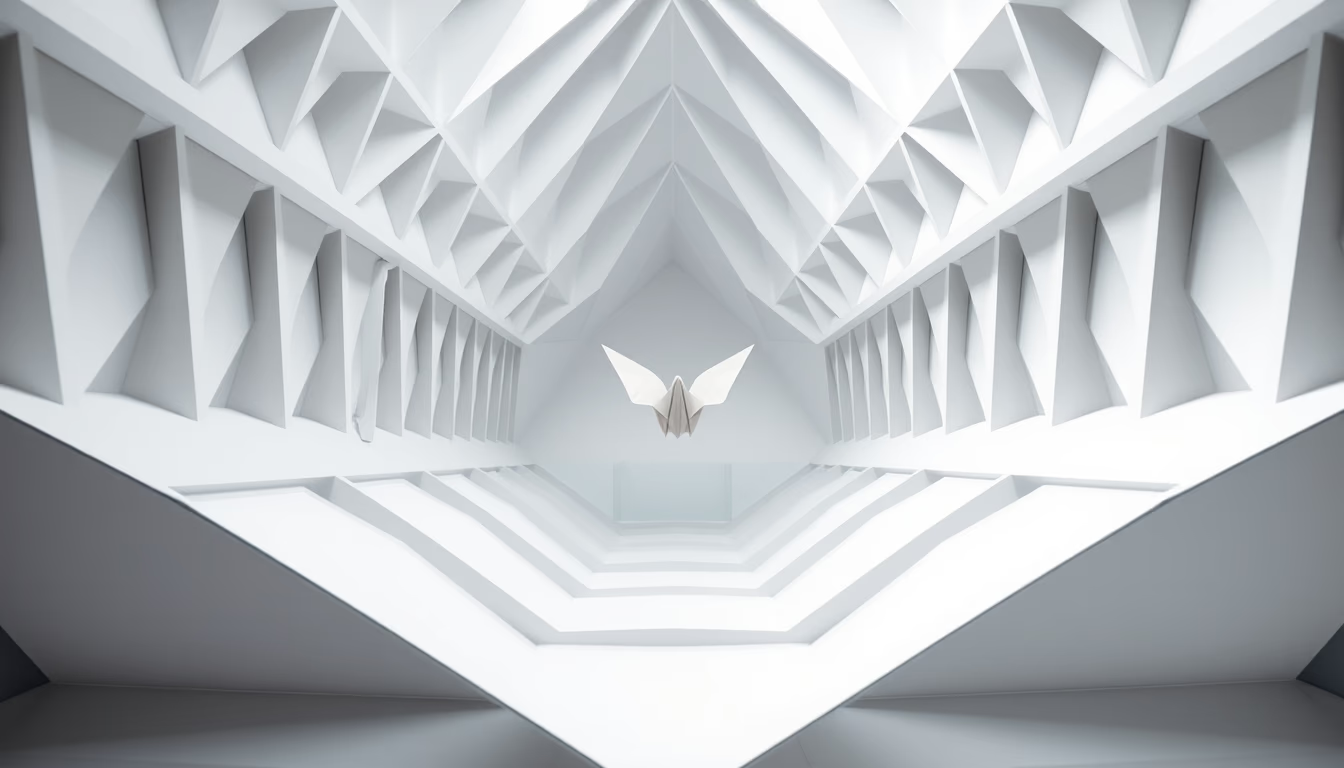
Kirigami snowflake
1344×768 · AVIF · CC BY 4.0
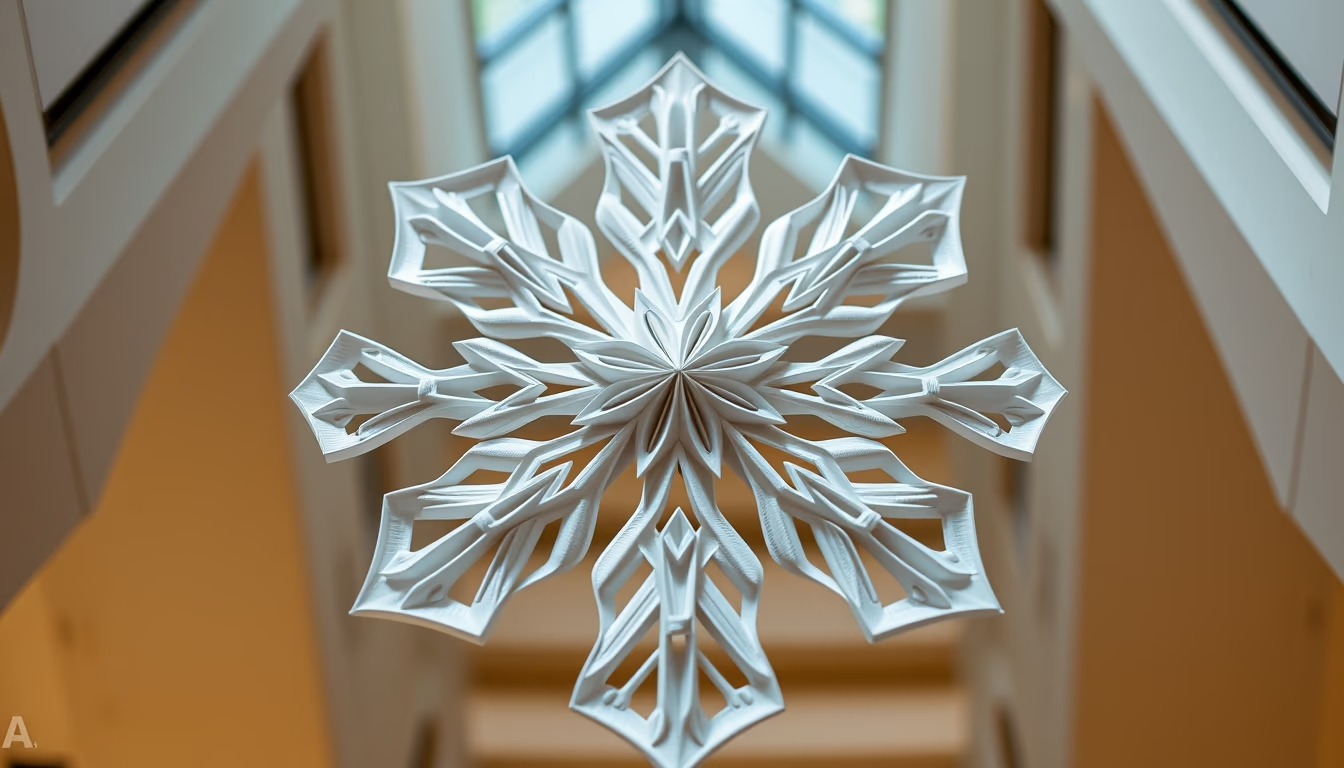
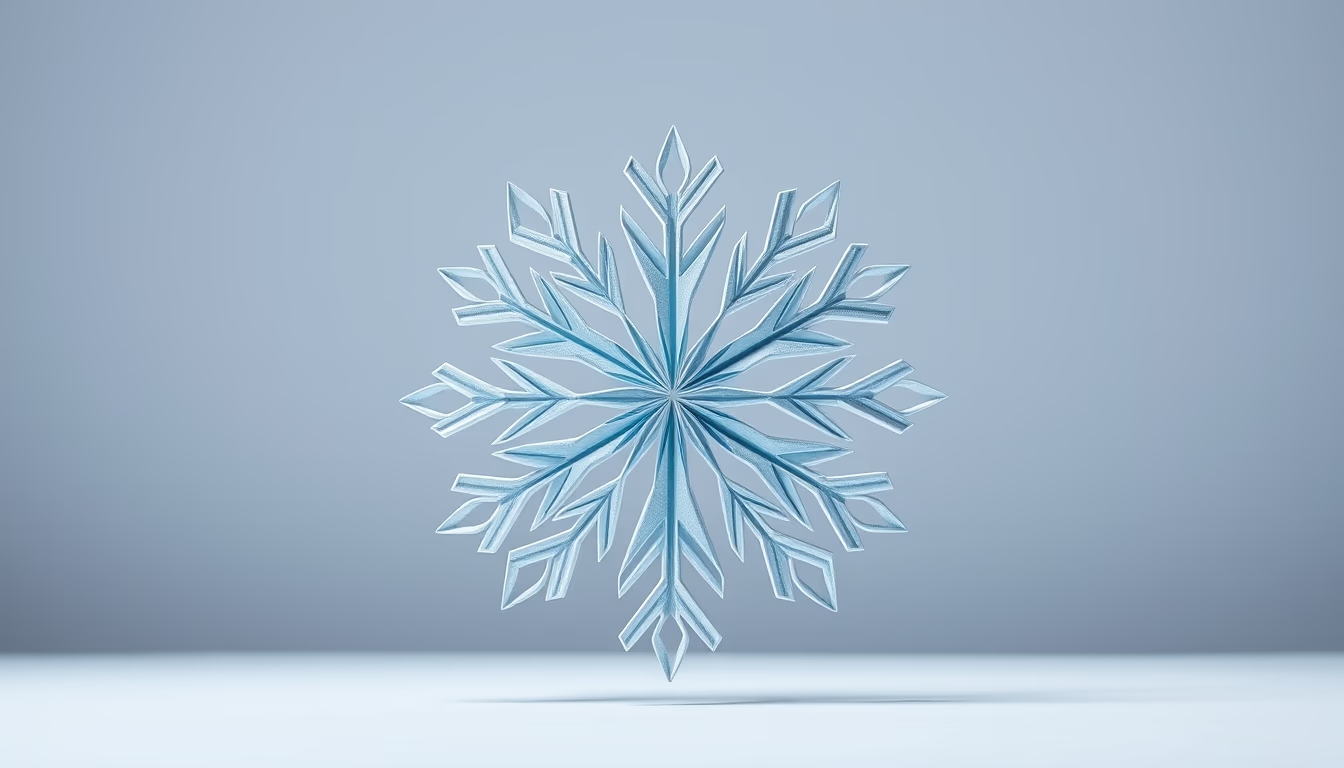
Kirigami snowflake: Japanese art of cutting and folding paper combining geometric precision with ornamental delicacy.
About this subject
Kirigami is a variation of origami that allows cutting the paper in addition to folding. Originating in Japan, the term combines "kiru" (to cut) and "kami" (paper). While classic origami prohibits cuts, kirigami uses them to create hollowed patterns and complex three-dimensional shapes, such as snowflakes. These snowflakes exploit radial symmetry and shape repetition, often inspired by real ice crystals or abstract geometric motifs.
Creating a kirigami snowflake begins with a square sheet of paper, folded several times to form a triangle or circular sector. Precise cuts are made along the folded edges; upon unfolding, a symmetrical pattern emerges. This technique is popular in seasonal decorations, pop-up cards, and art installations. The required precision demands mastery of tools like scalpels and cutting mats, as well as knowledge of geometry.
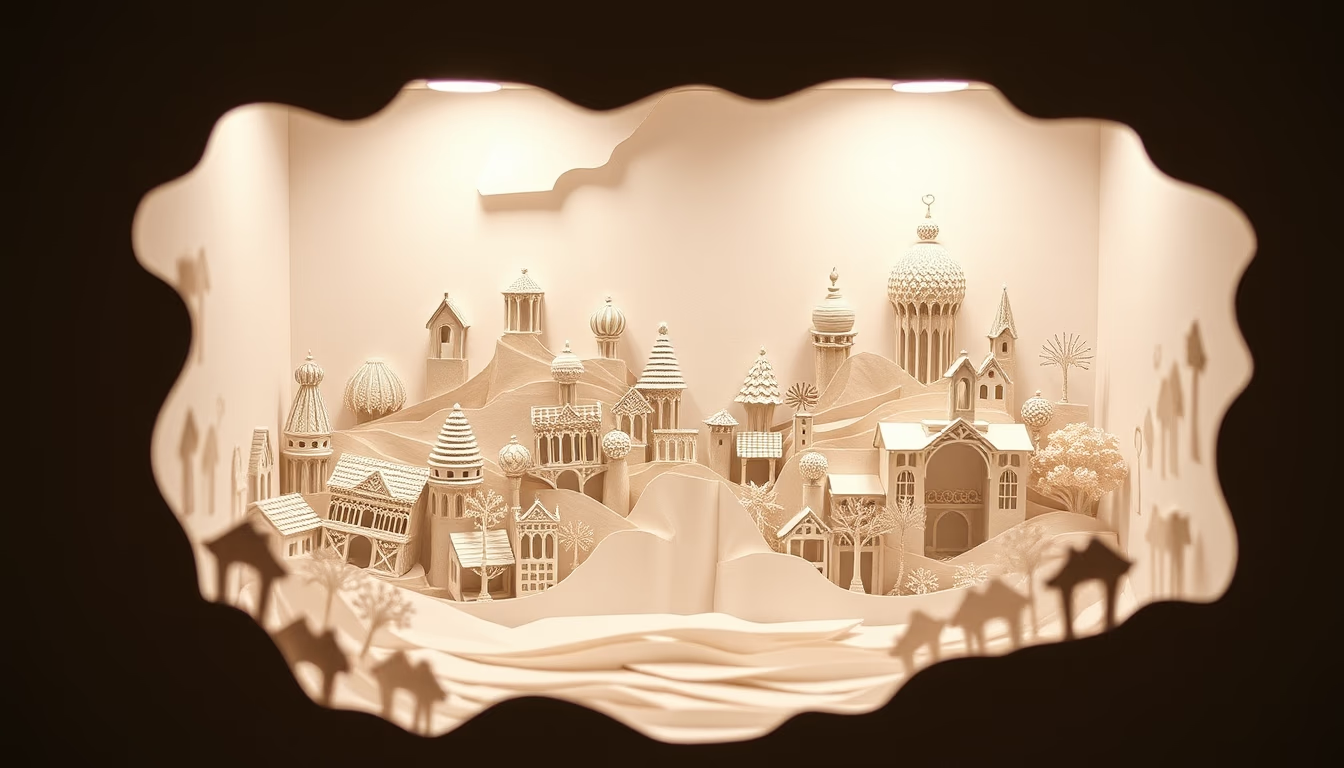
In architecture and design, kirigami principles influence adaptive structures and responsive facades. Researchers apply snowflake-like cut patterns to create materials that expand or contract with environmental stimuli such as temperature or humidity variations. These applications range from flexible solar panels to temporary shelters that unfold without complex mechanisms. Kirigami is also used in lighting design, with cutouts casting ornamental shadows.
Culturally, kirigami is taught in Japanese schools as an activity that develops fine motor coordination and spatial thinking. Although its roots are traditional, contemporary global artists explore kirigami in large-scale works, combining cultural heritage with digital laser-cutting technology. The kirigami snowflake, therefore, is not just an ornament but an example of how manual art and mathematics intertwine.
Frequently Asked Questions
What is kirigami?
Kirigami is a Japanese art that combines cutting and folding paper, unlike origami which uses only folds. It allows creating three-dimensional figures and hollow patterns, such as snowflakes and pop-up cards.
How does kirigami differ from origami?
Traditional origami does not allow cuts in the paper, while kirigami incorporates precise cuts to generate openings and more complex shapes. Both use folds, but kirigami expands creative possibilities with scissors or scalpels.
Where is kirigami applied in architecture?
Kirigami principles are used in adaptive facades, flexible solar panels, and deployable structures. The cut patterns allow materials to expand or contract, inspiring efficient and sustainable designs.
Direct URL
https://pub-c7d6a6ea828543ac903a74a341ccb2e1.r2.dev/imagens/kirigami-snowflake-architectural-photography-fresh15.avifHow to credit
Include a visible link back to UtilizAí. Copy one of the snippets below:
<a href="https://xn--utiliza-eza.com/en/midia/imagens/kirigami-snowflake-architectural-photography-fresh15">Kirigami snowflake</a> by <a href="https://xn--utiliza-eza.com">UtilizAí</a>, licensed under <a href="https://creativecommons.org/licenses/by/4.0/">CC BY 4.0</a>.
[Kirigami snowflake](https://xn--utiliza-eza.com/en/midia/imagens/kirigami-snowflake-architectural-photography-fresh15) by [UtilizAí](https://xn--utiliza-eza.com), CC BY 4.0
License: CC-BY-4.0