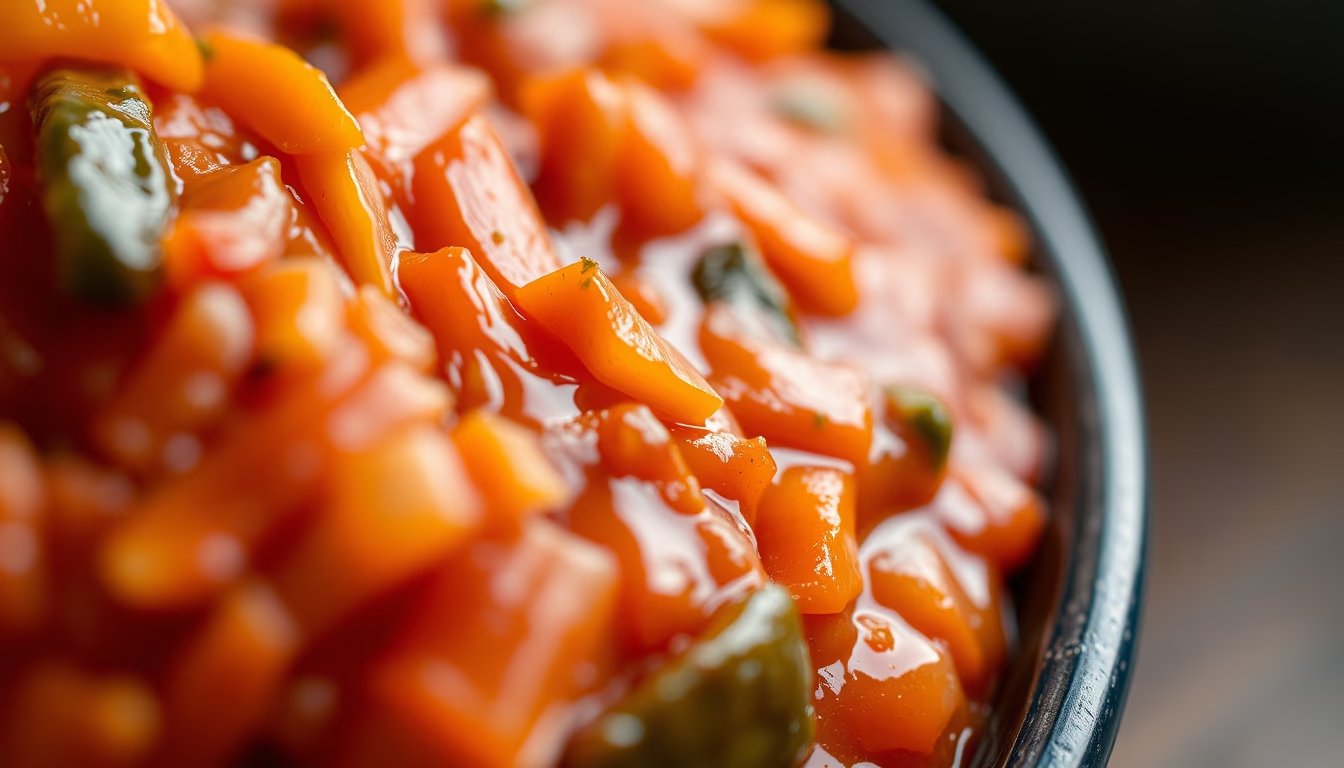
Kimchi fermented korean
1344×768 · AVIF · CC BY 4.0
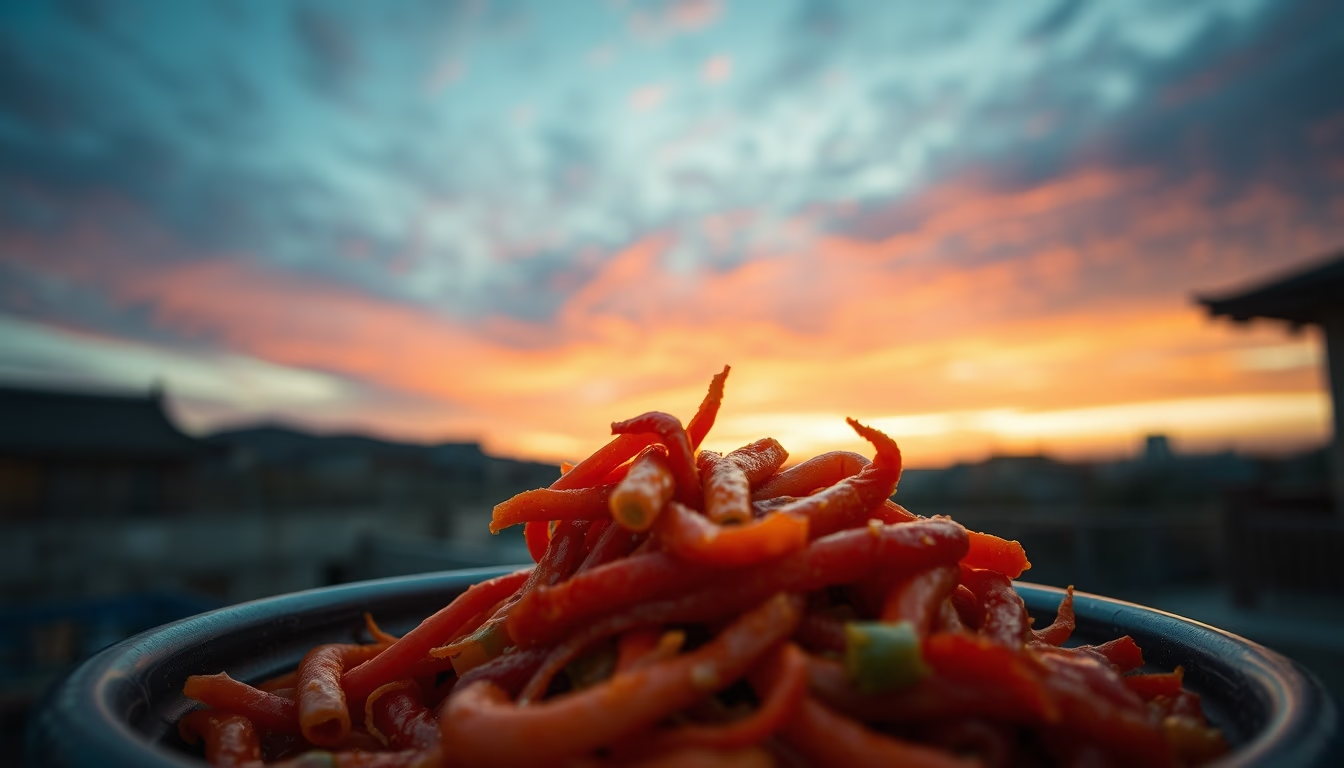
Kimchi is the classic Korean fermented side dish, spicy and probiotic, present at almost every meal in Korea, with over 200 recorded variations.
About this subject
Kimchi is a traditional Korean dish made from fermented vegetables, primarily napa cabbage and Korean radishes, seasoned with red chili powder (gochugaru), garlic, ginger, scallions, and jeotgal (salted seafood). The fermentation process, which can last from days to months, produces beneficial lactic acid bacteria that give kimchi its characteristic flavor and probiotic properties. There are hundreds of varieties, depending on seasonal and regional ingredients, such as cucumber kimchi (oi sobagi) or scallion kimchi (pa kimchi).
The history of kimchi dates back to the Three Kingdoms period (57 BC, 668 AD), with early forms being simple salted pickles. The introduction of red chili peppers in the 16th century, via Japan, revolutionized the preparation, leading to the red, spicy kimchi known today. In 2013, the tradition of making and sharing kimchi, called Kimjang, was recognized by UNESCO as an Intangible Cultural Heritage of Humanity, highlighting its social and cultural role.
Nutritionally, kimchi is low in calories, rich in fiber, vitamins (A, C, and K), and minerals. Studies suggest that regular consumption of kimchi can aid digestion, strengthen the immune system, and even lower cholesterol. In Korea, it is common for each family to have its own recipe, passed down through generations, and many dedicate a special day in winter to make large batches of the dish.
Kimchi is not just a side dish; it is used in countless other dishes, such as kimchi jjigae (stew), kimchi bokkeumbap (fried rice), and even modern versions like pizza and hamburgers. Global exports of kimchi have grown significantly, with countries like Japan, the United States, and Brazil consuming the product. In Brazil, kimchi is easily found in Asian markets and has gained popularity among fans of fermented foods.
Frequently Asked Questions
How long can kimchi be stored?
Kimchi can be stored in the refrigerator for months, but its flavor continues to ferment and intensify. Ideally, consume within 1 to 3 months for freshness. At room temperature, it lasts only a few days.
Is kimchi vegan?
Traditionally, no, because it uses jeotgal (salted shrimp or fish). However, vegan versions exist made with soy sauce or miso. Always check the ingredients.
What is the difference between kimchi and sauerkraut?
Both are fermented vegetables, but kimchi is Korean, uses chili and various seasonings, while sauerkraut is German, made only from cabbage and salt. The flavor profiles and probiotic bacteria differ.
Direct URL
https://pub-c7d6a6ea828543ac903a74a341ccb2e1.r2.dev/imagens/kimchi-fermented-korean-long-exposure-fresh8.avifHow to credit
Include a visible link back to UtilizAí. Copy one of the snippets below:
<a href="https://xn--utiliza-eza.com/en/midia/imagens/kimchi-fermented-korean-long-exposure-fresh8">Kimchi fermented korean</a> by <a href="https://xn--utiliza-eza.com">UtilizAí</a>, licensed under <a href="https://creativecommons.org/licenses/by/4.0/">CC BY 4.0</a>.
[Kimchi fermented korean](https://xn--utiliza-eza.com/en/midia/imagens/kimchi-fermented-korean-long-exposure-fresh8) by [UtilizAí](https://xn--utiliza-eza.com), CC BY 4.0
License: CC-BY-4.0