Kimchi fermented korean
1344×768 · AVIF · CC BY 4.0

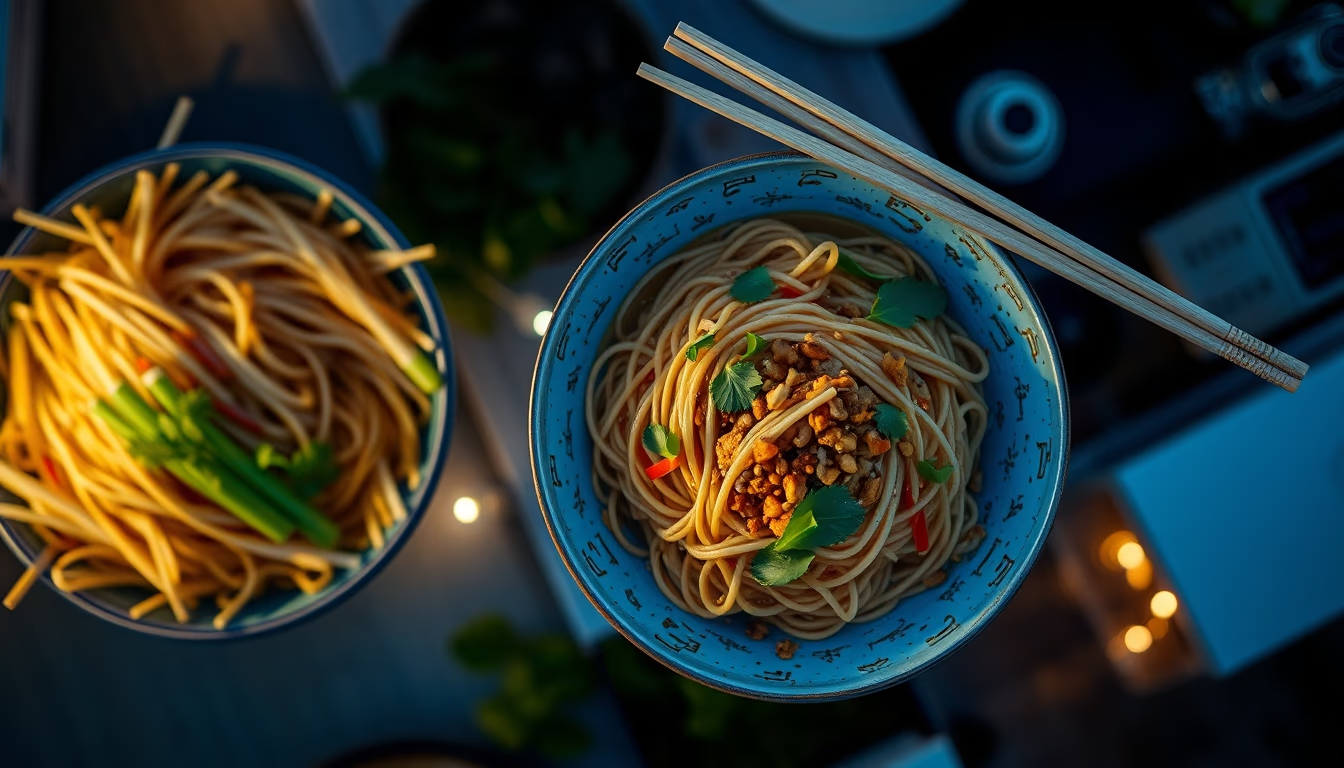
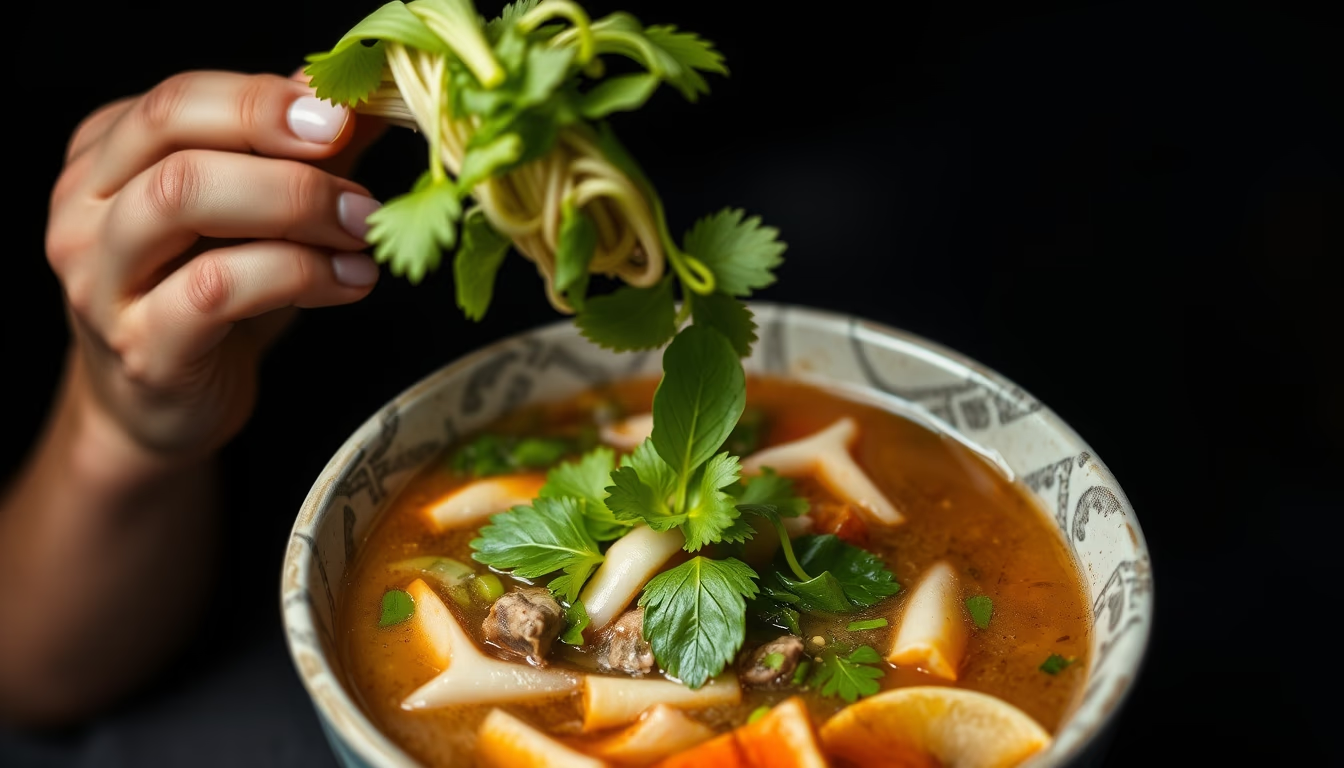
Kimchi is a traditional Korean fermented vegetable dish, known for its spicy flavor and probiotic benefits.
About this subject
Kimchi is a millennia-old Korean dish of fermented vegetables, typically napa cabbage and Korean radish, seasoned with red chili flakes (gochugaru), garlic, ginger, salt, and salted seafood (jeotgal). Each Korean family has its own recipe passed down through generations. The natural fermentation process, lasting days to months, produces lactic acid bacteria that give kimchi its characteristic sour taste and crunchy texture. There are over 200 varieties, including kkakdugi (radish cubes), oi sobagi (stuffed cucumber), and pa kimchi (scallions).
The tradition of kimjang, or collective kimchi-making for winter, was recognized by UNESCO as an Intangible Cultural Heritage in 2013. Historically, kimchi originated in Korea over 2,000 years ago as a method to preserve vegetables during harsh winters. The introduction of red chili peppers, from the Americas via Japan in the 17th century, transformed kimchi into the red and spicy dish we know today. Different regions of Korea developed variations: northern styles use less salt and chili, while southern versions incorporate more seasonings and seafood.
Beyond its bold flavor, kimchi is prized for its health benefits. It is a source of probiotics (Lactobacillus), vitamins A, B, and C, fiber, and antioxidant compounds. Studies suggest regular consumption may aid digestion, reduce inflammation, and boost the immune system. Low in calories and nutrient-dense, it is considered a functional food. Kimchi is also a versatile ingredient in Korean cuisine, used in soups (kimchi jjigae), fried rice (kimchi bokkeumbap), pancakes (kimchi jeon), and even modern dishes like kimchi tacos or pizza.
Kimchi's popularity has spread worldwide, now found in supermarkets globally, often in pasteurized versions for export. However, artisan naturally fermented kimchi is preferred by purists. In South Korea, per capita consumption is about 25 kg per year, and the dish is so iconic that Korean astronauts took specially formulated kimchi into space. Kimchi fermentation is influenced by temperature, salinity, and vegetable types, resulting in endless flavor possibilities.
Frequently Asked Questions
What is the origin of kimchi?
Kimchi originated over 2,000 years ago in Korea as a method to preserve vegetables for winter. The use of red chili peppers began in the 17th century after chili was introduced from the Americas.
What are the health benefits of kimchi?
Kimchi is rich in probiotics (Lactobacillus), vitamins A, B, and C, fiber, and antioxidants. It aids digestion, boosts the immune system, and is low in calories, making it a functional food.
How is kimchi traditionally consumed?
In Korea, kimchi is served as a side dish (banchan) with every meal. It is also used in dishes such as kimchi jjigae (stew), kimchi bokkeumbap (fried rice), and kimchi mandu (dumplings).
Direct URL
https://pub-c7d6a6ea828543ac903a74a341ccb2e1.r2.dev/imagens/kimchi-fermented-korean-lo-fi-disposable-camera-fresh6.avifHow to credit
Include a visible link back to UtilizAí. Copy one of the snippets below:
<a href="https://xn--utiliza-eza.com/en/midia/imagens/kimchi-fermented-korean-lo-fi-disposable-camera-fresh6">Kimchi fermented korean</a> by <a href="https://xn--utiliza-eza.com">UtilizAí</a>, licensed under <a href="https://creativecommons.org/licenses/by/4.0/">CC BY 4.0</a>.
[Kimchi fermented korean](https://xn--utiliza-eza.com/en/midia/imagens/kimchi-fermented-korean-lo-fi-disposable-camera-fresh6) by [UtilizAí](https://xn--utiliza-eza.com), CC BY 4.0
License: CC-BY-4.0