Kimchi fermented korean
1344×768 · AVIF · CC BY 4.0
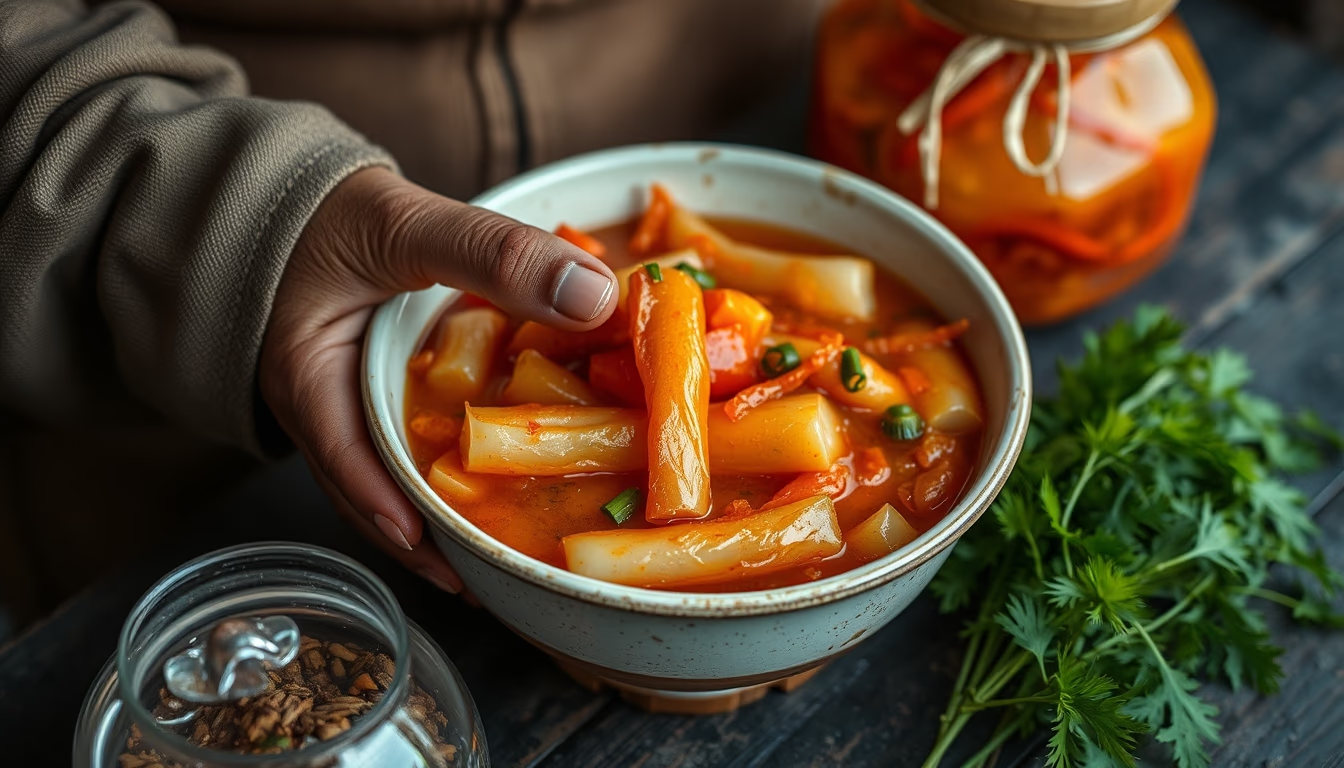
Kimchi is the iconic Korean fermented dish, made with vegetables like napa cabbage and spicy seasonings. Its significance extends beyond cuisine: it is cultural heritage and a national symbol.
About this subject
Kimchi is a traditional Korean dish consisting of fermented vegetables, primarily napa cabbage and radish, seasoned with a paste of red chili pepper (gochugaru), garlic, ginger, fish sauce, and other ingredients. The lactic fermentation process naturally preserves the vegetables and develops complex flavors: sour, spicy, umami, and slightly sweet. There are hundreds of regional and seasonal varieties, such as cucumber kimchi (oi-kimchi) and cubed radish kimchi (kkakdugi).
In Korea, kimchi is far more than a side dish; it is a central element of cultural identity. In 2013, the preparation of kimchi (kimjang) was inscribed by UNESCO as an Intangible Cultural Heritage of Humanity. During kimjang, families and communities gather in autumn to prepare large quantities of kimchi that will be consumed over winter. This practice involves techniques passed down through generations and strengthens social bonds.
From a nutritional perspective, kimchi is rich in probiotics, vitamins A, B, and C, as well as minerals like calcium and iron. Studies indicate benefits for digestion, the immune system, and even anti-inflammatory properties. Fermentation also reduces undesirable compounds and increases nutrient bioavailability. In global cuisine, kimchi has gained popularity as a versatile ingredient, appearing in tacos, burgers, pasta, and even pizzas.
Historical curiosity: modern kimchi with red chili pepper only became widespread after the introduction of chili peppers to Korea from Japan in the 16th century. Before that, kimchi was fermented only with salt and other seasonings. The word "kimchi" derives from the ancient Korean "chimchae," meaning "submerged vegetables." Today, South Korea consumes about 1.5 million tons of kimchi annually, and the dish is so iconic that Korean astronauts took specially developed kimchi to space in 2008.
Frequently Asked Questions
What is the difference between kimchi and sauerkraut?
Both are fermented vegetables, but kimchi uses spicy seasonings (chili, garlic, ginger) and typically napa cabbage, while sauerkraut is cabbage fermented only with salt and sometimes caraway seeds.
Is kimchi vegan?
Not always: many traditional recipes use fish sauce or salted shrimp for umami. Vegan versions substitute these with seaweed broth or soy sauce.
How long can kimchi last in the fridge?
Once fermented, kimchi can be stored for months in the refrigerator. It continues to ferment slowly, becoming more sour. It is best consumed within 6 months for optimal flavor.
Direct URL
https://pub-c7d6a6ea828543ac903a74a341ccb2e1.r2.dev/imagens/kimchi-fermented-korean-documentary-nature-style-fresh2.avifHow to credit
Include a visible link back to UtilizAí. Copy one of the snippets below:
<a href="https://xn--utiliza-eza.com/en/midia/imagens/kimchi-fermented-korean-documentary-nature-style-fresh2">Kimchi fermented korean</a> by <a href="https://xn--utiliza-eza.com">UtilizAí</a>, licensed under <a href="https://creativecommons.org/licenses/by/4.0/">CC BY 4.0</a>.
[Kimchi fermented korean](https://xn--utiliza-eza.com/en/midia/imagens/kimchi-fermented-korean-documentary-nature-style-fresh2) by [UtilizAí](https://xn--utiliza-eza.com), CC BY 4.0
License: CC-BY-4.0