Kimchi fermented korean
1344×768 · AVIF · CC BY 4.0

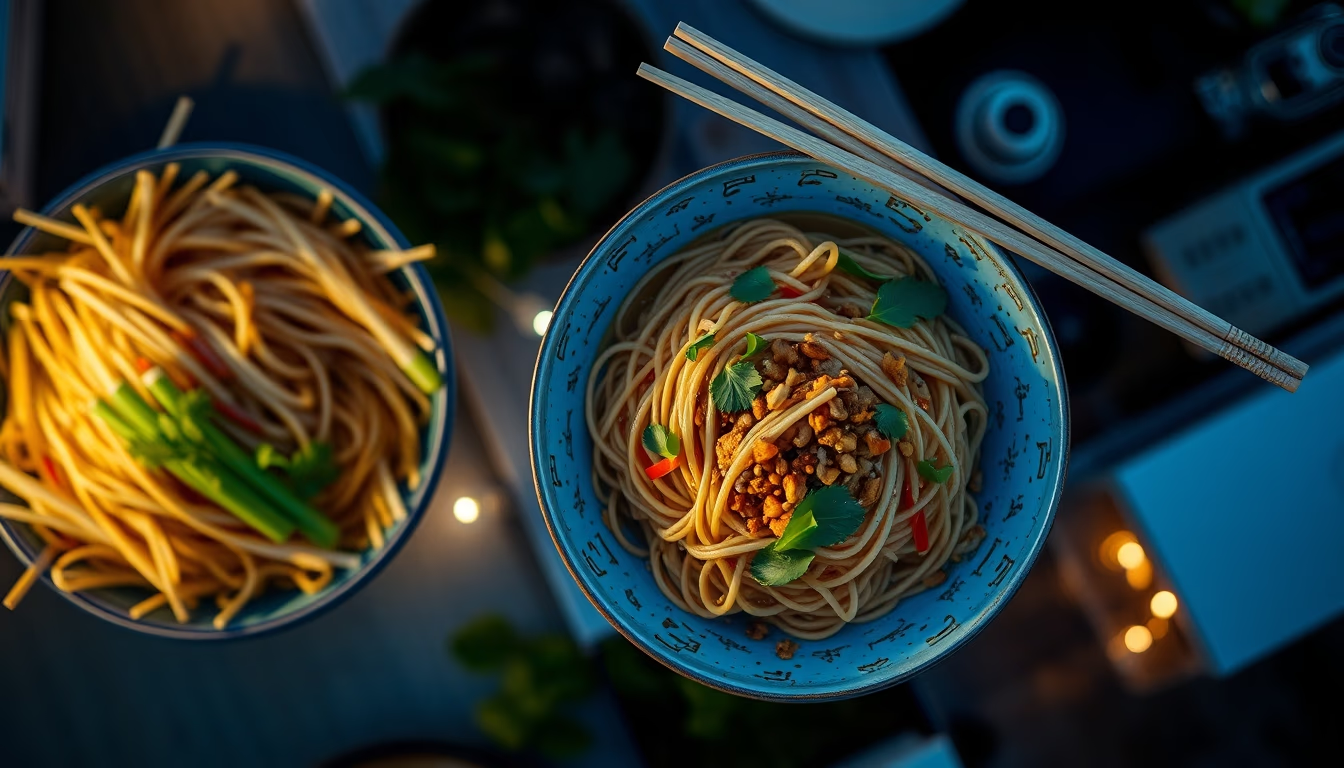
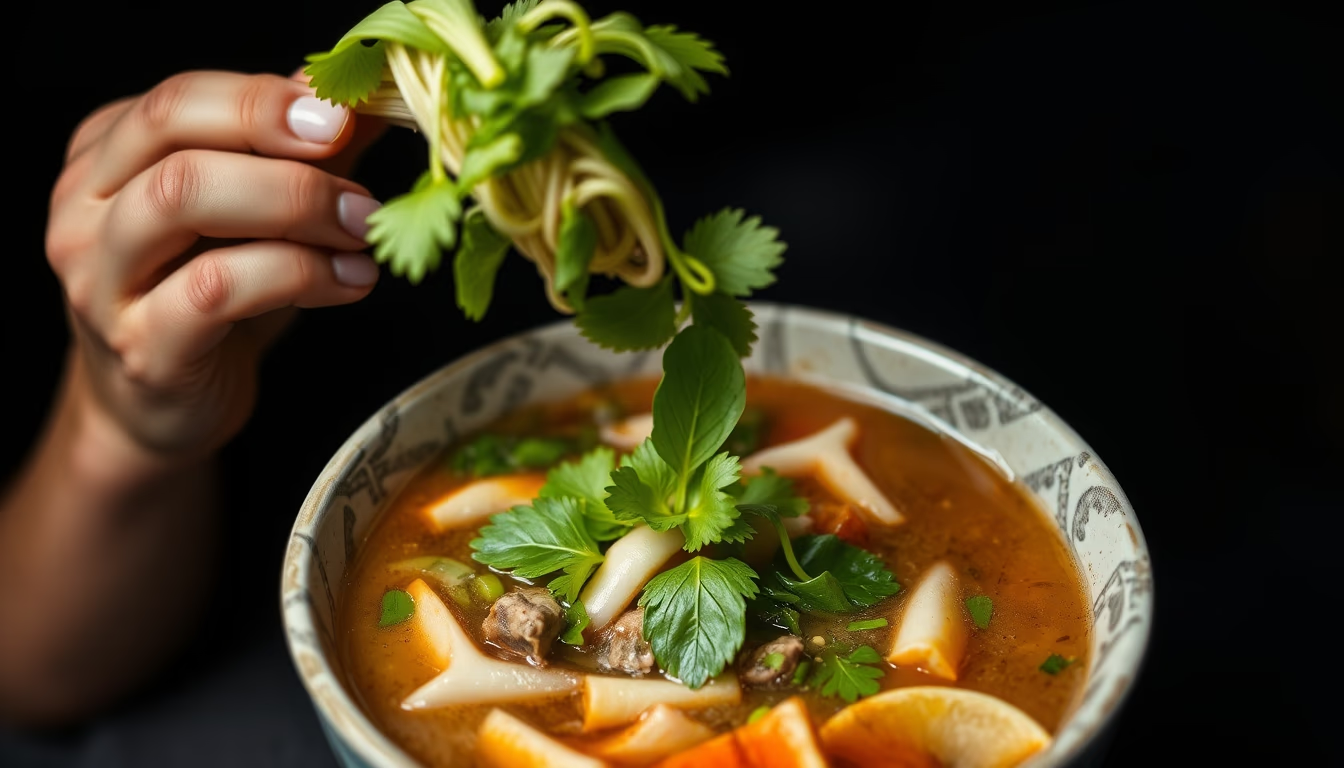
Kimchi is a Korean fermented dish made from vegetables like napa cabbage and radish, seasoned with chili pepper and other spices.
About this subject
Kimchi is a traditional Korean fermented dish made from vegetables such as napa cabbage, Korean radish (mu), and cucumber, combined with a seasoned paste based on Korean chili pepper (gochugaru), garlic, ginger, scallions, and fish sauce (jeotgal). The fermentation process, which can last from days to months, is driven by lactic acid bacteria (Lactobacillus), giving kimchi its characteristic sour taste and crunchy texture.
The history of kimchi spans over 1,500 years, with the first records in Chinese texts from the Korean Three Kingdoms period (57 BC, 668 AD). Originally a method to preserve vegetables for harsh winters, the addition of chili pepper in the 16th century, introduced by Portuguese traders, gave kimchi its modern red color and spiciness. Today, there are hundreds of regional and seasonal varieties, including napa cabbage kimchi (baechu), cubed radish kimchi (kkakdugi), and stuffed cucumber kimchi (oi sobagi).
Culturally, kimchi is a cornerstone of Korean cuisine, served as a side dish (banchan) at almost every meal. In 2013, UNESCO inscribed “kimjang,” the practice of making and sharing kimchi, on the Representative List of the Intangible Cultural Heritage of Humanity. Kimchi is also valued for health benefits: it is rich in vitamins A, B, and C, dietary fiber, and probiotics, aiding digestion and boosting the immune system. Studies suggest regular consumption may help lower cholesterol and reduce the risk of certain cancers, though its high sodium content warrants moderation.
Frequently Asked Questions
Is kimchi always spicy?
No. While most recipes use Korean chili powder (gochugaru), there are non-spicy varieties such as water kimchi (mul kimchi) and white radish kimchi (dongchimi).
How long can kimchi be stored?
Kimchi can be stored for months in the refrigerator. The longer it ferments, the sourer it becomes. It is best consumed within 3 to 6 months to maintain texture and flavor.
Is kimchi vegan?
Traditionally no, as it includes fish sauce (jeotgal) or salted shrimp. However, vegan versions substitute these with soy sauce or seaweed.
Direct URL
https://pub-c7d6a6ea828543ac903a74a341ccb2e1.r2.dev/imagens/kimchi-fermented-korean-architectural-photography-fresh4.avifHow to credit
Include a visible link back to UtilizAí. Copy one of the snippets below:
<a href="https://xn--utiliza-eza.com/en/midia/imagens/kimchi-fermented-korean-architectural-photography-fresh4">Kimchi fermented korean</a> by <a href="https://xn--utiliza-eza.com">UtilizAí</a>, licensed under <a href="https://creativecommons.org/licenses/by/4.0/">CC BY 4.0</a>.
[Kimchi fermented korean](https://xn--utiliza-eza.com/en/midia/imagens/kimchi-fermented-korean-architectural-photography-fresh4) by [UtilizAí](https://xn--utiliza-eza.com), CC BY 4.0
License: CC-BY-4.0