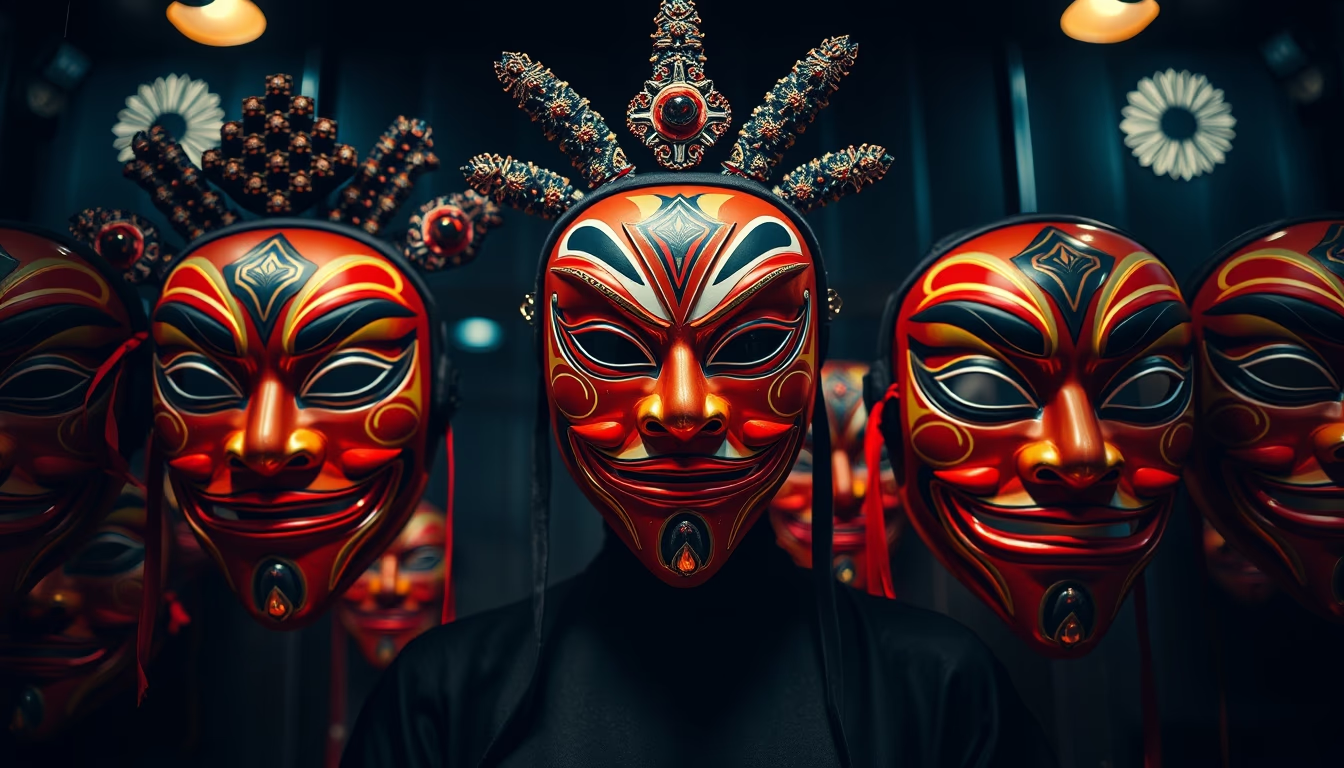
Kabuki stage japanese
1344×768 · AVIF · CC BY 4.0
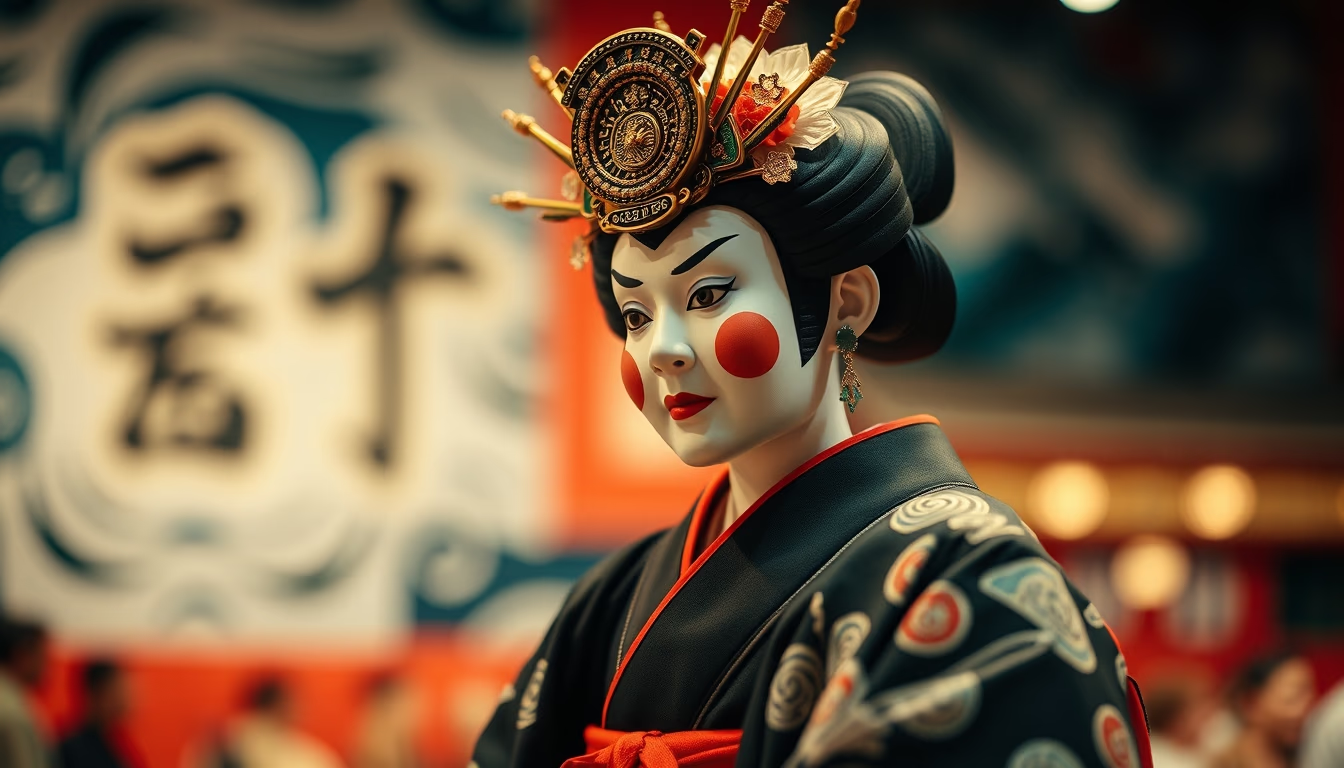
Kabuki is a classical Japanese dance-drama form recognized by UNESCO, originating in the 17th century and known for elaborate makeup, extravagant costumes, and stylized performance.
About this subject
Kabuki originated in the early Edo period around 1603 when a shrine maiden named Izumo no Okuni began performing dramatic dances in dry riverbeds in Kyoto. It quickly gained popularity among merchant and urban classes. Initially performed by women, the Tokugawa shogunate banned female performers in 1629, leading to the adoption of male actors specializing in female roles (onnagata). That tradition continues today, with strong emphasis on technical virtuosity and hereditary transmission of styles.
The typical kabuki stage features a large revolving platform (mawari-butai) and a raised walkway through the audience (hanamichi), allowing dramatic entrances and exits. Kabuki makeup (keshō) is highly symbolic: colors and patterns indicate character traits, such as red for heroes and blue for villains. Costumes are lavish, often heavy with long trains, and wigs are equally elaborate. Live music with instruments like shamisen, drums, and flutes accompanies the performance.
In 2005, kabuki was proclaimed a Masterpiece of the Oral and Intangible Heritage of Humanity by UNESCO. Although its popularity declined in post-war Japan, it continues to be performed in specialized theaters such as the Kabuki-za in Tokyo, rebuilt in 2013 while preserving its historical architecture. The plays often address historical themes, moral conflicts, and legends, combining dance, song, and mime in a highly refined style that has influenced cinema and global pop culture.
Frequently Asked Questions
What is the difference between kabuki and noh?
Kabuki is more popular and spectacular, with elaborate sets and exaggerated acting, while noh is more stylized, slow, and philosophical, using masks and symbolic movements.
Why do kabuki actors wear white makeup?
The white makeup (oshiroi) enhances facial expressions under candlelight. Additional colors (red, blue, black) indicate age, emotion, or moral nature of the character.
Is kabuki still popular in Japan today?
Yes, though not as much as in the past. Regular performances occur in Tokyo, Osaka, and Kyoto, attracting both Japanese and tourists. In 2023, Kabuki-za held about 1,000 performances.
Direct URL
https://pub-c7d6a6ea828543ac903a74a341ccb2e1.r2.dev/imagens/kabuki-stage-japanese-tilt-shift-miniature-fresh1.avifHow to credit
Include a visible link back to UtilizAí. Copy one of the snippets below:
<a href="https://xn--utiliza-eza.com/en/midia/imagens/kabuki-stage-japanese-tilt-shift-miniature-fresh1">Kabuki stage japanese</a> by <a href="https://xn--utiliza-eza.com">UtilizAí</a>, licensed under <a href="https://creativecommons.org/licenses/by/4.0/">CC BY 4.0</a>.
[Kabuki stage japanese](https://xn--utiliza-eza.com/en/midia/imagens/kabuki-stage-japanese-tilt-shift-miniature-fresh1) by [UtilizAí](https://xn--utiliza-eza.com), CC BY 4.0
License: CC-BY-4.0