Kabuki stage japanese
1344×768 · AVIF · CC BY 4.0
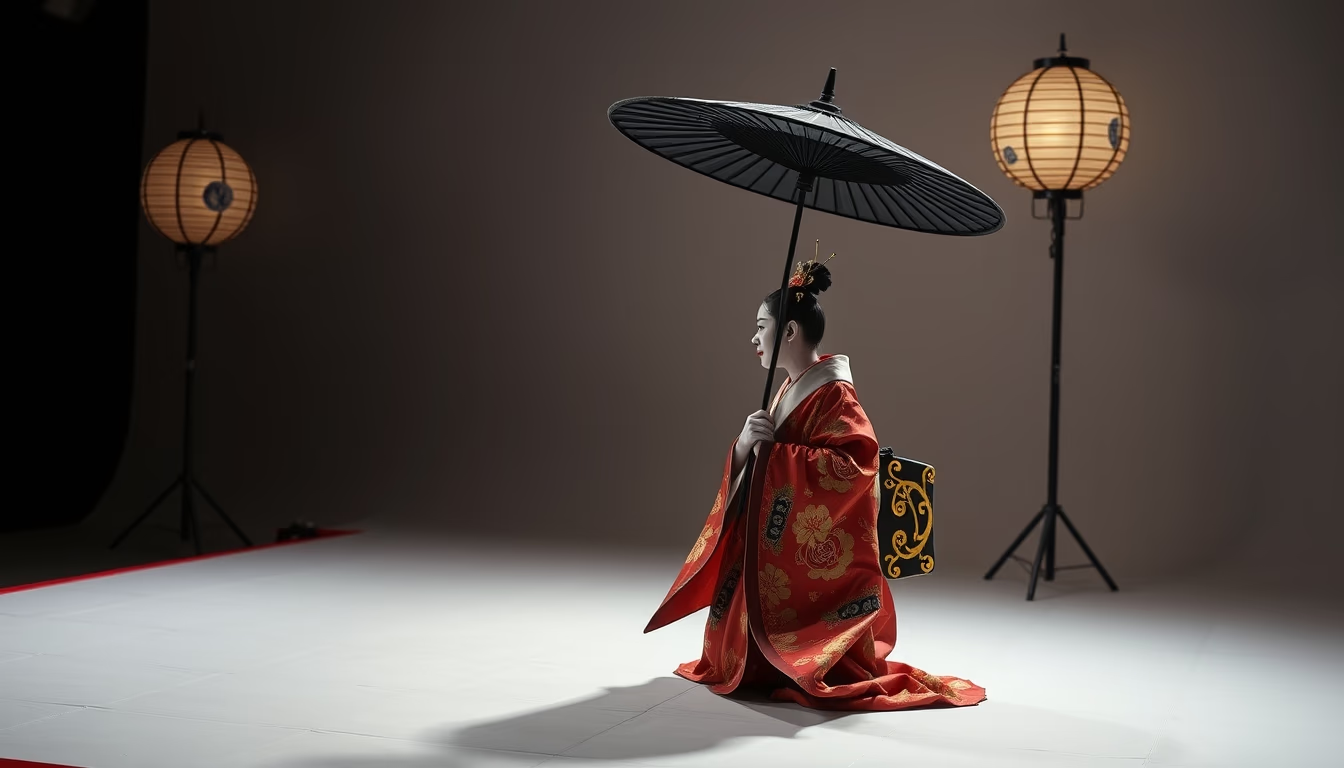
Kabuki is a classic Japanese theater form combining drama, dance and music in elaborate performances.
About this subject
Kabuki is a form of Japanese theater that originated in the early 17th century during the Edo period, from the performances of a dancer named Izumo no Okuni. Initially performed by women, kabuki soon became an all-male tradition, a practice that continues today. The word "kabuki" derives from the verb "kabuku," meaning "to lean" or "to be out of the ordinary," reflecting the art's innovative and daring nature. Actors specialize in female roles (onnagata), male roles (tachiyaku), or comic roles (kōken), with a highly stylized aesthetic.
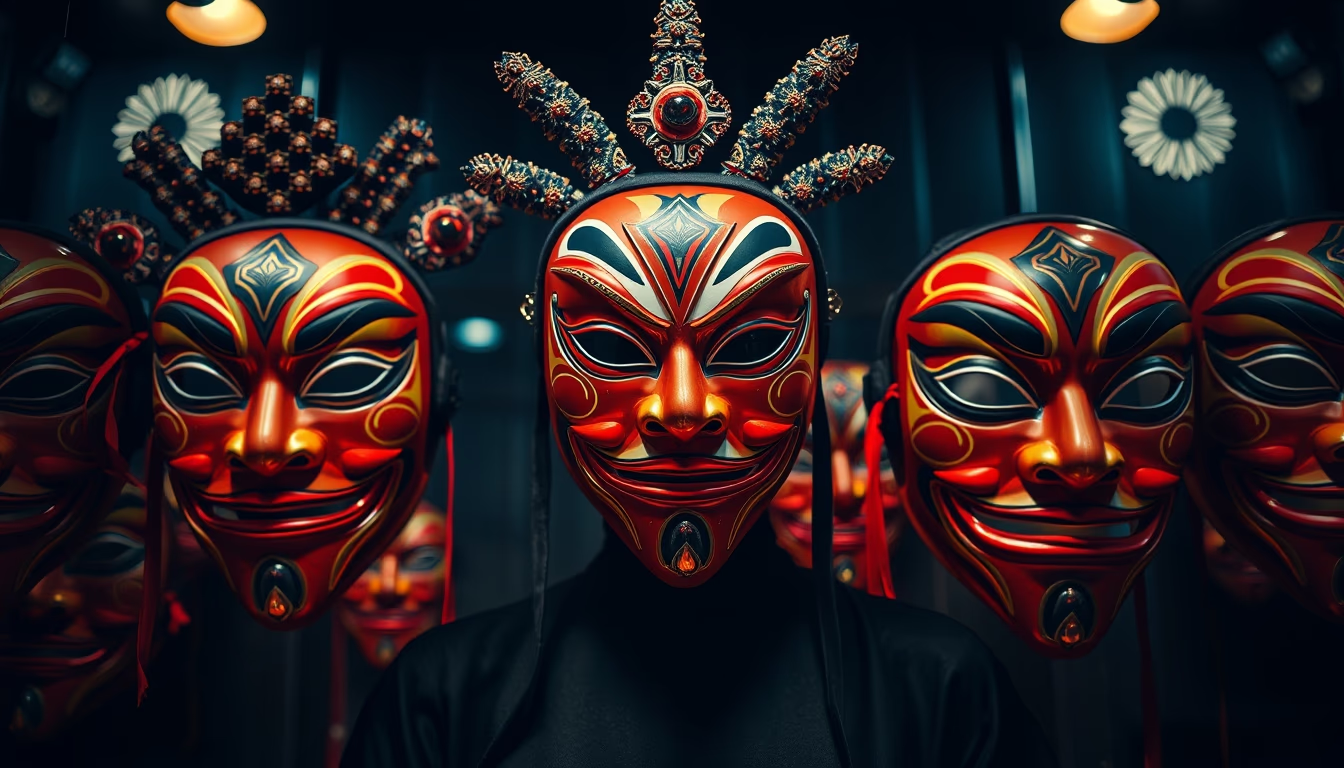
One of the distinctive features of kabuki is its elaborate stage, which often includes the hanamichi, a walkway extending into the audience for dramatic entrances and exits. The sets are richly decorated, with traditional curtains (hikimaku) and stage devices such as trapdoors and revolving platforms. Performances are accompanied by music played on shamisen, flutes, and drums, along with sound effects that emphasize dramatic moments. The makeup, known as kumadori, is essential for expressing emotions and character traits, with specific colors and patterns for heroes, villains, and supernatural beings.
Kabuki was declared a UNESCO Intangible Cultural Heritage of Humanity in 2005, recognizing its importance as a unique artistic expression. Although traditionally associated with Japan, kabuki has gained international popularity, with companies performing worldwide and influencing other theater and film forms. In Japan, theaters such as the Kabukiza in Tokyo keep the tradition alive, offering regular performances that attract both tourists and locals.
An interesting fact is that kabuki influenced fashion during the Edo period, with the kimonos worn by actors setting popular trends. Additionally, the acting technique called "mie" involves a dramatic frozen pose at a climax, often accompanied by a deliberate blink or sudden movement to shock the audience.
Frequently Asked Questions
How did kabuki originate?
Kabuki originated in early 17th century Japan from performances by Izumo no Okuni, a Shinto priestess who danced in dry riverbeds in Kyoto.
What are the main characteristics of kabuki theater?
Kabuki is known for its elaborate sets, use of the hanamichi walkway, dramatic makeup called kumadori, music with shamisen, and stylized acting with frozen poses (mie).
What is the cultural importance of kabuki?
Kabuki is a UNESCO Intangible Cultural Heritage and one of Japan's most important theater forms, influencing other arts and preserving centuries-old traditions.
Direct URL
https://pub-c7d6a6ea828543ac903a74a341ccb2e1.r2.dev/imagens/kabuki-stage-japanese-studio-still-life-fresh17.avifHow to credit
Include a visible link back to UtilizAí. Copy one of the snippets below:
<a href="https://xn--utiliza-eza.com/en/midia/imagens/kabuki-stage-japanese-studio-still-life-fresh17">Kabuki stage japanese</a> by <a href="https://xn--utiliza-eza.com">UtilizAí</a>, licensed under <a href="https://creativecommons.org/licenses/by/4.0/">CC BY 4.0</a>.
[Kabuki stage japanese](https://xn--utiliza-eza.com/en/midia/imagens/kabuki-stage-japanese-studio-still-life-fresh17) by [UtilizAí](https://xn--utiliza-eza.com), CC BY 4.0
License: CC-BY-4.0