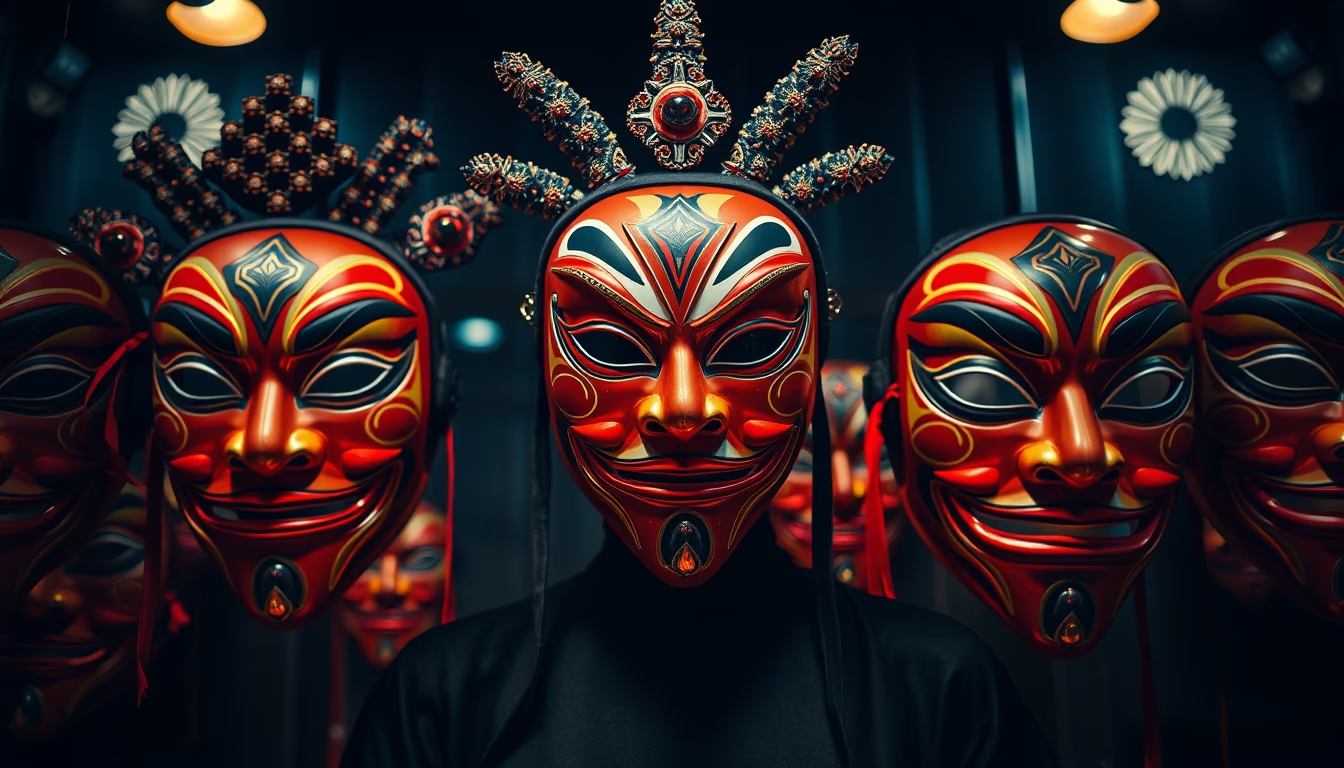
Kabuki stage japanese
1344×768 · AVIF · CC BY 4.0
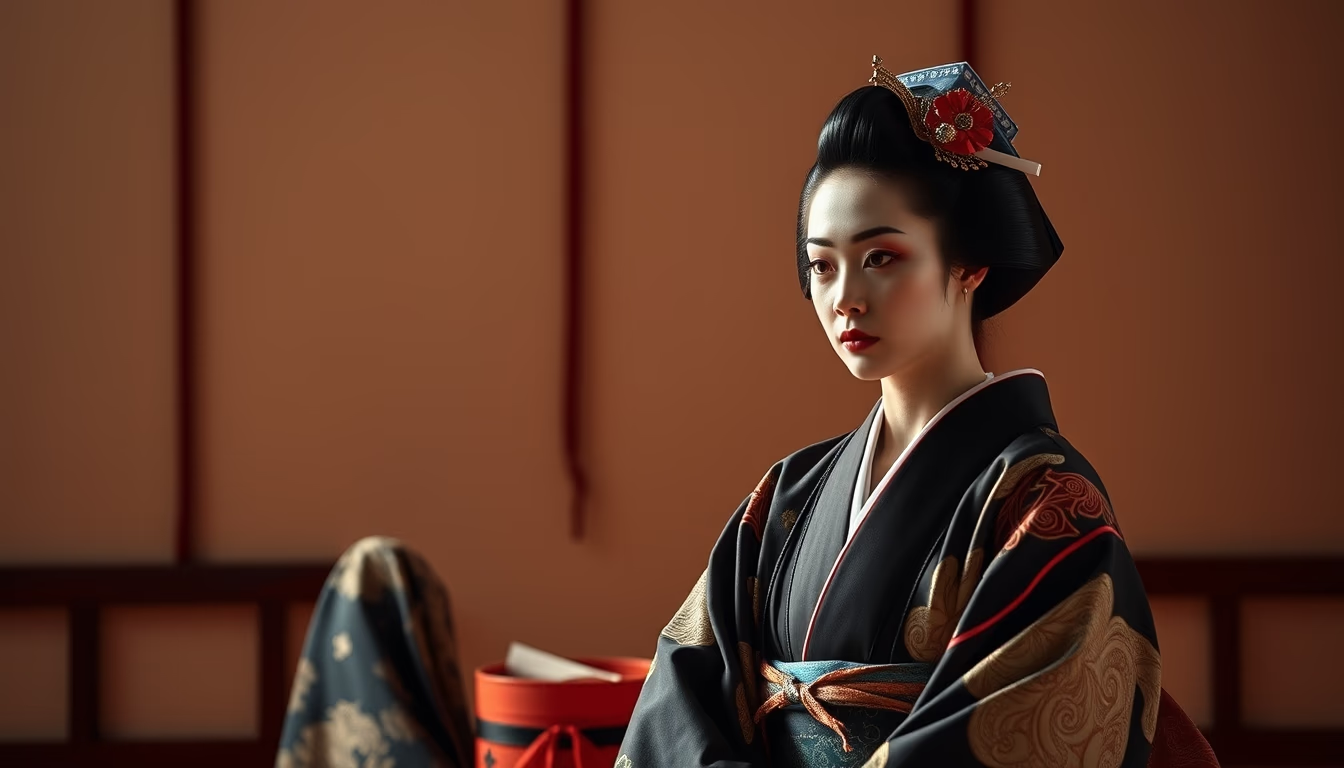
Kabuki is a traditional Japanese form of theater, known for its elaborate makeup, costumes, and dramatic performances.
About this subject
Kabuki originated in the early Edo period, around 1603, when Izumo no Okuni, a Shinto priestess, began performing dances and plays in dry riverbeds in Kyoto. Initially performed by women, kabuki was banned for actresses in 1629 due to associated prostitution and social unrest, leading to the introduction of male actors (onnagata) for female roles. This shift solidified kabuki as an all-male art form that continues to this day.
Kabuki theater is characterized by stylized movements, sung dialogue (nagauta), and complex stage machinery such as rotating platforms (mawari butai) and trapdoors (seri). Actors wear white makeup (oshiroi) with red lips, and patterns indicate character types: heroes (aragoto) have red and blue lines, while villains use darker colors. Costumes are lavish, featuring heavy kimonos and ornate fans.
Kabuki was proclaimed an Intangible Cultural Heritage of Humanity by UNESCO in 2005. In Brazil, groups like Kabuki Studio in São Paulo hold performances and workshops, spreading this art among the Japanese-Brazilian community and Brazilians interested in Japanese culture. Plays often explore historical events, moral conflicts, and romances, with plots divided into acts (jō) that alternate drama and comedy.
Frequently Asked Questions
What does the name 'kabuki' mean?
The term 'kabuki' derives from the Japanese verb 'kabuku', meaning 'to lean' or 'to be out of the ordinary', reflecting the extravagant and innovative style of the art.
Why is kabuki exclusively male?
After the ban on actresses in 1629, male actors began performing all roles, including female ones (onnagata). This tradition continues as part of kabuki's identity.
Is kabuki popular outside Japan?
Yes, kabuki has global influence. In Brazil, performances occur at Japanese festivals and by groups like Kabuki Studio, which teaches and stages plays.
Direct URL
https://pub-c7d6a6ea828543ac903a74a341ccb2e1.r2.dev/imagens/kabuki-stage-japanese-minimalist-composition-fresh8.avifHow to credit
Include a visible link back to UtilizAí. Copy one of the snippets below:
<a href="https://xn--utiliza-eza.com/en/midia/imagens/kabuki-stage-japanese-minimalist-composition-fresh8">Kabuki stage japanese</a> by <a href="https://xn--utiliza-eza.com">UtilizAí</a>, licensed under <a href="https://creativecommons.org/licenses/by/4.0/">CC BY 4.0</a>.
[Kabuki stage japanese](https://xn--utiliza-eza.com/en/midia/imagens/kabuki-stage-japanese-minimalist-composition-fresh8) by [UtilizAí](https://xn--utiliza-eza.com), CC BY 4.0
License: CC-BY-4.0