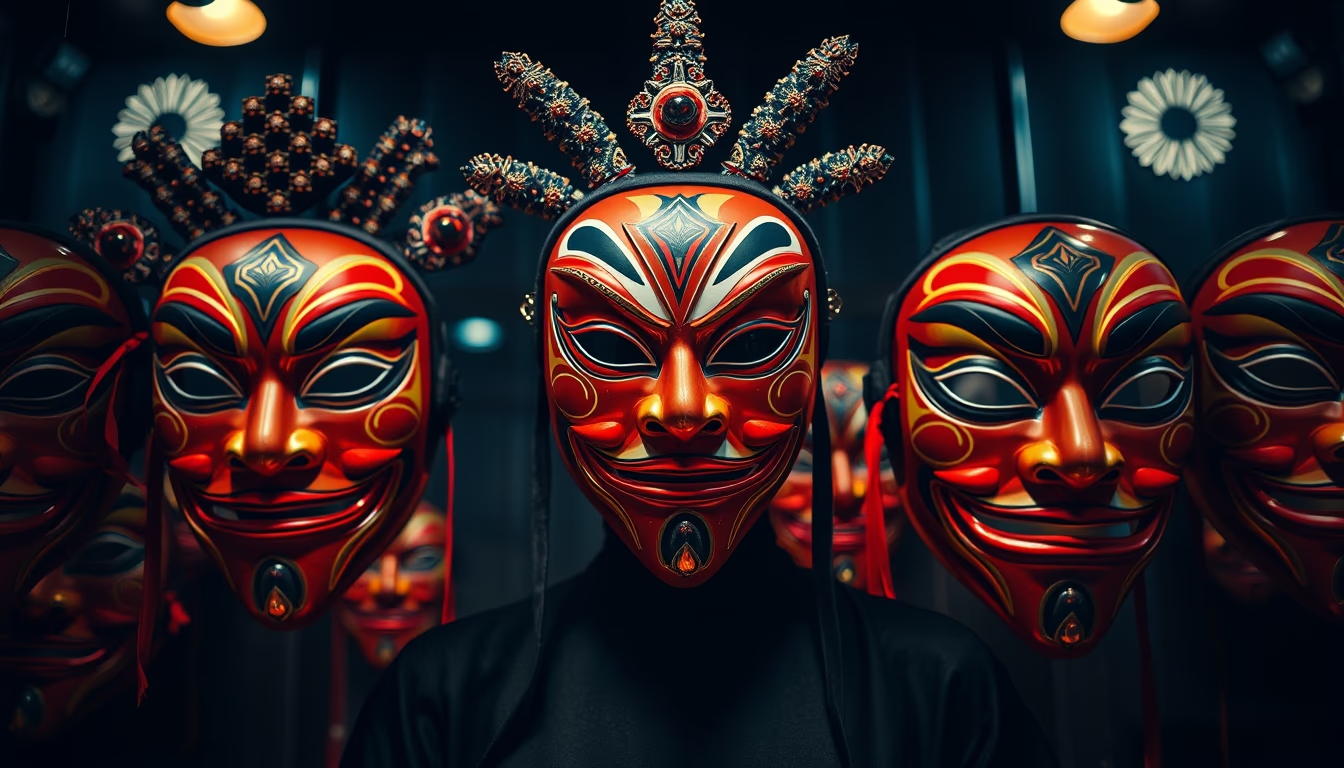
Kabuki stage japanese
1344×768 · AVIF · CC BY 4.0
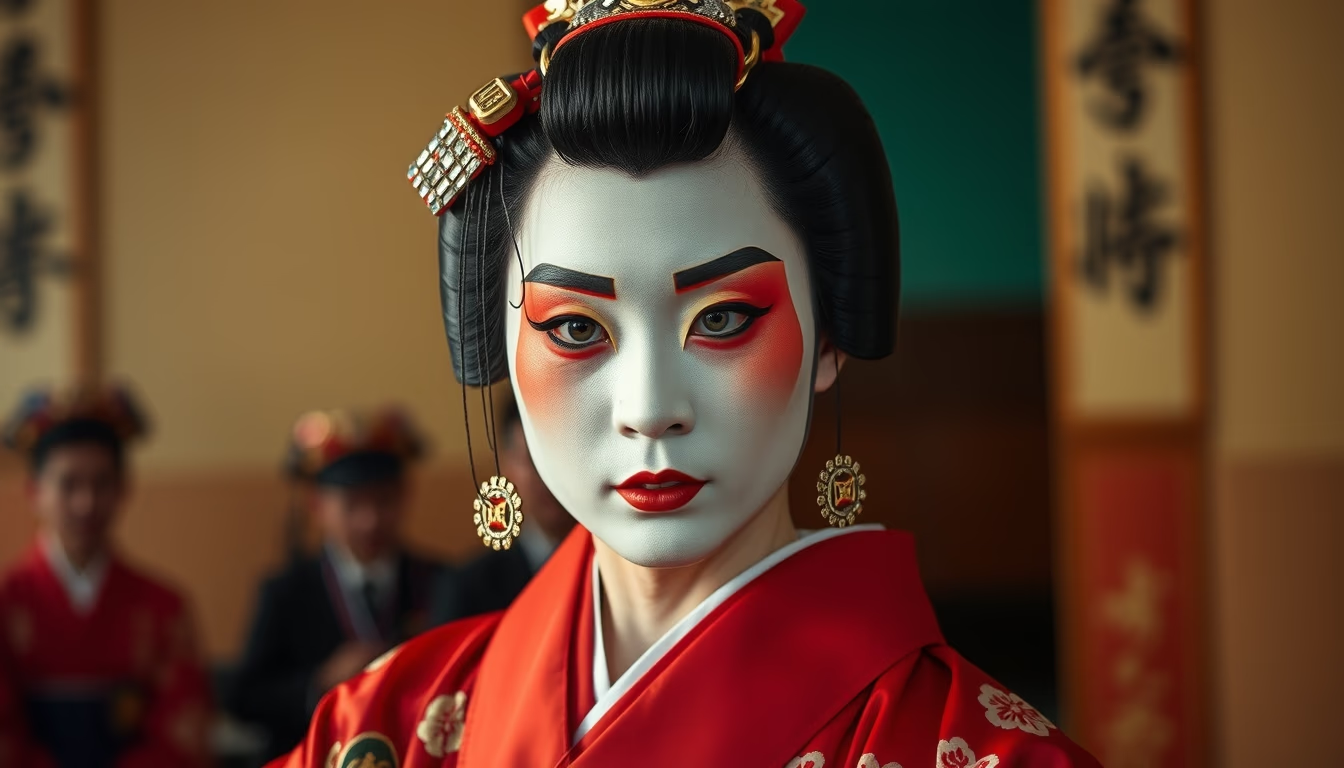
The kabuki stage is the heart of traditional Japanese theater, combining elements like the hanamichi, rotating platforms, and elaborate sets to create a visually rich experience.
About this subject
Kabuki is a form of Japanese theatrical drama that originated in the early Edo period (17th century) and was designated a UNESCO Intangible Cultural Heritage. Its stage is a feat of scenic engineering, designed to maximize visual and emotional impact. The most iconic feature is the hanamichi, a runway cutting through the audience for dramatic entrances and exits. The main stage includes a mawari-butai (revolving stage), introduced in the 18th century for rapid set changes. Another device is the seri, a trapdoor for sudden appearances and disappearances. The roof structure over the stage, called gakuya, resembles a Shinto shrine and reinforces traditional aesthetics. Colorful makeup (kumadori) and extravagant costumes complement the grandeur of the stage. All actors are male, with onnagata specializing in female roles after rigorous training. Kabuki is not mere entertainment: it reflects social, historical, and spiritual values of Japan, and its techniques have influenced modern film and theater. The stage's acoustics are carefully designed, with drums and shamisen amplified by wood. Lighting in kabuki, originally candles and later electricity, emphasized facial expressions and stylized movements. The audience actively participates with shouts of approval (kakegoe). Every detail of the stage serves a symbolic or practical purpose, solidifying kabuki as a total art form.
Frequently Asked Questions
What is the hanamichi in kabuki theater?
The hanamichi is an elevated runway that crosses the audience to the main stage. It is used for dramatic entrances and exits of actors, as well as important scenes. Originally, it also served as a place for the audience to offer gifts to performers.
Why are all kabuki actors male?
Traditionally, women were banned from performing kabuki since 1629 due to moral concerns. Since then, female roles are played by onnagata, male actors trained from youth to accurately imitate feminine gestures and voices.
Is kabuki considered cultural heritage?
Yes, kabuki was proclaimed a Masterpiece of the Oral and Intangible Heritage of Humanity by UNESCO in 2005 and inscribed on the representative list in 2008. It is valued for its scenic art, music, and tradition dating back to the 17th century.
Direct URL
https://pub-c7d6a6ea828543ac903a74a341ccb2e1.r2.dev/imagens/kabuki-stage-japanese-documentary-photography-fresh3.avifHow to credit
Include a visible link back to UtilizAí. Copy one of the snippets below:
<a href="https://xn--utiliza-eza.com/en/midia/imagens/kabuki-stage-japanese-documentary-photography-fresh3">Kabuki stage japanese</a> by <a href="https://xn--utiliza-eza.com">UtilizAí</a>, licensed under <a href="https://creativecommons.org/licenses/by/4.0/">CC BY 4.0</a>.
[Kabuki stage japanese](https://xn--utiliza-eza.com/en/midia/imagens/kabuki-stage-japanese-documentary-photography-fresh3) by [UtilizAí](https://xn--utiliza-eza.com), CC BY 4.0
License: CC-BY-4.0