Kabuki masks display
1344×768 · AVIF · CC BY 4.0
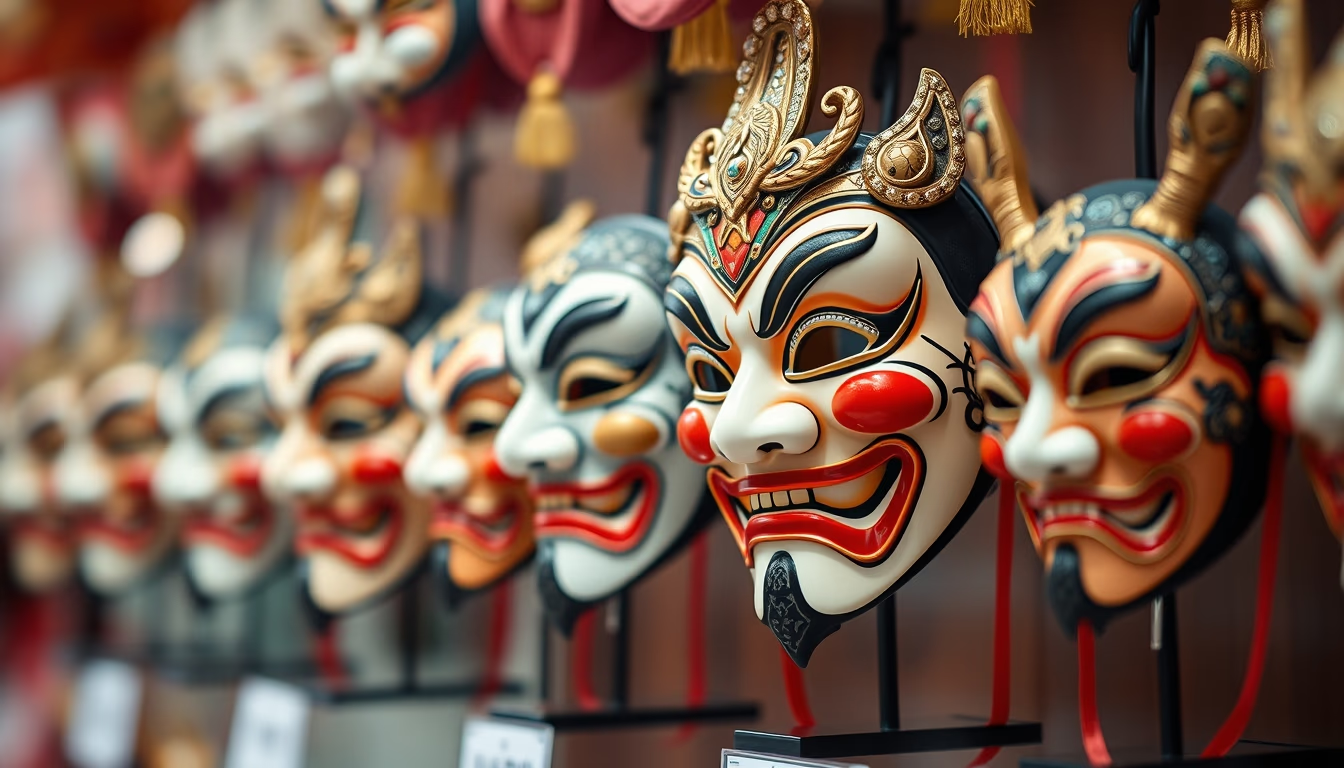
Kabuki masks reveal the rich tradition of Japanese theater, each representing iconic emotions and characters like heroes, villains, and ghosts.
About this subject
Kabuki is a form of classical Japanese theater that emerged in the early 17th century during the Edo period. Unlike Noh, which uses expressive masks, kabuki traditionally relies on elaborate makeup (kumadori) rather than masks. However, kabuki masks are popular as decorative items and collectibles, representing character archetypes such as the hero (tachiyaku), the villain (katakiyaku), and the vengeful ghost (shinboku). These masks are carved from wood and hand-painted, following color patterns that encode emotions: red for passion and heroism, blue for sadness or fear, black for nobility or evil. The tradition of displaying kabuki masks on stands dates back to the Meiji period, when they became souvenirs for foreign tourists. Each mask captures a frozen expression at the peak of drama, allowing audiences to appreciate the emotional intensity of theater even offstage. Today, festivals like Kabuki-za in Tokyo and museum exhibitions worldwide feature collections of these pieces, highlighting their cultural and artistic significance. The tilt-shift technique in the image gives a miniature model feel, as if the masks are tiny props in a diorama, reminiscent of traditional Japanese puppet theaters.
Frequently Asked Questions
What do the colors on kabuki masks mean?
Colors carry symbolic meanings: red indicates passion, heroism, or virtue; blue expresses sadness, fear, or supernatural; black represents nobility, evil, or mystery; and white is used for ghosts or female characters.
Are kabuki masks used in theatrical performances?
No, kabuki traditionally uses facial makeup (kumadori) rather than masks. The masks are decorative or collectible items representing typical kabuki characters.
How are kabuki masks made?
They are hand-carved from wood, typically Japanese cypress (hinoki), and then painted with lacquer and natural pigments. Craftsmen spend weeks on each piece, following techniques passed down through generations.
Direct URL
https://pub-c7d6a6ea828543ac903a74a341ccb2e1.r2.dev/imagens/kabuki-masks-display-tilt-shift-miniature-fresh6.avifHow to credit
Include a visible link back to UtilizAí. Copy one of the snippets below:
<a href="https://xn--utiliza-eza.com/en/midia/imagens/kabuki-masks-display-tilt-shift-miniature-fresh6">Kabuki masks display</a> by <a href="https://xn--utiliza-eza.com">UtilizAí</a>, licensed under <a href="https://creativecommons.org/licenses/by/4.0/">CC BY 4.0</a>.
[Kabuki masks display](https://xn--utiliza-eza.com/en/midia/imagens/kabuki-masks-display-tilt-shift-miniature-fresh6) by [UtilizAí](https://xn--utiliza-eza.com), CC BY 4.0
License: CC-BY-4.0