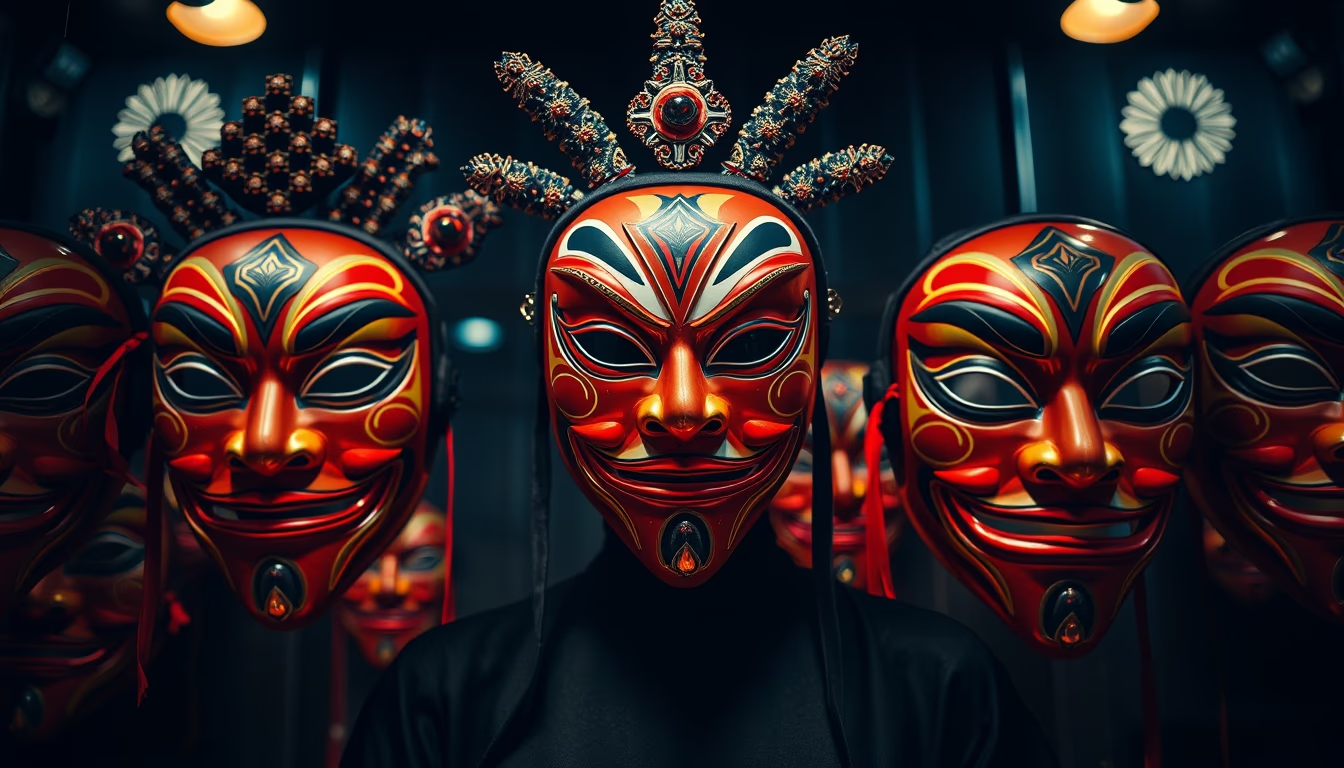
Kabuki masks display
1344×768 · AVIF · CC BY 4.0
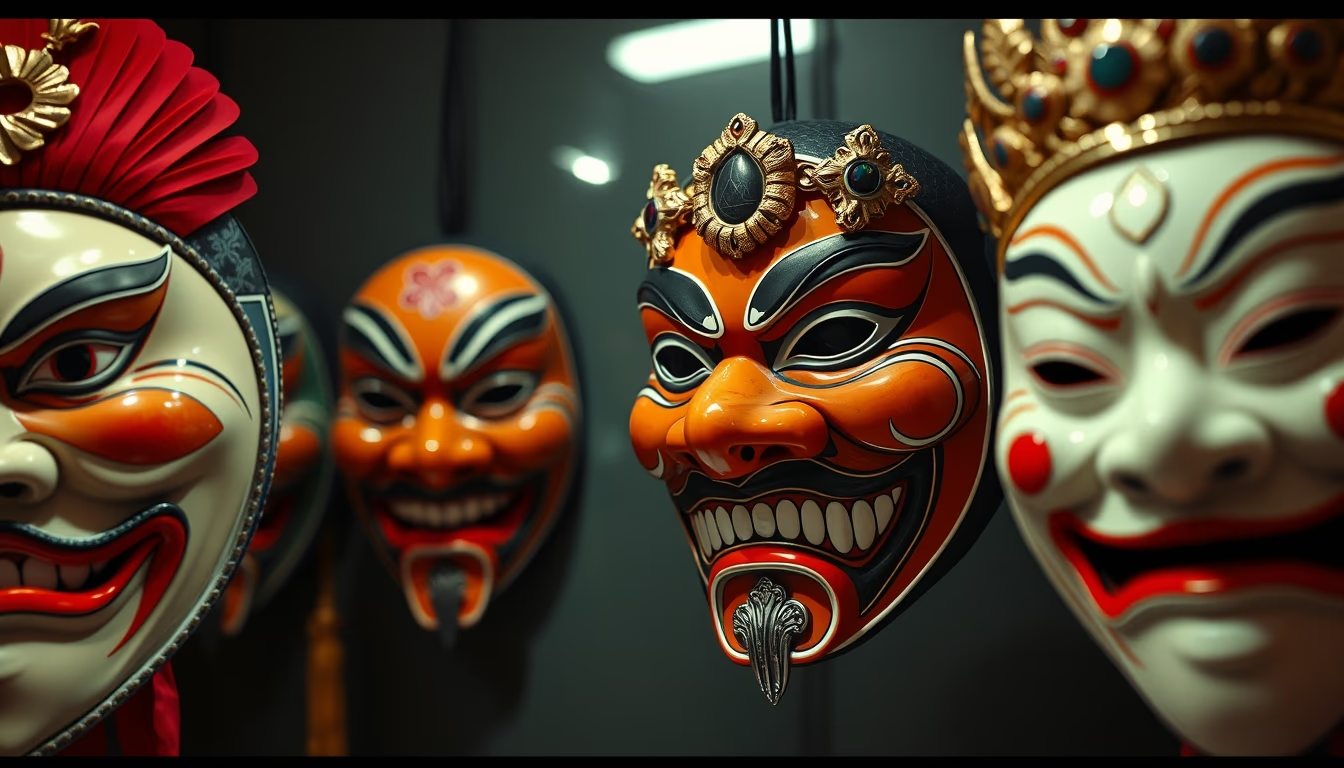
Kabuki masks showcase the rich Japanese theatrical tradition, blending dramatic artistry and cultural symbolism in centuries-old performances.
About this subject
Kabuki is a classical Japanese dance-drama recognized by UNESCO as an Intangible Cultural Heritage. It originated in the early 17th century in Kyoto, founded by Izumo no Okuni, a Shinto priestess. Unlike Noh theater, which uses masks covering the entire face, Kabuki masks are known as "kumadori" painted directly onto actors' faces, with specific colors and patterns to convey emotions and archetypes: red indicates courage and passion, blue represents villainy or fear, and brown suggests the supernatural. The term "masks" in plural often refers to these elaborate facial paintings or to masks used in special performances. Kabuki main characters are divided into fixed types, such as the hero (aragoto), the villain (jitsuaku), and the woman (onnagata), each with their own makeup style. Display of these masks is common in Japanese museums, such as the Tokyo National Museum, and in local festivals, highlighting the preservation of a tradition that has influenced modern cinema and theater globally. Kabuki performances are known for elaborate sets, stylized movements, and the presence of musicians playing shamisen and drums.
Frequently Asked Questions
What is the difference between Kabuki masks and Noh masks?
Kabuki masks are facial paintings called kumadori applied directly to the skin, while Noh masks are carved coverings that fit over the entire face.
What do the colors of Kabuki masks mean?
Red represents courage and passion, blue indicates villainy or fear, brown suggests the supernatural, and purple is used for noble characters.
Where can I see an exhibition of Kabuki masks?
Museums such as the Tokyo National Museum and the Kyoto National Museum have permanent displays. Festivals in Japan also feature these masks.
Direct URL
https://pub-c7d6a6ea828543ac903a74a341ccb2e1.r2.dev/imagens/kabuki-masks-display-lo-fi-disposable-camera-fresh1.avifHow to credit
Include a visible link back to UtilizAí. Copy one of the snippets below:
<a href="https://xn--utiliza-eza.com/en/midia/imagens/kabuki-masks-display-lo-fi-disposable-camera-fresh1">Kabuki masks display</a> by <a href="https://xn--utiliza-eza.com">UtilizAí</a>, licensed under <a href="https://creativecommons.org/licenses/by/4.0/">CC BY 4.0</a>.
[Kabuki masks display](https://xn--utiliza-eza.com/en/midia/imagens/kabuki-masks-display-lo-fi-disposable-camera-fresh1) by [UtilizAí](https://xn--utiliza-eza.com), CC BY 4.0
License: CC-BY-4.0