Kabuki masks display
1344×768 · AVIF · CC BY 4.0
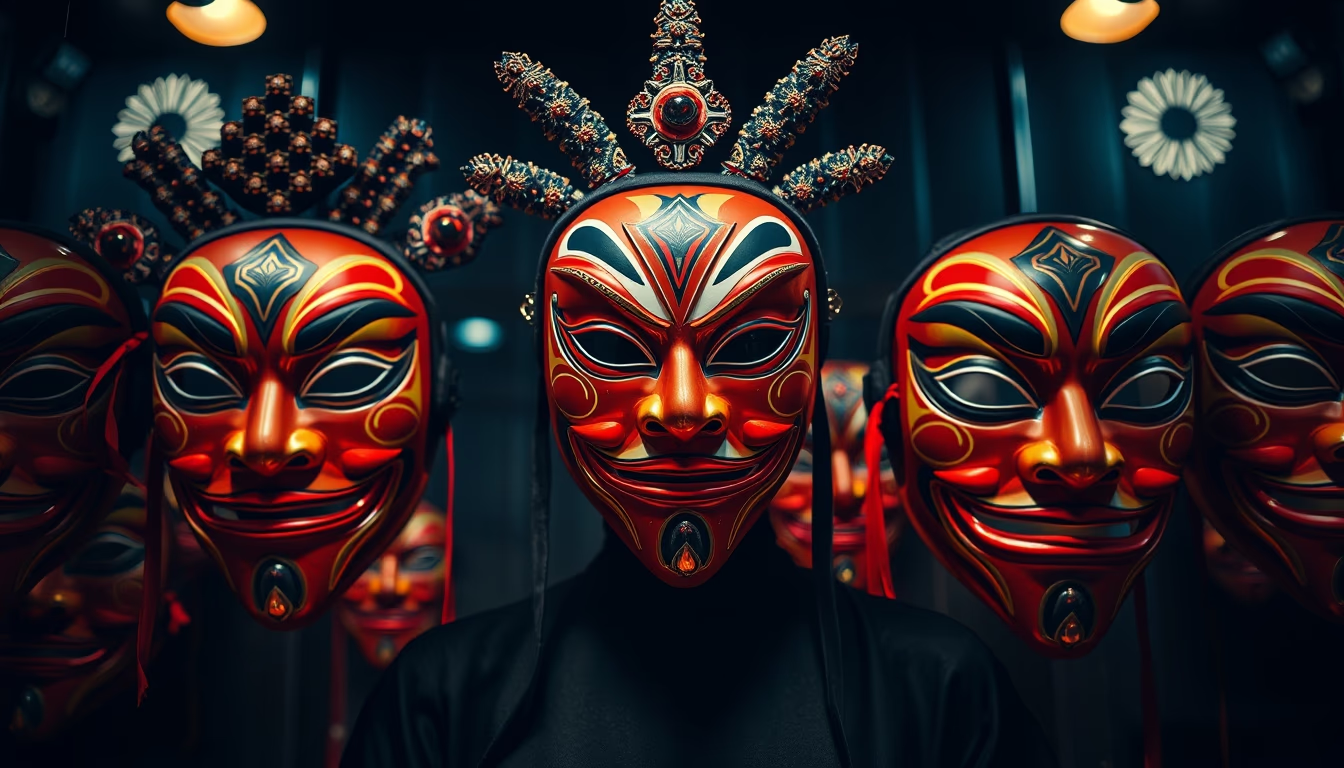
Kabuki masks represent Japanese theatrical tradition with exaggerated expressions and symbolic colors. Learn their history and meanings.
About this subject
Kabuki, a form of Japanese theater that originated in early 17th-century Kyoto, is renowned for its elaborate makeup (kumadori) rather than the masks used in Noh. However, decorative kabuki masks are popular as collectibles and souvenirs. They capture the exaggerated expressions of characters, with wide eyes, angular brows, and open mouths, reflecting the dramatic essence of the actors.
Every color and detail carries symbolic meaning. Red represents heroes in the aragoto style (bold, masculine roles), while dark blue indicates villains or evil spirits. Purple symbolizes nobility, and brown denotes comic characters. Female masks (onnagata) have softer features and light colors, echoing the tradition of male actors playing women's roles.
Kabuki was designated a UNESCO Intangible Cultural Heritage in 2005. Masks are sold in souvenir shops in districts like Asakusa (Tokyo) and Gion (Kyoto), and also crafted by specialized artisans. Many depict iconic characters such as Benkei, the warrior monk, or the hero Sukeroku. They appear in festivals and contemporary art exhibitions.
Historical accuracy is prized: some masks are replicas of Edo-period (1603, 1868) designs. Collectors seek handmade pieces with detailed painting and lacquer. For tourists, a kabuki mask is a tangible piece of Japanese culture, symbolizing the energy and emotion of classical theater.
Frequently Asked Questions
What are kabuki masks?
They are decorative representations of kabuki theater characters, with exaggerated expressions and symbolic colors. While kabuki primarily uses makeup, these masks are popular as decoration and souvenirs.
What is the difference between kabuki masks and Noh masks?
In Noh, actors wear masks over their faces; in kabuki, they use makeup (kumadori). Kabuki masks are generally decorative or collectible, while Noh masks have a ritualistic function.
Where can I find authentic kabuki masks?
At specialty shops in Tokyo (such as Asakusa) and Kyoto (Gion), or at museums like the Tokyo National Museum. They are also sold online by traditional artisans.
Direct URL
https://pub-c7d6a6ea828543ac903a74a341ccb2e1.r2.dev/imagens/kabuki-masks-display-high-fashion-editorial-fresh18.avifHow to credit
Include a visible link back to UtilizAí. Copy one of the snippets below:
<a href="https://xn--utiliza-eza.com/en/midia/imagens/kabuki-masks-display-high-fashion-editorial-fresh18">Kabuki masks display</a> by <a href="https://xn--utiliza-eza.com">UtilizAí</a>, licensed under <a href="https://creativecommons.org/licenses/by/4.0/">CC BY 4.0</a>.
[Kabuki masks display](https://xn--utiliza-eza.com/en/midia/imagens/kabuki-masks-display-high-fashion-editorial-fresh18) by [UtilizAí](https://xn--utiliza-eza.com), CC BY 4.0
License: CC-BY-4.0