Jean patou joy parfum
1344×768 · AVIF · CC BY 4.0
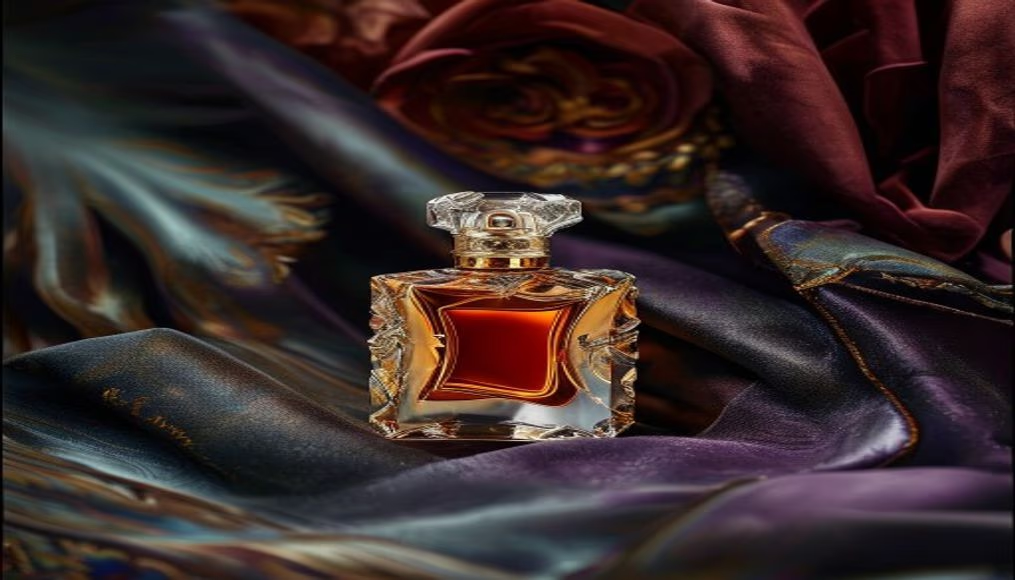
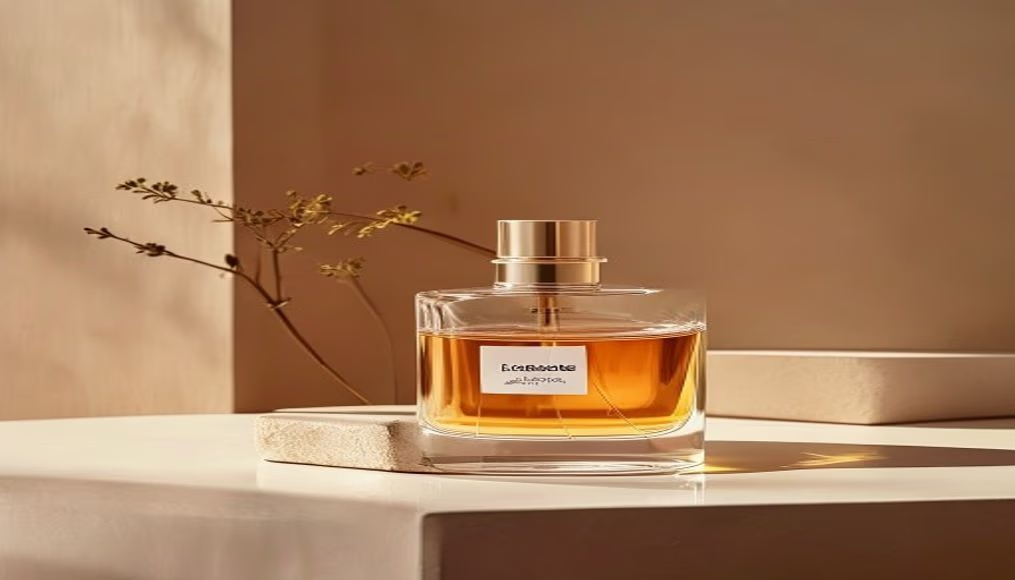
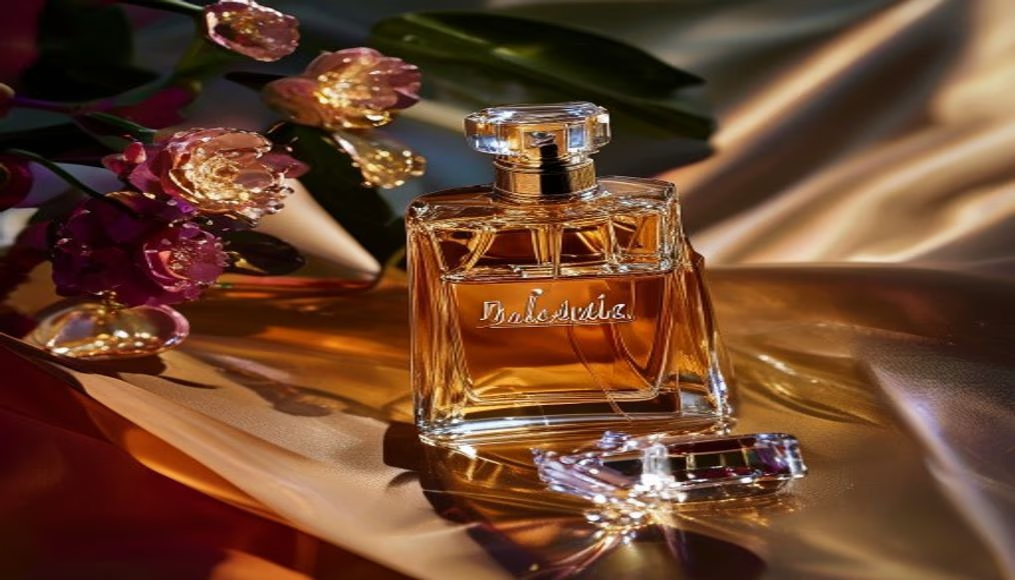
Jean Patou's Joy perfume, launched in 1930, is a luxury fragrance icon, renowned for its extravagance and the iconic tagline 'the costliest perfume in the world'.
About this subject
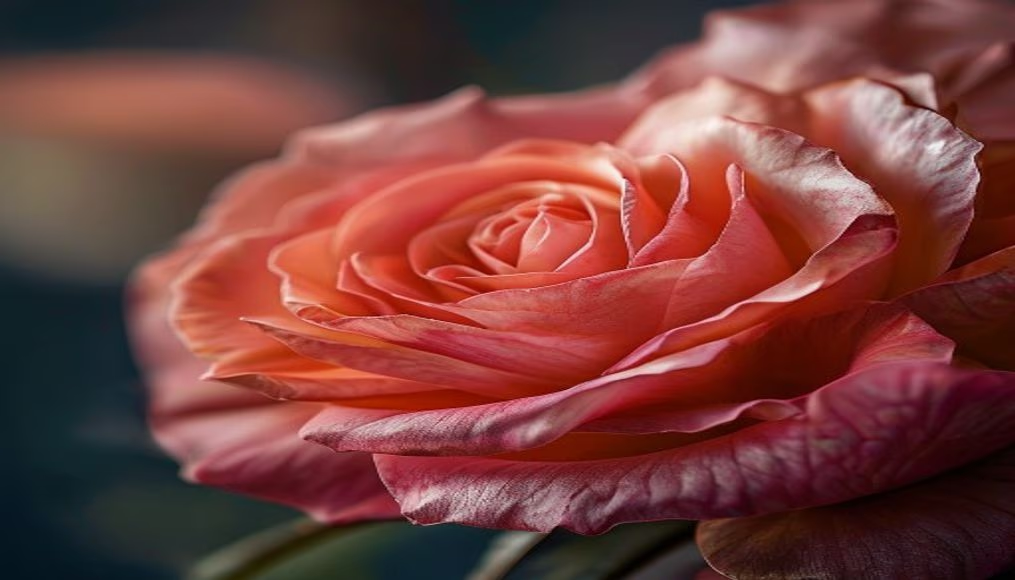
Launched in 1930 by the house of Jean Patou, Joy was conceived as a response to the Great Depression. While the market suffered cutbacks, perfumer Henri Alméras was tasked with creating a fragrance that exuded opulence and escapism. The result was a rich, complex composition requiring an exorbitant amount of raw materials: to produce just 30 ml of Joy, around 10,600 jasmine flowers and 28 dozen May roses were needed. This extravagance justified its title of "the costliest perfume in the world" at the time, cementing its status among the elite.
The fragrance is a classic floral in two main variations: Joy Eau de Parfum and Joy Eau de Toilette. Its olfactory pyramid combines top notes of peach, strawberry, and aldehydes, followed by a heart of jasmine, rose, orchid, and lily of the valley, with a base of amber, musk, and sandalwood. This structure was designed to evoke sophistication and longevity. The bottle design, often associated with Art Nouveau aesthetics with its fluid curves and faceted glass details, reinforces the image of timeless luxury. The bottle, originally created by glassmaker Baccarat, is an example of French craftsmanship.
Joy was a cultural milestone, worn by figures such as the Duchess of Windsor and Marlene Dietrich. Even after Jean Patou's death in 1936, the fragrance remained in the brand's portfolio, being relaunched and reinterpreted over the decades. In 2019, the brand was acquired by Inter Parfums, which revitalized the line, including versions like Joyeuse & Gourmande. Today, Joy continues to be a reference in floral perfumery, competing with other classics such as Chanel No. 5 and Guerlain Shalimar.
The association with Art Nouveau is not merely aesthetic; it reflects the historical context. The Art Nouveau movement (1890-1910) valued organic forms and ornamentation, and although Joy emerged decades later, its bottle and advertising incorporate these elements as a tribute to early 20th-century elegance. The perfume represents a golden era of French perfumery, where ingredient quality and bottle artistry were as important as the scent itself.
Frequently Asked Questions
Why is Joy perfume considered the most expensive in the world?
Because it requires an exceptional amount of rare raw materials: around 10,600 jasmine flowers and 28 dozen May roses to produce just 30 ml. This, combined with the handcrafted Baccarat bottle, justified its high price at launch.
What are the main olfactory notes of Jean Patou Joy?
Joy is a floral with top notes of peach, strawberry, and aldehydes; heart of jasmine, rose, orchid, and lily of the valley; and base of amber, musk, and sandalwood.
Is the Joy bottle related to the Art Nouveau movement?
Yes, the bottle design, with fluid curves and faceted glass, evokes Art Nouveau aesthetics, which valued organic forms and ornamentation, even though it was released after the movement's peak.
Direct URL
https://pub-c7d6a6ea828543ac903a74a341ccb2e1.r2.dev/imagens/jean-patou-joy-parfum-art-nouveau-aesthetic-luxo1.avifHow to credit
Include a visible link back to UtilizAí. Copy one of the snippets below:
<a href="https://xn--utiliza-eza.com/en/midia/imagens/jean-patou-joy-parfum-art-nouveau-aesthetic-luxo1">Jean patou joy parfum</a> by <a href="https://xn--utiliza-eza.com">UtilizAí</a>, licensed under <a href="https://creativecommons.org/licenses/by/4.0/">CC BY 4.0</a>.
[Jean patou joy parfum](https://xn--utiliza-eza.com/en/midia/imagens/jean-patou-joy-parfum-art-nouveau-aesthetic-luxo1) by [UtilizAí](https://xn--utiliza-eza.com), CC BY 4.0
License: CC-BY-4.0