Irish step shoes
1344×768 · AVIF · CC BY 4.0
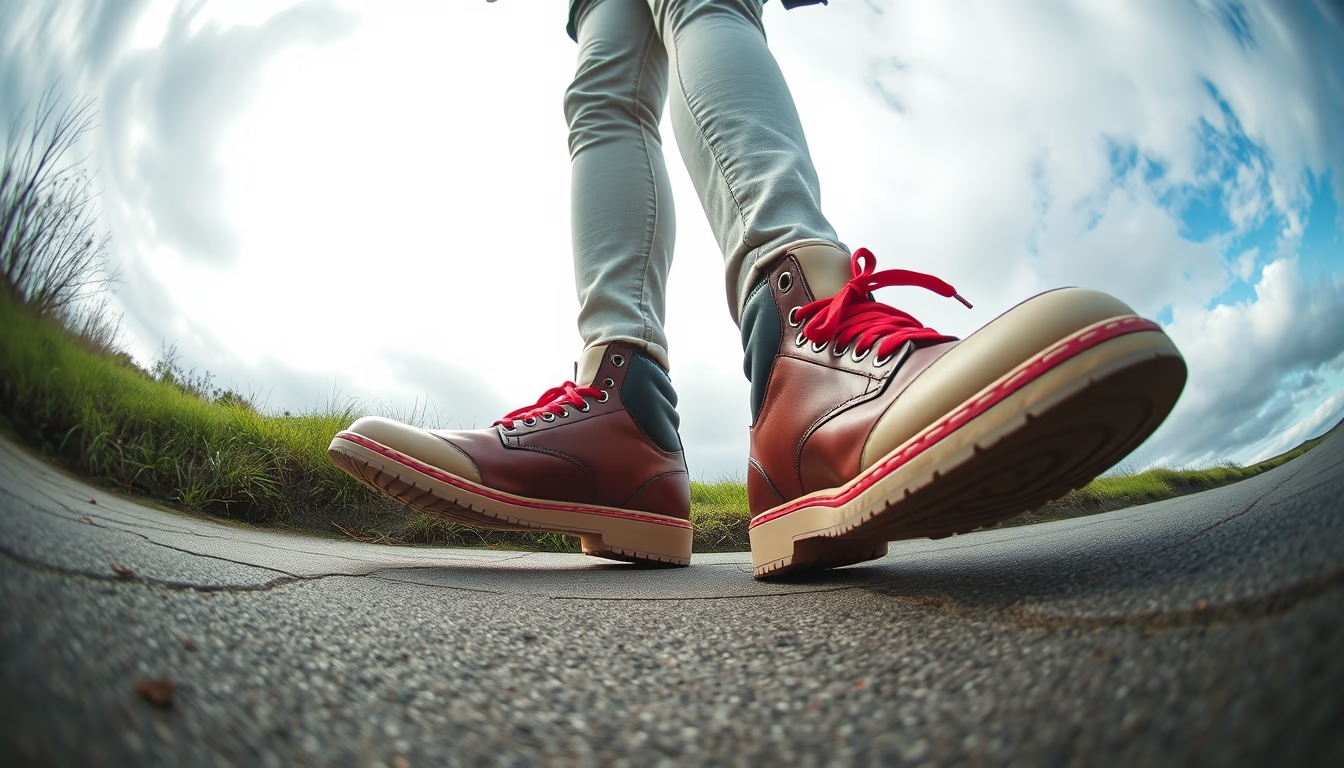
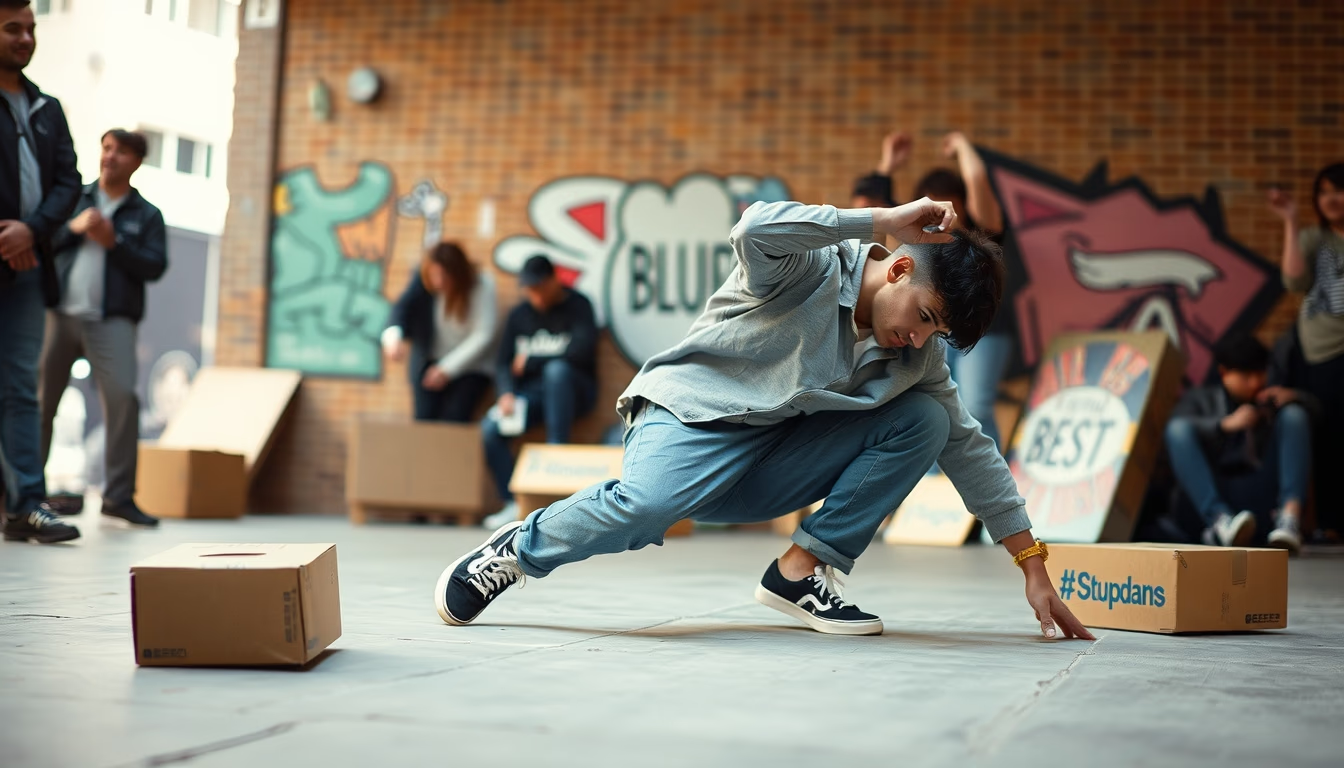
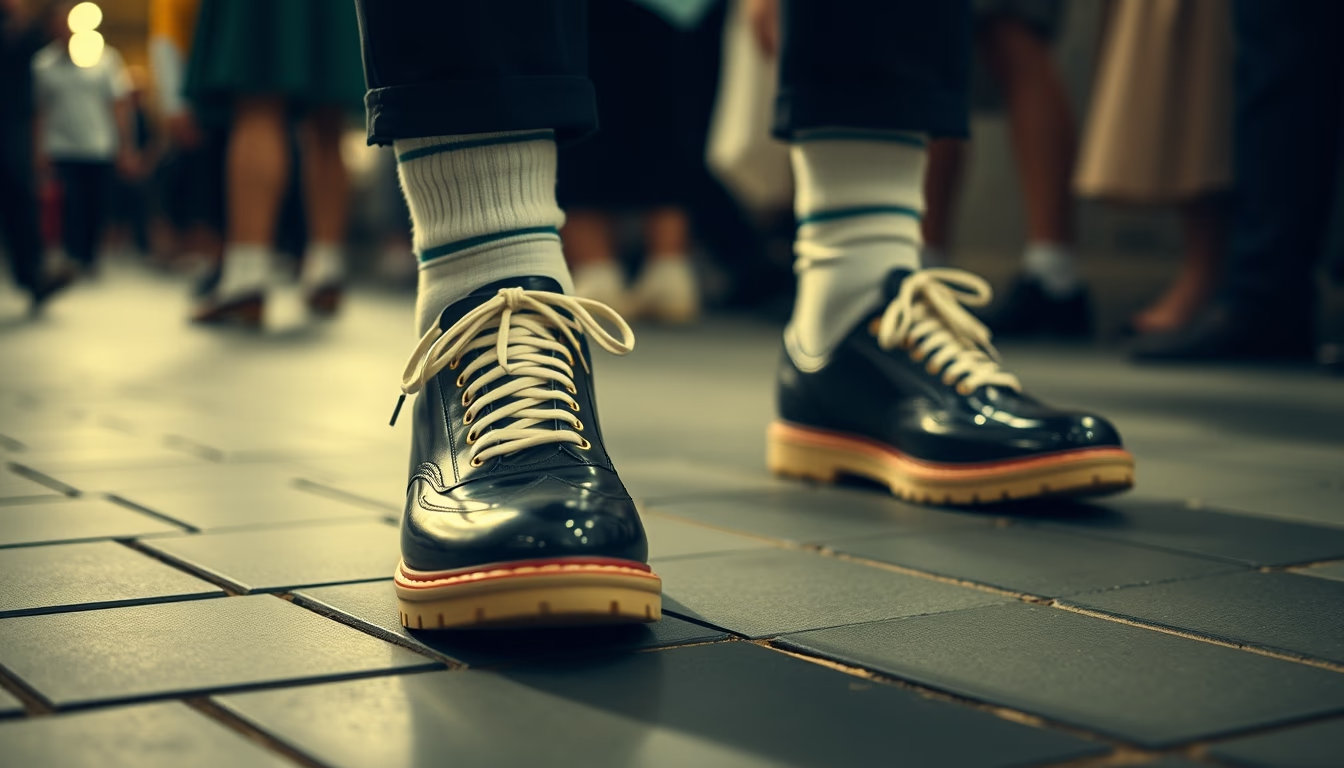
Irish step shoes are essential for traditional Irish dance, coming in hard and soft types, each with a specific function and sound.
About this subject
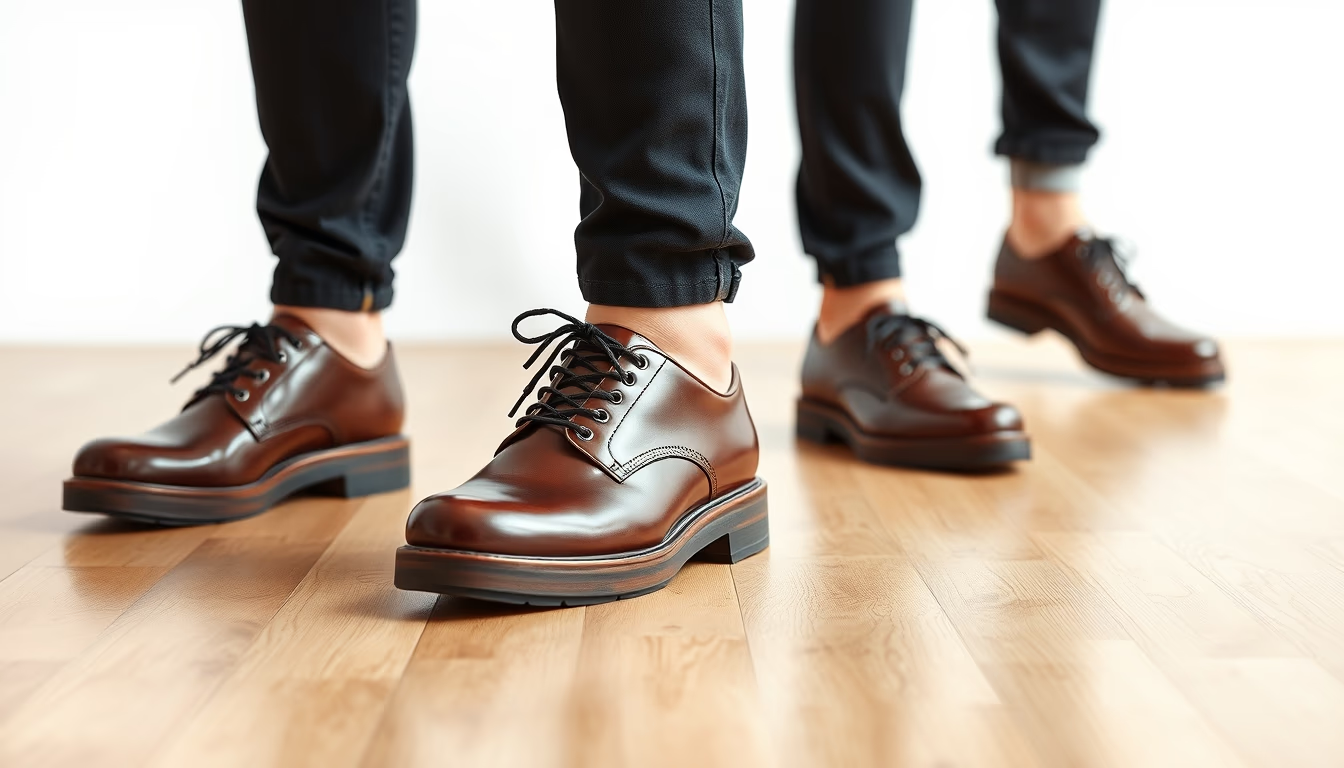
Irish step shoes are specialized footwear used in Irish dance, a tradition dating back to the 18th century. They come in two main types: soft shoes (ghillies or pumps) and hard shoes. Ghillies are made of thin, flexible black leather with laces that wrap around the ankle, used for light dances like reels and jigs where foot sounds are minimal. Hard shoes, also called heavy shoes, have soles made of fiberglass or wood with metal taps on the heel and toe, producing characteristic percussive sounds. These shoes are essential for modern Irish step dancing, popularized globally by shows like Riverdance and Lord of the Dance.
Historically, Irish dance shoes evolved from everyday footwear. In the 18th century, dancers used leather-soled shoes with nails to create sounds. Over time, construction was refined: today's hard shoes have plastic or carbon fiber soles with two taps (heel and toe), allowing a wide range of rhythms. The most famous brand is Rutherford, but Fays and Corr are also popular. Shoes are usually black, but modern competitions allow colors and embellishments.
Cultural importance goes beyond dance: shoes are symbols of Irish identity. In competitions (Feiseanna), dancers wear new or well-maintained shoes to avoid unwanted noises. Maintenance includes replacing worn taps and softening leather. A curiosity: experienced dancers may have dedicated pairs for different dance types. Sole shape also varies: hard shoes have thicker, curved soles, while ghillies are flat and flexible.
In Brazil, Irish dance gained followers with groups like Celtic Dance Brazil. Shoes can be purchased from specialized stores or imported, with prices ranging from R$ 300 to R$ 1,500. The tap sound is so iconic that it is often mixed in performances to amplify percussion. Dance technique requires upright posture and arms held close to the body, contrasting with fast foot movements.
Frequently Asked Questions
What is the difference between hard and soft Irish dance shoes?
Soft shoes (ghillies) are flexible and used for light dances like reels, producing no percussive sound. Hard shoes have rigid soles with metal taps on heel and toe, creating rhythmic sounds typical of Irish step dancing.
How to break in new Irish step shoes?
Use a damp cloth or leather conditioner to soften the material. Walk around in them at home for a few hours to mold to your feet. Avoid forcing the bend, as it may damage the structure.
Are Irish step shoes only used in Ireland?
No, they are used worldwide in competitions, performances, and classes. Countries like the United States, Canada, Brazil, and Australia have active Irish dance communities.
Direct URL
https://pub-c7d6a6ea828543ac903a74a341ccb2e1.r2.dev/imagens/irish-step-shoes-fish-eye-wide-angle-fresh2.avifHow to credit
Include a visible link back to UtilizAí. Copy one of the snippets below:
<a href="https://xn--utiliza-eza.com/en/midia/imagens/irish-step-shoes-fish-eye-wide-angle-fresh2">Irish step shoes</a> by <a href="https://xn--utiliza-eza.com">UtilizAí</a>, licensed under <a href="https://creativecommons.org/licenses/by/4.0/">CC BY 4.0</a>.
[Irish step shoes](https://xn--utiliza-eza.com/en/midia/imagens/irish-step-shoes-fish-eye-wide-angle-fresh2) by [UtilizAí](https://xn--utiliza-eza.com), CC BY 4.0
License: CC-BY-4.0