Irish step shoes
1344×768 · AVIF · CC BY 4.0
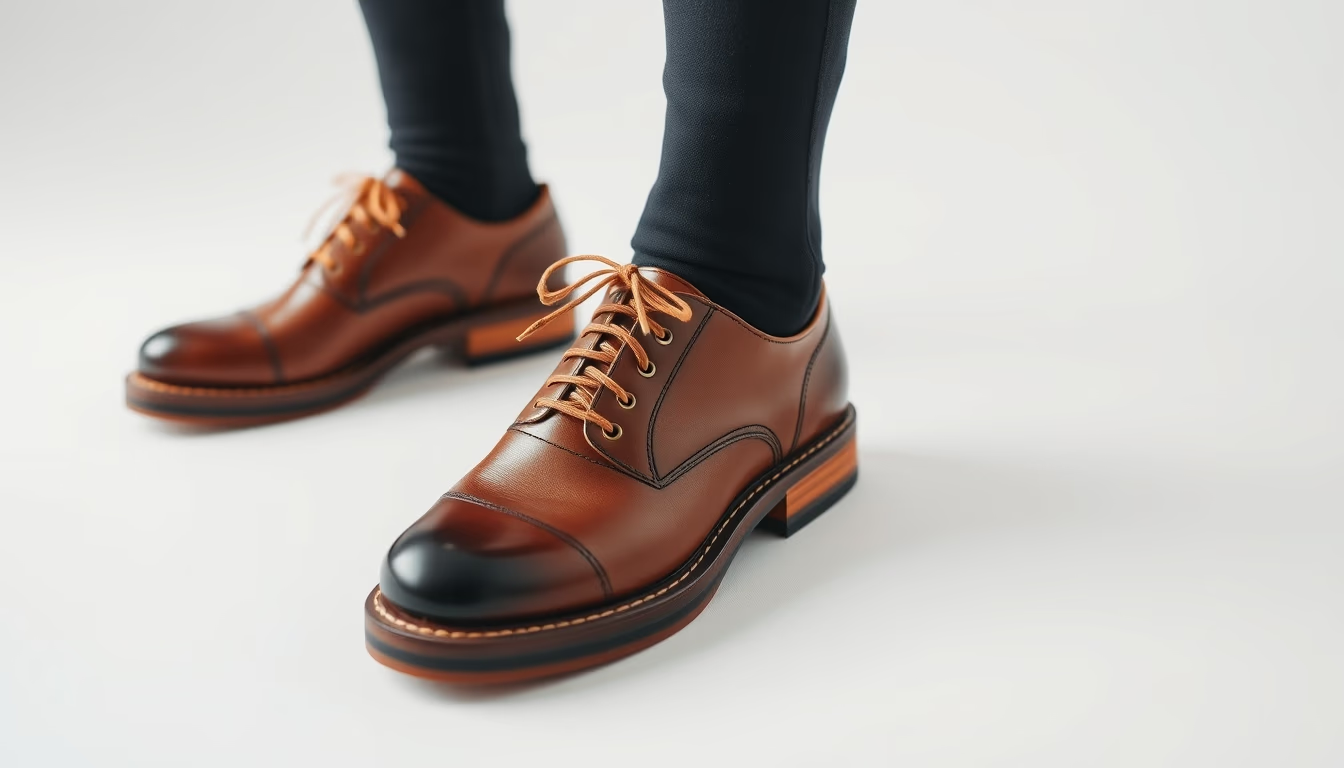
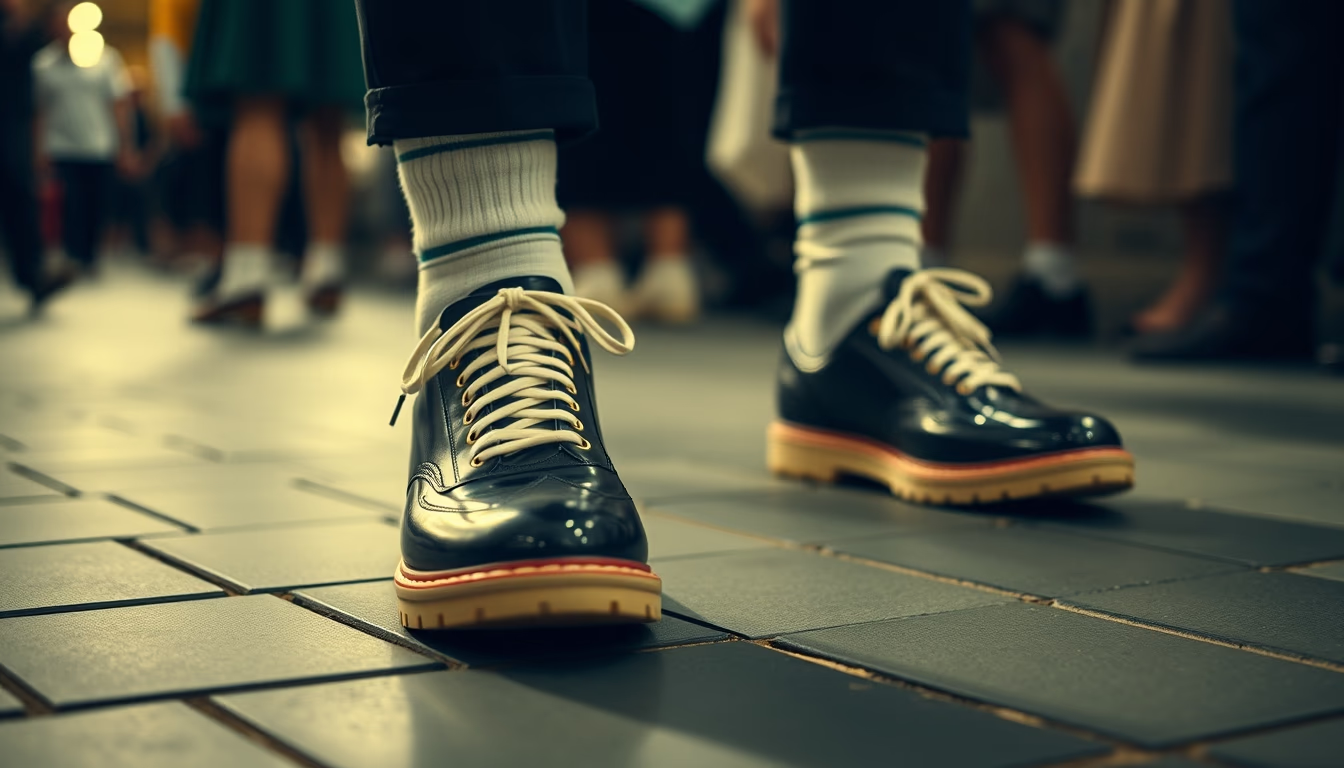
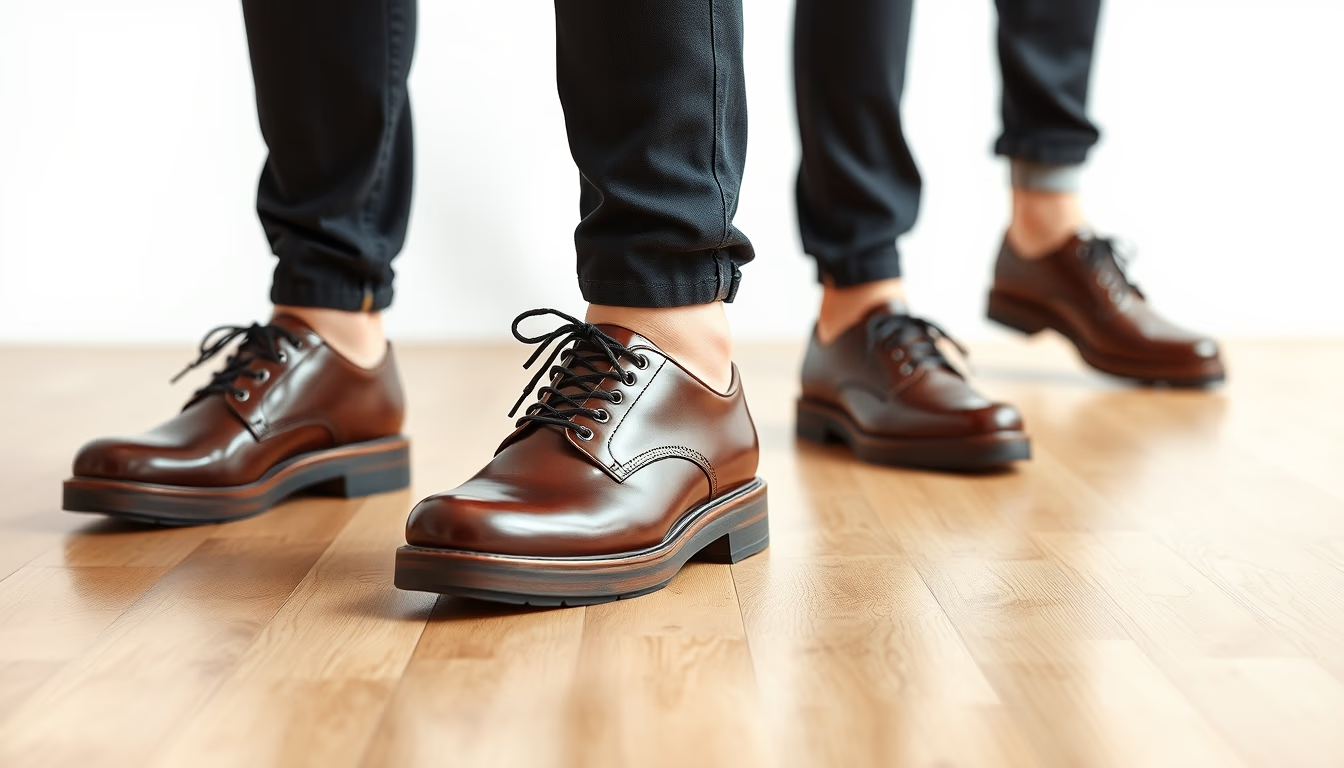
Irish step shoes, used in traditional Irish dance, feature hard soles and fiberglass heels to produce percussive sounds.
About this subject
Irish step shoes are specialized footwear for Irish dance, including sean-nós and competitive step dancing. Unlike regular dance shoes, they feature a hard sole (often fiberglass or carbon fiber) and a short heel that allows dancers to strike precise rhythms on the floor. The upper is made of soft leather for flexibility, with reinforced toes to support body weight. Historically, dancers used everyday shoes with hardened soles, but by the 20th century manufacturers like Fays Shoes and Rutherford Shoes began producing dedicated models, boosted by the success of Riverdance.
The shoes evolved from leather field boots adapted for percussive sound making. The rigid soles enable complex rhythms such as trebles and clicks. Unlike American tap shoes with metal plates, Irish step shoes rely on the impact of the sole and heel against the floor. Heel height typically ranges from 1 to 2 inches, reinforced with fiberglass for resonance.
Culturally, step shoes are a symbol of Irish identity, especially after Riverdance globalized the art form in the 1990s. Competitions under An Coimisiún Le Rincí Gaelacha (CLRG) require standardized shoes with black soles and brown or black leather. Each pair is custom-fitted and costs between €150 and €300. Maintenance involves periodic sole replacement due to wear. Shoes may have decorative ribbons or laces, but the design remains functional.
Interestingly, Irish step shoes are closed-toe and lace-up, unlike ballet slippers. The lack of intentional cushioning ensures crisp sound. Performers like Michael Flatley popularized higher heels for visual flair, while traditional competitors prefer lower heels for speed.
Frequently Asked Questions
Do Irish step shoes have metal plates like tap shoes?
No. Irish step shoes do not have metal plates. The percussive sound comes from the impact of the hard sole (fiberglass or carbon) and heel against the floor.
What is the difference between competition and performance shoes?
Competition shoes usually have lower heels (about 1 inch) for speed and precision. Performance shoes, like those in Riverdance, may have higher heels (up to 2 inches) for visual effect.
How should I care for Irish step shoes?
Clean leather with a damp cloth, avoid direct sunlight, and replace soles when worn. New shoes need gradual breaking in to prevent blisters.
Direct URL
https://pub-c7d6a6ea828543ac903a74a341ccb2e1.r2.dev/imagens/irish-step-shoes-commercial-product-photography-fresh13.avifHow to credit
Include a visible link back to UtilizAí. Copy one of the snippets below:
<a href="https://xn--utiliza-eza.com/en/midia/imagens/irish-step-shoes-commercial-product-photography-fresh13">Irish step shoes</a> by <a href="https://xn--utiliza-eza.com">UtilizAí</a>, licensed under <a href="https://creativecommons.org/licenses/by/4.0/">CC BY 4.0</a>.
[Irish step shoes](https://xn--utiliza-eza.com/en/midia/imagens/irish-step-shoes-commercial-product-photography-fresh13) by [UtilizAí](https://xn--utiliza-eza.com), CC BY 4.0
License: CC-BY-4.0